

On 19 November 1809 a French army with a Polish division in its first line routed the Spanish at Ocaña. On 19 November 1863 Abraham Lincoln dedicated the soldiers' cemetery at Gettysburg with a speech of 272 words. On 19 November 1941 the cruiser HMAS Sydney and the German raider Kormoran sank each other off Western Australia. On 19 November 1942 the Red Army opened Operation Uranus, which within four days encircled the German Sixth Army at Stalingrad. Each has its own full story below.
Ocaña, 1809
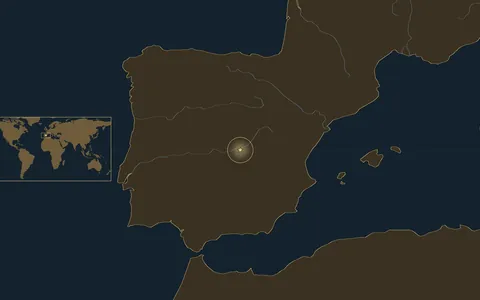
A French army of about 33,500 under King Joseph and Marshal Soult, with a Polish division in its first line, attacked the Spanish Army of La Mancha on the open plain south of Madrid. French cavalry swept away the Spanish horse and fell on the flank of the infantry, and the Spanish army dissolved, leaving about 14,000 prisoners.1
Read the full story of Ocaña, 1809 ›The Gettysburg Address, 1863
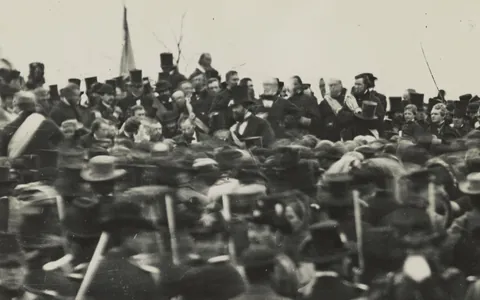
Abraham Lincoln spoke at the dedication of the Soldiers' National Cemetery at Gettysburg, four months after the battle, following the orator Edward Everett, who had talked for two hours. His speech of 272 words became, in the words of the National Park Service, the most famous piece of oratory in American history.2
Read the full story of The Gettysburg Address, 1863 ›HMAS Sydney and the Kormoran, 1941
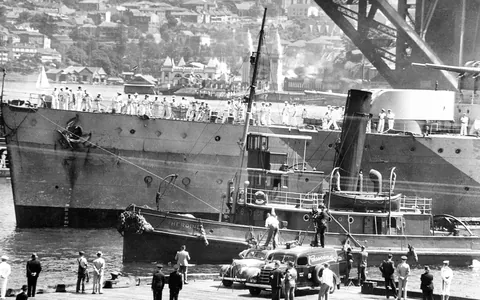
Off Western Australia the cruiser HMAS Sydney met the German raider Kormoran, disguised as a merchant ship, and came in close before the raider opened fire with guns and torpedoes. Both ships sank, and none of Sydney's 645 men survived, the worst loss the Royal Australian Navy has suffered.3
Read the full story of HMAS Sydney and the Kormoran, 1941 ›Operation Uranus, 1942
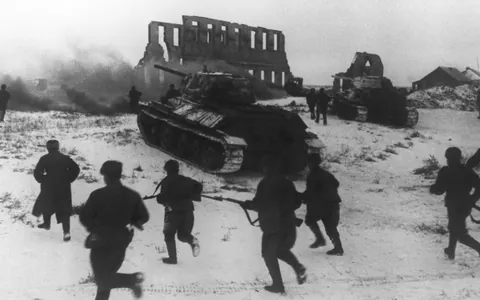
At 7:30 in the morning 3,500 Soviet guns and mortars opened fire on the Romanian Third Army on the Don, northwest of Stalingrad. A second blow fell south of the city the next day, and on 23 November the Soviet pincers met near Kalach, encircling the German Sixth Army.4
Read the full story of Operation Uranus, 1942 ›




