

On 17 September 1631 Gustavus Adolphus routed Tilly's imperial army at Breitenfeld, north of Leipzig. On 17 September 1862 the Battle of Antietam became the bloodiest single day in American military history. On 17 September 1939, while Poland was still fighting Germany, the Red Army crossed Poland's eastern border under the secret protocol of the Nazi-Soviet pact. Each battle has its own full story below.
Breitenfeld, 1631
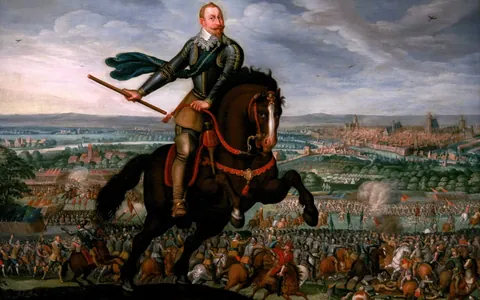
North of Leipzig, Gustavus Adolphus and his Saxon allies met the imperial and Catholic League army of Count Tilly, and the Saxons broke and fled early in the fight. The Swedes turned to meet every attack, took Tilly's guns and routed his army, the first great Protestant victory of the Thirty Years' War.1
Read the full story of Breitenfeld, 1631 ›Antietam, 1862
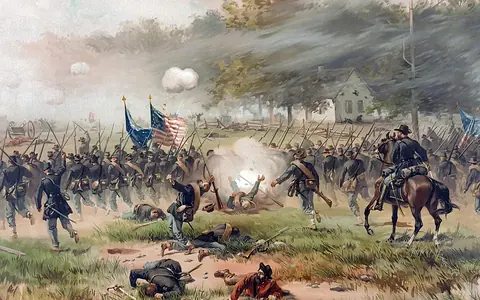
McClellan's Army of the Potomac attacked Lee's Army of Northern Virginia along Antietam Creek near Sharpsburg, Maryland, and twelve hours of fighting left about 23,000 men killed, wounded or missing. The battle ended Lee's first invasion of the North and led Lincoln to issue the preliminary Emancipation Proclamation.2
Read the full story of Antietam, 1862 ›The Soviet invasion of Poland, 1939
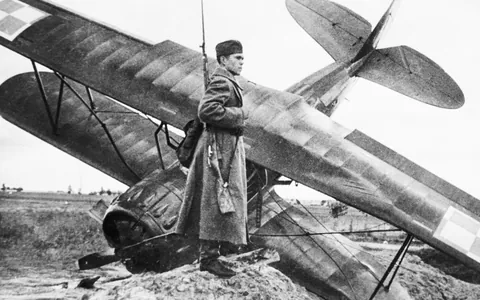
Claiming that the Polish state had ceased to exist, the Red Army crossed Poland's eastern border in the early hours, carrying out the secret protocol of the German-Soviet pact. Border Protection Corps units and others fought at Wilno, Grodno and Szack, and by the end of September Poland was partitioned along the Bug.3
Read the full story of The Soviet invasion of Poland, 1939 ›Also on this day
- Operation Market Garden, 1944. By the late summer of 1944 the Allied armies had swept out of Normandy and raced across France and Belgium, and a mood of optimism gripped the high command. Montgomery proposed a plan of startling ambition.





