PLSubscribe

The Battle of Zhovti Vody, 1648: Khmelnytsky's first victory

Khmelnytsky Uprising · 29 April to 16 May 1648 · Polish-Lithuanian Commonwealth vs Cossacks and Crimean Tatars · ~9 min read · Updated November 2026

Next anniversary: 29 April 2027, the 379th anniversary of the start 29 April in history ›

Beauplan's general map of Ukraine, engraved by Willem Hondius in 1648, the year of the battle, with the Dnieper and the steppe south of it, oriented with north at the bottom. A map of the region, not of the battle

Guillaume Le Vasseur de Beauplan, general map of Ukraine, engraved by Willem Hondius, Gdańsk 1648, Library of Congress, via Wikimedia Commons, public domain.

At a glance

Zaporozhian Cossacks and the Crimean Khanate defeated the Polish-Lithuanian Commonwealth.

Date
29 April to 16 May 1648
Location
Upper Zhovti Vody (today the Zhovta river) and Kniazhi Bairaky, central Ukraine
War
Khmelnytsky Uprising
Polish-Lithuanian CommonwealthStefan Potocki, with Stefan Czarniecki and the Cossack commissioner Jacek SzemberkDefeat
Zaporozhian Cossacks and Crimean KhanateHetman Bohdan Khmelnytsky, Tugay BeyVictory

By the numbers

Strength
Polish-Lithuanian Commonwealth:
Zaporozhian Cossacks and Crimean Khanate:
4,000 to 5,000 with several hundred dragoons (Stepankov), 4,000 Cossacks and 1,200 mercenaries (Storozhenko)1
Losses or fate
Polish-Lithuanian Commonwealth:
Zaporozhian Cossacks and Crimean Khanate:
Revolted against their officers and joined Khmelnytsky2

Stefan Potocki's land column

Strength
About 3,000 soldiers by establishment, among them about 1,500 registered Cossacks, plus camp servants (Rogowicz). About 6,000 with servants (Stepankov), about 4,000 (Storozhenko)3
Losses or fate
Destroyed. About 3,000 taken prisoner (Internet Encyclopedia of Ukraine), a few hundred (Polish state education platform)4

Khmelnytsky and Tugay Bey

Strength
About 5,000 Cossacks and 4,000 to 5,000 Tatars (Stepankov). 8,000 Zaporozhians, 4,000 to 5,000 registered Cossacks and about 4,000 Tatars (IEU). Over 8,000 Cossacks and at least 20,000 Tatars (Storozhenko)5
Losses or fate
unknown

Artillery

Strength
Polish column: 10 guns (Stepankov, Storozhenko), 6 (Rogowicz, after Vimina). Khmelnytsky at first: 3 small guns6
Losses or fate
The Polish guns were handed over on 14 May7

Seventeenth-century figures are uncertain and the historians differ widely, above all on the Tatars. Unknown: the sources give no reliable figure.

Outcome
Cossack and Tatar victory. The Polish force was destroyed, and Stefan Potocki died of his wounds

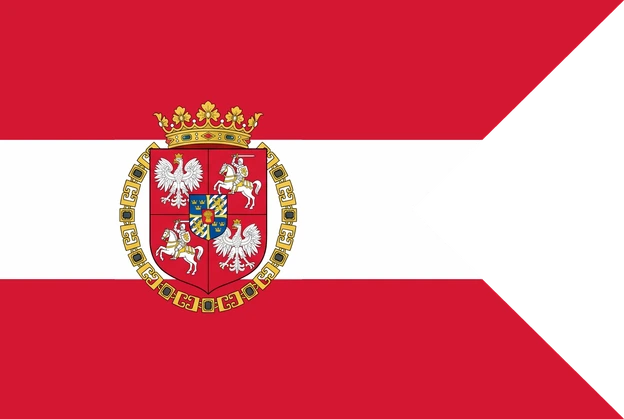
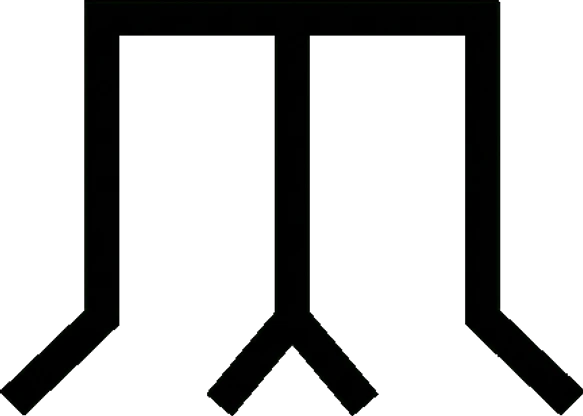
Flag: reconstruction based on the Stockholm Roll (c. 1605)Mark: the Giray tamga, reconstruction based on a 16th-century weight

Quick answer

What happened at Zhovti Vody in 1648?

At Zhovti Vody, from 29 April to 16 May 1648, Bohdan Khmelnytsky's Cossacks and the Crimean Tatars of Tugay Bey caught a Polish force under Stefan Potocki, son of the Grand Crown Hetman, on its way to crush the rising at the Zaporozhian Sich. Besieged in its camp and abandoned by the registered Cossacks, who went over to Khmelnytsky, the force gave up its guns for a safe passage, was attacked on the retreat and destroyed at Kniazhi Bairaky on 16 May. It was the first victory of the uprising.8

In April 1648 the Grand Crown Hetman, Mikołaj Potocki, sent his son into the steppe with a few thousand men to crush the Cossack rising at the Zaporozhian Sich. Less than four weeks later the force was gone and his son was dying, and the rising was on its way to becoming a war that would last for years. The longer war is told in our guide to the wars of the Polish-Lithuanian Commonwealth.9

A rising at the Sich

The Commonwealth crushed the Cossack rebellions of 1637 and 1638. The Ordinance of 1638 that followed took away the autonomy of the Zaporozhian Host and placed the registered Cossacks, the Cossacks paid by the Commonwealth, under a commissioner appointed by the Crown.10

Bohdan Khmelnytsky was one of their officers. He had fought at Cecora in 1620, where he was taken prisoner by the Turks, and in 1637 he held the post of military chancellor of the Host. Educated at the Jesuit college, most probably in Lviv, he spoke Polish and Latin and later learned Turkish and Tatar, and in 1646 he was among the Cossack envoys who talked with King Władysław IV. In 1647 the Chyhyryn official Czapliński seized his farm, and at the end of that year Khmelnytsky fled to the Zaporozhian Sich, the Cossack stronghold on the lower Dnieper, where early in 1648 he was elected hetman. His men drove out the Commonwealth's garrison at the Sich.11

Khmelnytsky made an alliance with the Crimean Khanate, and the khan sent him Tatar cavalry under Tugay Bey. The Commonwealth's commanders did not know that the Tatars had joined the Cossacks.12

Potocki divides his forces

Mikołaj Potocki decided to crush the rising at the Sich before it could spread. On 21 April 1648 he sent part of his army out of Cherkasy in two columns, while he stayed behind with the main forces.13

Four regiments of registered Cossacks went down the Dnieper by boat. Valerii Stepankov counts them, with several hundred dragoons, at 4,000 to 5,000 men, and Ivan Storozhenko gives 4,000 Cossacks and 1,200 mercenaries.14

The land column was led by the hetman's 24-year-old son, Stefan Potocki. With him went Stefan Czarniecki and Jacek Szemberk, the commissioner of the registered Cossacks, as his advisers. Szemberk commanded the registered Cossacks directly, and Rogowicz writes that the units under him made up most of the column. Its size is given very differently. Stepankov puts it at about 6,000 men with their servants, Storozhenko at about 4,000. The Polish historian Marek Rogowicz, who reconstructed the column banner by banner, counts about 3,000 soldiers by establishment, half of them registered Cossacks, plus camp servants. Stepankov and Storozhenko give it 10 guns, Rogowicz 6.15

It was a cavalry force at heart: banners of the standing quarter army, private troops of the magnates and dragoons, with the registered Cossacks as its main infantry.16

Storozhenko calls the division of the army a fatal mistake, and the Polish state education platform also judges it an error. It let Khmelnytsky beat the Polish forces one part at a time.17

The Tatars strike first

Khmelnytsky left the Sich to meet the land column with Tugay Bey's Tatars ahead of his wagon camp, probably on the night before 27 April according to Stepankov, and no later than that morning according to Storozhenko. His strength is one of the most disputed figures of the battle: Stepankov gives about 5,000 Cossacks and 4,000 to 5,000 Tatars, Storozhenko more than 8,000 Cossacks and at least 20,000 Tatars.18

29 April. Stefan Potocki made camp on the upper Zhovti Vody, the Yellow Waters, today the Zhovta river, a tributary of the Inhulets. He halted by one of the river's two headwater branches, south of the present-day village of Pakharivka. Around midday the Tatar vanguard attacked the camp. Stepankov writes that it defeated six Polish banners, Storozhenko that the Poles closed their wagon ring and beat the attacks off within an hour. Khmelnytsky came up later in the day with his wagon camp.19

On the first day about 200 horsemen under the registered Cossack colonel Duszyński left the camp. Storozhenko writes that they were sent toward the Dnieper to reach the river column, Rogowicz that they were cut off. Rogowicz adds that Duszyński never got back to Stefan Potocki and returned to the hetmans' main army.20

30 April and 1 May. A Cossack assault on 30 April failed, and both Ukrainian historians put it down to a lack of artillery: Khmelnytsky had only three small guns. On the morning of 1 May the Poles struck at the trenches the Cossacks had dug near their camp.21

Siege on the Yellow Waters

Unable to take the camp by storm, Khmelnytsky settled down to a siege, which Storozhenko dates from 5 May. For two weeks the camp beat off the attacks, and it was well supplied with powder.22

Mikołaj Potocki set out from Cherkasy toward Chyhyryn on 7 May and halted there. He never reached his son: on 13 May his army began to fall back.23

The registered Cossacks change sides

The blow that decided the battle did not come from the Cossack camp. It came from men who had marched out of Cherkasy on the Polish side. The registered Cossacks going down the Dnieper revolted against their officers at Kamianyi Zaton and chose Filon Dzhalalii as their leader.24

The historians date what followed a day apart. Stepankov has the rebel regiments join Khmelnytsky on 12 May and the registered Cossacks inside the Polish camp go over the next day. Storozhenko has the rebels march past the camp on 13 May and the Cossacks and court dragoons in the camp, 1,600 men in all, go over on 14 May. A Polish servant who survived the battle put the Cossacks who deserted the camp at 1,200, and Rogowicz dates their desertion to 14 May.25

The registered Cossacks had served as infantry, and with them Stefan Potocki lost most of the foot soldiers who held his wagon rampart.26

Guns for a safe passage

14 May. Potocki negotiated. By the agreement he handed over his artillery and powder in return for a safe passage for his men to Krylov. Hostages were exchanged, and Stefan Czarniecki was among those who went over to the Cossack camp, where he was held.27

15 May. Talks with Tugay Bey came to nothing, and the fighting resumed. Stepankov writes that by evening the Cossacks had taken part of the trenches and the royal banner. Storozhenko writes that the defenders beat the assault off, helped by rain that soaked the attackers' powder. The Polish state education platform dates the failed attempt to break out to the same day.28

Both Storozhenko and the Polish state education platform also record an offer from the Tatar side to hand Khmelnytsky over to the Poles. Nothing came of it.29

The end at Kniazhi Bairaky

16 May. That night the Poles set out for Krylov, with the Tatars attacking them through the dark. In the morning the Cossack infantry came up and destroyed the Polish column in a gully at the exit from Kniazhi Bairaky.30

How many were taken is given very differently. The Internet Encyclopedia of Ukraine says about 3,000 Poles were captured, along with two commanding officers. The Polish state education platform speaks of a few hundred prisoners.31

Stefan Potocki died of his wounds on 19 May. Storozhenko, following the Polish historian Wiesław Majewski, writes that he was taken by the Tatars and died of gangrene on the way to Crimea. Mirosław Nagielski, citing Majewski's entry in the Polish Biographical Dictionary, writes that he died in the Cossack camp.32

Jacek Szemberk fell into Tatar hands and was taken to Crimea. Stefan Czarniecki, who had gone over to the Cossack camp as a hostage, remained a prisoner of the Cossacks and the Tatars and was freed only later. He went on to become one of the Commonwealth's best known commanders, as told in our portrait of Stefan Czarniecki.33

After Zhovti Vody

The victory let Khmelnytsky turn against Mikołaj Potocki's main army. On 26 May it was routed at Korsun, and both Crown hetmans, Mikołaj Potocki and Marcin Kalinowski, were taken prisoner. The Internet Encyclopedia of Ukraine puts the prisoners taken there at more than 8,700. In September the Cossacks won again at Pyliavtsi.34

After Korsun, Khmelnytsky did not press on at once. Stepankov writes that he hoped the king would reform the Commonwealth and grant the Ukrainians equal rights and the Cossack lands autonomy.35

Stepankov calls Zhovti Vody the first victory of the Ukrainian army in the national revolution of 1648 to 1676, and Storozhenko the first victorious battle of the war. For Rogowicz it was the first of two painful defeats that opened the uprising.36

The dates in this article are New Style. The Encyclopedia of the History of Ukraine also gives the Old Style dates, ten days earlier, so the final rout of 16 May appears there as 6 May.37

The war that began on the Yellow Waters went on for years. In 1651 the Commonwealth defeated Khmelnytsky at Berestechko, but a year later the Cossacks won again at Batih.38


Frequently asked questions

When was the Battle of Zhovti Vody?

Ivan Storozhenko dates it from 29 April to 16 May 1648, and Valerii Stepankov's account covers the same days. The Polish state education platform also has the fighting begin on 29 April. The Internet Encyclopedia of Ukraine gives only the date of the final defeat, 16 May 1648.39

Who won the Battle of Zhovti Vody?

Bohdan Khmelnytsky's Cossacks and their Crimean Tatar allies under Tugay Bey. The Polish force of Stefan Potocki was surrounded and destroyed.40

Who commanded on each side?

Bohdan Khmelnytsky led the Cossacks, with Crimean Tatars under Tugay Bey. The Polish force was led by Stefan Potocki, son of the Grand Crown Hetman Mikołaj Potocki, with Stefan Czarniecki and the commissioner of the registered Cossacks, Jacek Szemberk, as advisers.41

Why did the Polish force lose?

Mikołaj Potocki split his army, so his son's column met the Cossacks and Tatars alone. The registered Cossacks on the Dnieper and those inside the camp went over to Khmelnytsky, and no relief came.42

What happened to Stefan Potocki?

He died of his wounds on 19 May 1648. Storozhenko writes that he died in Tatar hands on the way to Crimea, Nagielski that he died in the Cossack camp.43

Where is Zhovti Vody?

In central Ukraine, on the upper Zhovta river, a tributary of the Inhulets, near Oleksandriia. Stepankov and Storozhenko place the Polish camp south of the village of Pakharivka.44

Notes

A number in the text points to a note. Each note names the works that paragraph draws on, listed in full under Sources.

  1. Valerii Stepankov, “Zhovtovodska bytva 1648” [The Battle of Zhovti Vody, 1648]. Ivan Storozhenko, “Bytva na Zhovtykh Vodakh” [The Battle at Zhovti Vody]. ↩
  2. Ivan Storozhenko, “Bytva na Zhovtykh Vodakh” [The Battle at Zhovti Vody]. “Dzhalalii, Filon”. ↩
  3. Marek M. Rogowicz, “Skład sił polskich nad Żółtymi Wodami i pod Korsuniem w 1648 roku” [The Polish forces at Zhovti Vody and Korsun in 1648]. Valerii Stepankov, “Zhovtovodska bytva 1648” [The Battle of Zhovti Vody, 1648]. Ivan Storozhenko, “Bytva na Zhovtykh Vodakh” [The Battle at Zhovti Vody]. ↩
  4. “Zhovti Vody, Battle of”. “Mapa interaktywna”. ↩
  5. Valerii Stepankov, “Zhovtovodska bytva 1648” [The Battle of Zhovti Vody, 1648]. “Zhovti Vody, Battle of”. Ivan Storozhenko, “Bytva na Zhovtykh Vodakh” [The Battle at Zhovti Vody]. ↩
  6. Valerii Stepankov, “Zhovtovodska bytva 1648” [The Battle of Zhovti Vody, 1648]. Marek M. Rogowicz, “Skład sił polskich nad Żółtymi Wodami i pod Korsuniem w 1648 roku” [The Polish forces at Zhovti Vody and Korsun in 1648]. Ivan Storozhenko, “Bytva na Zhovtykh Vodakh (Zakinchennia)” [The Battle at Zhovti Vody, conclusion]. ↩
  7. Valerii Stepankov, “Zhovtovodska bytva 1648” [The Battle of Zhovti Vody, 1648]. Ivan Storozhenko, “Bytva na Zhovtykh Vodakh (Zakinchennia)” [The Battle at Zhovti Vody, conclusion]. “Mapa interaktywna”. ↩
  8. Valerii Stepankov, “Zhovtovodska bytva 1648” [The Battle of Zhovti Vody, 1648]. Ivan Storozhenko, “Bytva na Zhovtykh Vodakh” [The Battle at Zhovti Vody]. Ivan Storozhenko, “Bytva na Zhovtykh Vodakh (Zakinchennia)” [The Battle at Zhovti Vody, conclusion]. “Mapa interaktywna”. ↩
  9. Valerii Stepankov, “Zhovtovodska bytva 1648” [The Battle of Zhovti Vody, 1648]. Marek M. Rogowicz, “Skład sił polskich nad Żółtymi Wodami i pod Korsuniem w 1648 roku” [The Polish forces at Zhovti Vody and Korsun in 1648]. “Zhovti Vody, Battle of”. “Korsun, Battle of”. ↩
  10. Arkadii Zhukovsky, “Potocki”. Oleksander Ohloblyn, “Khmelnytsky, Bohdan”. “Mapa interaktywna”. ↩
  11. Oleksander Ohloblyn, “Khmelnytsky, Bohdan”. Valerii Stepankov, “Khmelnytskyi Bohdan”. Ivan Storozhenko, “Bytva na Zhovtykh Vodakh” [The Battle at Zhovti Vody]. ↩
  12. Valerii Stepankov, “Khmelnytskyi Bohdan”. Ivan Storozhenko, “Bytva na Zhovtykh Vodakh” [The Battle at Zhovti Vody]. “Mapa interaktywna”. ↩
  13. Valerii Stepankov, “Zhovtovodska bytva 1648” [The Battle of Zhovti Vody, 1648]. Ivan Storozhenko, “Bytva na Zhovtykh Vodakh” [The Battle at Zhovti Vody]. Marek M. Rogowicz, “Skład sił polskich nad Żółtymi Wodami i pod Korsuniem w 1648 roku” [The Polish forces at Zhovti Vody and Korsun in 1648]. ↩
  14. Valerii Stepankov, “Zhovtovodska bytva 1648” [The Battle of Zhovti Vody, 1648]. Ivan Storozhenko, “Bytva na Zhovtykh Vodakh” [The Battle at Zhovti Vody]. ↩
  15. Ivan Storozhenko, “Bytva na Zhovtykh Vodakh” [The Battle at Zhovti Vody]. Arkadii Zhukovsky, “Potocki”. Marek M. Rogowicz, “Skład sił polskich nad Żółtymi Wodami i pod Korsuniem w 1648 roku” [The Polish forces at Zhovti Vody and Korsun in 1648]. Valerii Stepankov, “Zhovtovodska bytva 1648” [The Battle of Zhovti Vody, 1648]. Ivan Storozhenko, “Bytva na Zhovtykh Vodakh (Zakinchennia)” [The Battle at Zhovti Vody, conclusion]. ↩
  16. Valerii Stepankov, “Zhovtovodska bytva 1648” [The Battle of Zhovti Vody, 1648]. Ivan Storozhenko, “Bytva na Zhovtykh Vodakh” [The Battle at Zhovti Vody]. Marek M. Rogowicz, “Skład sił polskich nad Żółtymi Wodami i pod Korsuniem w 1648 roku” [The Polish forces at Zhovti Vody and Korsun in 1648]. ↩
  17. Ivan Storozhenko, “Bytva na Zhovtykh Vodakh” [The Battle at Zhovti Vody]. “Mapa interaktywna”. ↩
  18. Valerii Stepankov, “Zhovtovodska bytva 1648” [The Battle of Zhovti Vody, 1648]. Ivan Storozhenko, “Bytva na Zhovtykh Vodakh” [The Battle at Zhovti Vody]. ↩
  19. Valerii Stepankov, “Zhovtovodska bytva 1648” [The Battle of Zhovti Vody, 1648]. Ivan Storozhenko, “Bytva na Zhovtykh Vodakh (Zakinchennia)” [The Battle at Zhovti Vody, conclusion]. “Mapa interaktywna”. “Zhovti Vody, Battle of”. ↩
  20. Marek M. Rogowicz, “Skład sił polskich nad Żółtymi Wodami i pod Korsuniem w 1648 roku” [The Polish forces at Zhovti Vody and Korsun in 1648]. Ivan Storozhenko, “Bytva na Zhovtykh Vodakh (Zakinchennia)” [The Battle at Zhovti Vody, conclusion]. ↩
  21. Valerii Stepankov, “Zhovtovodska bytva 1648” [The Battle of Zhovti Vody, 1648]. Ivan Storozhenko, “Bytva na Zhovtykh Vodakh (Zakinchennia)” [The Battle at Zhovti Vody, conclusion]. ↩
  22. Valerii Stepankov, “Zhovtovodska bytva 1648” [The Battle of Zhovti Vody, 1648]. Ivan Storozhenko, “Bytva na Zhovtykh Vodakh (Zakinchennia)” [The Battle at Zhovti Vody, conclusion]. “Mapa interaktywna”. Marek M. Rogowicz, “Skład sił polskich nad Żółtymi Wodami i pod Korsuniem w 1648 roku” [The Polish forces at Zhovti Vody and Korsun in 1648]. ↩
  23. Ivan Storozhenko, “Bytva na Zhovtykh Vodakh (Zakinchennia)” [The Battle at Zhovti Vody, conclusion]. Marek M. Rogowicz, “Skład sił polskich nad Żółtymi Wodami i pod Korsuniem w 1648 roku” [The Polish forces at Zhovti Vody and Korsun in 1648]. ↩
  24. Ivan Storozhenko, “Bytva na Zhovtykh Vodakh” [The Battle at Zhovti Vody]. Valerii Stepankov, “Zhovtovodska bytva 1648” [The Battle of Zhovti Vody, 1648]. “Dzhalalii, Filon”. ↩
  25. Valerii Stepankov, “Zhovtovodska bytva 1648” [The Battle of Zhovti Vody, 1648]. Ivan Storozhenko, “Bytva na Zhovtykh Vodakh (Zakinchennia)” [The Battle at Zhovti Vody, conclusion]. Marek M. Rogowicz, “Skład sił polskich nad Żółtymi Wodami i pod Korsuniem w 1648 roku” [The Polish forces at Zhovti Vody and Korsun in 1648]. ↩
  26. Ivan Storozhenko, “Bytva na Zhovtykh Vodakh (Zakinchennia)” [The Battle at Zhovti Vody, conclusion]. Marek M. Rogowicz, “Skład sił polskich nad Żółtymi Wodami i pod Korsuniem w 1648 roku” [The Polish forces at Zhovti Vody and Korsun in 1648]. ↩
  27. Valerii Stepankov, “Zhovtovodska bytva 1648” [The Battle of Zhovti Vody, 1648]. Ivan Storozhenko, “Bytva na Zhovtykh Vodakh (Zakinchennia)” [The Battle at Zhovti Vody, conclusion]. “Mapa interaktywna”. ↩
  28. Valerii Stepankov, “Zhovtovodska bytva 1648” [The Battle of Zhovti Vody, 1648]. Ivan Storozhenko, “Bytva na Zhovtykh Vodakh (Zakinchennia)” [The Battle at Zhovti Vody, conclusion]. “Mapa interaktywna”. ↩
  29. Ivan Storozhenko, “Bytva na Zhovtykh Vodakh (Zakinchennia)” [The Battle at Zhovti Vody, conclusion]. “Mapa interaktywna”. ↩
  30. Valerii Stepankov, “Zhovtovodska bytva 1648” [The Battle of Zhovti Vody, 1648]. Ivan Storozhenko, “Bytva na Zhovtykh Vodakh (Zakinchennia)” [The Battle at Zhovti Vody, conclusion]. ↩
  31. “Zhovti Vody, Battle of”. “Mapa interaktywna”. ↩
  32. Ivan Storozhenko, “Bytva na Zhovtykh Vodakh (Zakinchennia)” [The Battle at Zhovti Vody, conclusion]. Mirosław Nagielski, “Sytuacja jeńców w początkowym okresie powstania Bohdana Chmielnickiego w latach 1648-1652” [Prisoners in the early years of the Khmelnytsky Uprising, 1648-1652]. Arkadii Zhukovsky, “Potocki”. ↩
  33. Ivan Storozhenko, “Bytva na Zhovtykh Vodakh (Zakinchennia)” [The Battle at Zhovti Vody, conclusion]. Mirosław Nagielski, “Sytuacja jeńców w początkowym okresie powstania Bohdana Chmielnickiego w latach 1648-1652” [Prisoners in the early years of the Khmelnytsky Uprising, 1648-1652]. “Czarniecki, Stefan”. ↩
  34. “Korsun, Battle of”. “Mapa interaktywna”. Valerii Stepankov, “Khmelnytskyi Bohdan”. Mirosław Nagielski, “Sytuacja jeńców w początkowym okresie powstania Bohdana Chmielnickiego w latach 1648-1652” [Prisoners in the early years of the Khmelnytsky Uprising, 1648-1652]. ↩
  35. Valerii Stepankov, “Khmelnytskyi Bohdan”. ↩
  36. Valerii Stepankov, “Zhovtovodska bytva 1648” [The Battle of Zhovti Vody, 1648]. Ivan Storozhenko, “Bytva na Zhovtykh Vodakh” [The Battle at Zhovti Vody]. Marek M. Rogowicz, “Skład sił polskich nad Żółtymi Wodami i pod Korsuniem w 1648 roku” [The Polish forces at Zhovti Vody and Korsun in 1648]. ↩
  37. Valerii Stepankov, “Zhovtovodska bytva 1648” [The Battle of Zhovti Vody, 1648]. Valerii Stepankov, “Khmelnytskyi Bohdan”. ↩
  38. Valerii Stepankov, “Khmelnytskyi Bohdan”. Mirosław Nagielski, “Sytuacja jeńców w początkowym okresie powstania Bohdana Chmielnickiego w latach 1648-1652” [Prisoners in the early years of the Khmelnytsky Uprising, 1648-1652]. ↩
  39. Ivan Storozhenko, “Bytva na Zhovtykh Vodakh” [The Battle at Zhovti Vody]. Valerii Stepankov, “Zhovtovodska bytva 1648” [The Battle of Zhovti Vody, 1648]. “Mapa interaktywna”. “Zhovti Vody, Battle of”. ↩
  40. Valerii Stepankov, “Zhovtovodska bytva 1648” [The Battle of Zhovti Vody, 1648]. “Zhovti Vody, Battle of”. “Mapa interaktywna”. ↩
  41. “Zhovti Vody, Battle of”. Ivan Storozhenko, “Bytva na Zhovtykh Vodakh” [The Battle at Zhovti Vody]. Marek M. Rogowicz, “Skład sił polskich nad Żółtymi Wodami i pod Korsuniem w 1648 roku” [The Polish forces at Zhovti Vody and Korsun in 1648]. ↩
  42. “Mapa interaktywna”. Ivan Storozhenko, “Bytva na Zhovtykh Vodakh” [The Battle at Zhovti Vody]. Valerii Stepankov, “Zhovtovodska bytva 1648” [The Battle of Zhovti Vody, 1648]. Ivan Storozhenko, “Bytva na Zhovtykh Vodakh (Zakinchennia)” [The Battle at Zhovti Vody, conclusion]. ↩
  43. Ivan Storozhenko, “Bytva na Zhovtykh Vodakh (Zakinchennia)” [The Battle at Zhovti Vody, conclusion]. Mirosław Nagielski, “Sytuacja jeńców w początkowym okresie powstania Bohdana Chmielnickiego w latach 1648-1652” [Prisoners in the early years of the Khmelnytsky Uprising, 1648-1652]. Arkadii Zhukovsky, “Potocki”. ↩
  44. “Zhovti Vody, Battle of”. Valerii Stepankov, “Zhovtovodska bytva 1648” [The Battle of Zhovti Vody, 1648]. Ivan Storozhenko, “Bytva na Zhovtykh Vodakh (Zakinchennia)” [The Battle at Zhovti Vody, conclusion]. ↩

Sources

Battle honors of your homeland

The turning points of history

Marathon, Gaugamela, Cannae, Constantinople, Waterloo, Stalingrad: the days the world changed course.

Based on your country, which we do not store · why? ·

Hold the camp on the Yellow Waters

Echoes of Battle brings the great battles of history to life, scene by scene on the real map. Subscribe below for new battle stories, and we will send word to your inbox the day it launches.



