

What is the military history of Poland?
It is the history of the wars fought by the Kingdom of Poland, the Polish-Lithuanian Commonwealth and the Polish republics, from Legnica in 1241 and Grunwald in 1410 to Vienna in 1683, the partitions and uprisings, the victory of 1920, the invasion of 1939 and the Polish forces of World War II. 1
Poland has had several states and, for 123 years, none. This page follows its wars era by era, names the state that fought each of them and tells the wars with its neighbors from more than one side. Its best-known battles include the Battle of Grunwald (1410), the relief of Vienna (1683), the Battle of Warsaw (1920) and Monte Cassino (1944), and every one of the 57 battles we cover is listed by era below. 2
Which states does Polish military history cover?
Polish statehood is dated to Mieszko I, the Piast ruler baptized in 966. The Piast kingdom was followed by the Jagiellonian union with the Grand Duchy of Lithuania, agreed at Krewo in 1385, and in 1569 by the Union of Lublin, which turned the two states into one, the Polish-Lithuanian Commonwealth (Rzeczpospolita). 3
The Commonwealth was a joint state, and its history is also Lithuanian, Belarusian and Ukrainian history. At its height in the early 17th century it was one of the largest states in Europe, home to Poles, Lithuanians, Ruthenians, Germans, Jews, Tatars, Armenians and Scots. When this page says Poland for the years after 1569, it means that Commonwealth; Lithuanian commanders such as the hetman Jan Karol Chodkiewicz served it as much as Polish ones. 4
Russia, Prussia and Austria divided the Commonwealth in three partitions, the last in 1795. For the next 123 years Polish armies fought under other flags or in risings: the Legions in French service, the Duchy of Warsaw that Napoleon created in 1807, the Congress Kingdom tied to Russia from 1815. Independence returned in November 1918 with the Second Polish Republic. After 1945 came the communist Polish People's Republic in the Soviet sphere. 5

The Piast kingdom, 966 to 1370
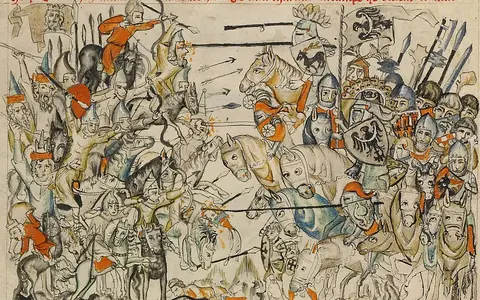
From the mid-12th century the Piast realm was divided among branches of the dynasty, and new enemies found it weak. Its main foes were the Teutonic Knights, invited in 1226 by a Polish duke to fight the pagan Prussians, and the Mongols and Tatars. In 1241 the Mongol invasion swept through the country, and on 9 April Duke Henry II the Pious was killed with much of his army at Legnica, a heroic defeat that became part of national memory. 6
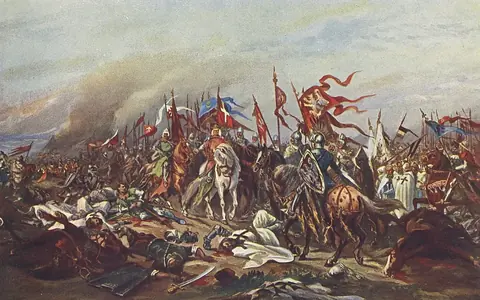
By 1320 Władysław I the Short had reunited enough of the kingdom to be accepted abroad as king of an independent Poland; our article on Płowce (1331) covers his war with the Teutonic Knights. His son Casimir III the Great preferred diplomacy and concessions toward Bohemia and the Knights and expanded to the east instead. The Piast line ended with his death in 1370. 7
The Jagiellonian union and Grunwald
The marriage of Queen Jadwiga of Poland to Jogaila, Grand Duke of Lithuania, who took the name Władysław II Jagiełło, joined the two states against a common enemy, the Teutonic Order. Lithuania accepted Latin Christianity, which removed the Knights' main reason to crusade against it. 8
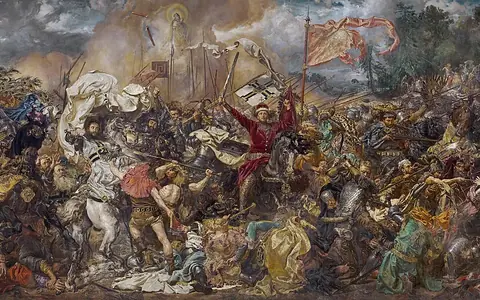
In July 1410 a Polish-Lithuanian army invaded Prussia and met the Order near Grunwald and Tannenberg on 15 July. The king and his Lithuanian grand duke led an army joined, as the chroniclers have it, by Tatar skirmishers and Bohemian soldiers. The Grand Master Ulrich von Jungingen was killed, his charge failed and the Order's army broke. Grunwald was a Polish-Lithuanian victory that halted the Knights' expansion. 9

The victors could not take the Order's stronghold at Marienburg (Malbork). In the peace of 1411 the Knights gave up only Samogitia and the Dobrzyń land and paid a heavy indemnity, but their military power was broken. By the 16th century the Order had been reduced to vassalage, and Poland-Lithuania held its place among the largest states of Europe. 10
The Commonwealth at war, 1569 to 1648
After 1572 the nobles elected their kings, often foreigners. Sigismund III Vasa fought long wars against Muscovy and his native Sweden that at times came close to conquering Muscovy and the Baltic coast. Our guide to the Polish-Swedish War of 1600 to 1629 and our article on Kircholm (1605) cover the Swedish war in Livonia, where the Lithuanian hetman Jan Karol Chodkiewicz commanded; in 1610 Hetman Stanisław Żółkiewski won at Klushino and then entered Moscow, where the boyars accepted Sigismund's son Władysław as tsar. The success did not last. 11
The south brought defeats as well as victories. The Commonwealth suffered an unexpected and crushing defeat at Cecora (Țuțora) in 1620. In 1621 its army withstood a grueling siege by Sultan Osman II at Khotyn (Chocim), and a peace compromise followed. Our articles on Cecora in 1595, Oliwa and Trzciana cover other fights with the Ottomans and Sweden in these decades. 12
The Deluge and the Cossack war, 1648 to 1667
In 1648 a Cossack rising under Bohdan Khmelnytsky began in Ukraine and became a war of the Ukrainian people against the Commonwealth's nobility. Our article on Berestechko (1651) covers its largest battle. The war went on, and when the rebels won Muscovy's intervention, the Pereiaslav agreement of 1654 placed the Cossack Hetmanate under the tsar's protection. Ukrainian and Polish memory of these years differ, and both belong to the story. 13
Muscovy then conquered much of the east, and in 1655 Charles X Gustav of Sweden invaded and overran most of the rest. King John Casimir fled the country. This was the Deluge (Potop). The defense of the Jasna Góra monastery at Częstochowa became its symbol, and under Stefan Czarniecki the Poles and Lithuanians drove the Swedes out by 1657 (our article on the siege of Kolding follows Czarniecki's later campaign in Denmark). The Truce of Andrusovo in 1667 still left Smolensk and Ukraine east of the Dnieper to Muscovy. 14
Sobieski and the relief of Vienna
John III Sobieski won fame against the Ottomans at Khotyn in 1673, and the victory helped carry him to the throne; he was elected king in 1674 and reigned until 1696 (see our biography of Jan III Sobieski). 15
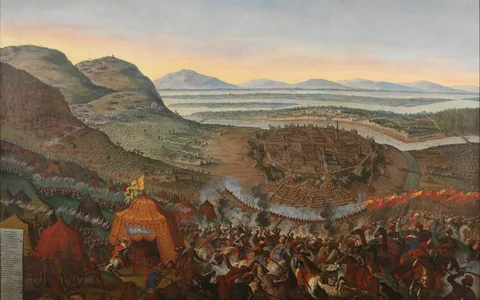
In 1683 he led a relief army to Vienna, then besieged by the Ottomans. The Battle of Vienna on 12 September was a coalition victory: the relief force combined Polish troops with Imperial forces and contingents from Saxony, Franconia, Bavaria and other states, and while Sobieski as the highest-ranking ruler held overall command, sources also describe a joint command with Charles of Lorraine. It was the Commonwealth's last great military triumph, followed by the long war that pushed the Ottomans back, the Great Turkish War. 16
Our separate guide to the wars of the Polish-Lithuanian Commonwealth follows these wars in more detail, and the ranking of the winged hussars' greatest battles picks out the most famous fights of the hussars.
Reform, partitions and Kościuszko, 1764 to 1795
By the 18th century the Commonwealth had become a Russian protectorate in all but name. Our guide to the Great Northern War (1700 to 1721) follows the Swedish, Saxon and Russian armies that fought across it in the first decades of that century. Russia, Prussia and Austria took their first slice of it in 1772. The reformers answered with the Constitution of 3 May 1791, but conservative nobles formed the Confederation of Targowica and called in Russia. Russia invaded, the king went over to Targowica, and Russia and Prussia carried out the Second Partition in 1793; our article on Zieleńce covers a Polish victory in that war of 1792. 17
In 1794 Tadeusz Kościuszko, a veteran of the American Revolution, led a national uprising. His insurgent army, which included peasants, won some early successes, among them Racławice, but fell before superior Russian forces, and in 1795 the Third Partition wiped the Commonwealth from the map. See our biography of Kościuszko. 18

Legions, the Duchy of Warsaw and the uprisings, 1797 to 1864
In 1797 Jan Henryk Dąbrowski raised Polish Legions in Italy, in the service of the Lombard republic allied to France; Józef Wybicki wrote for them the song that became the Polish national anthem. Volunteer legions attached themselves to Bonaparte's armies in the hope of a restored Poland, so these were French wars rather than Polish ones; our articles on the Trebbia in 1799, Somosierra and Tarutino follow Polish troops in Italy, Spain and Russia, and our guide to Napoleon's invasion of Russia covers the campaign of 1812. 19
In 1807 Napoleon created the Duchy of Warsaw from Prussian lands, and in 1809 its army under Prince Józef Poniatowski won back land taken by Austria (our article on Raszyn covers that war). After Napoleon's fall the Congress of Vienna replaced the Duchy with the Congress Kingdom of Poland, tied to the Russian Empire, in 1815. 20
In November 1830 Polish troops in Warsaw rose against Russian rule, and the November Uprising became a Polish-Russian war. After hard fighting, among others at Olszynka Grochowska and Ostrołęka, Russian troops stormed Warsaw in September 1831. The January Uprising of 1863 ended in another defeat, after which the Russian-ruled Polish lands lost their last separate status; our article on Iłża covers one of its fights. 21
Independence and the wars for the borders, 1914 to 1921
In World War I Poles fought in the armies of all three partitioning powers; about 2 million served and some 450,000 died. Józef Piłsudski formed Polish legions on the side of the Central Powers against Russia on the Eastern Front. When those empires collapsed in November 1918, he took control in Warsaw of an independent Poland, absent from the map for 123 years. 22
The eastern frontiers were settled by force. Pilsudski's government wanted Polish rule over western Ukraine, which set it against the Ukrainians as well as Soviet Russia; our articles on Lwów (Lviv) in 1918 and the capture of Ławica cover the fighting of 1918 and 1919, which is also part of Ukrainian and German history. 23
The Polish-Soviet War turned on a Polish and Ukrainian offensive that took much of Ukraine in April 1920 and a Red Army counterattack that drove almost to Warsaw. In mid-August Piłsudski struck from the Wieprz river into the Soviet flank with a strike force under Edward Rydz-Śmigły, helped by a Soviet decision to send forces south toward Lwów. The Battle of Warsaw was followed by the Niemen and the compromise Peace of Riga in 1921. 24
The battle is popularly called the Miracle on the Vistula, but the historian Norman Davies calls it a hard-fought battle, not a miracle, and rejects the later claims that the French General Weygand or Providence won it. Our articles on Zadwórze and Komarów cover the cavalry fighting of that summer, and a separate guide collects the battles that secured independence. 25
How Poland fought in World War II: 1939
Germany invaded Poland on 1 September 1939, after the staged Gleiwitz incident, with about 1.5 million men, 2,750 tanks and 2,315 aircraft; its superiority was overwhelming. Our articles follow the Polish defense at Westerplatte, Mokra, Mława and Wizna. Britain and France declared war on Germany on 3 September but gave no effective help in the field. 26
Our article on the Battle of the Bzura covers the Polish counteroffensive of mid-September. On 17 September the Red Army crossed the eastern border under the secret protocol of the German-Soviet pact (our article: the Soviet invasion of Poland). Warsaw surrendered on 27 or 28 September, depending on the source, and the two invaders partitioned Poland on 29 September; the last operational Polish unit surrendered on 6 October (see the defense of Hel and the Battle of Kock). 27
Occupation, the Holocaust and the Warsaw Uprising
Both occupiers set out to destroy Polish society. In 1940 the Soviet security police murdered thousands of captured Polish officers and members of the intelligentsia, the crime known as the Katyn massacre. Germany made occupied Poland the main killing ground of the Holocaust: the Germans murdered at least 3 million Jewish citizens of Poland, almost the whole Jewish community, and killed an estimated 1.8 to 1.9 million non-Jewish Polish civilians. 28
On 1 August 1944 the Home Army (Armia Krajowa) began the Warsaw Uprising, meaning to free the city before the Red Army, then on the east bank of the Vistula, entered it. Soviet forces did not intervene; historians still debate why. After 63 days the insurgents capitulated on 2 October, and German troops destroyed most of the city during and after the fighting. The Rising remains significant but controversial in Polish memory. 29
Polish forces in the West and the East
Poland's armed forces fought on in exile under the government in London. The Highland Brigade fought at Narvik in 1940, Polish pilots flew in the Battle of Britain, and the Carpathian Brigade held Tobruk in 1941. General Władysław Anders, freed from a Soviet prison, formed an army in the Soviet Union that left for the Middle East and became the Polish II Corps. 30
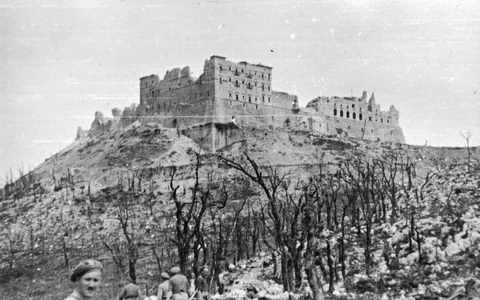
At Monte Cassino in May 1944 the II Corps made the fourth Allied attempt on the abbey after Indian and New Zealand units had failed; its renewed assault took the ruins on 18 May. The corps lost 860 dead and 2,822 wounded there and went on to Ancona and Bologna. In Normandy General Stanisław Maczek's 1st Armoured Division helped close the pocket at Falaise, and Stanisław Sosabowski's paratroopers dropped in Operation Market Garden. 31

Our article on the Seelow Heights covers the Polish units that fought alongside the Red Army in 1945.
After 1945
Poland came out of the war as a communist state in the Soviet sphere, its borders moved west: the Allies gave it German lands up to the Oder and Neisse rivers, while about 3 million Poles were moved from the eastern lands annexed by the Soviet Union. Germany lost these eastern territories, from which millions of Germans were expelled. 32
Polish commanders
The Commonwealth's hetmans included Jan Karol Chodkiewicz, the Lithuanian who commanded at Kircholm and Khotyn, Stanisław Żółkiewski of Klushino, Stanisław Koniecpolski and Stefan Czarniecki; its warrior kings were Stefan Batory and Jan III Sobieski. In the partition era Tadeusz Kościuszko and Józef Poniatowski led armies, and in the 20th century Józef Piłsudski, Władysław Anders, Stanisław Maczek and Stanisław Sosabowski. Our guide to the greatest Polish commanders ranks them. 33
Poland's battles, era by era: all 57
Every battle we have written up in which the Kingdom of Poland, the Polish-Lithuanian Commonwealth, the Duchy of Warsaw, the Polish insurgents or the Polish Republic took part, in date order. For a short ranking, see the greatest Polish battles; to test yourself, take the Polish battles quiz.
The Middle Ages 476 to 1500 · 3
- 1241Battle of Legnica, 1241Mongol Empire vs Poland and allies
How a Mongol army crushed Henry the Pious at Legnica in 1241, the furthest west the Mongols won in Europe.
- 1331The Battle of Płowce, 1331Kingdom of Poland vs Teutonic Order
King Władysław the Elbow-high caught part of the Teutonic army on the march.
- 1410The Battle of Grunwald (Tannenberg), 1410Kingdom of Poland and Lithuania vs Teutonic Order
One of medieval Europe's largest battles. How a Polish-Lithuanian alliance shattered the Teutonic Knights, and why the Grand Master lay dead by evening.
The early modern era 1492 to 1789 · 17
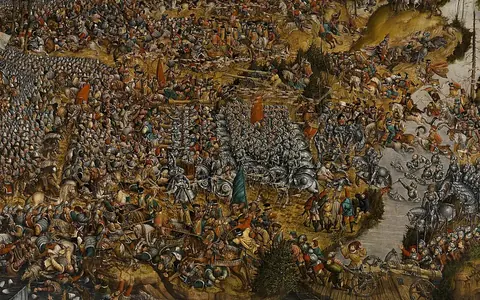
- 1514The Battle of Orsha, 1514Poland and Lithuania vs Grand Duchy of Moscow
A false retreat and hidden guns: Ostrogski's great victory on the Dnieper.
- 1531The Battle of Obertyn, 1531Kingdom of Poland vs Moldavia
Outnumbered three to one, Tarnowski built a fortress of wagons.
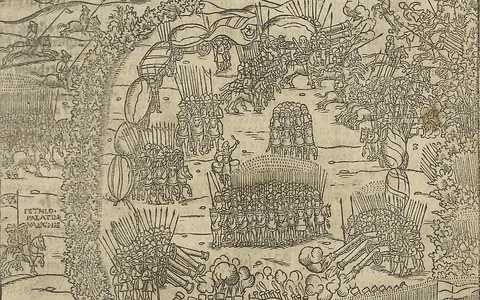
- 1595Battle of Cecora, 1595Polish-Lithuanian Commonwealth vs Crimean Khanate and Ottoman troops
In October 1595 Jan Zamoyski's army held a fortified camp on the Prut against the Crimean khan, and the khan agreed to recognize Poland's candidate as ruler of Moldavia.
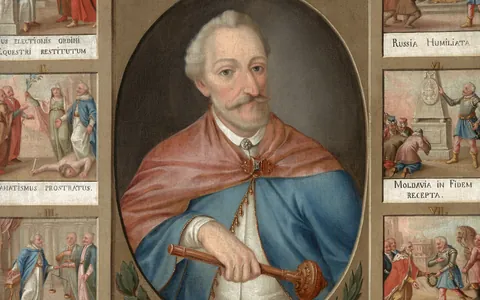
- 1605Battle of Kircholm, 1605Polish-Lithuanian Commonwealth vs Sweden
How ~3,600 Polish-Lithuanian troops and their winged hussars annihilated a Swedish army three times their size at Kircholm in 1605.
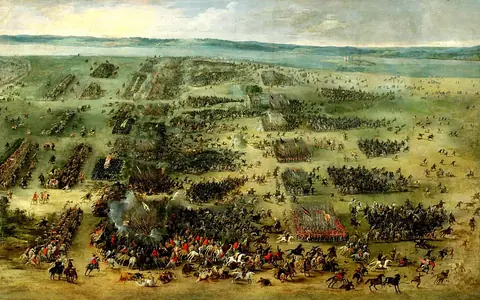
- 1610Battle of Klushino, 1610Polish-Lithuanian Commonwealth vs Tsardom of Russia
How the outnumbered winged hussars won at Klushino in 1610 and opened the road to Moscow.
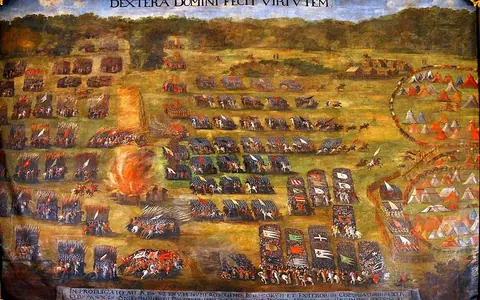
- 1619Battle of Humenné, 1619Lisowczycy (Polish light horse in Habsburg service) vs Transylvania
In November 1619 Polish Lisowczyk horsemen routed Rákóczi's Transylvanians near Humenné, and Bethlen lifted his siege of Vienna: the first relief of Vienna.
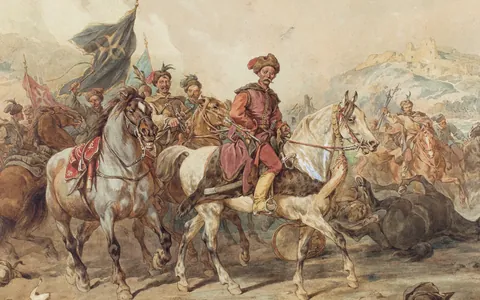
- 1621Battle of Khotyn, 1621Polish-Lithuanian Commonwealth and Cossacks vs Ottoman Empire
How a Polish-Lithuanian and Cossack army held Khotyn in 1621 against Sultan Osman II, and how the failure cost him his throne.
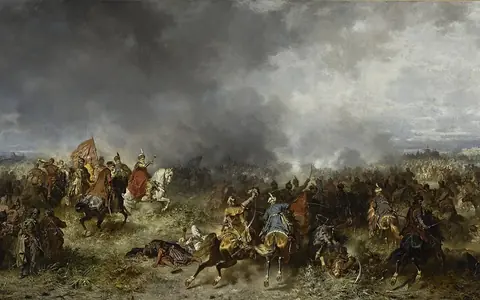
- 1627The Battle of Oliwa, 1627Polish-Lithuanian Commonwealth vs Sweden
The Commonwealth's small navy breaks the Swedish blockade of Gdańsk.
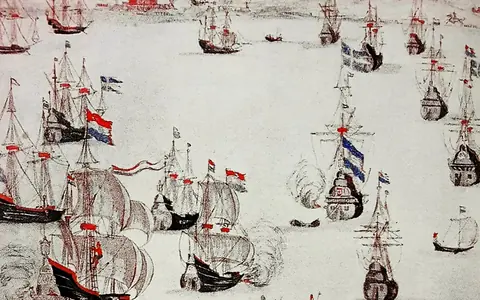
- 1629The Battle of Trzciana, 1629Polish-Lithuanian Commonwealth and the Holy Roman Empire vs Sweden
The day the hussars almost captured the Swedish king.
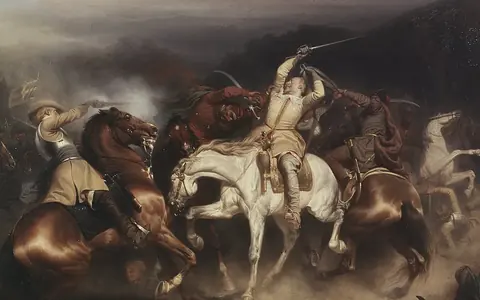
- 1644Battle of Okhmativ, 1644Polish-Lithuanian Commonwealth vs Crimean Khanate
On 30 January 1644 Hetman Koniecpolski and Prince Wiśniowiecki routed Tuhaj Bey's Tatar raid at Okhmativ, before it could plunder the Commonwealth.
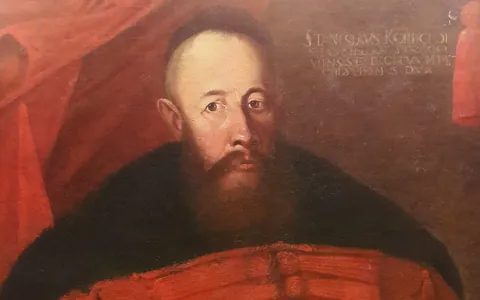
- 1651The Battle of Berestechko, 1651Polish-Lithuanian Commonwealth vs Zaporozhian Cossacks and Crimean Khanate
King John II Casimir against Khmelnytsky and the Crimean khan.
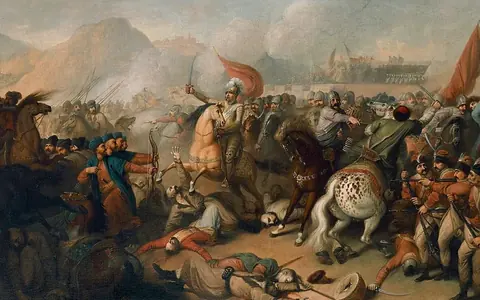
- 1655The Siege of Jasna Góra, 1655Polish-Lithuanian Commonwealth (garrison of Jasna Góra) vs Sweden
A small garrison of monks and soldiers turned back the Swedes.
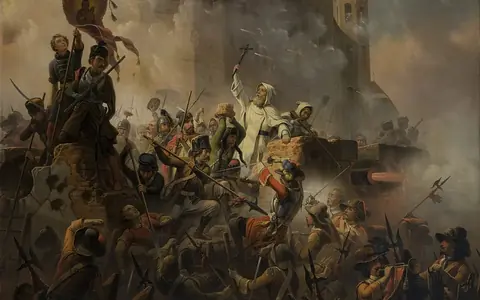
- 1657Battle of Czarny Ostrów, 1657Polish-Lithuanian Commonwealth vs Principality of Transylvania and allies
On 20 July 1657 Polish armies caught George II Rákóczi of Transylvania at Czarny Ostrów in Podolia and forced him to capitulate and leave Poland.
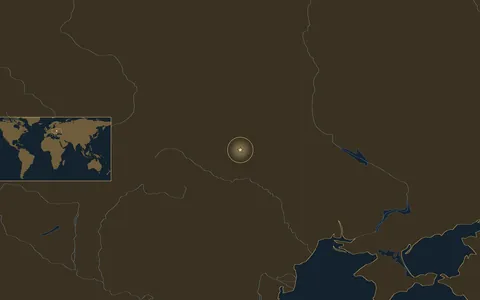
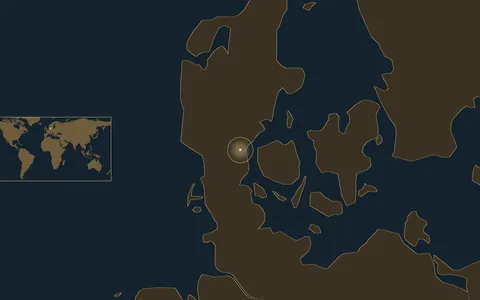
- 1658Siege of Kolding, 1658Polish-Lithuanian Commonwealth (allied with Denmark) vs Sweden
At Christmas 1658 Czarniecki's Polish cavalry, sent to help Denmark against Sweden, stormed the Swedish-held castle of Kolding at the third attempt.
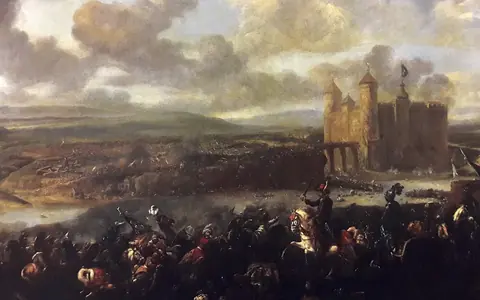
- 1673The Battle of Khotyn, 1673Polish-Lithuanian Commonwealth vs Ottoman Empire
After a freezing night, the hussars rode through the breach.
- 1683The Siege of Vienna, 1683Poland, Holy Roman Empire and German states vs Ottoman Empire
A starving city, then the winged hussars came down the mountain. The day the Ottoman advance into Europe turned.
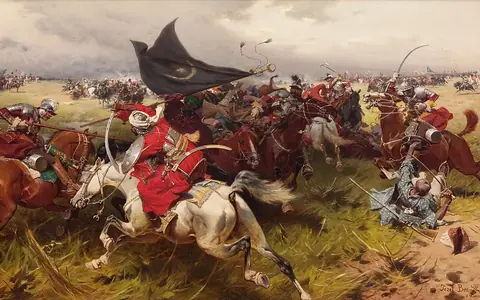
- 1694The Battle of Hodów, 1694Polish-Lithuanian Commonwealth vs Budjak Horde (Tatars)
About 400 Polish cavalrymen hold a village against a vast Tatar army.
The Napoleonic era 1789 to 1815 · 9
- 1792The Battle of Zieleńce, 1792Polish-Lithuanian Commonwealth vs Russian Empire
The battle that gave birth to Poland's highest military order.
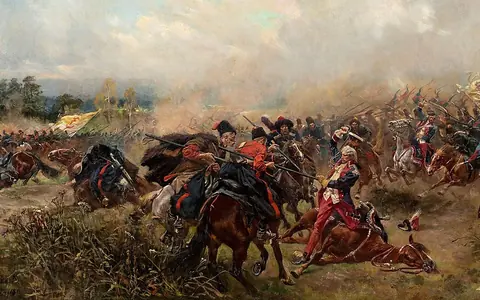
- 1794The Battle of Racławice, 1794Polish-Lithuanian Commonwealth (Kościuszko Uprising) vs Russian Empire
Peasants with scythes stormed the Russian guns.
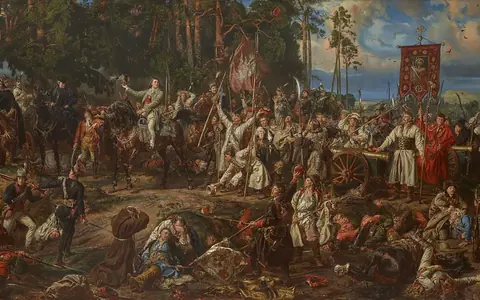
- 1794Battle of Kobyłka, 1794Polish-Lithuanian insurgents vs Russian Empire
On 26 October 1794 Suvorov's Russians caught the Lithuanian corps retreating to Warsaw at Kobyłka. The last battle of the Kościuszko Uprising before the storming of Praga.
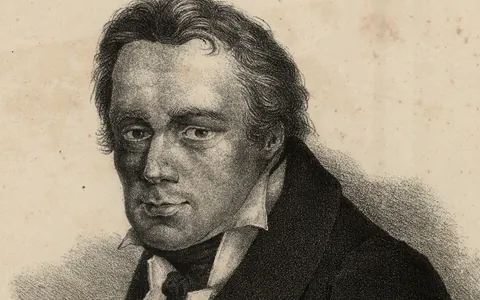
- 1799Battle of the Trebbia, 1799Russian Empire and Habsburg Monarchy vs French Republic and the Polish Legion
From 17 to 19 June 1799 Suvorov's Russians and Austrians beat Macdonald's French on the Trebbia, and Dąbrowski's Polish Legion was nearly destroyed.
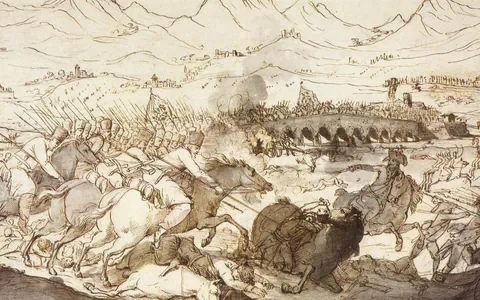
- 1808Battle of Somosierra, 1808French Empire (Polish light horse) vs Kingdom of Spain
How Napoleon's Polish light horse charged the guns at Somosierra in 1808 and opened the road to Madrid.
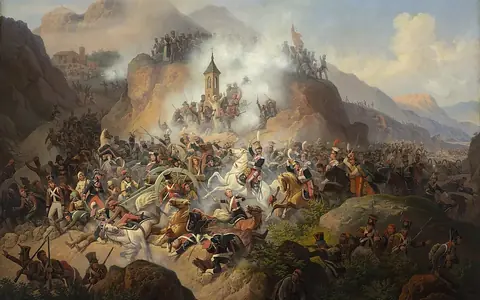
- 1809The Battle of Raszyn, 1809Duchy of Warsaw (with Saxon troops) vs Austrian Empire
The Duchy of Warsaw's army stood its ground against a far larger enemy.
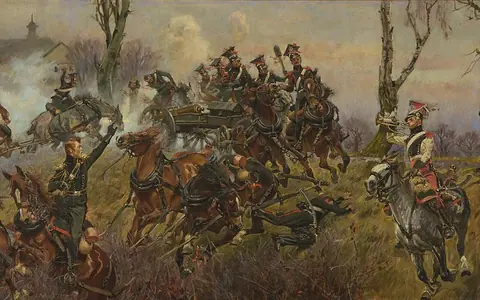
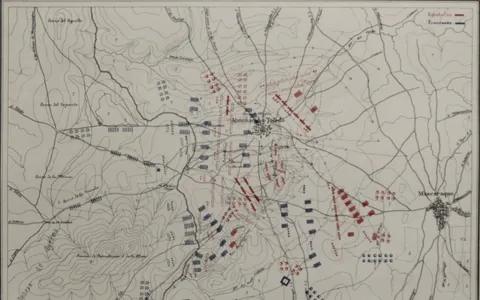
- 1809Battle of Almonacid, 1809French Empire and the Duchy of Warsaw vs Kingdom of Spain (Army of La Mancha)
On 11 August 1809 Sébastiani's corps, with the Polish Division taking the key hill, broke Venegas's Spanish Army of La Mancha at Almonacid south of Toledo.
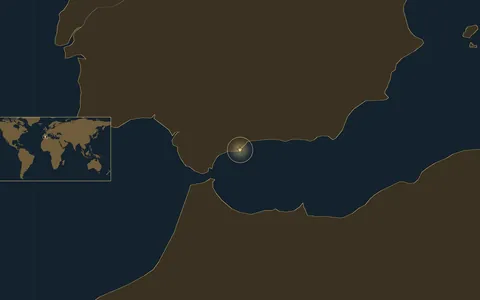
- 1810Battle of Fuengirola, 1810Duchy of Warsaw and France vs Britain and Spain
In October 1810 a Polish garrison in Sohail Castle beat off an Anglo-Spanish landing on the Spanish coast and captured its commander, Lord Blayney.
- 1812Battle of Tarutino, 1812Russian Empire vs France and the Duchy of Warsaw
On 18 October 1812 Kutuzov's army surprised Murat's vanguard at Tarutino, south of Moscow. Murat escaped, but the next day Napoleon began his retreat from the city.
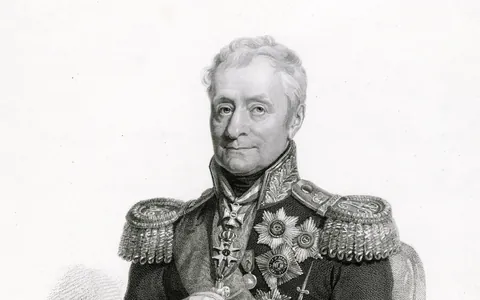
The industrial age 1815 to 1914 · 6
- 1831The Battle of Stoczek, 1831Kingdom of Poland (November Uprising) vs Russian Empire
The uprising's first victory in the field.
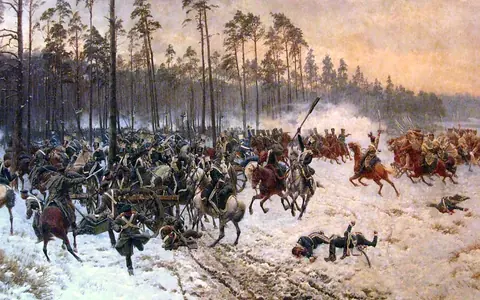
- 1831The Battle of Olszynka Grochowska, 1831Kingdom of Poland (November Uprising) vs Russian Empire
The Polish army stopped the Russians at the gates of Warsaw.
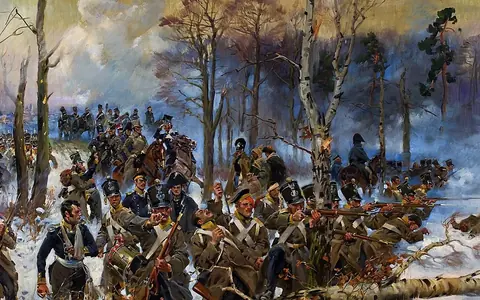
- 1831The Battle of Ostrołęka, 1831Kingdom of Poland (November Uprising) vs Russian Empire
One of the bloodiest battles of the November Uprising.
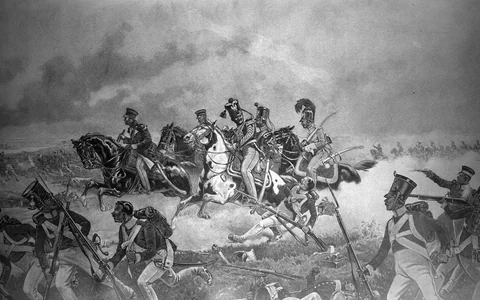
- 1831Battle of Rajgród, 1831Polish insurgent army vs Russian Empire
Three days after Ostrołęka, Giełgud's Polish corps caught Osten-Sacken's Russians near Rajgród, took the town after four hours and opened the road to Lithuania.
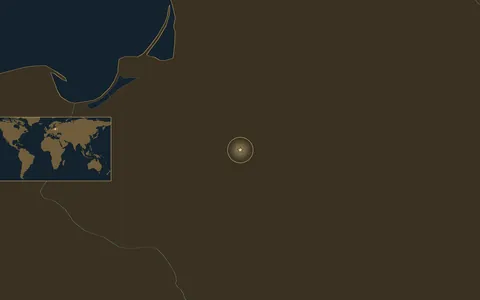
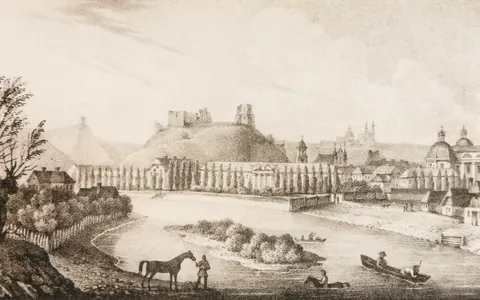
- 1831Battle of Paneriai, 1831Polish and Lithuanian insurgents vs Russian Empire
On 19 June 1831 Giełgud's Polish and Lithuanian insurgents attacked the Russian lines on the Paneriai hills outside Vilnius and were thrown back after four hours.
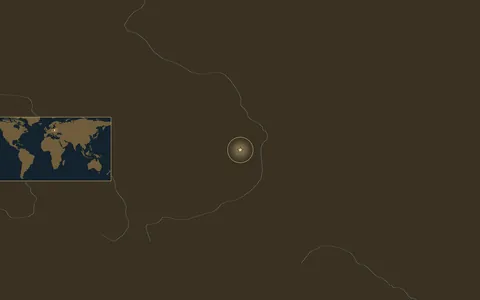
- 1864Battle of Iłża, 1864Polish insurgents (3rd Stopnica Infantry Regiment) vs Russian Empire
On 17 January 1864 Karol Kalita Rębajło's insurgents ambushed a Russian column in deep frost near Iłża and fought their way into the town, a rare late win of the January Uprising.
World War I 1914 to 1919 · 1
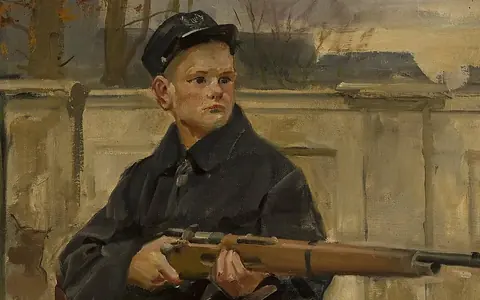
- 1918The Defence of Lwów, 1918Poland vs West Ukrainian People's Republic
Schoolboys and students held the city for three weeks.
World War II 1939 to 1945 · 16
- 1939Battle of Wizna, 1939Poland vs Nazi Germany
How a few hundred Poles held Wizna for three days against a German corps in 1939, the Polish Thermopylae.
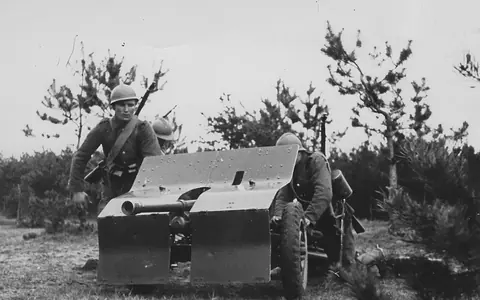
- 1939The Defence of Hel, 1939Poland vs Germany
Cut off on a Baltic sandbar, the garrison held for 32 days.
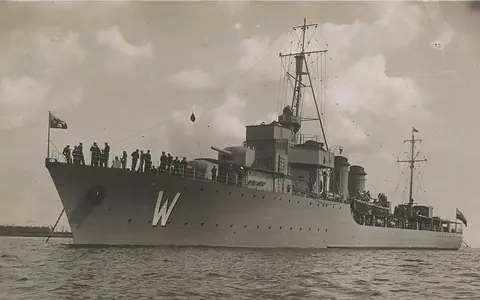
- 1939The Battle of Mokra, 1939Poland vs Germany
On the first day of the war, a cavalry brigade held off a panzer division.
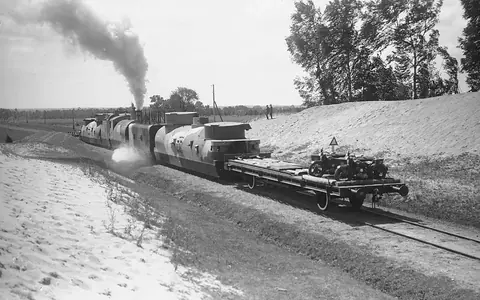
- 1939
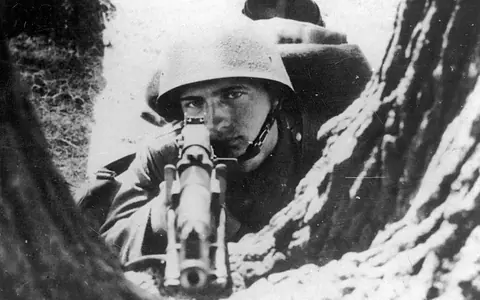
- 1939The Battle of Westerplatte, 1939Poland vs Nazi Germany
Told to hold for twelve hours, Westerplatte held for seven days.
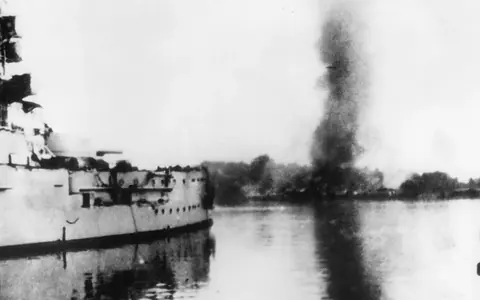
- 1939Battle of Kałuszyn, 1939Poland vs Nazi Germany
How the Iron Division retook Kałuszyn east of Warsaw in a night attack, and the famous, contested uhlan charge of 1939.
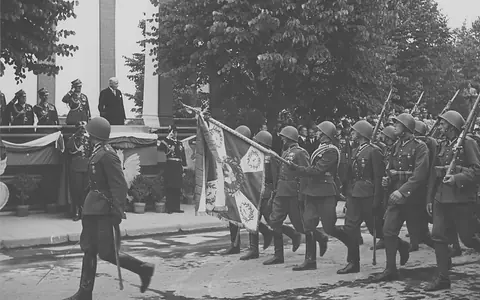
- 1939Soviet invasion of Poland, 1939Soviet Union vs Poland
On 17 September 1939, with Poland still fighting Germany, the Red Army crossed the eastern border under the secret Nazi-Soviet protocol. The invasion, the resistance and the cost.
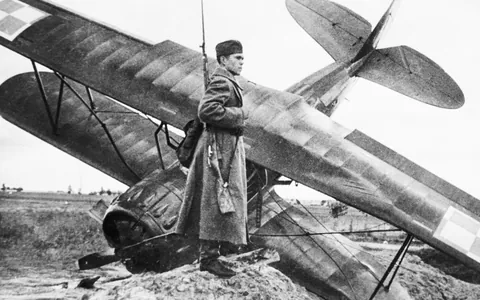
- 1939The Battle of the Bzura, 1939Poland vs Nazi Germany
The largest battle of September 1939, and Poland's great counterstroke.
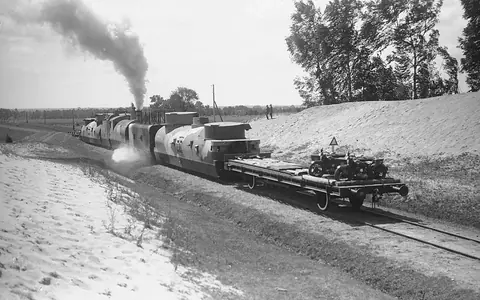
- 1939The Battle of Kock, 1939Poland vs Germany
Undefeated in the field, General Kleeberg ran out of ammunition.
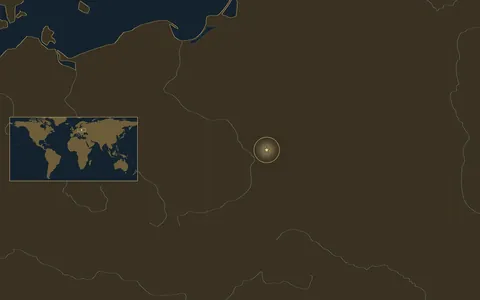
- 1940The Battle of Narvik, 1940Norway, Britain, France and Poland vs Germany
Polish mountain troops among the fjords of northern Norway.
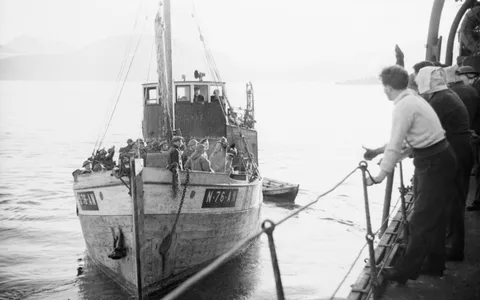
- 1941The Siege of Tobruk, 1941Allies (Australia, Britain, Poland, Czechoslovakia and others) vs Germany and Italy
The Carpathian Brigade holds the hardest sectors of the desert fortress.
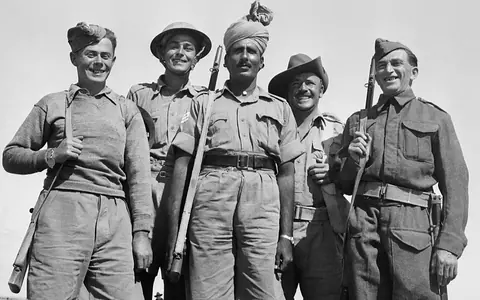
- 1944Battle of Monte Cassino, 1944Allies (incl. Polish II Corps) vs Nazi Germany
How four battles, the last won by the Polish II Corps, took Monte Cassino in 1944 and opened the road to Rome.
- 1944The Warsaw Uprising, 1944Poland vs Germany
Warsaw rose against the German occupation and fought alone for 63 days.
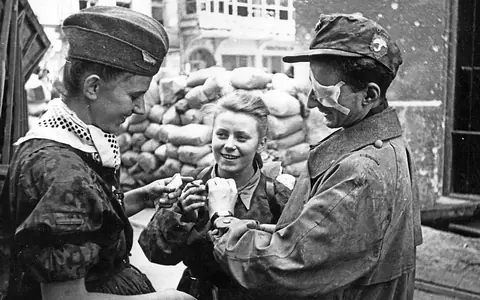
- 1944The Battle of Falaise, 1944Allies (USA, Britain, Canada, Poland, Free France) vs Germany
The Polish armored division corked the Falaise Pocket.
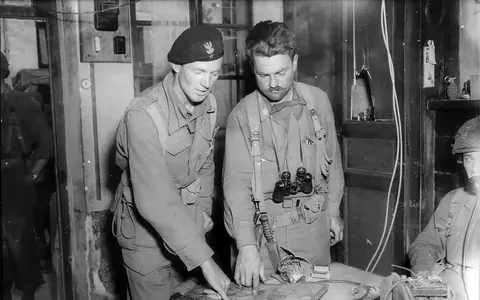
- 1944Operation Market GardenAllies (Britain, US, Poland) vs Germany
The Allied airborne gamble of September 1944, a chain of Dutch bridges, and the bridge too far at Arnhem where the plan came apart.
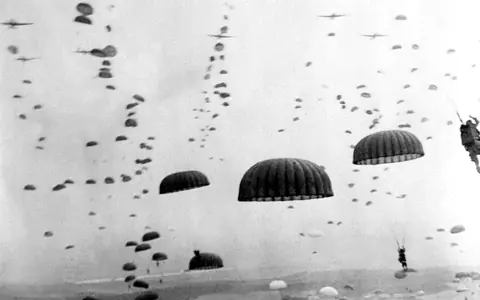
- 1945Battle of the Seelow Heights, 1945Soviet Union and Poland vs Germany
On 16 April 1945 Zhukov's armies attacked the Seelow Heights, the last ridge before Berlin. Searchlights blinded the wrong side, and the breakthrough took four bloody days.
Other 5
- 1919Battle of Ławica, 1919Greater Poland insurgents vs German Empire
On 6 January 1919 Greater Poland insurgents cut the power, fired four shells and took the German air station at Poznań in about twenty minutes. The prize was the start of Poland's air force.
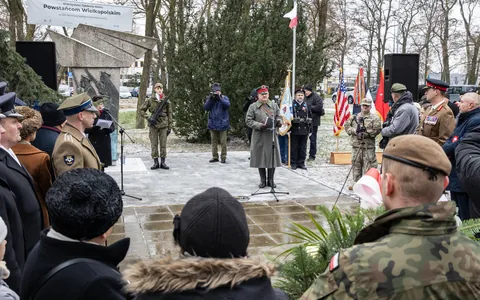
- 1920The Battle of Zadwórze, 1920Poland vs Soviet Russia
Young Lwów volunteers stood in the path of Budyonny's cavalry.
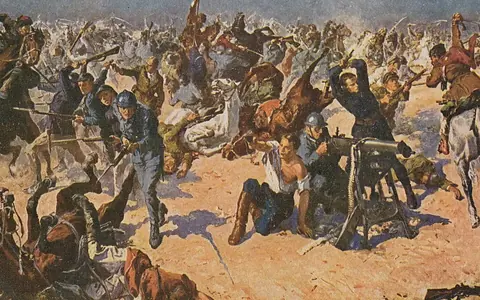
- 1920Battle of Warsaw, 1920Poland vs Soviet Russia
How Poland shattered the advancing Red Army at the gates of Warsaw in 1920, the Miracle on the Vistula.
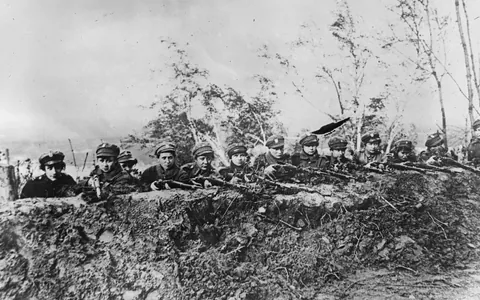
- 1920
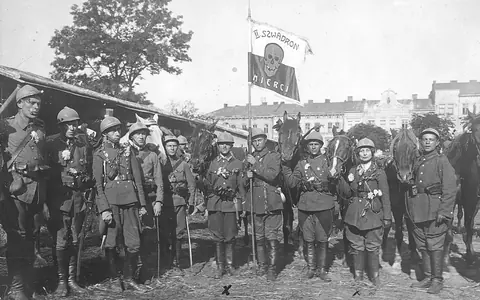
- 1920Battle of the Niemen, 1920Second Polish Republic vs Soviet Russia
In September 1920 Piłsudski's armies broke Tukhachevsky's new front on the Niemen at Grodno and Lida, taking tens of thousands of prisoners and ending the war.
Timeline
- 966Mieszko I is baptized; Polish statehood is dated from here.34
- 1241Henry II the Pious is killed fighting the Mongols (Battle of Legnica).35
- 1385Union of Krewo: Jadwiga marries Jogaila of Lithuania.36
- 1410A Polish-Lithuanian army defeats the Teutonic Order (Battle of Grunwald).37
- 1569Union of Lublin creates the Polish-Lithuanian Commonwealth.38
- 1610
- 1655Sweden invades: the Deluge.40
- 1683A coalition army under Sobieski relieves Vienna (Battle of Vienna).41
- 1795Third Partition: the Commonwealth disappears from the map.42
- 1807Napoleon creates the Duchy of Warsaw.43
- 1830The November Uprising breaks out in Warsaw.44
- 1918Poland regains independence in November.45
- 1920Polish victory over the Red Army (Battle of Warsaw).46
- 1939Germany invades on 1 September, the Soviet Union on 17 September.47
- 1944Monte Cassino falls on 18 May; the Warsaw Uprising lasts 63 days.48
Memory and further reading
Grunwald has been ranked ever since among the most important battles in Polish history. The date of the Soviet invasion, 17 September 1939, is deeply anchored in Polish memory and is remembered by Polish communities abroad as well. 49
For more, read Polish victories against the odds, the Polish heroes of the American Revolution and the battles that won Polish independence, and compare the neighbors' stories in the Germany and France hubs.
Notes
A number in the text points to a note; each note names the works that paragraph draws on, listed in full under Sources.
- Library of Congress, Poland; Encyclopaedia Britannica, “Partitions of Poland”; Library of Congress, Poland. ↩
- Library of Congress, Poland; Encyclopaedia Britannica, “Poland”. ↩
- Institute of National Remembrance, “A Guide to the History of Poland”; Library of Congress, Poland. ↩
- Encyclopaedia Britannica, “Poland”; Library of Congress, Poland. ↩
- Encyclopaedia Britannica, “Partitions of Poland”; Library of Congress, Poland; Library of Congress, Poland; Library of Congress, Poland; Library of Congress, Poland. ↩
- Library of Congress, Poland; Britannica, “Poland”; Polskie Radio, “Hundreds reenact 1241 Battle of Legnica in southwestern Poland”. ↩
- Library of Congress, Poland; Britannica, “Poland”. ↩
- Library of Congress, Poland; Britannica, “Poland”; History Today, “The Battle of Grunwald”. ↩
- History Today, “The Battle of Grunwald”; Library of Congress, Poland; De Re Militari, “Jan Długosz”. ↩
- Encyclopaedia Britannica, “Teutonic Order”; History Today, “The Battle of Grunwald”; Library of Congress, Poland. ↩
- Library of Congress, Poland; Encyclopaedia Britannica, “Poland”; Polish History Museum, “Stanisław Żółkiewski”; Britannica, “Poland”. ↩
- Encyclopaedia Britannica, “Poland”; Polish History Museum, “The Battle of Khotyn (Chocim): defeat, victory, and regicide”. ↩
- Internet Encyclopedia of Ukraine, “Cossack-Polish War”; Library of Congress, Poland. ↩
- Library of Congress, Poland; Zintegrowana Platforma Edukacyjna, “Swedish Deluge”; Encyclopaedia Britannica, “Polish-Lithuanian Commonwealth”. ↩
- Encyclopaedia Britannica, “John III Sobieski”; Library of Congress, Poland. ↩
- Encyclopaedia Britannica, “John III Sobieski”; HistoryNet, “Turning the Ottoman Tide”; Library of Congress, Poland. ↩
- Library of Congress, Poland; Library of Congress, Poland; Encyclopaedia Britannica, “Partitions of Poland”. ↩
- Library of Congress, Poland; Encyclopaedia Britannica, “Partitions of Poland”; Britannica, “Poland”. ↩
- Zintegrowana Platforma Edukacyjna, “Legiony Polskie we Włoszech”; Library of Congress, Poland. ↩
- Library of Congress, Poland; Encyclopaedia Britannica, “Partitions of Poland”. ↩
- Library of Congress, Poland; EBSCO Research Starters, “First Polish Rebellion”; Britannica, “Poland”. ↩
- Library of Congress, Poland; The Sejm of the Republic of Poland, “The Battle of Warsaw 1920, part I”. ↩
- Library of Congress, Poland; EBSCO Research Starters, “Battle of Warsaw”. ↩
- EBSCO Research Starters, “Battle of Warsaw”; Library of Congress, Poland; Notes from Poland, “Norman Davies”. ↩
- Notes from Poland, “Norman Davies”; EBSCO Research Starters, “Battle of Warsaw”. ↩
- United States Holocaust Memorial Museum, “Invasion of Poland, Fall 1939”; The National WWII Museum, “The Invasion of Poland”; Library of Congress, Poland. ↩
- United States Holocaust Memorial Museum, “Invasion of Poland, Fall 1939”; World History Encyclopedia, “The Invasion of Poland in 1939”; Museum Berlin-Karlshorst, “In the shadow of the Pact”; Library of Congress, Poland; Polish Museum of America, “September 17, 1939”. ↩
- Library of Congress, Poland; U.S. National Archives, “Records Relating to the Katyn Forest Massacre at the National Archives”; United States Holocaust Memorial Museum, “Polish Victims”; The Holocaust Explained, “Poland (occupation case study)”. ↩
- United States Holocaust Memorial Museum, “The Warsaw Polish Uprising”; Arolsen Archives, “80 years since the Warsaw Uprising”; Museum of Warsaw, “The Warsaw Uprising of 1944”. ↩
- Janusz Kurtyka Foundation, “Polish Armed Forces in the West in 1939 to 1947”; Library of Congress, Poland. ↩
- 2korpus.org, “The Polish 2nd Corps in Italy”; Polska Zbrojna, “The Exceptional Polish II Corps”; Museum of the Polish Second Corps, “Monte Cassino, Ancona, Bologna”; Janusz Kurtyka Foundation, “Polish Armed Forces in the West in 1939 to 1947”. ↩
- Library of Congress, Poland; Deutschlandmuseum Berlin, “The Occupation Zones and Division of Germany”. ↩
- Encyclopaedia Britannica, “Poland”; Polish History Museum, “Stanisław Żółkiewski”; Encyclopaedia Britannica, “John III Sobieski”; Library of Congress, Poland; Library of Congress, Poland; Library of Congress, Poland; Janusz Kurtyka Foundation, “Polish Armed Forces in the West in 1939 to 1947”. ↩
- Institute of National Remembrance, “A Guide to the History of Poland”; Britannica, “Poland”. ↩
- Polskie Radio, “Hundreds reenact 1241 Battle of Legnica in southwestern Poland”; Library of Congress, Poland. ↩
- Library of Congress, Poland; Britannica, “Poland”. ↩
- History Today, “The Battle of Grunwald”; Library of Congress, Poland. ↩
- Institute of National Remembrance, “A Guide to the History of Poland”; Encyclopaedia Britannica, “Poland”. ↩
- Encyclopaedia Britannica, “Poland”; Polish History Museum, “Stanisław Żółkiewski”. ↩
- Library of Congress, Poland; Zintegrowana Platforma Edukacyjna, “Swedish Deluge”. ↩
- Encyclopaedia Britannica, “John III Sobieski”; HistoryNet, “Turning the Ottoman Tide”. ↩
- Library of Congress, Poland; Encyclopaedia Britannica, “Partitions of Poland”. ↩
- Library of Congress, Poland; Encyclopaedia Britannica, “Partitions of Poland”. ↩
- Library of Congress, Poland; EBSCO Research Starters, “First Polish Rebellion”. ↩
- Library of Congress, Poland; The Sejm of the Republic of Poland, “The Battle of Warsaw 1920, part I”. ↩
- EBSCO Research Starters, “Battle of Warsaw”; Notes from Poland, “Norman Davies”. ↩
- United States Holocaust Memorial Museum, “Invasion of Poland, Fall 1939”; Museum Berlin-Karlshorst, “In the shadow of the Pact”. ↩
- Polska Zbrojna, “The Exceptional Polish II Corps”; United States Holocaust Memorial Museum, “The Warsaw Polish Uprising”. ↩
- History Today, “The Battle of Grunwald”; Museum Berlin-Karlshorst, “In the shadow of the Pact”; Polish Museum of America, “September 17, 1939”. ↩
Sources
- Library of Congress, Federal Research Division, Poland: A Country Study, “The Jagiellon Era”.
- Encyclopaedia Britannica, “Partitions of Poland”.
- Library of Congress, Federal Research Division, Poland: A Country Study, “World War II”.
- Library of Congress, Federal Research Division, Poland: A Country Study, “The Partitions”.
- Encyclopaedia Britannica, “Poland: The Commonwealth”.
- Institute of National Remembrance (IPN), “A Guide to the History of Poland: 1050 Years, 966 to 2016”.
- Library of Congress, Federal Research Division, Poland: A Country Study, “The Golden Age”.
- Library of Congress, Federal Research Division, Poland: A Country Study, “Partitioned Poland”.
- Library of Congress, Federal Research Division, Poland: A Country Study, “Independence Won and Lost, 1914-45”.
- Library of Congress, Federal Research Division, Poland: A Country Study, “The Polish People's Republic”.
- Library of Congress, Federal Research Division, Poland: A Country Study, “Fragmentation and Invasion, 1025-1320”.
- Britannica (Britannica Students), “Poland”.
- Polskie Radio, English Section, “Hundreds reenact 1241 Battle of Legnica in southwestern Poland”.
- History Today, “The Battle of Grunwald”.
- De Re Militari (Society for Medieval Military History), “Jan Długosz: The Battle of Tannenberg or Grunwald, 1410”.
- Encyclopaedia Britannica, “Teutonic Order”.
- Library of Congress, Federal Research Division, Poland: A Country Study, “The Elective Monarchy”.
- Polish History Museum (polishhistory.pl), “Stanisław Żółkiewski: between military service and private interests”.
- Polish History Museum (polishhistory.pl), “The Battle of Khotyn (Chocim): defeat, victory, and regicide”.
- Internet Encyclopedia of Ukraine (Canadian Institute of Ukrainian Studies), “Cossack-Polish War”.
- Library of Congress, Federal Research Division, Poland: A Country Study, “The Deluge, 1648-67”.
- Zintegrowana Platforma Edukacyjna (Polish Ministry of Education), “Swedish Deluge”.
- Encyclopaedia Britannica, “Polish-Lithuanian Commonwealth”.
- Encyclopaedia Britannica, “John III Sobieski”.
- Library of Congress, Federal Research Division, Poland: A Country Study, “Decay of the Commonwealth”.
- HistoryNet, “Turning the Ottoman Tide: John III Sobieski at Vienna, 1683”.
- Zintegrowana Platforma Edukacyjna (Polish Ministry of Education), “Legiony Polskie we Włoszech”.
- EBSCO Research Starters, “First Polish Rebellion”.
- The Sejm of the Republic of Poland, on Google Arts & Culture, “The Battle of Warsaw 1920, part I”.
- Library of Congress, Federal Research Division, Poland: A Country Study, “Interwar Poland”.
- EBSCO Research Starters, “Battle of Warsaw”.
- Notes from Poland (Norman Davies), “Norman Davies: the Battle of Warsaw, one hundred years on”.
- United States Holocaust Memorial Museum, “Invasion of Poland, Fall 1939”.
- The National WWII Museum, “The Invasion of Poland”.
- World History Encyclopedia, “The Invasion of Poland in 1939”.
- Museum Berlin-Karlshorst, “In the shadow of the Pact: the Soviet invasion of Poland in 1939”.
- Polish Museum of America, “September 17, 1939”.
- U.S. National Archives, “Records Relating to the Katyn Forest Massacre at the National Archives”.
- United States Holocaust Memorial Museum, “Polish Victims”.
- The Holocaust Explained (Wiener Holocaust Library), “Poland (occupation case study)”.
- United States Holocaust Memorial Museum, “The Warsaw Polish Uprising”.
- Arolsen Archives, “80 years since the Warsaw Uprising”.
- Museum of Warsaw, “The Warsaw Uprising of 1944”.
- Janusz Kurtyka Foundation, “Polish Armed Forces in the West in 1939 to 1947”.
- 2korpus.org (Polish 2nd Corps history project), “The Polish 2nd Corps in Italy: a brief introduction”.
- Polska Zbrojna (Polish Ministry of National Defence), “The Exceptional Polish II Corps”.
- Museum of the Polish Second Corps, “Monte Cassino, Ancona, Bologna”.
- Deutschlandmuseum Berlin, “The Occupation Zones and Division of Germany”.






