

What is the military history of France?
It is the story of the Frankish kingdoms, the Kingdom of France and the republics and empires that followed, from Tours in 732 to the end of empire after 1945: the wars with the Kingdom of England, Italy and the Wars of Religion, Louis XIV, the Revolution and Napoleon, 1870, the two world wars, Indochina and Algeria.1
This page follows the wars of France era by era, links each period to the battles we have written up, and treats defeats as plainly as victories.
What France means here
France did not exist in antiquity. The land was Gaul, home to many Celtic-speaking tribes, and Julius Caesar conquered it for Rome between 58 and 50 BC. The Gauls were not the French; their wars against Rome, above all the siege of Alesia that ended the revolt of Vercingetorix in 52 BC, appear here as the earlier history of the land.2
The French state grew out of the Frankish kingdoms that replaced Roman rule in Gaul. When the Carolingian empire was divided by the Treaty of Verdun in 843, its western part, West Francia, became the Kingdom of France. From 987 it was ruled by the Capetians and their later branches, the Valois and the Bourbons; after the Revolution came republics, two empires, the Vichy regime and Free France.3
The Duchy of Normandy needs a note of its own. It was created in 911, when King Charles the Simple granted land on the lower Seine to the Viking leader Rollo, and its dukes held it as a fief of the French crown. Duke William's conquest of England in 1066 was the duke's own enterprise, fought by Normans, Bretons and other French contingents, not a campaign of the king of France.4
This hub follows the French state and its predecessors, including coalition battles where French troops were one partner among several and colonial wars, where the other side is named too.

Gaul, the Franks and the early Middle Ages
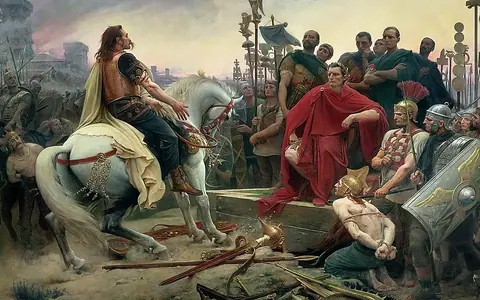
In 52 BC Vercingetorix, a chief of the Arverni, united much of Gaul against Rome. Caesar shut him up in Alesia, surrounded the town with siege lines facing both inward and outward, and drove off a large Gallic relief army. Vercingetorix surrendered and was later put to death in Rome (see the Battle of Alesia).5
Clovis, king of the Salian Franks, defeated the last Roman ruler in northern Gaul in 486, beat the Visigoths at Vouillé in 507 and accepted Catholic baptism. By his death in 511 most of Gaul was under Frankish rule.6
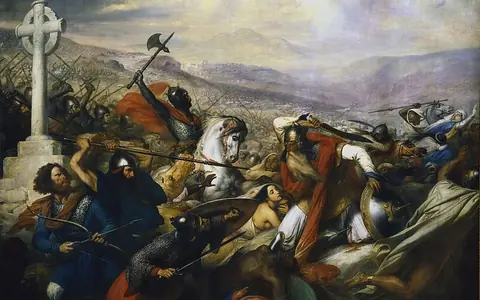
In October 732 Charles Martel, mayor of the palace and the real power in the Frankish kingdom, met an army sent north from al-Andalus by its governor, Abd al-Rahman al-Ghafiqi, between Poitiers and Tours. The governor was killed and his army withdrew. Later writers made the Battle of Tours a turning point for Christian Europe; many historians now see it as the defeat of a large raid.7
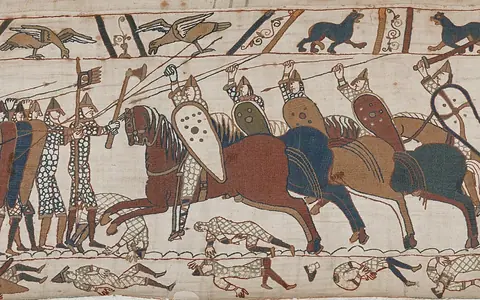
On 14 October 1066 Duke William of Normandy defeated King Harold II of England near Hastings. The conquest made a vassal of the French crown king of England, a tangle of lordship behind many later wars between the two crowns (see the Battle of Hastings).8

The Capetian kingdom and the crusades
When Hugh Capet became king in 987, the royal domain was a small territory around Paris and Orléans. Philip II Augustus took Normandy from King John of England in 1204, and on 27 July 1214 at Bouvines he defeated the emperor Otto IV and his allies, the counts of Flanders and Boulogne, securing his conquests.9
French knights formed a large part of the crusading armies. On the Third Crusade, Philip II and Richard I of England took Acre together in July 1191; Philip then went home, and Richard led the crusader army to victory over Saladin at Arsuf in September, a coalition battle of the crusade.10
Two centuries later French knights joined a crusade led by King Sigismund of Hungary against the Ottomans. At Nicopolis on the Danube, on 25 September 1396, the French insisted on charging first, ran into Sultan Bayezid I's reserves, and the crusader army was destroyed.11

The Hundred Years' War
The Hundred Years' War was a series of wars between the Kingdom of England and the Kingdom of France from 1337 to 1453, broken by long truces. It grew out of the lands the English kings held in France as vassals of the French crown, above all Guyenne, and Edward III's claim to the French throne.12
The first decades went badly for France. At Crécy on 26 August 1346 Edward III's archers and dismounted men-at-arms crushed the army of Philip VI, and Calais fell in 1347. At Poitiers on 19 September 1356 Edward the Black Prince defeated and captured King John II, and by the Treaty of Brétigny in 1360 France gave up a large part of the southwest.13
Under Charles V the constable Bertrand du Guesclin avoided pitched battles and won back most of the lost lands by 1380. In Castile, French companies under du Guesclin helped Henry of Trastámara defeat Peter I at Montiel in 1369, which won France the Castilian fleet as an ally.14
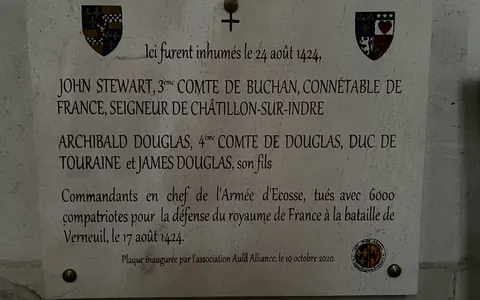
The second English offensive came while France was split by civil war between Armagnacs and Burgundians. Henry V's small army defeated a much larger French army at Agincourt on 25 October 1415, the Treaty of Troyes made him heir to the French throne in 1420, and at Verneuil in 1424 the English destroyed a Dauphinist army with a large Scottish force.15
The turn came in 1429, when Joan of Arc helped to lift the siege of Orléans and brought the Dauphin to be crowned at Reims as Charles VII. She was burned at Rouen in 1431, but Charles VII's reformed army, strong in artillery, took Normandy after Formigny in 1450 and Guyenne after Castillon in 1453, leaving England only Calais.16
The Italian Wars and the Wars of Religion
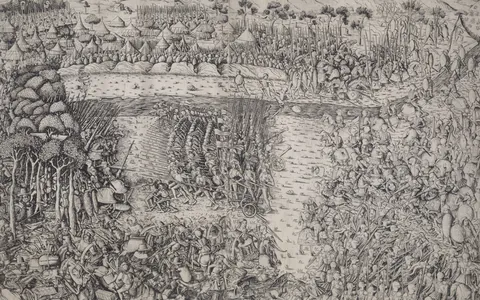
In 1494 Charles VIII marched into Italy to claim Naples. On his way home the army of the League of Venice tried to stop him at Fornovo on 6 July 1495; the French broke through, and both sides claimed the day. The Italian Wars that followed became a long contest with the Habsburgs.17
At Bicocca near Milan on 27 April 1522 Marshal Lautrec's French and Swiss were beaten by the imperial army of Prospero Colonna, and Milan was lost. At Pavia on 24 February 1525 the army of Charles V routed Francis I and took the king prisoner. The wars ended with the Peace of Cateau-Cambrésis in 1559.18
From 1562 to 1598 the Wars of Religion set Catholics against Protestants, known as Huguenots. At Jarnac in March 1569 the royal army under the Duke of Anjou, the future Henry III, beat the Huguenots, and their leader Louis, Prince of Condé, was killed. Peace came only with Henry IV and the Edict of Nantes in 1598.19
Under Louis XIII the Huguenots rose again in the 1620s, on land and at sea, where the royal fleet fought the ships of La Rochelle at Saint-Martin-de-Ré in 1622. The siege of La Rochelle, which ended when the starving city surrendered in October 1628, broke Huguenot military power.20
The age of Louis XIII and Louis XIV
Cardinal Richelieu took France openly into the Thirty Years' War against Spain in 1635. At Rocroi on 19 May 1643 the young Duke of Enghien, the future Great Condé, defeated a Spanish army, and in 1644 he and Turenne, the leading French general of the century, attacked the entrenched Bavarians at Freiburg at heavy cost to both sides. Peace with Spain came only in 1659.21
Louis XIV fought four major wars and spent long months with his armies, while Vauban ringed the frontiers with fortresses. A French contingent helped the imperial army stop the Ottomans at Saint Gotthard in 1664, and Abraham Duquesne's fleet fought de Ruyter off Sicily at Stromboli in 1676.22
In the Nine Years' War, Tourville's fleet defeated the English and Dutch off Beachy Head on 10 July 1690, and Catinat beat the Duke of Savoy at Staffarda the same year. In Ireland, James II and his French allies lost at the Boyne.23
The War of the Spanish Succession, from 1701 to 1714, was the hardest test of the reign. At Blenheim on 13 August 1704 Marlborough and Prince Eugene destroyed a Franco-Bavarian army, and that month an Anglo-Dutch fleet fought the French off Málaga. In Spain Berwick's victory at Almansa in 1707 helped keep Louis's grandson Philip V on the throne, as the Peace of Utrecht confirmed in 1713.24
The 18th century
In the War of the Austrian Succession, from 1740 to 1748, the Pragmatic Army under King George II beat the French at Dettingen in 1743, but Marshal Saxe won at Fontenoy in 1745 and at Rocoux in 1746. At sea the Royal Navy won twice off Cape Finisterre in 1747, under Anson and Hawke.25
The Seven Years' War began in North America, where a skirmish at Jumonville Glen in May 1754 between a Virginia force under George Washington and a French party led to wider war. France took Minorca in 1756 after a sea fight that ended with the execution of the British admiral Byng (Battle of Minorca), and Montcalm repulsed a British assault at Carillon in 1758.26
Elsewhere the war went badly. Frederick the Great routed a French and imperial army at Rossbach in November 1757, and the East India Company defeated the Nawab of Bengal, whose army had French gunners, at Plassey. By the Treaty of Paris in 1763 France gave up Canada and most of its position in India.27
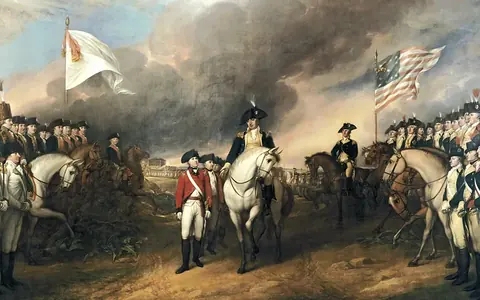
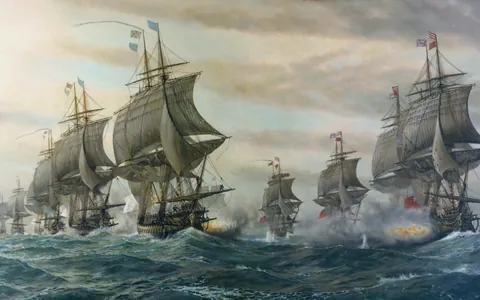
France took its revenge in the American Revolutionary War, allying with the United States in 1778 and joining the failed assault on Savannah in 1779. In September 1781 de Grasse's fleet beat the British off the Chesapeake, sealing off Cornwallis at Yorktown, where he surrendered to Washington and Rochambeau on 19 October. The Marquis de Lafayette served as an American general.28
The Revolution and Napoleon
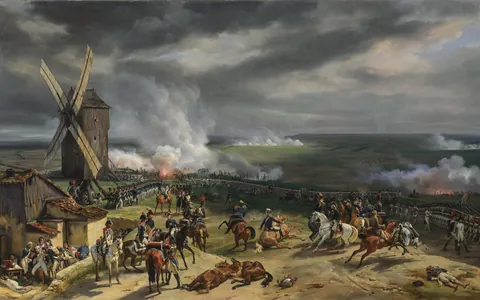
Revolutionary France went to war with Austria and Prussia in 1792. At Valmy on 20 September the armies of Dumouriez and Kellermann stopped the Prussian advance on Paris in a long cannonade and so saved the Revolution. By 1793 France was at war with most of Europe, and Jourdan's victory over the Austrians at Wattignies in October held the northern frontier.29
At home, the royalist rising in the Vendée was defeated at Savenay in December 1793 and followed by mass killings of insurgents and civilians by republican forces.30
Napoleon Bonaparte won his first victory in command at Montenotte in 1796 and in 1798 took an army to Egypt, where he beat the Mamluks at the Pyramids. In Saint-Domingue the attempt to restore French control ended in defeat at Vertières in November 1803, and Haiti declared its independence on 1 January 1804.31
Crowned emperor in 1804, Napoleon beat Austria and Russia at Austerlitz on 2 December 1805, Prussia at Jena and Auerstedt in October 1806 and Russia at Friedland in June 1807. At sea it went the other way: Nelson destroyed the Franco-Spanish fleet at Trafalgar on 21 October 1805.32
From 1808 the war in Spain and Portugal tied down large French armies. Napoleon's victory at Somosierra opened the road to Madrid in November 1808 but did not end Spanish resistance, and the British and Portuguese under the Duke of Wellington pushed the French back across the Pyrenees in 1813.33
In 1812 Napoleon invaded Russia. Borodino opened the road to Moscow at a terrible price, and the retreat destroyed the Grande Armée. The allies beat him at Leipzig in 1813, and in 1814, after last victories such as Champaubert, he abdicated. In 1815 he beat the Prussians at Ligny and was finally defeated by Wellington and Blücher at Waterloo on 18 June.34

The 19th century
In 1830 France invaded Algeria, then an Ottoman province ruled by its dey. The conquest lasted until 1847, when the emir Abd el-Kader, who had led the resistance since 1832, surrendered. For the Algerians it meant years of war, the confiscation of much of their best land for European settlers and a colonial order built on violence.35
France fought beside Britain and the Ottoman Empire against Russia in the Crimean War of 1853 to 1856, at the Alma, Balaclava and the long siege of Sevastopol, which ended after French troops stormed the Malakhov in September 1855. In 1859 Napoleon III and his Piedmontese allies defeated Austria at Solferino, a battle so bloody that it moved Henry Dunant toward the founding of the Red Cross.36
The Franco-Prussian War of 1870 and 1871 was a disaster for the Second Empire. After early defeats such as Spicheren, one army was shut up in Metz and the other surrendered at Sedan on 2 September 1870 with Napoleon III himself, and Paris proclaimed the republic two days later. The new government won at Coulmiers but lost at Beaune-la-Rolande, and the siege of Paris ended in January 1871. France then gave up Alsace and part of Lorraine.37
World War I
In August 1914 the French offensive into Lorraine failed with heavy losses while the German armies swept through Belgium. In early September the French and British stopped the Germans at the Marne, the battle remembered for the Paris taxis that carried reinforcements to the front. Then came the trenches, and offensives in Champagne and Artois gained little.38
On 21 February 1916 the German army attacked at Verdun, and the battle went on until 18 December. Each side lost hundreds of thousands of men killed, wounded or missing, and for France Verdun became the symbol of the whole war. To relieve the pressure, British and French troops attacked on the Somme from 1 July 1916.39
In 1918, with Ferdinand Foch as Allied supreme commander, the Allied armies stopped the last German offensives and drove the Germans back in the Hundred Days, which included the American battles of Belleau Wood and the Meuse-Argonne. The armistice came on 11 November 1918. France had lost about 1.4 million soldiers killed.40
World War II
France and Britain declared war on Germany in September 1939. French troops fought in Norway at Narvik in the spring of 1940, but on 10 May the German offensive in the west began. The panzers broke through the Ardennes and across the Meuse at Sedan, and many French as well as British soldiers were taken off at Dunkirk. Marshal Pétain's government signed an armistice on 22 June 1940.41
After the defeat the Vichy regime, the French State headed by Pétain, governed the unoccupied south and collaborated with Germany. In London, General Charles de Gaulle called on 18 June 1940 for the fight to go on and built up Free France, which rallied much of French Equatorial Africa and fought beside the Allies.42
At Bir Hakeim in Libya, Koenig's Free French held out against Rommel from 27 May 1942 and broke out on 11 June. In November 1942 Vichy forces in Morocco and Algeria fought the American and British landings of Operation Torch before going over to the Allies; French troops then fought in Tunisia, as in Operation Ochsenkopf in 1943.43
French forces took part in the liberation of their country: in Normandy, where Leclerc's 2nd Armored Division fought on the southern side of the pocket at Falaise, and in the landings in Provence from 15 August 1944. Paris rose on 19 August, and on 25 August the German garrison surrendered to Leclerc and the resistance leader Rol-Tanguy.44

After 1945
France tried to restore its rule in Indochina and from 1946 fought the Viet Minh. General de Lattre won defensive battles such as Vĩnh Yên in January 1951, but the war ended in defeat at Dien Bien Phu, where the entrenched camp fell on 7 May 1954 after a siege of nearly two months. The Geneva conference then ended French rule there.45
The Algerian War of Independence, from 1954 to 1962, was fought against the National Liberation Front (FLN) and divided France itself. The French army used torture on a large scale and the FLN used terror. Larousse gives 300,000 to 400,000 as the most likely number of Algerian dead, against some 27,500 French soldiers killed; the Évian Accords of March 1962 led to independence. In 1956 France also joined Britain and Israel in the Suez Crisis and withdrew under American and Soviet pressure.46
Wars
The main wars of France and its predecessors, with a starting point on this site for each:
- Gallic Wars, 58 to 50 BC: Alesia.47
- Umayyad invasion of Gaul, 8th century: Tours.48
- Crusades, from the Third Crusade to Nicopolis, 1189 to 1396: Arsuf and Nicopolis.49
- Hundred Years' War, 1337 to 1453: our war hub.50
- Italian Wars, 1494 to 1559: Pavia.51
- French Wars of Religion, 1562 to 1598: Jarnac.52
- Thirty Years' War and Franco-Spanish War, 1635 to 1659: Rocroi.53
- Nine Years' War, 1688 to 1697: Beachy Head.54
- War of the Spanish Succession, 1701 to 1714: Blenheim.55
- War of the Austrian Succession, 1740 to 1748: Dettingen.56
- Seven Years' War, 1756 to 1763: Rossbach.57
- American Revolutionary War, France at war 1778 to 1783: Yorktown.58
- French Revolutionary and Napoleonic Wars, 1792 to 1815: the greatest Napoleonic battles.59
- Crimean War, 1853 to 1856: Sevastopol.60
- Franco-Prussian War, 1870 to 1871: the siege of Paris.61
- World War I, 1914 to 1918: Verdun.62
- World War II, 1939 to 1945: Normandy.63
- First Indochina War, 1946 to 1954: Vĩnh Yên.64
Commanders
Our biographies of French commanders include Charles Martel, Joan of Arc, Turenne, Napoleon Bonaparte, the Marquis de Lafayette and Charles de Gaulle, and William the Conqueror as a duke of Normandy and vassal of the French crown. For a ranking, see the greatest commanders of France.65
French battles on this site
Every battle we have written up in which French forces, or the Franks and the Kingdom of France before them, took part, in date order:
Antiquity to AD 476 · 1
- 52 BCThe Battle of Alesia, 52 BCRoman Republic vs Gallic tribes
Caesar traps Vercingetorix behind a double ring of siege walls and wins all of Gaul.
The Middle Ages 476 to 1500 · 10
- 732The Battle of Tours, 732Frankish Kingdom vs Umayyad Caliphate (Al-Andalus)
Charles Martel halts the Umayyad advance into Western Europe.
- 1066Battle of Hastings, 1066Normandy vs Anglo-Saxon England
A shield wall on Senlac Hill, a feigned Norman flight, and the arrow that ended Anglo-Saxon England in a single afternoon.
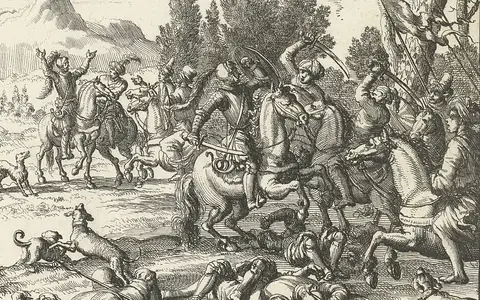
- 1191Battle of Arsuf, 1191Third Crusade: England, France and Jerusalem vs Ayyubid Sultanate
How Richard the Lionheart held his march together and beat Saladin in the open field.
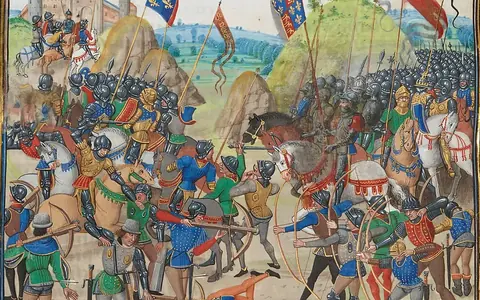
- 1346The Battle of Crécy, 1346Kingdom of England vs Kingdom of France
English longbows shatter the French chivalry.
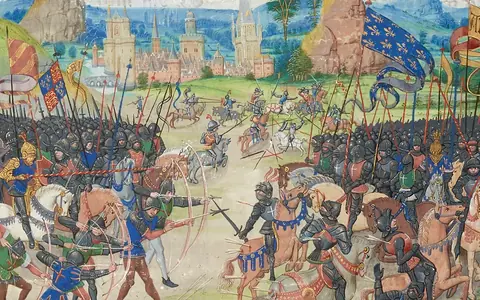
- 1356Battle of Poitiers, 1356England vs France
How the Black Prince's longbowmen beat a far larger French army and captured King John II.
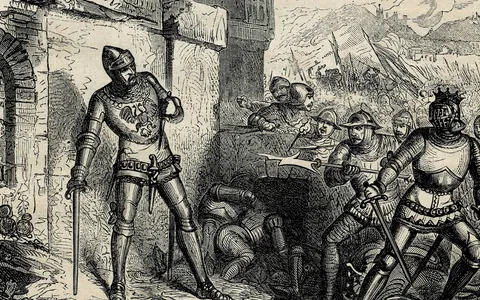
- 1369Battle of Montiel, 1369Henry of Trastámara, with French and Breton companies vs Peter I of Castile, with troops from Granada
On 14 March 1369 Henry of Trastámara and Du Guesclin caught King Peter of Castile on the march near Montiel. Nine days later Peter came out of the castle to a meeting in a tent, and Henry killed him with a dagger.
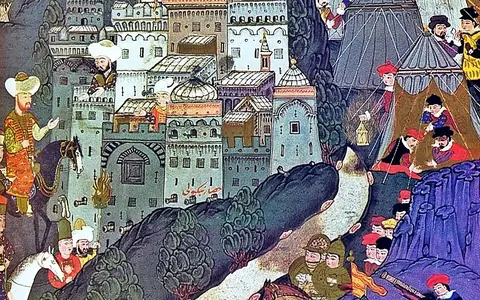
- 1396The Battle of Nicopolis, 1396Crusader coalition (Hungary, France, Burgundy) vs Ottoman Empire
How Sultan Bayezid I destroyed a Franco-Hungarian crusade on the Danube and confirmed Ottoman power in the Balkans.
- 1415The Battle of Agincourt, 1415Kingdom of England vs Kingdom of France
A sick, outnumbered English army, an arrow storm, and a sea of mud that swallowed the flower of French chivalry.
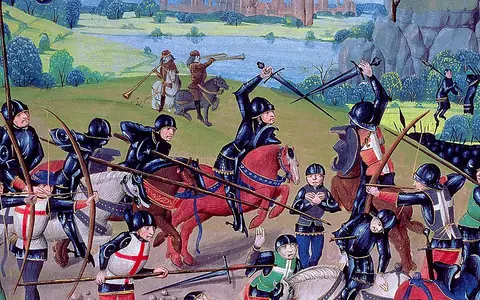
- 1424Battle of Verneuil, 1424Kingdom of England vs Dauphin's France and the Army of Scotland
On 17 August 1424 Bedford's English army crushed the Dauphin's French, Scots and Lombards outside Verneuil, killing the earls of Douglas and Buchan.
- 1495Battle of Fornovo, 1495Kingdom of France vs League of Venice (Venice, Milan and allies)
On 6 July 1495 Charles VIII fought his way past the League of Venice on the Taro at Fornovo. The Italians kept his baggage; the French kept their road home.
The early modern era 1492 to 1789 · 30
- 1522Battle of Bicocca, 1522Kingdom of France, Swiss mercenaries and Venice vs Holy Roman Empire, Spain and the Papal States
On 27 April 1522 unpaid Swiss pikemen forced the French to attack Colonna's sunken road at Bicocca. Four volleys of Spanish arquebus fire ended their legend in half an hour.
- 1525Battle of Pavia, 1525Kingdom of France vs Charles V: Spain and the Holy Roman Empire
- 1569Battle of Jarnac, 1569Royal army of Charles IX (Catholic) vs Huguenots (Protestant)
On 13 March 1569 the royal army crossed the Charente by night and caught the Huguenots strung out along the river. Condé charged with 300 horsemen, surrendered, and was shot from behind.
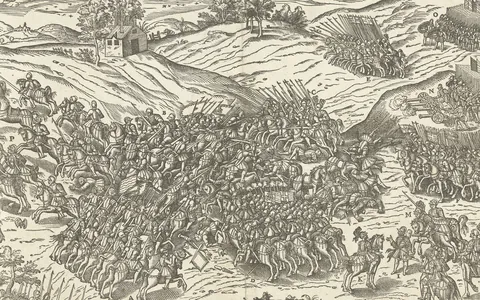
- 1622Battle of Saint-Martin-de-Ré, 1622Kingdom of France vs Huguenots of La Rochelle
On 27 October 1622 La Rochelle's Huguenot fleet under Jean Guiton fought the royal fleet of the Duke of Guise off the Île de Ré. Fireships, losses and the peace that ended it.
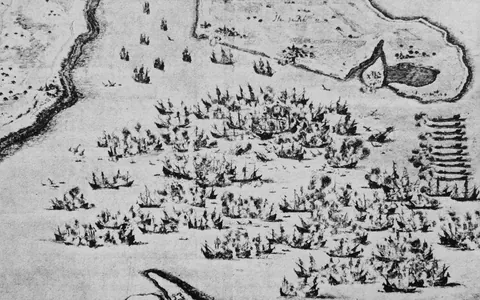
- 1643Battle of Rocroi, 1643Kingdom of France vs Habsburg Spain
A young prince, a doomed square of veteran infantry, and the day France announced itself as the great power of Europe.
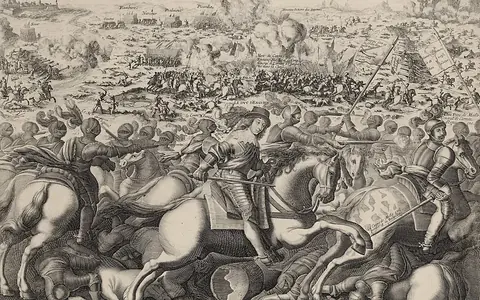
- 1644Battle of Freiburg, 1644Kingdom of France vs Electorate of Bavaria and the Empire
In August 1644 Enghien and Turenne stormed Mercy's Bavarian lines in the hills above Freiburg; they took the first line and broke against the second.
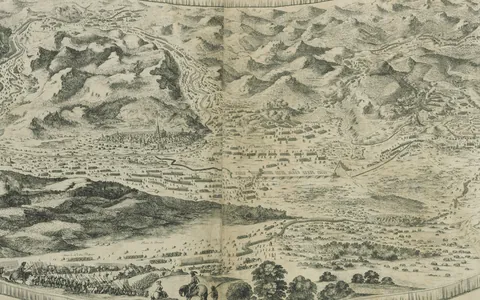
- 1664Battle of Saint Gotthard, 1664Habsburg Monarchy, Imperial Army of the Reich, League of the Rhine and France vs Ottoman Empire
On 1 August 1664 Montecuccoli's Imperial, German and French troops rallied from a rout and drove an Ottoman bridgehead back into the flooded Rába.
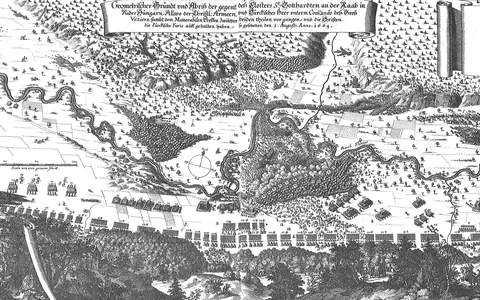
- 1676Battle of Stromboli, 1676Dutch Republic and Spain vs Kingdom of France
On 8 January 1676 Michiel de Ruyter's small Dutch fleet met Duquesne's stronger French squadron off Stromboli. The French had the wind and the fire ships, but not the victory.
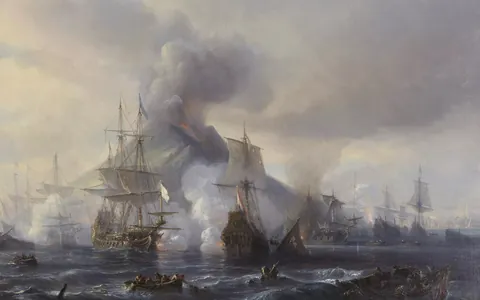
- 1690Battle of Beachy Head, 1690Kingdom of France vs England and the Dutch Republic
On 10 July 1690 Tourville's French fleet beat the Anglo-Dutch fleet off Sussex; the Dutch van was surrounded while the English held back.
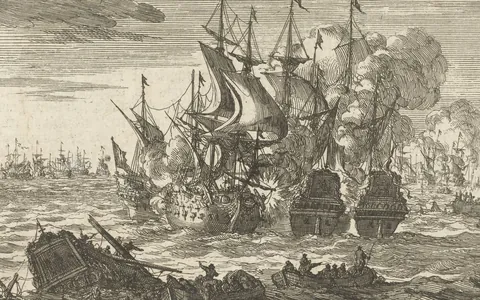
- 1690Battle of the Boyne, 1690Williamites (England, Dutch Republic and allies) vs Jacobites (Ireland, with France)
- 1690Battle of Staffarda, 1690Kingdom of France vs Savoy-Piedmont and the Empire
On 18 August 1690 Catinat's French army beat Victor Amadeus II of Savoy at Staffarda in Piedmont; young Prince Eugene covered the retreat.
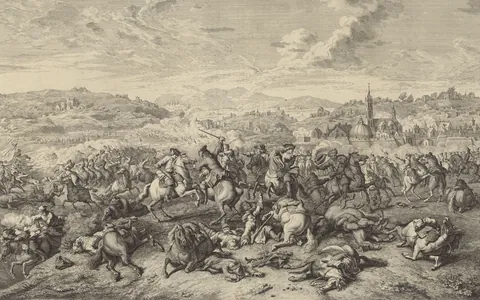
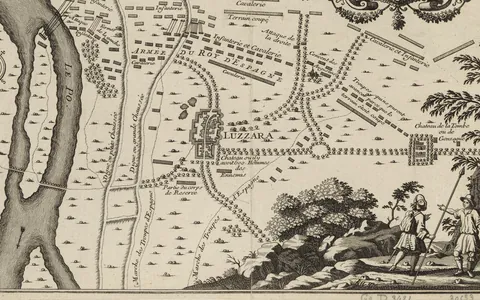
- 1702Battle of Luzzara, 1702Habsburg Monarchy (imperial army in Italy) vs France and Spain
On 15 August 1702 Prince Eugene attacked Vendôme's larger Franco-Spanish army at Luzzara on the Po; after a bloody evening, both sides claimed victory.
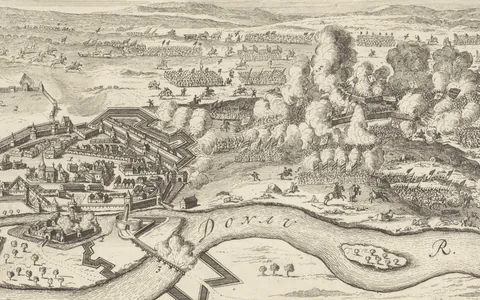
- 1704Battle of the Schellenberg, 1704Grand Alliance (England, the Dutch Republic, the Empire) vs France and the Electorate of Bavaria
On 2 July 1704 Marlborough and Louis of Baden stormed the Schellenberg above Donauwörth; an evening breakthrough near the town gave them the Danube crossing.
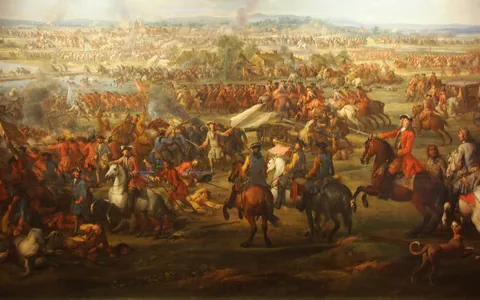
- 1704Battle of Blenheim, 1704Grand Alliance: England, the Dutch Republic, the Holy Roman Empire and German states vs France and the Electorate of Bavaria
On 13 August 1704 Marlborough and Prince Eugene destroyed a Franco-Bavarian army on the Danube, captured Marshal Tallard and saved Vienna.
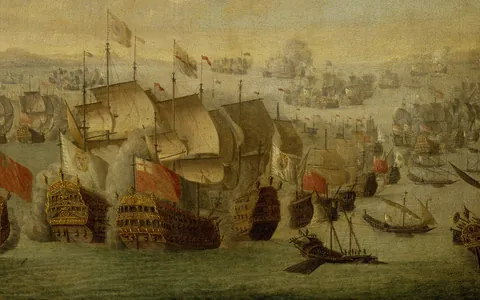
- 1704Battle of Málaga, 1704England and the Dutch Republic vs France and Spain
On 24 August 1704, weeks after Gibraltar fell, the Anglo-Dutch and French fleets fought a day-long line battle off Vélez-Málaga. No ship was lost, both sides drew apart, and Gibraltar stayed allied.
- 1707Battle of Almansa, 1707Bourbon Spain and France vs Grand Alliance (England, Portugal, the Dutch Republic)
On 25 April 1707 an English-born duke led the armies of France and Spain against a French-born earl leading the English. Almansa kept a Bourbon on the Spanish throne.
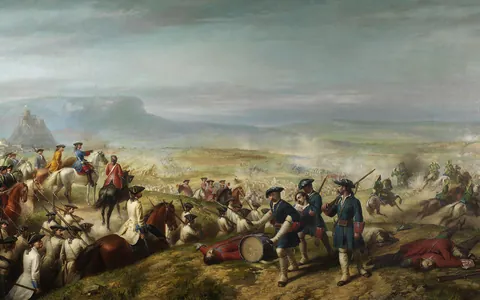
- 1710Battle of Saragossa, 1710Allies of Archduke Charles (Charles III) vs Bourbon Spain and France (Philip V)
On 20 August 1710 the allies of Archduke Charles broke Philip V's army on the hills of Torrero outside Zaragoza. Charles entered the city the next day, but held Aragon only until December.
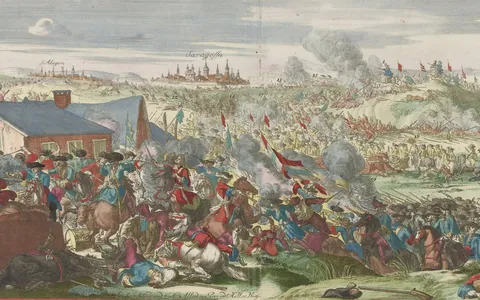
- 1743Battle of Dettingen, 1743Pragmatic Army (Britain, Hanover, Austria) vs Kingdom of France
On 27 June 1743 George II's Pragmatic Army, cut off on the river Main, beat off the French at Dettingen: the last battle led by a reigning British king.
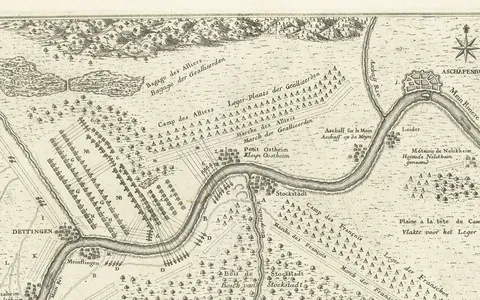
- 1746Battle of Rocoux, 1746France vs Pragmatic Army (Austria, Dutch Republic, Britain, Hanover, Hesse)
On 11 October 1746 Marshal Saxe stormed the villages outside Liège held by the Pragmatic Army; British dragoons covered the retreat as the allies crossed the Meuse at night.
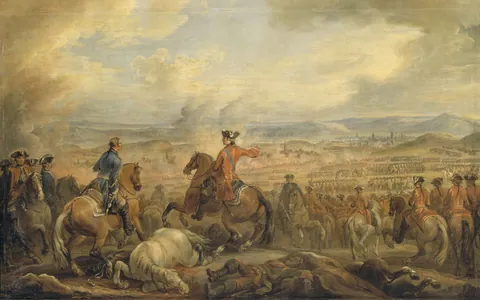
- 1747First Battle of Cape Finisterre, 1747Great Britain (Royal Navy) vs Kingdom of France (French Navy and Compagnie des Indes)
On 14 May 1747 Anson traded his line of battle for a general chase off Cape Finisterre and took every French warship that stood to fight, among them the 74 L'Invincible.
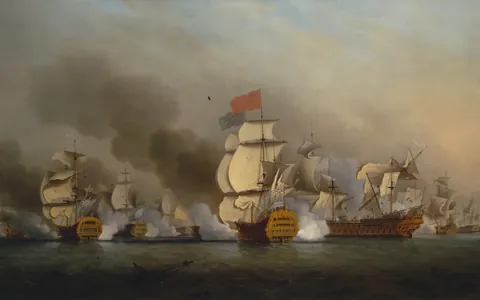
- 1747Second Battle of Cape Finisterre, 1747Kingdom of Great Britain vs Kingdom of France
On 25 October 1747 (14 October, Old Style) Edward Hawke's fleet took six of eight French warships guarding a convoy off Cape Finisterre. What happened and who won.
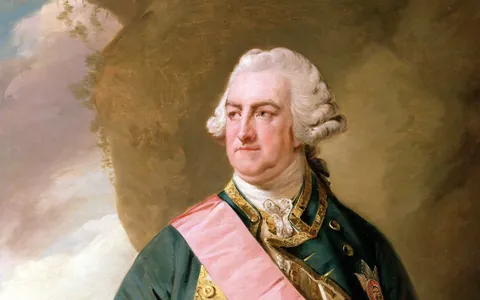
- 1754Jumonville Glen, 1754Virginia Regiment and Native allies vs Kingdom of France
At dawn on 28 May 1754 George Washington's Virginians and Tanaghrisson's warriors surprised a French party in a Pennsylvania ravine. Its commander's death started a world war.
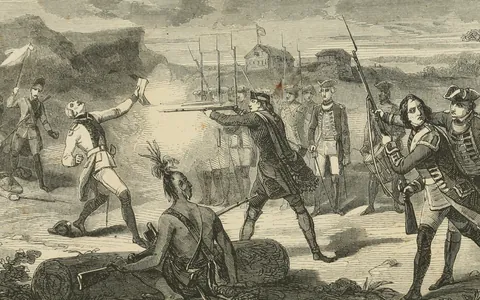
- 1756Battle of Minorca, 1756Kingdom of France vs Great Britain
On 20 May 1756 Admiral Byng fought an inconclusive action off Minorca and sailed away. The island fell, and a court-martial sent him before a firing squad.
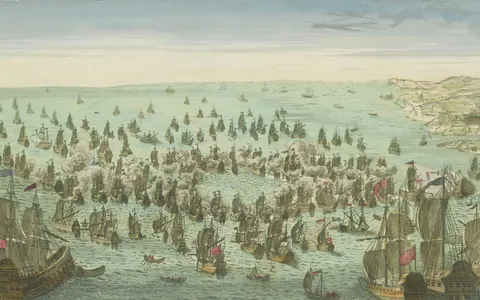
- 1757The Battle of Plassey, 1757British East India Company vs Nawab of Bengal (with French gunners)
A few thousand Company troops won Bengal, and an empire, by rain and treachery.
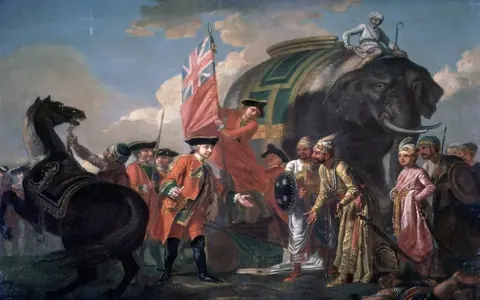
- 1757Battle of Rossbach, 1757Kingdom of Prussia vs France and the Holy Roman Empire
On 5 November 1757 Frederick the Great's 22,000 Prussians caught a French and Imperial army twice their size on the march and routed it in about an hour and a half.
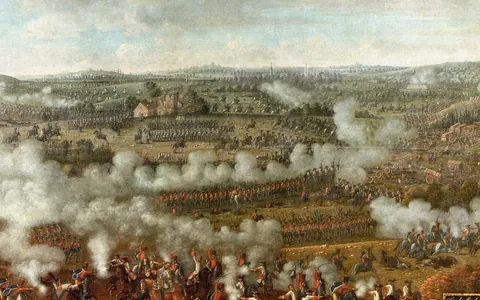
- 1758Battle of Carillon, 1758Kingdom of France vs Great Britain and the American colonies
On 8 July 1758 Montcalm's 3,600 French behind a log wall at Ticonderoga threw back Abercromby's British and colonial army, in the war's bloodiest battle.
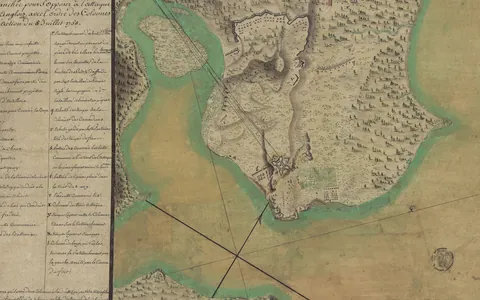
- 1760Battle of Warburg, 1760Allied army: Hanover, Hesse-Kassel, Brunswick and Britain vs Kingdom of France
On 31 July 1760 a flank march in the fog and Lord Granby's British cavalry drove the Chevalier de Muy's French corps from Warburg over the Diemel.
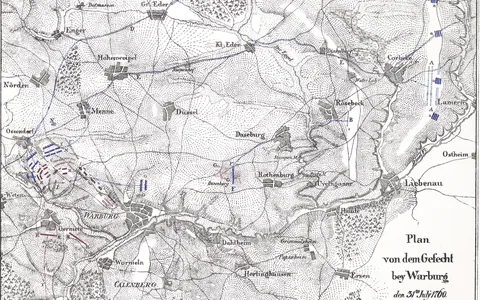
- 1779Siege of Savannah, 1779France and the United States vs Great Britain
In autumn 1779 French and American forces besieged British-held Savannah; their dawn assault on 9 October failed within an hour, and Casimir Pulaski was mortally wounded.
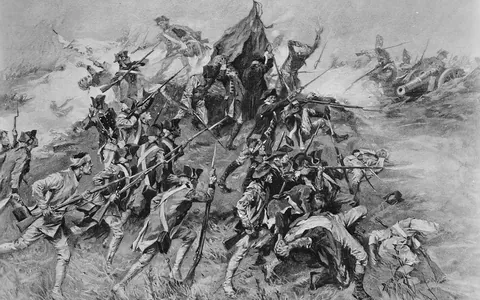
- 1781Siege of Yorktown, 1781United States and France vs Great Britain
Washington and the French trapped Cornwallis in Virginia, and the surrender that won American independence.
- 1781Battle of the Chesapeake, 1781France vs Great Britain
On 5 September 1781 de Grasse's French fleet fought Graves's British fleet off the Virginia capes. No ship was taken, but the French kept the bay and Cornwallis was trapped.
The Napoleonic era 1789 to 1815 · 37
- 1792Battle of Valmy, 1792France vs Prussia (First Coalition)
On 20 September 1792 the French held the hills around Valmy under a Prussian cannonade; Brunswick turned back, and the French Republic was proclaimed the next day.
- 1793Battle of La Tremblaye, 1793French Republic vs Catholic and Royal Army
On 15 October 1793 the Vendéen rebels met the Republican army near Cholet. Their general Lescure was shot in the head, and two days later the revolt broke at Cholet.
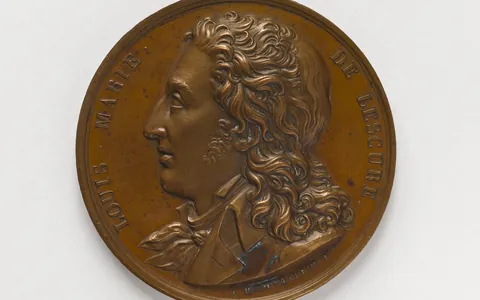
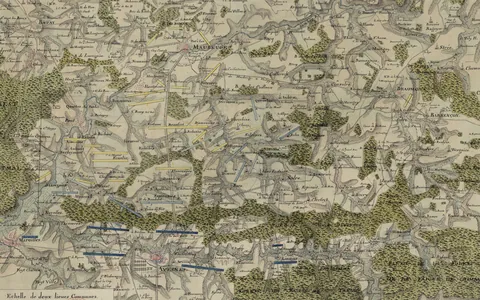
- 1793Battle of Wattignies, 1793French Republic vs Austria and the Coalition
In October 1793 Jourdan's raw Army of the North broke the Austrian line at Wattignies after two days of attacks and forced the Coalition to lift the siege of Maubeuge.
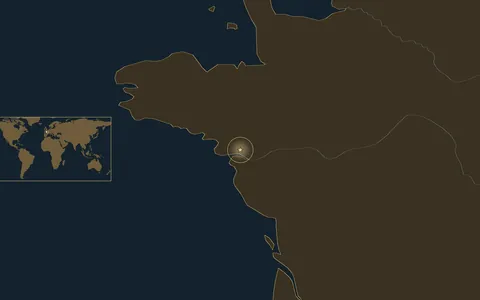
- 1793Battle of Savenay, 1793French Republic vs Vendéen insurgents
On 22 and 23 December 1793 Kléber and Marceau caught the last of the Vendéen army near the Loire estuary. Savenay ended the Virée de Galerne, and the repression began.
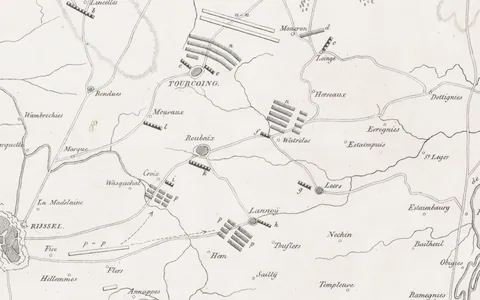
- 1794Battle of Tourcoing, 1794French Republic (Army of the North) vs First Coalition
On 17 and 18 May 1794 six Allied columns tried to trap the French army near Lille. They lost touch, and Souham broke the Duke of York's column at Tourcoing.
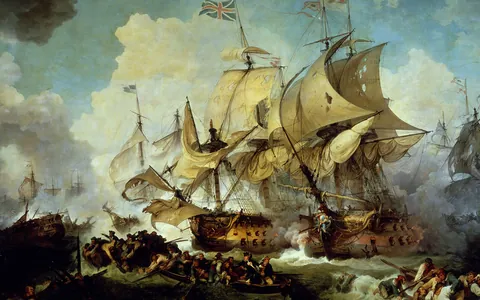
- 1794The Glorious First of June, 1794Great Britain vs French Republic
On 1 June 1794 Lord Howe took six French ships of the line far out in the Atlantic. The French admiral lost the battle but saved the grain convoy France was waiting for.
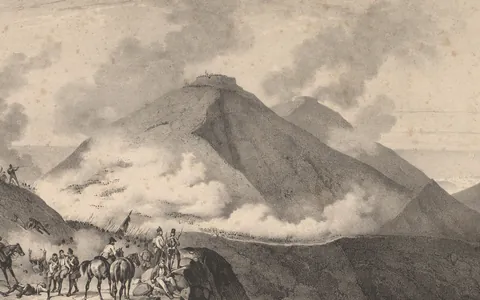
- 1796Battle of Montenotte, 1796French Republic (Army of Italy) vs Habsburg Monarchy
On 12 April 1796 Masséna turned the Austrian flank in the fog above Savona while Rampon's redoubt held. Montenotte was Napoleon's first victory as an army commander.
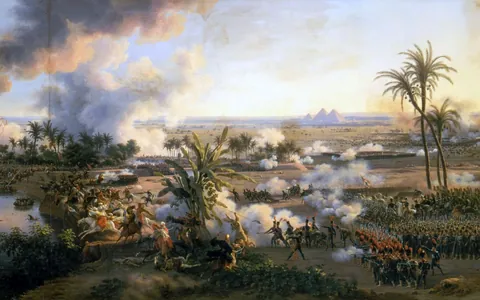
- 1798Battle of the Pyramids, 1798French Republic (Army of the Orient) vs Mamluk beys of Egypt
On 21 July 1798 Bonaparte's divisional squares broke Murad Bey's Mamluk cavalry at Embabeh, opposite Cairo, in sight of the pyramids of Giza.
- 1799Battle of Cassano, 1799Russia and Austria vs France
On 27 April 1799 Suvorov's Russians and Austrians bridged the Adda in the night, broke Moreau's thinly stretched line and took Milan two days later.
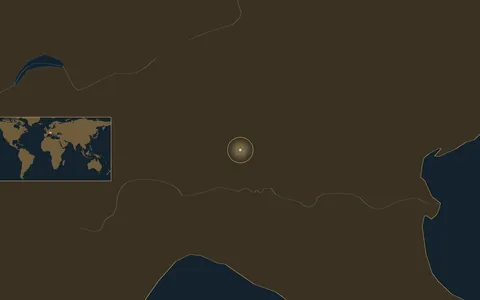
- 1799Battle of the Trebbia, 1799Russian Empire and Habsburg Monarchy vs French Republic and the Polish Legion
From 17 to 19 June 1799 Suvorov's Russians and Austrians beat Macdonald's French on the Trebbia, and Dąbrowski's Polish Legion was nearly destroyed.
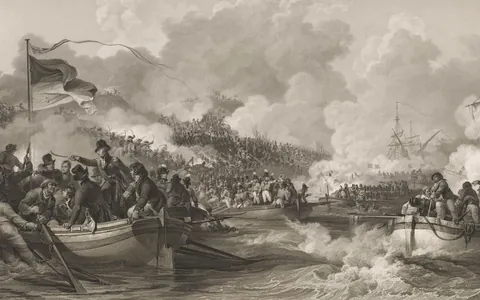
- 1801Battle of Abukir, 1801United Kingdom vs French Republic (Army of the Orient)
On 8 March 1801 Abercromby's army rowed almost a mile under fire into Aboukir Bay. Moore's men took the great sand hill in twenty minutes, and the campaign that drove the French from Egypt had begun.
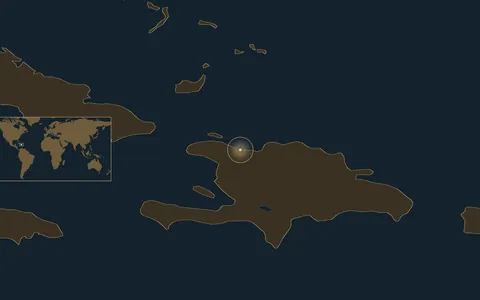
- 1803Battle of Vertières, 1803Armée indigène (Haitian revolutionary army) vs France (Army of Saint-Domingue)
On 18 November 1803 Dessalines' army stormed the French forts outside Cap-Français; Rochambeau surrendered, and six weeks later Haiti declared its independence.
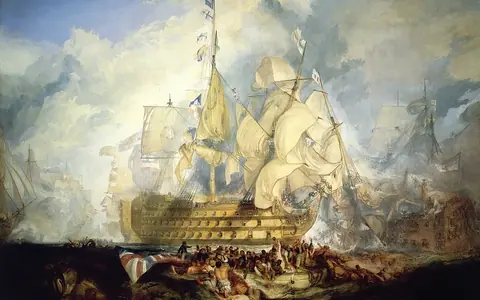
- 1805The Battle of Trafalgar, 1805Great Britain (Royal Navy) vs France and Spain (combined fleet)
Nelson broke the enemy line in two, won the greatest naval victory of the age, and did not live to see it.
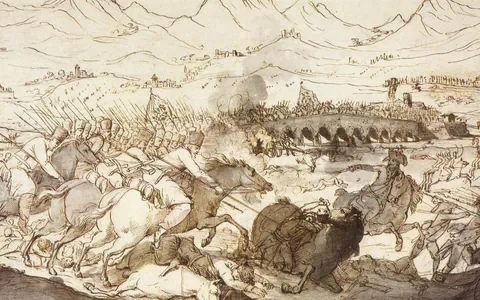
- 1805Battle of Caldiero, 1805French Empire vs Austrian Empire
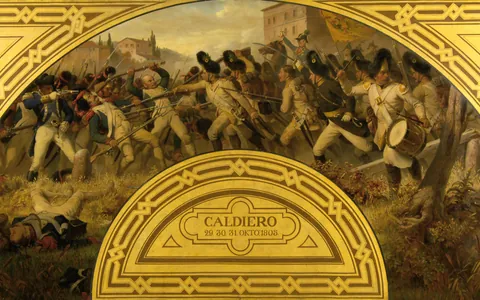
From 29 to 31 October 1805 Masséna's Army of Italy fought Archduke Charles at Caldiero, east of Verona. Who won is still argued, but Charles then retreated from Italy.
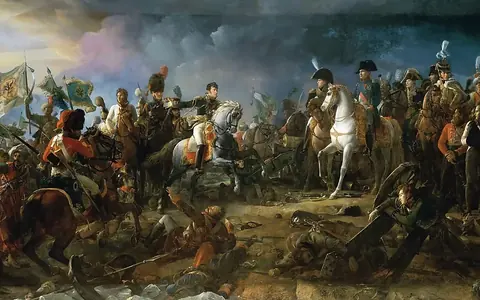
- 1805The Battle of Austerlitz, 1805French Empire vs Austria and Russia
Napoleon feigned weakness, gave up the heights, and sprang the trap. The battle of three emperors, often called his masterpiece.
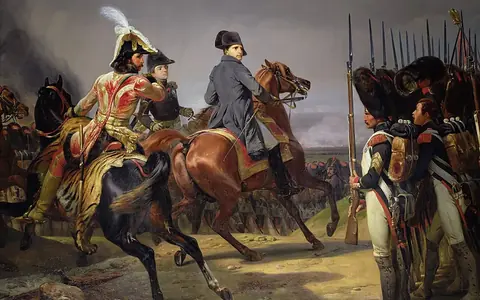
- 1806Jena-Auerstedt, 1806French Empire vs Kingdom of Prussia
Napoleon destroys the Prussian army in twin battles in a day.
- 1806Battle of Czarnowo, 1806French Empire vs Russian Empire
On the night of 23 to 24 December 1806 Davout's voltigeurs crossed the Wkra in boats under Napoleon's eye and fought nine hours for the village of Czarnowo.
- 1806Battle of Pułtusk, 1806French Empire vs Russian Empire
On 26 December 1806 Lannes attacked a Russian army almost twice his size in mud and snow at Pułtusk. A division that marched to the guns saved him, and both sides claimed the day.
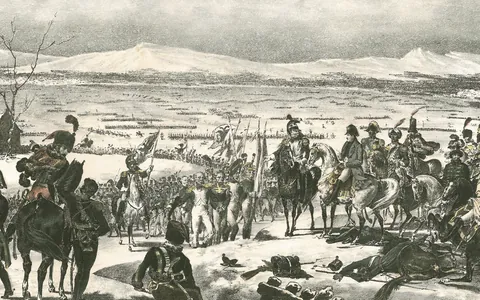
- 1807Battle of Friedland, 1807French Empire vs Russian Empire
On 14 June 1807 Napoleon trapped Bennigsen's Russians against the river Alle at Friedland. The defeat drove Tsar Alexander to the raft at Tilsit.
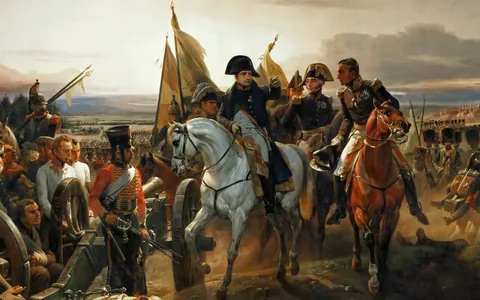
- 1808Battle of Medina de Rioseco, 1808French Empire vs Spanish patriot armies of Castile and Galicia
On 14 July 1808 Marshal Bessières routed the larger Spanish armies of Cuesta and Blake at Medina de Rioseco and opened the road to Madrid for King Joseph.
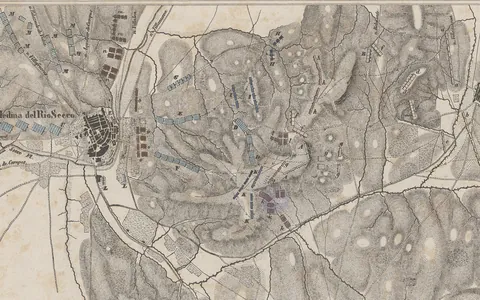
- 1808Battle of Zornoza, 1808French Empire vs Spain
On 31 October 1808 Marshal Lefebvre attacked Blake's Spanish army at Zornoza in the fog, against orders, and won the field but spoiled Napoleon's trap.
- 1808Battle of Somosierra, 1808French Empire (Polish light horse) vs Kingdom of Spain
How Napoleon's Polish light horse charged the guns at Somosierra in 1808 and opened the road to Madrid.
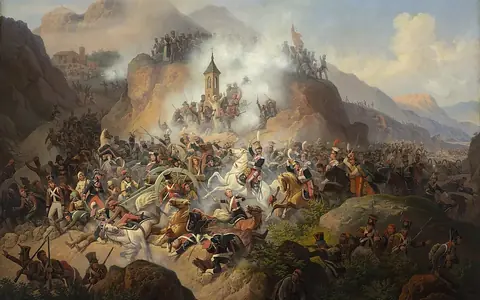
- 1809Second Battle of Porto, 1809Britain and Portugal vs French Empire
On 12 May 1809 a barber's tip and four wine barges carried Wellesley's infantry across the Douro in daylight. By noon Soult was losing Porto, and within a week Portugal.
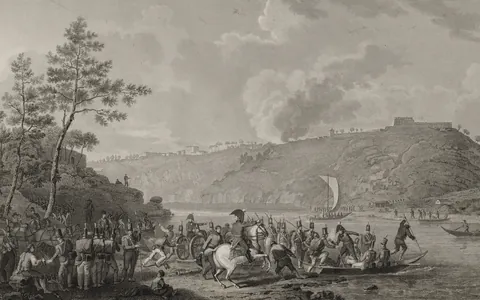
- 1809Battle of Almonacid, 1809French Empire and the Duchy of Warsaw vs Kingdom of Spain (Army of La Mancha)
On 11 August 1809 Sébastiani's corps, with the Polish Division taking the key hill, broke Venegas's Spanish Army of La Mancha at Almonacid south of Toledo.
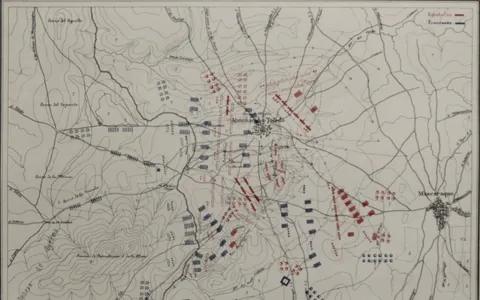
- 1809Battle of Ocaña, 1809French Empire and allies vs Spain
On 19 November 1809 a French army with a Polish division in its front line routed Areizaga's Spanish army, over 50,000 strong, on the plain of Ocaña south of Madrid.
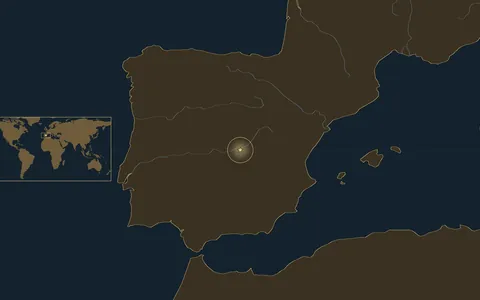
- 1810Battle of Bussaco, 1810Britain and Portugal vs France (Army of Portugal)
On 27 September 1810 Wellington's British and Portuguese held the steep ridge of Bussaco against Masséna; the French reached the crest twice and were thrown back both times.
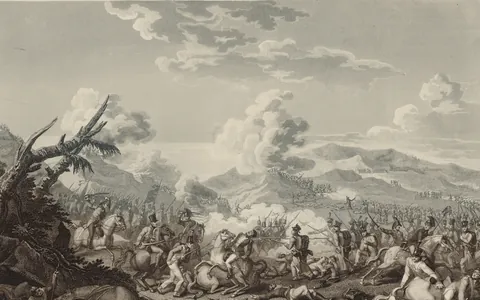
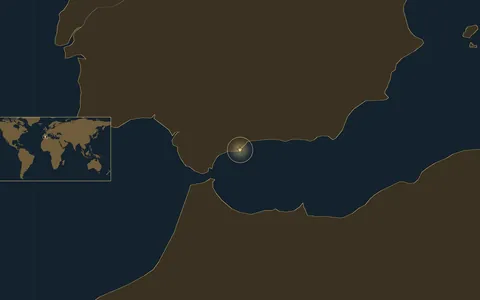
- 1810Battle of Fuengirola, 1810Duchy of Warsaw and France vs Britain and Spain
In October 1810 a Polish garrison in Sohail Castle beat off an Anglo-Spanish landing on the Spanish coast and captured its commander, Lord Blayney.
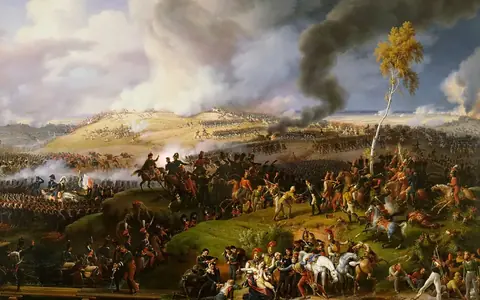
- 1812The Battle of Borodino, 1812French Empire vs Russian Empire
The bloodiest single day of the Napoleonic Wars, before a ruinous Moscow.
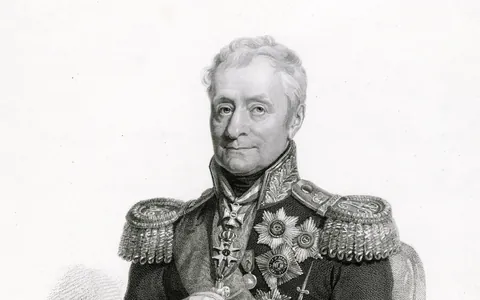
- 1812Battle of Tarutino, 1812Russian Empire vs France and the Duchy of Warsaw
On 18 October 1812 Kutuzov's army surprised Murat's vanguard at Tarutino, south of Moscow. Murat escaped, but the next day Napoleon began his retreat from the city.
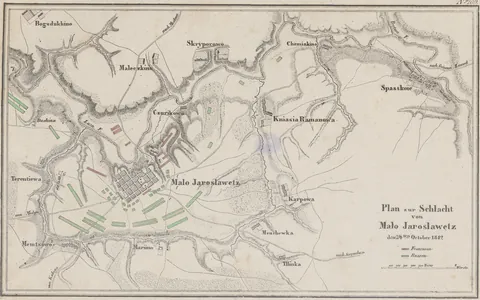
- 1812Battle of Maloyaroslavets, 1812French Empire and Kingdom of Italy vs Russian Empire
On 24 October 1812 Eugène's corps fought the Russians for Maloyaroslavets. The French held the town, but Napoleon turned back onto the ravaged road to Smolensk.
- 1813The Battle of Leipzig, 1813Coalition (Russia, Prussia, Austria, Sweden) vs French Empire
Six hundred thousand men and the largest battle in Europe before 1914.
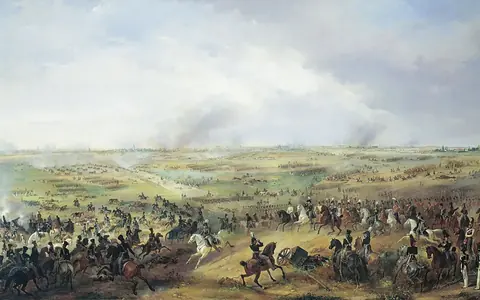
- 1813Battle of Hanau, 1813French Empire vs Austria and Bavaria
On 30 and 31 October 1813, retreating from Leipzig, Napoleon found Wrede's Austro-Bavarian army across his road at Hanau and blasted it aside with fifty guns.
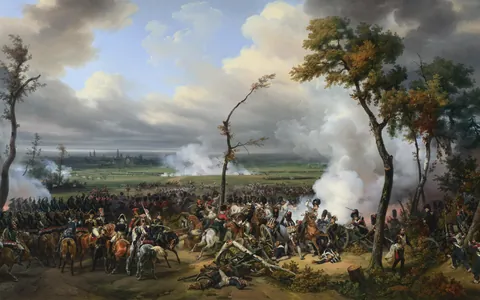
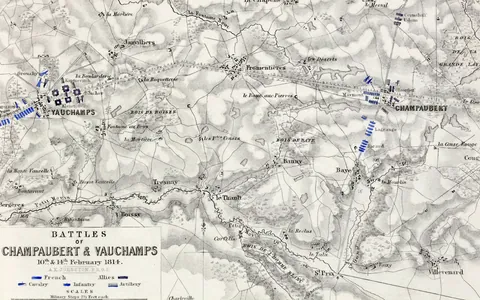
- 1814Battle of Champaubert, 1814French Empire vs Russian Empire
On 10 February 1814 Napoleon caught Olsufiev's Russian corps alone at Champaubert, without cavalry, and destroyed it. It was the first of four victories in five days over Blücher's scattered army.
- 1814Battle of Montmirail, 1814French Empire vs Russia and Prussia (Army of Silesia)
On 11 February 1814 Napoleon beat Sacken's Russians around Marchais and threw back Yorck's Prussians. The Allies escaped across the Marne because the bridge at Château-Thierry was never taken.
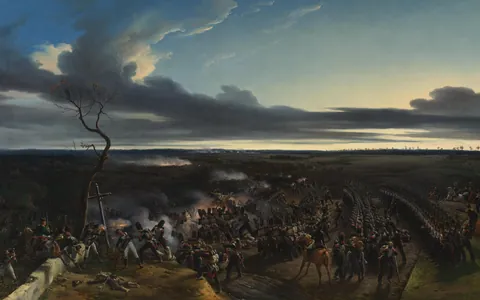
- 1815Battle of Ligny, 1815French Empire vs Prussia
On 16 June 1815, two days before Waterloo, Napoleon beat Blücher's Prussians at Ligny, but their army escaped north to fight again.
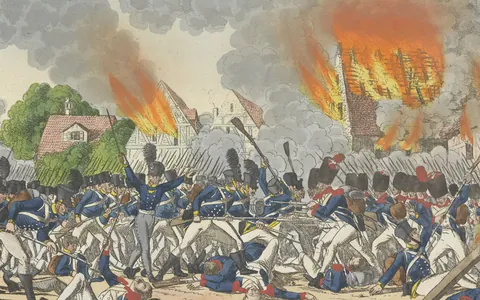
- 1815Battle of Quatre Bras, 1815French Empire vs Britain, Netherlands, Brunswick, Nassau and Hanover
On 16 June 1815 Marshal Ney attacked Wellington's army at the crossroads of Quatre Bras. The Allies held, and the fight kept a French corps away from Ligny.
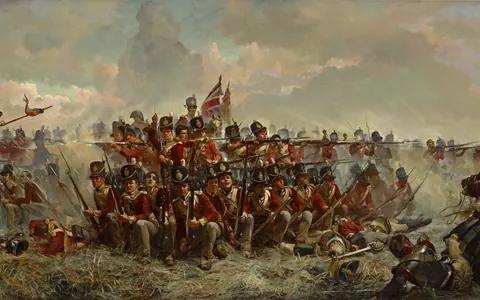
- 1815The Battle of Waterloo, 1815Coalition (Britain, Prussia) vs French Empire
Napoleon's last gamble, undone by a defiant ridge, unbroken infantry squares, and the Prussians arriving out of the woods just in time.

The industrial age 1815 to 1914 · 11
- 1845Battle of Vuelta de Obligado, 1845Argentine Confederation vs United Kingdom and France
On 20 November 1845 Argentina chained the Paraná River against an Anglo-French squadron. The squadron broke through, but the peace that followed recognized Argentine sovereignty.
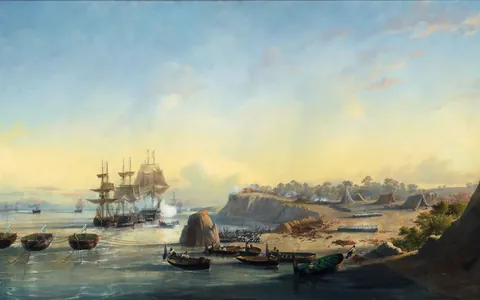
- 1854Siege of Sevastopol, 1854Britain, France and the Ottoman Empire vs Russian Empire
On 17 October 1854 the Allies opened their first bombardment of Sevastopol. Two magazines exploded, Admiral Kornilov was killed, and the Crimean War became an eleven-month siege.
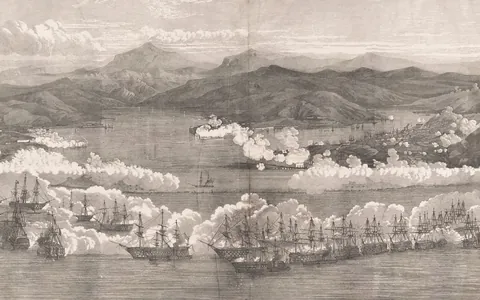
- 1854Battle of the Alma, 1854Britain and France (with Ottoman allies) vs Russian Empire
How the British and French stormed the Russian heights above the Alma in the first great battle of the Crimean War.
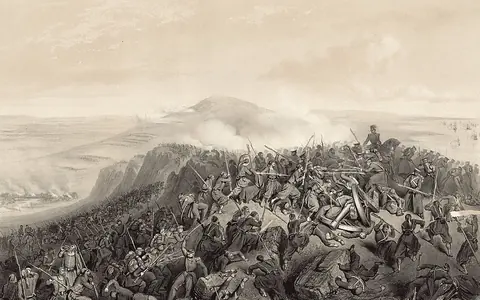
- 1854The Battle of Balaclava, 1854Britain, France and the Ottomans vs Russian Empire
The Crimean War clash of 25 October 1854 that gave history the Thin Red Line and the tragic Charge of the Light Brigade, immortalized by Tennyson.
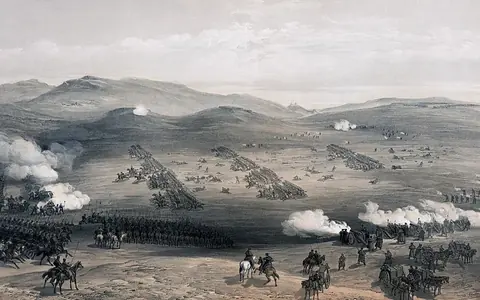
- 1855Battle of Eupatoria, 1855Ottoman Empire, with a French detachment and British, French and Ottoman warships vs Russian Empire
At daybreak on 17 February 1855 a Russian army with eighty guns struck the Ottoman garrison of Eupatoria. Behind half-finished earthworks, with warships firing from the bay, Omer Pasha's troops beat off three assaults.
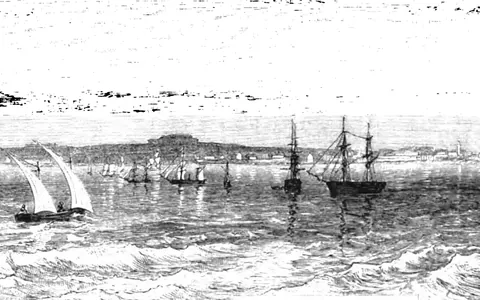
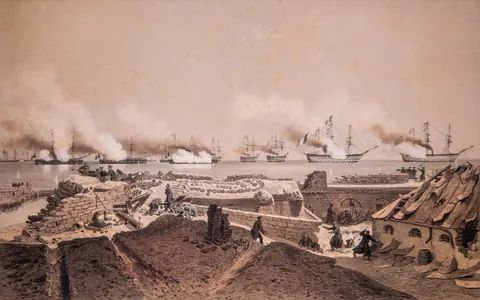
- 1855Battle of Kinburn, 1855France and Britain vs Russian Empire
On 17 October 1855 three French armored floating batteries shot the Russian fort at Kinburn to pieces and barely took a scratch: the first battle of the ironclad age.
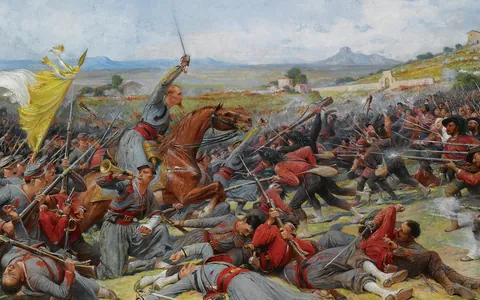
- 1867Battle of Mentana, 1867Papal States and France vs Garibaldi's volunteers
On 3 November 1867 papal troops and a French brigade with the new chassepot rifle stopped Garibaldi's volunteers at Mentana, a few hours' march from Rome.
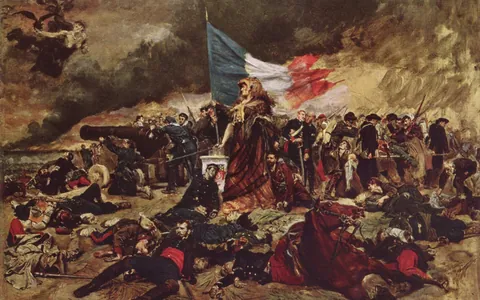
- 1870Siege of Paris, 1870-1871France (Government of National Defense) vs Prussia and the German states
From September 1870 to January 1871 German armies besieged Paris; the city sent its letters out by balloon, ate its zoo animals and finally capitulated on 28 January.
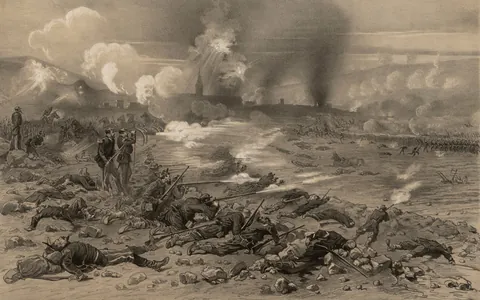
- 1870Battle of Spicheren, 1870Kingdom of Prussia and North German Confederation vs French Empire
On 6 August 1870 Prussian divisions marching to the sound of the guns stormed the Spicheren heights above Saarbrücken and drove Frossard's corps back towards Metz.
- 1870Battle of Coulmiers, 1870French Republic vs Bavaria and Prussia
On 9 November 1870 France's newly raised Army of the Loire beat the Bavarians at Coulmiers and won back Orléans, one of the few French victories of the war.
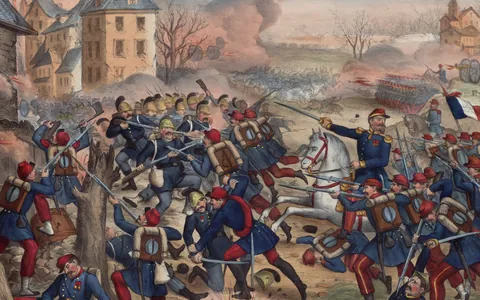
- 1870Battle of Beaune-la-Rolande, 1870Kingdom of Prussia and allies (Second Army) vs French Republic (Army of the Loire)
On 28 November 1870 two French corps marching to relieve Paris struck the Prussian X Corps at Beaune-la-Rolande. Outnumbered, it held on until help came at dusk.
The First World War 1914 to 1919 · 11
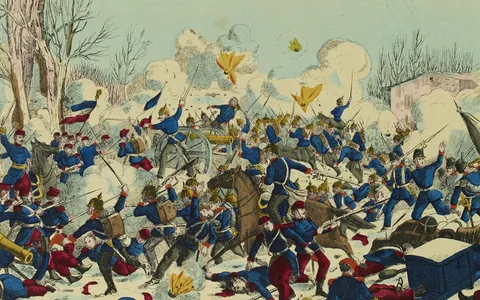
- 1914First Battle of Champagne, 1914 to 1915France vs German Empire
On 20 December 1914 Joffre's Fourth Army attacked the German trenches in Champagne. Three months and tens of thousands of casualties later, it had gained three kilometers.
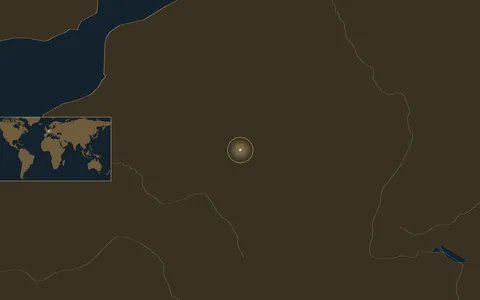
- 1914Battle of Lorraine, 1914French Republic vs German Empire
On 14 August 1914 two French armies invaded German Lorraine under Plan XVII; within a week they were thrown back at Sarrebourg and Morhange.
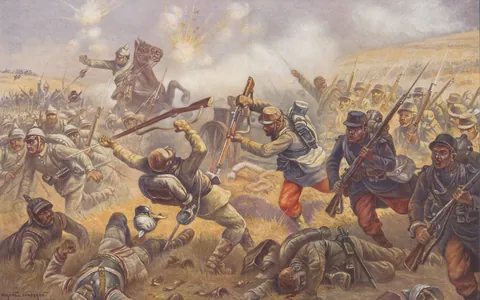
- 1914The First Marne, 1914France and Britain vs German Empire
The counterattack that saved Paris and turned the war into trenches.
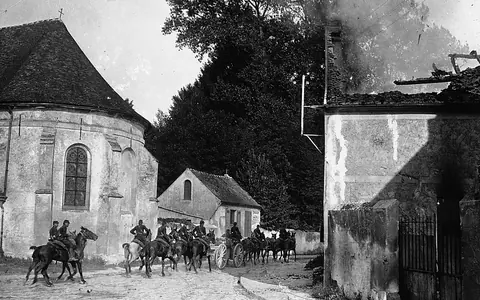
- 1914Battle of Penang, 1914German Empire vs Russian Empire and France
At dawn on 28 October 1914 the German cruiser Emden, disguised with a false funnel, sank the Russian cruiser Zhemchug and the French destroyer Mousquet at Penang.
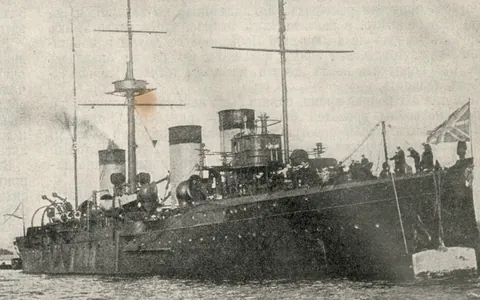
- 1915The Gallipoli Campaign, 1915Allies (British Empire, ANZAC, France) vs Ottoman Empire
How the Allied attempt to force the Dardanelles in 1915 turned into a grinding stalemate and gave birth to the ANZAC legend.
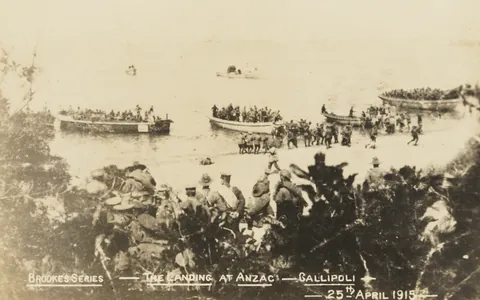
- 1915Second Battle of Artois, 1915France (Tenth Army), with the British First Army vs German Empire (Sixth Army)
On 9 May 1915 Pétain's corps and the Moroccan Division broke through north of Arras and reached the crest of Vimy Ridge within hours. By nightfall they had lost it.
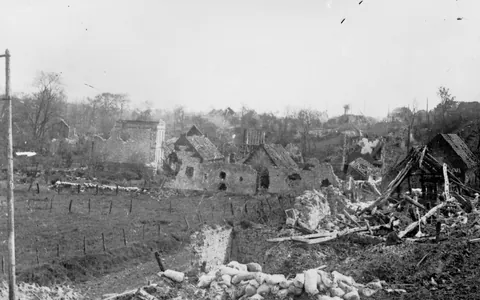
- 1916The Battle of Verdun, 1916France vs German Empire
Ten months of grinding slaughter around a French fortress, the longest battle of the First World War.
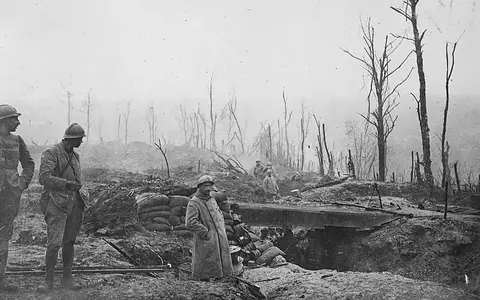
- 1916The Somme, 1916Britain and France vs German Empire
A million casualties and the symbol of industrial war.
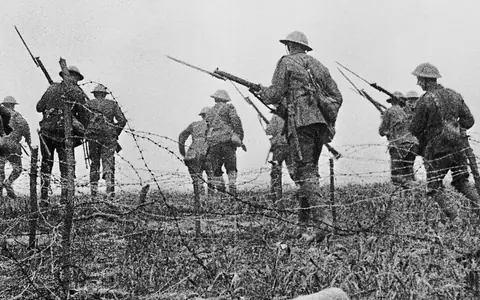
- 1918Battle of Belleau Wood, 1918United States (with French support) vs German Empire
The US Marines' brutal three-week fight that helped stop the German drive on Paris.
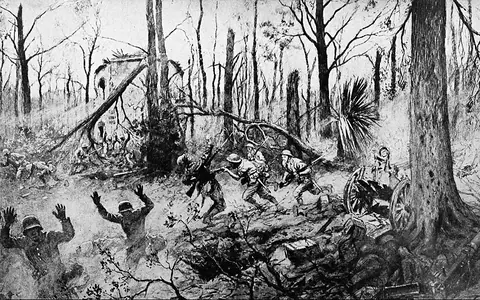
- 1918The Hundred Days Offensive, 1918Allied Powers (Britain and the Empire, France, United States, Belgium) vs German Empire
From Amiens on 8 August to the armistice of 11 November 1918, British Empire, French, American and Belgian armies broke the German army in the west.
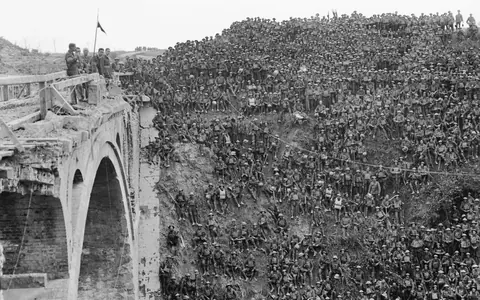
- 1918The Meuse-Argonne Offensive, 1918United States (with France) vs German Empire
More than a million Americans, 47 days, and the end of the war.
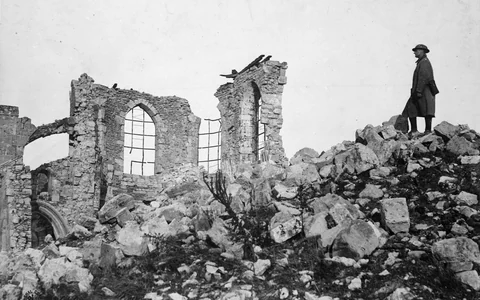
The Second World War 1939 to 1945 · 4
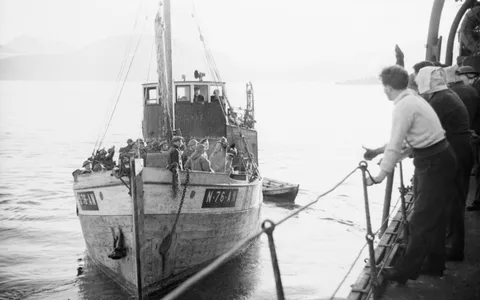
- 1940The Battle of Narvik, 1940Norway, Britain, France and Poland vs Germany
Polish mountain troops among the fjords of northern Norway.
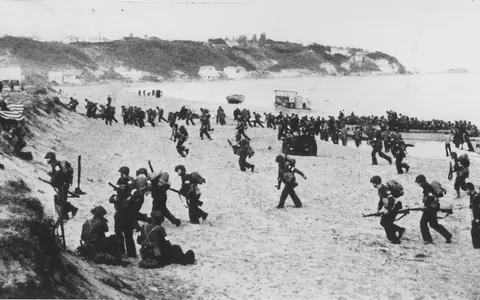
- 1942Operation Torch, 1942United States and United Kingdom (Allies) vs Vichy France
On 8 November 1942 American and British troops landed in Vichy French Morocco and Algeria. How Operation Torch was fought, who won and why it mattered.
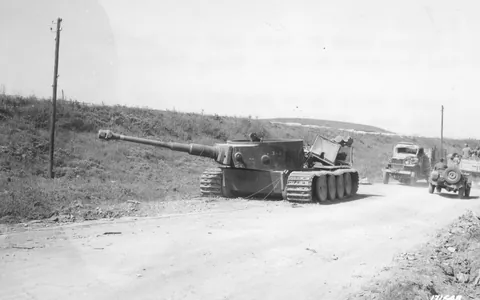
- 1943Operation Ochsenkopf, 1943Germany and Italy (5th Panzer Army) vs United Kingdom and France (British First Army)
On 26 February 1943 von Arnim threw Tiger tanks at the British front in northern Tunisia. A battalion and a battery at Sidi Nsir held them for a day, and at Hunt's Gap the panzers were shot to pieces.
- 1944The Battle of Falaise, 1944Allies (USA, Britain, Canada, Poland, Free France) vs Germany
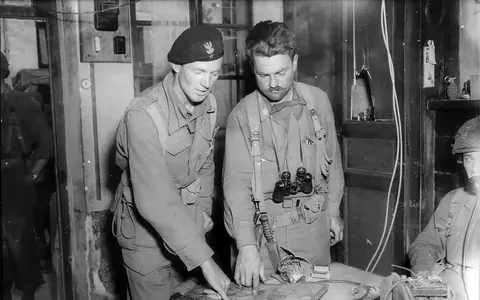
The Polish armored division corked the Falaise Pocket.
Since 1945 2
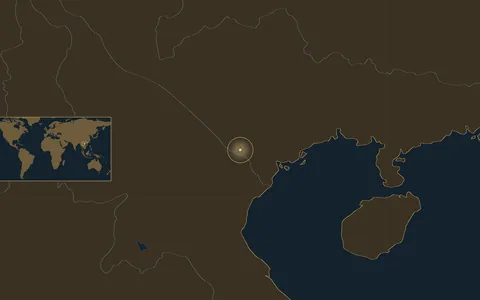
- 1951Battle of Vĩnh Yên, 1951French Union vs Việt Minh
In January 1951 Giáp threw 21 battalions at the French line northwest of Hanoi. With aircraft, guns and napalm, de Lattre's outnumbered troops held, and the delta was saved.
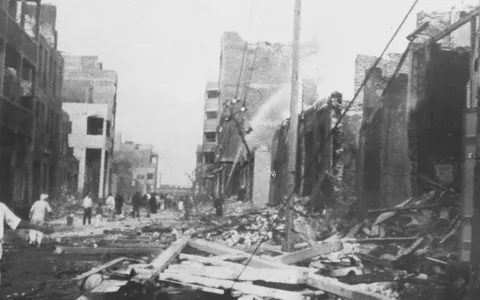
- 1956The Suez Crisis, 1956Israel, United Kingdom and France vs Egypt
On 29 October 1956 Israel invaded Sinai under a secret plan with Britain and France, who then attacked Egypt over the Suez Canal. US and UN pressure forced all three to withdraw.
Timeline
- 52 BCCaesar takes Alesia and Vercingetorix surrenders (Battle of Alesia).66
- 732Charles Martel defeats an Umayyad army between Poitiers and Tours (Battle of Tours).67
- 1066Duke William of Normandy conquers England (Battle of Hastings).68
- 1214Philip II Augustus defeats Otto IV and his allies at Bouvines.69
- 1346Edward III defeats Philip VI (Battle of Crécy).70
- 1415Henry V defeats a larger French army (Battle of Agincourt).71
- 1429Joan of Arc helps to lift the siege of Orléans; Charles VII is crowned at Reims.72
- 1453The French victory at Castillon ends the Hundred Years' War in Guyenne.73
- 1525Francis I is defeated and captured (Battle of Pavia).74
- 1643Enghien defeats the Spanish army (Battle of Rocroi).75
- 1704Marlborough and Eugene destroy a Franco-Bavarian army (Battle of Blenheim).76
- 1781French and American forces take Cornwallis's army (Siege of Yorktown).77
- 1792
- 1805Napoleon defeats Austria and Russia (Battle of Austerlitz).79
- 1815Napoleon is defeated for the last time (Battle of Waterloo).80
- 1870Napoleon III surrenders at Sedan; the republic is proclaimed in Paris.81
- 1916The Battle of Verdun lasts from February to December.82
- 1940The German offensive defeats France; armistice on 22 June and de Gaulle's call from London.83
- 1944Paris is liberated on 25 August (Battle of Normandy).84
- 1954Dien Bien Phu falls on 7 May; the Algerian War begins in November.85
Legacy and further reading
France's wars left a dense landscape of memory: the Invalides in Paris, with the Musée de l'Armée and Napoleon's tomb under its dome, the unknown soldier of World War I buried under the Arc de Triomphe in 1920, and war memorials raised after 1918 in almost every commune.86
For more, see the greatest battles of France, the greatest commanders of France, the greatest Napoleonic battles and our French battles quiz. The era pages (antiquity, Middle Ages, early modern, Napoleonic, industrial age, World War I, World War II) set these battles beside other nations. The Hundred Years' War has its own hub, and the military history of Britain tells many of the same wars from across the Channel.
Notes
A number in the text points to a note; each note names the works that paragraph draws on, listed in full under Sources.
- Encyclopaedia Britannica, “France”; Larousse, “Capétiens”. ↩
- Encyclopaedia Britannica, “Vercingetorix”; Larousse, “Vercingétorix”. ↩
- Larousse, “Francs”; Encyclopaedia Britannica, “Treaty of Verdun”; Encyclopaedia Britannica, “Capetian dynasty”. ↩
- Encyclopaedia Britannica, “Rollo”; Encyclopaedia Britannica, “Battle of Hastings”; English Heritage, “1066 and the Norman Conquest”. ↩
- Encyclopaedia Britannica, “Battle of Alesia”; Larousse, “Alésia”. ↩
- Encyclopaedia Britannica, “Clovis I”; Larousse, “Clovis”. ↩
- Encyclopaedia Britannica, “Battle of Tours”; Larousse, “Charles Martel”. ↩
- Encyclopaedia Britannica, “Battle of Hastings”; English Heritage, “1066 and the Norman Conquest”; Encyclopaedia Britannica, “Hundred Years' War”. ↩
- Larousse, “Capétiens”; Encyclopaedia Britannica, “Battle of Bouvines”; Larousse, “bataille de Bouvines”. ↩
- Larousse, “les croisades”; Encyclopaedia Britannica, “Battle of Arsuf”. ↩
- Encyclopaedia Britannica, “Battle of Nicopolis”; Larousse, “bataille de Nicopolis”. ↩
- Encyclopaedia Britannica, “Hundred Years' War”; Larousse, “guerre de Cent Ans”. ↩
- Larousse, “bataille de Crécy”; Encyclopaedia Britannica, “Battle of Poitiers”; Encyclopaedia Britannica, “Treaty of Brétigny”. ↩
- Encyclopaedia Britannica, “Bertrand du Guesclin”; Larousse, “guerre de Cent Ans”; Encyclopaedia Britannica, “Battle of Montiel”. ↩
- Larousse, “bataille d'Azincourt”; Encyclopaedia Britannica, “Battle of Agincourt”; Encyclopaedia Britannica, “Treaty of Troyes”; Encyclopaedia Britannica, “Archibald Douglas, 4th earl of Douglas”; Larousse, “guerre de Cent Ans”. ↩
- Encyclopaedia Britannica, “Saint Joan of Arc”; Larousse, “sainte Jeanne d'Arc”; Encyclopaedia Britannica, “Battle of Castillon”; Larousse, “guerre de Cent Ans”. ↩
- Larousse, “bataille de Fornoue”; Encyclopaedia Britannica, “Battle of Fornovo”; Encyclopaedia Britannica, “Italian Wars”. ↩
- Larousse, “La Bicoque”; Encyclopaedia Britannica, “Battle of Pavia”; Larousse, “bataille de Pavie”; Encyclopaedia Britannica, “Italian Wars”. ↩
- Encyclopaedia Britannica, “Wars of Religion”; Larousse, “guerres de Religion”; Musée protestant, “The third war of religion (1568-1570)”. ↩
- Musée protestant, “Maison Jean Guiton, 3 rue des Merciers”; Encyclopaedia Britannica, “Siege of La Rochelle”; Larousse, “Benjamin de Rohan, seigneur de Soubise”. ↩
- Encyclopaedia Britannica, “Battle of Rocroi”; Larousse, “Rocroi”; Encyclopaedia Britannica, “Battle of Freiburg”; Encyclopaedia Britannica, “Thirty Years' War”; Encyclopaedia Britannica, “Henri de La Tour d'Auvergne, vicomte de Turenne”; Larousse, “Henri de La Tour d'Auvergne, vicomte de Turenne”. ↩
- Encyclopaedia Britannica, “Louis XIV”; Larousse, “Sébastien Le Prestre, seigneur de Vauban”; EBSCO Research Starters, “Battle of Saint Gotthard”; Larousse, “bataille de Saint-Gotthard”; Larousse, “Abraham, marquis Duquesne”; Royal Museums Greenwich, “Marquis Abraham Duquesne (1610-1688)”. ↩
- Larousse, “Beachy Head”; Encyclopaedia Britannica, “Battle of Beachy Head”; Larousse, “Staffarde”; National Army Museum, “Battle of the Boyne”. ↩
- Encyclopaedia Britannica, “War of the Spanish Succession”; Larousse, “guerre de la Succession d'Espagne”; National Army Museum, “Battle of Blenheim”; Larousse, “Almansa”; Larousse, “traités d'Utrecht”. ↩
- Encyclopaedia Britannica, “War of the Austrian Succession”; National Army Museum, “Battle of Dettingen”; Larousse, “Dettingen”; Larousse, “bataille de Fontenoy”; National Army Museum, “Sir John Ligonier's martyred road at Rocoux”; Royal Collection Trust, “Map of the battle of Raucoux, 1746”; William Laird Clowes, The Royal Navy; Royal Collection Trust, “Naval battle at Cape Finisterre, 1747”. ↩
- National Park Service, “Jumonville Glen”; American Battlefield Trust, “Jumonville Glen”; Royal Museums Greenwich, “Admiral John Byng”; Larousse, “guerre de Sept Ans”; American Battlefield Trust, “Carillon”; Larousse, “Louis Joseph, marquis de Montcalm de Saint-Véran”. ↩
- Larousse, “bataille de Rossbach”; Encyclopaedia Britannica, “Battle of Plassey”; Encyclopaedia Britannica, “Treaty of Paris (1763)”; Larousse, “guerre de Sept Ans”. ↩
- Office of the Historian, “The French Alliance”; American Battlefield Trust, “Savannah”; Larousse, “guerre de l'Indépendance américaine”; Encyclopaedia Britannica, “Siege of Yorktown”; National Park Service, “Battle of the Capes”; Larousse, “François Joseph Paul, marquis de Grasse-Tilly, comte de Grasse”; Encyclopaedia Britannica, “Marquis de Lafayette”. ↩
- Encyclopaedia Britannica, “Battle of Valmy”; Larousse, “bataille de Valmy”; Encyclopaedia Britannica, “French revolutionary wars”; Larousse, “Wattignies-la-Victoire”. ↩
- Encyclopaedia Britannica, “Wars of the Vendée”; Encyclopædia Universalis, “Guerres de Vendée”. ↩
- Larousse, “Napoléon Ier”; Encyclopaedia Britannica, “Napoleon I”; Encyclopaedia Britannica, “Haitian Revolution”; Larousse, “Jean-Jacques Dessalines”. ↩
- Encyclopaedia Britannica, “Battle of Austerlitz”; Fondation Napoléon, “Austerlitz, 2 December 1805”; Larousse, “bataille de Trafalgar”; Encyclopaedia Britannica, “Napoleon I”. ↩
- Encyclopaedia Britannica, “Peninsular War”; Larousse, “guerre d'indépendance d'Espagne”. ↩
- Encyclopaedia Britannica, “Battle of Borodino”; Larousse, “bataille de la Moskova”; Larousse, “bataille de Leipzig”; Fondation Napoléon, “1814”; Larousse, “bataille de Waterloo”; National Army Museum, “Battle of Waterloo”. ↩
- Larousse, “Algérie”; Encyclopaedia Britannica, “Algeria”; Larousse, “Abd el-Kader”. ↩
- Encyclopaedia Britannica, “Crimean War”; National Army Museum, “Crimean War”; Encyclopaedia Britannica, “Battle of Solferino”; Larousse, “bataille de Solferino”. ↩
- Larousse, “guerre franco-allemande”; Larousse, “bataille de Sedan”; Fondation Napoléon, “La bataille de Sedan”; Larousse, “les armées de la Loire”; Encyclopaedia Britannica, “Treaty of Frankfurt”. ↩
- Encyclopaedia Britannica, “First Battle of the Marne”; Larousse, “bataille de la Marne”; Musée de l'Armée, “Marne taxi”; Larousse, “Première Guerre mondiale”. ↩
- Encyclopaedia Britannica, “Battle of Verdun”; Larousse, “bataille de Verdun”; Imperial War Museums, “The Battle of the Somme”; Encyclopaedia Britannica, “First Battle of the Somme”. ↩
- Encyclopaedia Britannica, “Ferdinand Foch”; Imperial War Museums, “The Hundred Days offensive”; Encyclopaedia Britannica, “Battles of the Meuse-Argonne”; Ministère des Armées, “Un deuil national”; Encyclopaedia Britannica, “World War I”. ↩
- Encyclopaedia Britannica, “World War II”; Larousse, “campagne de France (10 mai-25 juin 1940)”; Encyclopaedia Britannica, “Battle of France”; Imperial War Museums, “What you need to know about the Dunkirk evacuations”. ↩
- Encyclopaedia Britannica, “Vichy France”; Larousse, “État français”; Larousse, “la France libre”; Encyclopaedia Britannica, “Free French”. ↩
- Larousse, “Bir Hakeim”; Encyclopaedia Britannica, “Marie-Pierre Koenig”; Encyclopaedia Britannica, “Operation Torch”. ↩
- Larousse, “bataille de Normandie”; Larousse, “débarquement de Provence”; Larousse, “Libération de Paris”; Imperial War Museums, “The Battle of the Falaise Pocket”. ↩
- Larousse, “guerre d'Indochine”; Larousse, “bataille de Diên Biên Phu”; Office of the Historian, “Dien Bien Phu and the Fall of French Indochina, 1954”. ↩
- Larousse, “guerre d'Algérie”; Encyclopaedia Britannica, “Algerian War of Independence”; Office of the Historian, “The Suez Crisis, 1956”; Encyclopaedia Britannica, “Suez Crisis”. ↩
- Encyclopaedia Britannica, “Battle of Alesia”; Larousse, “Vercingétorix”. ↩
- Encyclopaedia Britannica, “Battle of Tours”; Larousse, “Charles Martel”. ↩
- Larousse, “les croisades”; Encyclopaedia Britannica, “Battle of Nicopolis”. ↩
- Encyclopaedia Britannica, “Hundred Years' War”; Larousse, “guerre de Cent Ans”. ↩
- Encyclopaedia Britannica, “Italian Wars”; Larousse, “guerres d'Italie”. ↩
- Encyclopaedia Britannica, “Wars of Religion”; Larousse, “guerres de Religion”. ↩
- Encyclopaedia Britannica, “Thirty Years' War”; Larousse, “Rocroi”. ↩
- Encyclopaedia Britannica, “Battle of Beachy Head”; Larousse, “guerre de la ligue d'Augsbourg”. ↩
- Encyclopaedia Britannica, “War of the Spanish Succession”; Larousse, “guerre de la Succession d'Espagne”. ↩
- Encyclopaedia Britannica, “War of the Austrian Succession”; Larousse, “bataille de Fontenoy”. ↩
- Encyclopaedia Britannica, “Seven Years' War”; Larousse, “guerre de Sept Ans”. ↩
- Office of the Historian, “The French Alliance”; Larousse, “guerre de l'Indépendance américaine”. ↩
- Encyclopaedia Britannica, “French revolutionary wars”; Larousse, “Napoléon Ier”. ↩
- Encyclopaedia Britannica, “Crimean War”; National Army Museum, “Crimean War”. ↩
- Larousse, “guerre franco-allemande”; Encyclopaedia Britannica, “Treaty of Frankfurt”. ↩
- Encyclopaedia Britannica, “World War I”; Ministère des Armées, “Un deuil national”. ↩
- Larousse, “campagne de France (10 mai-25 juin 1940)”; Encyclopaedia Britannica, “Free French”. ↩
- Larousse, “guerre d'Indochine”; Office of the Historian, “Dien Bien Phu and the Fall of French Indochina, 1954”. ↩
- Encyclopaedia Britannica, “Charles Martel”; Encyclopaedia Britannica, “Saint Joan of Arc”; Larousse, “Henri de La Tour d'Auvergne, vicomte de Turenne”; Encyclopaedia Britannica, “Napoleon I”; Encyclopaedia Britannica, “Marquis de Lafayette”; Encyclopaedia Britannica, “Charles de Gaulle”. ↩
- Encyclopaedia Britannica, “Battle of Alesia”; Larousse, “Alésia”. ↩
- Encyclopaedia Britannica, “Battle of Tours”; Larousse, “Charles Martel”. ↩
- Encyclopaedia Britannica, “Battle of Hastings”; English Heritage, “1066 and the Norman Conquest”. ↩
- Encyclopaedia Britannica, “Battle of Bouvines”; Larousse, “bataille de Bouvines”. ↩
- Larousse, “bataille de Crécy”; Encyclopaedia Britannica, “Hundred Years' War”. ↩
- Larousse, “bataille d'Azincourt”; Encyclopaedia Britannica, “Battle of Agincourt”. ↩
- Encyclopaedia Britannica, “Saint Joan of Arc”; Larousse, “sainte Jeanne d'Arc”. ↩
- Encyclopaedia Britannica, “Battle of Castillon”; Larousse, “guerre de Cent Ans”. ↩
- Encyclopaedia Britannica, “Battle of Pavia”; Larousse, “bataille de Pavie”. ↩
- Encyclopaedia Britannica, “Battle of Rocroi”; Larousse, “Rocroi”. ↩
- National Army Museum, “Battle of Blenheim”; Encyclopaedia Britannica, “War of the Spanish Succession”. ↩
- Encyclopaedia Britannica, “Siege of Yorktown”; Larousse, “guerre de l'Indépendance américaine”. ↩
- Encyclopaedia Britannica, “Battle of Valmy”; Larousse, “bataille de Valmy”. ↩
- Encyclopaedia Britannica, “Battle of Austerlitz”; Fondation Napoléon, “Austerlitz, 2 December 1805”. ↩
- Larousse, “bataille de Waterloo”; National Army Museum, “Battle of Waterloo”. ↩
- Larousse, “bataille de Sedan”; Fondation Napoléon, “La bataille de Sedan”. ↩
- Encyclopaedia Britannica, “Battle of Verdun”; Larousse, “bataille de Verdun”. ↩
- Larousse, “campagne de France (10 mai-25 juin 1940)”; Encyclopaedia Britannica, “Free French”. ↩
- Larousse, “Libération de Paris”; Encyclopaedia Britannica, “Normandy Invasion”. ↩
- Larousse, “bataille de Diên Biên Phu”; Encyclopaedia Britannica, “Algerian War of Independence”. ↩
- Musée de l'Armée, “The Dome, tomb of Napoleon”; Ministère des Armées, “Un deuil national”; Ministère des Armées, “Les monuments aux morts”. ↩
Sources
- Encyclopaedia Britannica, “France: History”.
- Larousse, Encyclopédie, “Capétiens”.
- Encyclopaedia Britannica, “Vercingetorix”.
- Larousse, Encyclopédie, “Vercingétorix”.
- Larousse, Encyclopédie, “Francs”.
- Encyclopaedia Britannica, “Treaty of Verdun”.
- Encyclopaedia Britannica, “Capetian dynasty”.
- Encyclopaedia Britannica, “Rollo”.
- Encyclopaedia Britannica, “Battle of Hastings”.
- English Heritage, “1066 and the Norman Conquest”.
- Encyclopaedia Britannica, “Battle of Alesia”.
- Larousse, Encyclopédie, “Alésia”.
- Encyclopaedia Britannica, “Clovis I”.
- Larousse, Encyclopédie, “Clovis”.
- Encyclopaedia Britannica, “Battle of Tours”.
- Larousse, Encyclopédie, “Charles Martel”.
- Encyclopaedia Britannica, “Hundred Years' War”.
- Encyclopaedia Britannica, “Battle of Bouvines”.
- Larousse, Encyclopédie, “bataille de Bouvines”.
- Larousse, Encyclopédie, “les croisades”.
- Encyclopaedia Britannica, “Battle of Arsuf”.
- Encyclopaedia Britannica, “Battle of Nicopolis”.
- Larousse, Encyclopédie, “bataille de Nicopolis”.
- Larousse, Encyclopédie, “guerre de Cent Ans”.
- Larousse, Encyclopédie, “bataille de Crécy”.
- Encyclopaedia Britannica, “Battle of Poitiers”.
- Encyclopaedia Britannica, “Treaty of Brétigny”.
- Encyclopaedia Britannica, “Bertrand du Guesclin”.
- Encyclopaedia Britannica, “Battle of Montiel”.
- Larousse, Encyclopédie, “bataille d'Azincourt”.
- Encyclopaedia Britannica, “Battle of Agincourt”.
- Encyclopaedia Britannica, “Treaty of Troyes”.
- Encyclopaedia Britannica, “Archibald Douglas, 4th earl of Douglas”.
- Encyclopaedia Britannica, “Saint Joan of Arc”.
- Larousse, Encyclopédie, “sainte Jeanne d'Arc”.
- Encyclopaedia Britannica, “Battle of Castillon”.
- Larousse, Encyclopédie, “bataille de Fornoue”.
- Encyclopaedia Britannica, “Battle of Fornovo”.
- Encyclopaedia Britannica, “Italian Wars”.
- Larousse, Encyclopédie, “La Bicoque”.
- Encyclopaedia Britannica, “Battle of Pavia”.
- Larousse, Encyclopédie, “bataille de Pavie”.
- Encyclopaedia Britannica, “Wars of Religion”.
- Larousse, Encyclopédie, “guerres de Religion”.
- Musée protestant, “The third war of religion (1568-1570)”.
- Musée protestant, “Maison Jean Guiton, 3 rue des Merciers”.
- Encyclopaedia Britannica, “Siege of La Rochelle”.
- Larousse, Encyclopédie, “Benjamin de Rohan, seigneur de Soubise”.
- Encyclopaedia Britannica, “Battle of Rocroi”.
- Larousse, Encyclopédie, “Rocroi”.
- Encyclopaedia Britannica, “Battle of Freiburg”.
- Encyclopaedia Britannica, “Thirty Years' War”.
- Encyclopaedia Britannica, “Henri de La Tour d'Auvergne, vicomte de Turenne”.
- Larousse, Encyclopédie, “Henri de La Tour d'Auvergne, vicomte de Turenne”.
- Encyclopaedia Britannica, “Louis XIV”.
- Larousse, Encyclopédie, “Sébastien Le Prestre, seigneur de Vauban”.
- EBSCO Research Starters, “Battle of Saint Gotthard”.
- Larousse, Encyclopédie, “bataille de Saint-Gotthard”.
- Larousse, Encyclopédie, “Abraham, marquis Duquesne”.
- Royal Museums Greenwich, “Marquis Abraham Duquesne (1610-1688)”.
- Larousse, Encyclopédie, “Beachy Head”.
- Encyclopaedia Britannica, “Battle of Beachy Head”.
- Larousse, Encyclopédie, “Staffarde”.
- National Army Museum, “Battle of the Boyne”.
- Encyclopaedia Britannica, “War of the Spanish Succession”.
- Larousse, Encyclopédie, “guerre de la Succession d'Espagne”.
- National Army Museum, “Battle of Blenheim”.
- Larousse, Encyclopédie, “Almansa”.
- Larousse, Encyclopédie, “traités d'Utrecht”.
- Encyclopaedia Britannica, “War of the Austrian Succession”.
- National Army Museum, “Battle of Dettingen”.
- Larousse, Encyclopédie, “Dettingen”.
- Larousse, Encyclopédie, “bataille de Fontenoy”.
- National Army Museum, “Sir John Ligonier's martyred road at Rocoux”.
- Royal Collection Trust, Military Maps, “Map of the battle of Raucoux, 1746”.
- William Laird Clowes, The Royal Navy: A History from the Earliest Times to the Present, vol. 3 (London: Sampson Low, Marston, 1898), via Internet Archive, “The Royal Navy: A History from the Earliest Times to the Present, vol. 3”.
- Royal Collection Trust, Military Maps, “Naval battle at Cape Finisterre, 1747”.
- National Park Service, Fort Necessity National Battlefield, “Jumonville Glen”.
- American Battlefield Trust, “Jumonville Glen”.
- Royal Museums Greenwich, “Admiral John Byng”.
- Larousse, Encyclopédie, “guerre de Sept Ans”.
- American Battlefield Trust, “Carillon”.
- Larousse, Encyclopédie, “Louis Joseph, marquis de Montcalm de Saint-Véran”.
- Larousse, Encyclopédie, “bataille de Rossbach”.
- Encyclopaedia Britannica, “Battle of Plassey”.
- Encyclopaedia Britannica, “Treaty of Paris (1763)”.
- Office of the Historian, U.S. Department of State, “The French Alliance”.
- American Battlefield Trust, “Savannah”.
- Larousse, Encyclopédie, “guerre de l'Indépendance américaine”.
- Encyclopaedia Britannica, “Siege of Yorktown”.
- National Park Service, Colonial National Historical Park, “Battle of the Capes”.
- Larousse, Encyclopédie, “François Joseph Paul, marquis de Grasse-Tilly, comte de Grasse”.
- Encyclopaedia Britannica, “Marquis de Lafayette”.
- Encyclopaedia Britannica, “Battle of Valmy”.
- Larousse, Encyclopédie, “bataille de Valmy”.
- Encyclopaedia Britannica, “French revolutionary wars”.
- Larousse, Encyclopédie, “Wattignies-la-Victoire”.
- Encyclopaedia Britannica, “Wars of the Vendée”.
- Encyclopædia Universalis, “Guerres de Vendée”.
- Larousse, Encyclopédie, “Napoléon Ier”.
- Encyclopaedia Britannica, “Napoleon I”.
- Encyclopaedia Britannica, “Haitian Revolution”.
- Larousse, Encyclopédie, “Jean-Jacques Dessalines”.
- Encyclopaedia Britannica, “Battle of Austerlitz”.
- Fondation Napoléon, “Austerlitz, 2 December 1805: a timeline”.
- Larousse, Encyclopédie, “bataille de Trafalgar”.
- Encyclopaedia Britannica, “Peninsular War”.
- Larousse, Encyclopédie, “guerre d'indépendance d'Espagne”.
- Encyclopaedia Britannica, “Battle of Borodino”.
- Larousse, Encyclopédie, “bataille de la Moskova”.
- Larousse, Encyclopédie, “bataille de Leipzig”.
- Fondation Napoléon, “1814: the French campaign”.
- Larousse, Encyclopédie, “bataille de Waterloo”.
- National Army Museum, “Battle of Waterloo”.
- Larousse, Encyclopédie, “Algérie : histoire”.
- Encyclopaedia Britannica, “Algeria: Colonial rule”.
- Larousse, Encyclopédie, “Abd el-Kader”.
- Encyclopaedia Britannica, “Crimean War”.
- National Army Museum, “Crimean War”.
- Encyclopaedia Britannica, “Battle of Solferino”.
- Larousse, Encyclopédie, “bataille de Solferino”.
- Larousse, Encyclopédie, “guerre franco-allemande”.
- Larousse, Encyclopédie, “bataille de Sedan”.
- Fondation Napoléon, “La bataille de Sedan”.
- Larousse, Encyclopédie, “les armées de la Loire”.
- Encyclopaedia Britannica, “Treaty of Frankfurt”.
- Encyclopaedia Britannica, “First Battle of the Marne”.
- Larousse, Encyclopédie, “bataille de la Marne”.
- Musée de l'Armée, “Marne taxi”.
- Larousse, Encyclopédie, “Première Guerre mondiale”.
- Encyclopaedia Britannica, “Battle of Verdun”.
- Larousse, Encyclopédie, “bataille de Verdun”.
- Imperial War Museums, “The Battle of the Somme: key facts”.
- Encyclopaedia Britannica, “First Battle of the Somme”.
- Encyclopaedia Britannica, “Ferdinand Foch”.
- Imperial War Museums, “The Hundred Days offensive”.
- Encyclopaedia Britannica, “Battles of the Meuse-Argonne”.
- Ministère des Armées, Chemins de mémoire, “Un deuil national”.
- Encyclopaedia Britannica, “World War I: Killed, wounded, and missing”.
- Encyclopaedia Britannica, “World War II: The invasion of Norway”.
- Larousse, Encyclopédie, “campagne de France (10 mai-25 juin 1940)”.
- Encyclopaedia Britannica, “Battle of France”.
- Imperial War Museums, “What you need to know about the Dunkirk evacuations”.
- Encyclopaedia Britannica, “Vichy France”.
- Larousse, Encyclopédie, “État français”.
- Larousse, Encyclopédie, “la France libre”.
- Encyclopaedia Britannica, “Free French”.
- Larousse, Encyclopédie, “Bir Hakeim”.
- Encyclopaedia Britannica, “Marie-Pierre Koenig”.
- Encyclopaedia Britannica, “Operation Torch”.
- Larousse, Encyclopédie, “bataille de Normandie”.
- Larousse, Encyclopédie, “débarquement de Provence”.
- Larousse, Encyclopédie, “Libération de Paris”.
- Imperial War Museums, “The Battle of the Falaise Pocket”.
- Larousse, Encyclopédie, “guerre d'Indochine”.
- Larousse, Encyclopédie, “bataille de Diên Biên Phu”.
- Office of the Historian, U.S. Department of State, “Dien Bien Phu and the Fall of French Indochina, 1954”.
- Larousse, Encyclopédie, “guerre d'Algérie”.
- Encyclopaedia Britannica, “Algerian War of Independence”.
- Office of the Historian, U.S. Department of State, “The Suez Crisis, 1956”.
- Encyclopaedia Britannica, “Suez Crisis”.
- Larousse, Encyclopédie, “guerres d'Italie”.
- Larousse, Encyclopédie, “guerre de la ligue d'Augsbourg”.
- Encyclopaedia Britannica, “Seven Years' War”.
- Encyclopaedia Britannica, “World War I”.
- Encyclopaedia Britannica, “Charles Martel”.
- Encyclopaedia Britannica, “Charles de Gaulle”.
- Encyclopaedia Britannica, “Normandy Invasion”.
- Musée de l'Armée, “The Dome, tomb of Napoleon”.
- Ministère des Armées, Chemins de mémoire, “Les monuments aux morts”.





