

What is the military history of Italy?
It is the history of the wars fought by the states of the Italian peninsula: Venice, Milan, the Papal States, Naples and Savoy-Piedmont, then the Kingdom of Italy from 1861 to 1946. Its milestones run from the Italian Wars and Lepanto through the Risorgimento, Adwa and Caporetto to the armistice of 1943.1
Italy is a young state with a very old military past. For most of that past the peninsula was divided among rival states, and for centuries it was the battlefield where France, Spain and Austria fought for mastery of Europe. This guide follows its wars era by era, names the state that fought each one and gives defeats the same weight as victories. Start with our battle guides to the Battle of Lepanto (1571), the Battle of Custoza (1866), the Battle of Adwa (1896), the Battle of Caporetto (1917) and the Battle of El Alamein (1942).
Which states does the military history of Italy cover?
For most of its history Italy was a peninsula of states, not one state. When the Italian Wars began in 1494, the major ones were, from north to south, the Duchy of Milan, the Republic of Venice, Florence, the Papal States and the Kingdom of Naples. After Napoleon's defeat the Congress of Vienna of 1815 restored the old rulers and left Austria the dominant power over an Italy divided into seven states.2
This guide therefore names the state that fought each war: Venice, Milan and the Papal States; Savoy-Piedmont, whose dukes became kings of Sardinia in 1720 and led unification; the Kingdom of Italy, proclaimed in 1861 under the House of Savoy; and the Italian Social Republic, the puppet state that Germany set up in the north in 1943. The kingdom ended when Italians voted for a republic in the referendum of 2 June 1946. Ancient Rome has its own story and is left out.3

The Italian Wars, 1494 to 1559: when Italy became Europe's battlefield
The Italian Wars were a series of wars for control of Italy, fought from 1494 to 1559 largely by France and Spain. They began when King Charles VIII of France crossed the Alps in 1494 to claim the Kingdom of Naples, encouraged by Ludovico Sforza, the ruler of Milan. Charles took Naples early in 1495, but the pope, Spain and the emperor Maximilian I joined Milan and Venice in a league that forced him to turn back.4
On his way home Charles met the league's army, led by Francesco Gonzaga, at Fornovo on 6 July 1495. Britannica calls the battle indecisive: the French broke through and marched back to France. Yet the invasion had shown that the peninsula's states could not keep out a great power. In Britannica's judgment it made Italy a battleground for foreign powers and profoundly weakened its states.5
Venice was the next target: in 1508 Pope Julius II organized the League of Cambrai to attack it. Then came the long duel between Francis I of France and the emperor Charles V, who was also king of Spain. Francis was defeated and captured at Pavia on 24 February 1525, and in May 1527 an imperial army of German and Spanish troops sacked Rome. Our guide to the Battle of Bicocca (1522) covers another battle of this duel.6
The Peace of Cateau-Cambrésis ended the wars in 1559. It left the Spanish Habsburgs the dominant power in Italy, while France kept only Turin, Pinerolo and Saluzzo in the north. Britannica adds that the wars shifted the balance of power from Italy to northwestern Europe.7
Venice, the Ottoman Empire and the Battle of Lepanto
The Republic of Venice was the peninsula's leading sea power and the Italian state most exposed to the Ottoman Empire. When Venice refused to give up its island of Cyprus, the Ottomans invaded it in 1570 and had conquered it before the decisive battle. In response Spain, Venice and the Papal States, with Genoa and smaller allies, formed the Holy League.8
On 7 October 1571 the League's fleet, commanded by Don Juan of Austria, half brother of Philip II of Spain, met the Ottoman fleet off Lepanto in western Greece. The Venetian admiral Agostino Barbarigo was killed by an arrow, and the papal commander Marcantonio Colonna served under Don Juan. Among the wounded on the Spanish side was the young Miguel de Cervantes.9

Lepanto was the last great battle between galley fleets and a clear victory for the League. Its lasting effect on Ottoman power was small, though. The Ottomans soon rebuilt their navy, and in 1573 Venice made peace and gave up Cyprus.10
Savoy-Piedmont, Napoleon and the end of the Republic of Venice
In the northwest the dukes of Savoy, who ruled Piedmont from Turin, survived between France and the Habsburgs by changing sides. Victor Amadeus II joined the alliance against Louis XIV in 1690, the year of the Battle of Staffarda, then made a separate peace with France. In the War of the Spanish Succession he switched to the Habsburg side in 1703, and the failed French siege of Turin in 1706 secured his state. The Treaty of Utrecht of 1713 gave him Sicily and a royal title, and in 1720 he exchanged Sicily for Sardinia.11
From 1796 the campaigns of Napoleon Bonaparte brought French domination to Italy. By the Treaty of Campo Formio, signed on 17 October 1797, France handed Venice and its lands east of the Adige, with Istria and Dalmatia, to Austria. That ended more than a thousand years of Venetian independence. On 12 May 1797 the last doge, Ludovico Manin, had already given up power, and a provisional democratic municipality had replaced the old republican government.12
In 1805 Napoleon, already emperor of the French, made himself king of Italy, ruler of a French satellite state in the north, and appointed his stepson Eugène de Beauharnais as viceroy. Our guide to the Battle of Maloyaroslavets (1812) follows the kingdom's troops in Russia.13
The Risorgimento: how Italy was unified by war, 1848 to 1870
After 1815 the restored Italian states took on a conservative character under Austrian domination. Secret societies such as the Carbonari opposed this order, and Giuseppe Mazzini's Young Italy campaigned for a united, democratic Italian republic. Others hoped for a federation under the pope, or for unification under the House of Savoy, the kings of Piedmont-Sardinia.14
The revolutions of 1848 gave Piedmont its first chance. King Charles Albert declared war on Austria in March 1848, but his army was defeated at Custoza in July and withdrew from Milan. When he reopened the war on 20 March 1849, the Austrians routed the Piedmontese at Novara three days later, and Charles Albert abdicated in favor of his son, Victor Emmanuel II.15
Piedmont's prime minister, Camillo Benso di Cavour, then looked for a foreign ally. He won the support of Napoleon III's France, at the price of ceding Savoy and Nice to France, and in 1859 Piedmont and France fought Austria together. On 24 June 1859 the French defeated the Austrians at Solferino while the Piedmontese fought the neighboring battle of San Martino, and together the two battles decided the war. Under the armistice of Villafranca Lombardy passed, through Napoleon III, to Piedmont.16
The fighting at Solferino was extremely costly. The Swiss businessman Henry Dunant saw its wounded left without care, and his book A Memory of Solferino (1862) set in motion the founding of the International Committee of the Red Cross and the first Geneva Convention of 1864.17
The south was won by volunteers. Giuseppe Garibaldi's Expedition of the Thousand landed at Marsala in Sicily on 11 May 1860 and conquered the island; Garibaldi then crossed to the mainland, entered Naples on 7 September and defeated the Bourbon army on the Volturno in October. On 17 March 1861 a parliament meeting in Turin proclaimed Victor Emmanuel II king of Italy.18
Venetia and Rome were still outside the kingdom. In 1866 Italy allied with Prussia against Austria and lost both of its own battles: its army under Alfonso La Marmora fell back in a general retreat after Custoza on 24 June, and its fleet was beaten by the Austrian navy off the island of Lissa in July. Prussia's victory over Austria still brought Italy Venetia.19
Rome came last. In November 1867 Garibaldi's volunteers marching on the city were beaten at Mentana by papal troops and a French force. When Napoleon III fell in the Franco-Prussian War, the pope lost his protector: on 20 September 1870 Italian artillery opened a breach in the walls at Porta Pia, Italian troops entered Rome after only token papal resistance, and the city became Italian.20

Why did Italy lose the Battle of Adwa?
The new kingdom also sought an empire in Africa. In the Treaty of Wichale of 1889, Emperor Menelik II of Ethiopia recognized Italy's colony of Eritrea, but the two sides read the treaty differently: Rome treated it as a protectorate over Ethiopia, which Menelik rejected, and the dispute led to war.21
On 1 March 1896 General Oreste Baratieri, the governor of Eritrea, advanced on the Ethiopian army near Adwa. His force of between about 14,500 and 17,000 men, depending on the source, met an Ethiopian army of about 100,000 and was routed. Prime Minister Francesco Crispi's government fell. For Ethiopia the victory secured its independence; Britannica calls Adwa the first crushing defeat of a European power by African forces in the colonial era.22
Italy's next colonial war was against the Ottoman Empire. In the war of 1911 and 1912 it conquered Tripolitania and Cyrenaica, the future colony of Libya, and the Ottomans gave up their rights over them in the peace of October 1912.23
Italy in World War I: from the Isonzo to Vittorio Veneto
Although allied to Germany and Austria-Hungary, Italy stayed neutral when war broke out in 1914. By the secret Treaty of London of 26 April 1915, Britain, France and Russia promised it Trieste, the southern Tyrol and other Austrian lands, and in May 1915 Italy entered the war against Austria-Hungary. Britannica notes that most Italians favored neutrality.24
Under General Luigi Cadorna, the army attacked the Austro-Hungarian lines along the Isonzo River in eleven battles between 1915 and 1917. In rugged mountain country they brought very heavy losses on both sides for little ground.25
Then, at 2 a.m. on 24 October 1917, a combined Austro-Hungarian and German army under General Otto von Below struck at Caporetto on the upper Isonzo. After a short bombardment with gas and high explosive, the attack took the Italians completely by surprise and broke the front. Cadorna's armies fell back to the Piave River, where the line held by 9 November.26
Caporetto cost the Italian army about 11,000 dead and 29,000 wounded. Britannica puts the prisoners at some 250,000 and the historian Anna Grillini at 300,000, with hundreds of thousands more scattered or missing. British and French divisions were sent to Italy, and General Armando Diaz replaced Cadorna as chief of staff.27
A year later, on 24 October 1918, Diaz opened the offensive of Vittorio Veneto, first against Monte Grappa and then across the flooded Piave, with British and French divisions under his command. The Austro-Hungarian front broke as the empire itself was falling apart, and the armistice signed on 3 November took effect on 4 November 1918. Francesco Frizzera argues that the refusal of many Austro-Hungarian reserve units to fight turned a local breakthrough into a strategic victory.28
Italy won the war, but at a huge cost. Britannica gives some 600,000 dead and 950,000 wounded; the historian Pierluigi Scolè gives 517,000 to 564,000 dead or missing during the war, and 680,000 to 709,000 when later deaths from the war are counted. The Treaty of Saint-Germain gave Italy Trentino and the South Tyrol, but most of its claims in Dalmatia were rejected, and nationalists began to speak of a "mutilated victory".29
Fascist Italy at war, 1935 to 1943
Benito Mussolini, the Fascist leader, was prime minister from 1922. In October 1935 Italy invaded Ethiopia, and in May 1936 its army took Addis Ababa. Emperor Haile Selassie went into exile, and Mussolini proclaimed an Italian empire in East Africa while ignoring the protests of the League of Nations. In 1936 Italy and Germany formed the Rome-Berlin Axis.30
Italy entered World War II on 10 June 1940, declaring war on Britain and France as France was falling. Its forces in Libya invaded Egypt in September 1940 but were destroyed by a much smaller British force that winter. The war then went badly on every front: in the words of the National WWII Museum, "horrendous setbacks" followed in North and East Africa, southern France and Greece in 1940 to 1942.31
Germany then sent Erwin Rommel and the Afrika Korps to North Africa, and the Axis armies fought on in the Western Desert, at Tobruk, Mersa Matruh and El Alamein, until they surrendered in Tunisia in May 1943. Italy's East African empire had already been lost in 1941. Our guides to the naval actions off Cape Spada and Cape Spartivento in 1940 follow the war at sea.32
How well Italians fought is still clouded by stereotype. Roderick Bailey, the official historian of Britain's Special Operations Executive in Italy, writes that the courage of the anti-Fascist Italians who returned home as secret agents "stands as an effective counter to enduring images of Italy's fighting abilities".33
When did Italy switch sides in World War II?
By the summer of 1943 Italy's position was hopeless. The Allies landed in Sicily on 9 and 10 July, and on 25 July, after the Fascist Grand Council voted against Mussolini, King Victor Emmanuel III dismissed him, had him arrested and appointed Marshal Pietro Badoglio prime minister. Badoglio's government signed an armistice with the Allies in secret on 3 September, and General Dwight D. Eisenhower announced it on 8 September 1943.34
Germany was ready. Its troops occupied northern and central Italy and Rome, the king and his government fled south to the Allies, and the Italian army, left without orders, fell apart. On 12 September German paratroopers freed Mussolini from his prison on the Gran Sasso, and Germany installed him at the head of the Italian Social Republic, a puppet state also known as the Republic of Salò.35
Even the Gran Sasso raid has its myth. Nazi propaganda gave the credit to the SS officer Otto Skorzeny, and many accounts still do. The historian Raphael Rues, writing for the Swiss National Museum, argues that the operation was really led by the paratroop major Harald Mors and that Skorzeny was at best a peripheral figure.36
Italy was now divided between the German-held north and center and the Allied-held south, and on 13 October 1943 Badoglio's government declared war on Germany. The Allies fought their way up the peninsula through Anzio and Monte Cassino, entered Rome on 5 June 1944 and Florence in August. Behind German lines the partisans of the Resistance, led by committees of national liberation, fought the Germans and the forces of Salò, and German reprisals included the shooting of 335 people in the Fosse Ardeatine in Rome in March 1944.37

In April 1945 the Resistance called a general uprising in the north. Mussolini was caught by partisans near Lake Como and shot. On 2 June 1946 Italians, women voting for the first time, chose a republic over the monarchy in a referendum.38
Famous Italian military commanders
Venice's admirals at Lepanto, Agostino Barbarigo and Sebastiano Venier, fought beside the papal commander Marcantonio Colonna under Don Juan of Austria. Victor Amadeus II of Savoy turned a duchy into a kingdom by war and diplomacy. Giuseppe Garibaldi, the volunteer general of the Thousand, won the south for Victor Emmanuel II, whose prime minister Cavour brought France into the war of 1859. Luigi Cadorna led the army on the Isonzo until Caporetto, and Armando Diaz rebuilt it and won at Vittorio Veneto. Pietro Badoglio became the prime minister who signed the armistice of 1943. Italy's opponents included Radetzky in 1848 and 1849, Menelik II at Adwa and Otto von Below at Caporetto.39
Major battles in Italian history, era by era
Every battle we have written up in which the Italian states, Savoy-Piedmont, the Kingdom of Italy or Garibaldi's volunteers took part, grouped by era and in date order:
The Middle Ages 476 to 1500 · 1
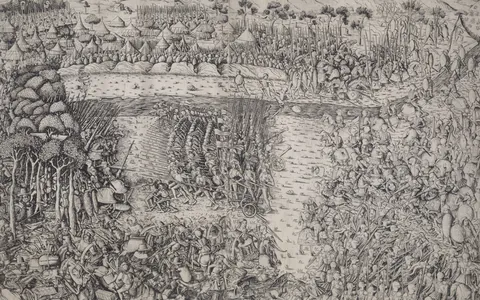
- 1495Battle of Fornovo, 1495Kingdom of France vs League of Venice (Venice, Milan and allies)
On 6 July 1495 Charles VIII fought his way past the League of Venice on the Taro at Fornovo. The Italians kept his baggage; the French kept their road home.
The early modern era 1492 to 1789 · 3
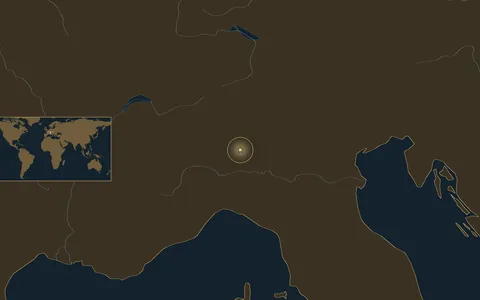
- 1522Battle of Bicocca, 1522Kingdom of France, Swiss mercenaries and Venice vs Holy Roman Empire, Spain and the Papal States
On 27 April 1522 unpaid Swiss pikemen forced the French to attack Colonna's sunken road at Bicocca. Four volleys of Spanish arquebus fire ended their legend in half an hour.
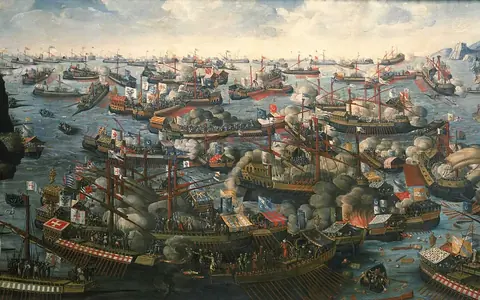
- 1571The Battle of Lepanto, 1571Holy League (Spain, Venice, the Papacy) vs Ottoman Empire
The largest galley battle in history, and the end of Ottoman naval dominance.
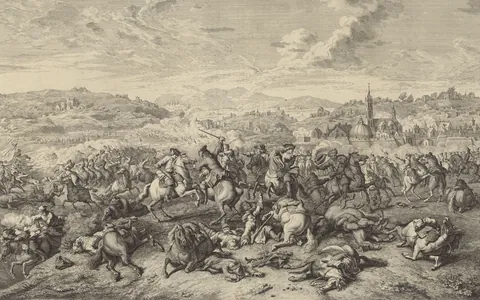
- 1690Battle of Staffarda, 1690Kingdom of France vs Savoy-Piedmont and the Empire
On 18 August 1690 Catinat's French army beat Victor Amadeus II of Savoy at Staffarda in Piedmont; young Prince Eugene covered the retreat.
The Napoleonic era 1789 to 1815 · 1
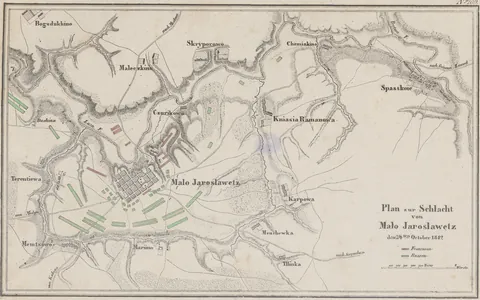
- 1812Battle of Maloyaroslavets, 1812French Empire and Kingdom of Italy vs Russian Empire
On 24 October 1812 Eugène's corps fought the Russians for Maloyaroslavets. The French held the town, but Napoleon turned back onto the ravaged road to Smolensk.
The industrial age 1815 to 1914 · 3
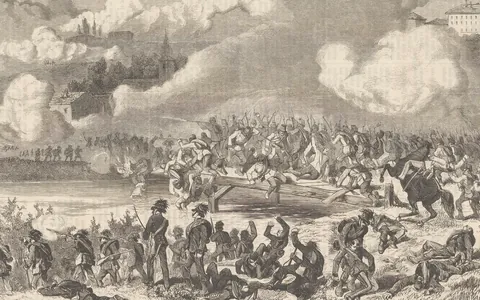
- 1866Battle of Custoza, 1866Austrian Empire: Army of the South vs Kingdom of Italy
On 24 June 1866 Archduke Albrecht's Austrians caught La Marmora's larger Italian army on the march in the hills of Custoza and drove it back over the Mincio.
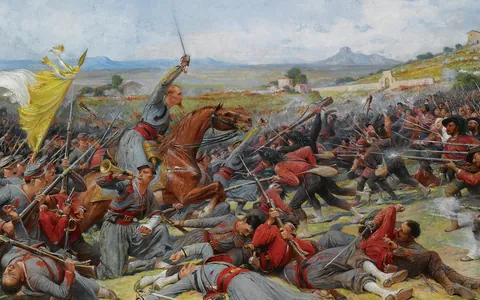
- 1867Battle of Mentana, 1867Papal States and France vs Garibaldi's volunteers
On 3 November 1867 papal troops and a French brigade with the new chassepot rifle stopped Garibaldi's volunteers at Mentana, a few hours' march from Rome.
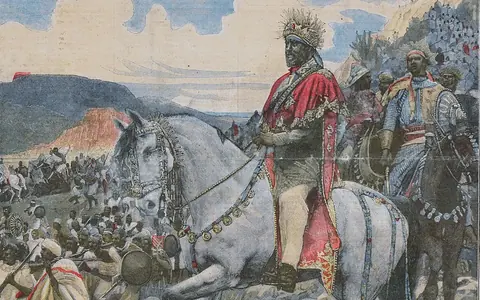
- 1896Battle of Adwa, 1896Ethiopian Empire vs Kingdom of Italy
How Emperor Menelik II's Ethiopia crushed an invading Italian army at Adwa in 1896 and kept its independence.
World War I 1914 to 1919 · 1
- 1917Battle of Caporetto, 1917Austria-Hungary and Germany vs Kingdom of Italy
On 24 October 1917 German and Austro-Hungarian troops broke the Italian front at Caporetto and drove Italy's army back to the Piave. What happened and what it cost.
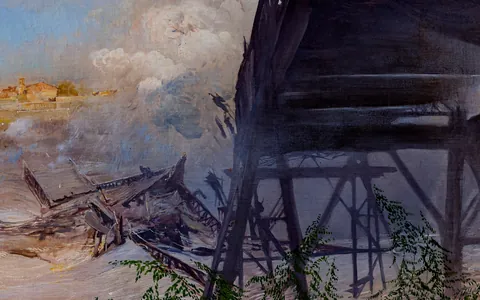
World War II 1939 to 1945 · 8
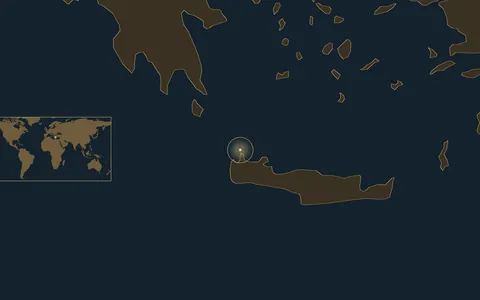
- 1940Battle of Cape Spada, 1940Australia and the United Kingdom vs Kingdom of Italy
On 19 July 1940 HMAS Sydney surprised two Italian cruisers off Crete; her gunfire stopped the Bartolomeo Colleoni and British destroyers sank her.
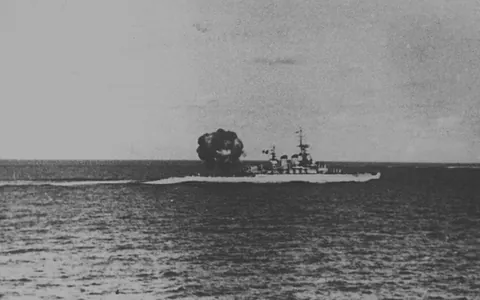
- 1940Battle of Cape Spartivento, 1940Britain vs Italy
On 27 November 1940 the Italian fleet met Somerville's Force H off Sardinia. An hour of long-range fire followed, both sides turned away, and both claimed the day.
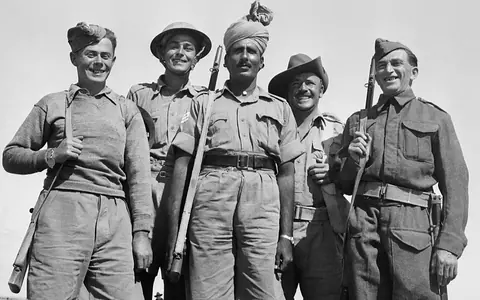
- 1941The Siege of Tobruk, 1941Allies (Australia, Britain, Poland, Czechoslovakia and others) vs Germany and Italy
The Carpathian Brigade holds the hardest sectors of the desert fortress.
- 1941Battle of Cape Bon, 1941Britain and the Netherlands vs Italy
On 13 December 1941 four British and Dutch destroyers ambushed two Italian cruisers carrying fuel to Libya off Cape Bon and sank both in a few minutes.
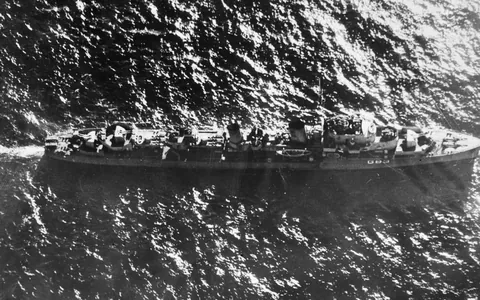
- 1942Battle of Mersa Matruh, 1942Axis (German and Italian forces) vs British Commonwealth (Eighth Army)
In late June 1942 Rommel's spent army outflanked the British at Mersa Matruh; X Corps was cut off and broke out at night, and the Eighth Army fell back to El Alamein.
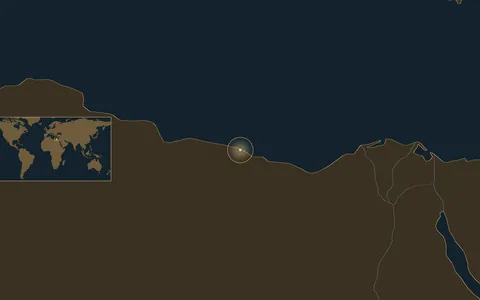
- 1942El Alamein, 1942British Empire and Commonwealth vs Germany and Italy (Panzerarmee Afrika)
Montgomery breaks Rommel and turns the tide in North Africa.
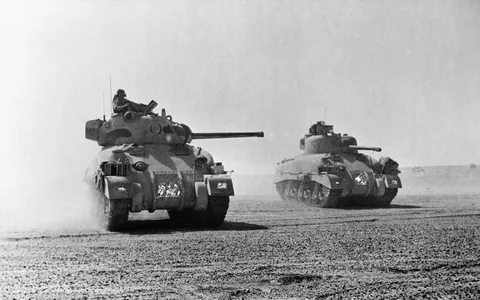
- 1943Operation Ochsenkopf, 1943Germany and Italy (5th Panzer Army) vs United Kingdom and France (British First Army)
On 26 February 1943 von Arnim threw Tiger tanks at the British front in northern Tunisia. A battalion and a battery at Sidi Nsir held them for a day, and at Hunt's Gap the panzers were shot to pieces.
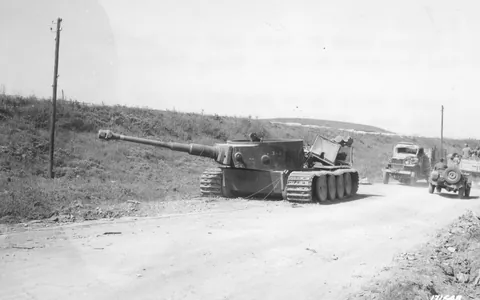
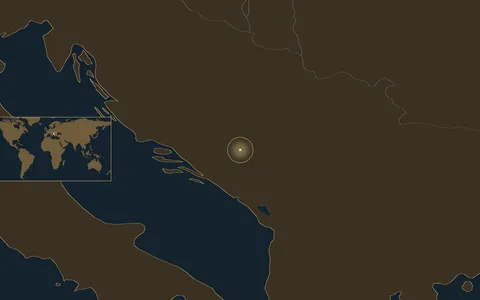
- 1943Battle of the Sutjeska, 1943Yugoslav Partisans (NOVJ Main Operational Group) vs Germany, Italy, Croatia (NDH) and Bulgaria
From 15 May 1943 over 100,000 Axis troops closed on Tito's partisans in the Bosnian mountains. A third of them died, but the breakout at the Sutjeska saved the movement.
Other 1
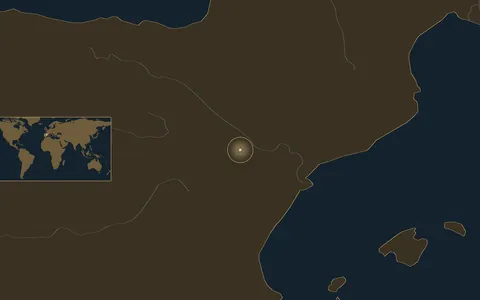
- 1938The Aragon Offensive, 1938Nationalists, with the Italian CTV and the German Condor Legion vs Spanish Republic (Popular Army)
On 7 March 1938 Franco's armies struck the exhausted Republican front in Aragon. Six weeks later Navarrese troops waded into the Mediterranean at Vinaròs, and Republican Spain was cut in two.
Timeline of Italian military history
- 1494Charles VIII of France invades Italy; the Italian Wars begin.40
- 1495
- 1525
- 1559Peace of Cateau-Cambrésis; Spain dominates Italy.43
- 1571
- 1720Victor Amadeus II of Savoy becomes king of Sardinia.45
- 1797Treaty of Campo Formio ends the Republic of Venice.46
- 1849Piedmont is routed at Novara; Charles Albert abdicates.47
- 1859Franco-Piedmontese victories at Solferino and San Martino.48
- 1860Garibaldi's Thousand land at Marsala and conquer Sicily and Naples.49
- 1861The Kingdom of Italy is proclaimed in Turin on 17 March.50
- 1866
- 1870Italian troops enter Rome through the breach at Porta Pia.52
- 1896
- 1915Italy enters World War I against Austria-Hungary.54
- 1917
- 1918Italian victory at Vittorio Veneto; armistice with Austria-Hungary.56
- 1935Italy invades Ethiopia.57
- 1940Italy enters World War II on 10 June.58
- 1943Mussolini is deposed; armistice announced on 8 September; German occupation.59
- 1945General uprising in the north; Mussolini is shot by partisans.60
- 1946Referendum of 2 June makes Italy a republic.61
Memory and further reading
The Risorgimento became Italy's national myth, and its meaning is still argued over. The philosopher Benedetto Croce saw it as the triumph of liberalism; later historians criticized it as an aristocratic and bourgeois revolution that failed to include the masses. Caporetto became a byword for disaster: Grillini calls it the worst defeat the Italian army has suffered. In Italy itself Vittorio Veneto was long hailed as the victory that avenged Caporetto, a reading that Frizzera calls largely a nationalist point of view.62
For the other sides of these wars, see our hubs on Austria, France, the Ottoman Empire and Germany, our guides to the Napoleonic Wars, the North African campaign and the Mediterranean theater of World War II, and the ranking of the greatest battles of World War II.
Notes
A number in the text points to a note; each note names the works that paragraph draws on, listed in full under Sources.
- EBSCO Research Starters, “Italian Wars”; Encyclopaedia Britannica, “Battle of Lepanto”; Encyclopaedia Britannica, “Risorgimento”; Encyclopaedia Britannica, “Battle of Adwa”; Anna Grillini, “Caporetto, Battle of”; Encyclopaedia Britannica, Italy. ↩
- EBSCO Research Starters, “Italian Wars”; Encyclopaedia Britannica, “Italian Wars”; Encyclopedia.com, “Risorgimento”; Encyclopaedia Britannica, “Risorgimento”. ↩
- Encyclopaedia Britannica, “Victor Amadeus II”; Treccani, Dizionario di Storia; Encyclopedia.com, “Risorgimento”; Sergio Parmentola, “Vittorio Emanuele II, re d’Italia”; United States Holocaust Memorial Museum, Holocaust Encyclopedia; The National WWII Museum, “The Allied Campaign in Italy, 1943-45”; Encyclopaedia Britannica, Italy; Ministero della Difesa, “Towards 2 June”. ↩
- Encyclopaedia Britannica, “Italian Wars”; EBSCO Research Starters, “Italian Wars”; Encyclopaedia Britannica, Italy. ↩
- EBSCO Research Starters, “Italian Wars”; Encyclopaedia Britannica, Italy. ↩
- Encyclopaedia Britannica, “Italian Wars”; EBSCO Research Starters, “Italian Wars”. ↩
- Encyclopaedia Britannica, “Italian Wars”; EBSCO Research Starters, “Italian Wars”. ↩
- Encyclopaedia Britannica, “Battle of Lepanto”; Ernest Tucker and J. B. Heffernan, “Lepanto, Battle of”. ↩
- Encyclopaedia Britannica, “Battle of Lepanto”; Ernest Tucker and J. B. Heffernan, “Lepanto, Battle of”. ↩
- Encyclopaedia Britannica, “Battle of Lepanto”; Ernest Tucker and J. B. Heffernan, “Lepanto, Battle of”. ↩
- Encyclopaedia Britannica, “Victor Amadeus II”; Treccani, Dizionario di Storia; The Columbia Encyclopedia. ↩
- Encyclopaedia Britannica, “Risorgimento”; Encyclopaedia Britannica, “Treaty of Campo Formio”; Villa Manin, “The treaty of Campoformido”; Encyclopaedia Britannica, “Peace of Leoben”. ↩
- Encyclopaedia Britannica, “Eugène de Beauharnais”; Fondation Napoléon, “Napoleon’s consecration and coronation in Milan, 26 May, 1805”; Encyclopaedia Britannica, “Risorgimento”. ↩
- Encyclopaedia Britannica, “Risorgimento”; Encyclopedia.com, “Risorgimento”. ↩
- Encyclopaedia Britannica, Italy; Frank J. Coppa, “Sardinia (Piedmont)”; Alberto Baldini, “Custoza”. ↩
- Encyclopaedia Britannica, Italy; Encyclopedia.com, “Risorgimento”; Sergio Parmentola, “Vittorio Emanuele II, re d’Italia”; Encyclopaedia Britannica, “Battle of Solferino”; Treccani, “Solferino”. ↩
- Encyclopaedia Britannica, “Battle of Solferino”; International Committee of the Red Cross, How does law protect in war?. ↩
- Encyclopaedia Britannica, Italy; Treccani, Dizionario di Storia; Encyclopedia.com, “Risorgimento”; Sergio Parmentola, “Vittorio Emanuele II, re d’Italia”. ↩
- Encyclopaedia Britannica, Italy; Alberto Baldini, “Custoza”; Treccani, “Lissa”; Encyclopedia.com, “Risorgimento”. ↩
- Encyclopaedia Britannica, Italy; Treccani, Dizionario di Storia; Treccani, Atlante; Encyclopedia.com, “Risorgimento”. ↩
- Encyclopaedia Britannica, “Battle of Adwa”; EBSCO Research Starters, “Battle of Adwa”. ↩
- Encyclopaedia Britannica, “Battle of Adwa”; EBSCO Research Starters, “Battle of Adwa”; Fentahun Tiruneh, “Emperor Menelik II of Ethiopia and the Battle of Adwa”. ↩
- Encyclopaedia Britannica, “Italo-Turkish War”; Stefano Marcuzzi, “London, Treaty of (1915)”. ↩
- Encyclopaedia Britannica, “Treaty of London”; Stefano Marcuzzi, “London, Treaty of (1915)”. ↩
- Alessandro Salvador, “Isonzo, Battles of”; Encyclopaedia Britannica, “Battle of Caporetto”. ↩
- Anna Grillini, “Caporetto, Battle of”; Encyclopaedia Britannica, “Battle of Caporetto”. ↩
- Encyclopaedia Britannica, “Battle of Caporetto”; Anna Grillini, “Caporetto, Battle of”. ↩
- Francesco Frizzera, “Vittorio Veneto, Battle of”; Alan Wakefield, “Battle of Vittorio Veneto”. ↩
- Encyclopaedia Britannica, Italy; Pierluigi Scolè, “War Losses (Italy)”; A Dictionary of Contemporary World History; Stefano Marcuzzi, “London, Treaty of (1915)”. ↩
- United States Holocaust Memorial Museum, Holocaust Encyclopedia; EBSCO Research Starters, “Analysis”; Encyclopaedia Britannica, “Italo-Ethiopian War”; Imperial War Museums, “How Italy Was Defeated in East Africa in 1941”; The National WWII Museum, “The CLN”. ↩
- Basil Liddell Hart, “North Africa campaigns”; Imperial War Museums, “A Brief History of the Eighth Army and the Desert War”; The National WWII Museum, “The CLN”. ↩
- Basil Liddell Hart, “North Africa campaigns”; Imperial War Museums, “A Brief History of the Eighth Army and the Desert War”; The National WWII Museum, “The CLN”; Encyclopaedia Britannica, Italy; Imperial War Museums, “How Italy Was Defeated in East Africa in 1941”. ↩
- Roderick Bailey, “SOE and Mussolini’s Italy”. ↩
- Encyclopaedia Britannica, Italy; The National WWII Museum, “The Allied Campaign in Italy, 1943-45”; EBSCO Research Starters, “Analysis”; Raphael Rues, “The rescue of Benito Mussolini”. ↩
- Encyclopaedia Britannica, Italy; The National WWII Museum, “The Allied Campaign in Italy, 1943-45”; United States Holocaust Memorial Museum, Holocaust Encyclopedia; Raphael Rues, “The rescue of Benito Mussolini”. ↩
- Raphael Rues, “The rescue of Benito Mussolini”; The National WWII Museum, “The Allied Campaign in Italy, 1943-45”. ↩
- Encyclopaedia Britannica, Italy; The National WWII Museum, “The Allied Campaign in Italy, 1943-45”; The National WWII Museum, “The Allied Campaign in Italy, 1943-45”; United States Holocaust Memorial Museum, Holocaust Encyclopedia; The National WWII Museum, “The CLN”. ↩
- The National WWII Museum, “The Allied Campaign in Italy, 1943-45”; Encyclopaedia Britannica, Italy; Encyclopaedia Britannica, Italy; Ministero della Difesa, “Towards 2 June”. ↩
- Encyclopaedia Britannica, “Battle of Lepanto”; Ernest Tucker and J. B. Heffernan, “Lepanto, Battle of”; Encyclopaedia Britannica, “Victor Amadeus II”; Treccani, Dizionario di Storia; Treccani, Dizionario di Storia; Encyclopaedia Britannica, Italy; Anna Grillini, “Caporetto, Battle of”; Francesco Frizzera, “Vittorio Veneto, Battle of”; Encyclopaedia Britannica, Italy; EBSCO Research Starters, “Analysis”; Frank J. Coppa, “Sardinia (Piedmont)”; Alberto Baldini, “Custoza”; Encyclopaedia Britannica, “Battle of Adwa”. ↩
- Encyclopaedia Britannica, “Italian Wars”; EBSCO Research Starters, “Italian Wars”. ↩
- EBSCO Research Starters, “Italian Wars”; Encyclopaedia Britannica, Italy. ↩
- Encyclopaedia Britannica, “Italian Wars”; EBSCO Research Starters, “Italian Wars”. ↩
- Encyclopaedia Britannica, “Italian Wars”; EBSCO Research Starters, “Italian Wars”. ↩
- Encyclopaedia Britannica, “Battle of Lepanto”; Ernest Tucker and J. B. Heffernan, “Lepanto, Battle of”. ↩
- Encyclopaedia Britannica, “Victor Amadeus II”; Treccani, Dizionario di Storia. ↩
- Encyclopaedia Britannica, “Treaty of Campo Formio”; Villa Manin, “The treaty of Campoformido”. ↩
- Encyclopaedia Britannica, Italy; Frank J. Coppa, “Sardinia (Piedmont)”. ↩
- Encyclopaedia Britannica, “Battle of Solferino”; Treccani, “Solferino”. ↩
- Treccani, Dizionario di Storia; Encyclopedia.com, “Risorgimento”. ↩
- Encyclopaedia Britannica, Italy; Sergio Parmentola, “Vittorio Emanuele II, re d’Italia”. ↩
- Encyclopaedia Britannica, Italy; Treccani, “Lissa”. ↩
- Encyclopaedia Britannica, Italy; Treccani, Atlante. ↩
- Encyclopaedia Britannica, “Battle of Adwa”; EBSCO Research Starters, “Battle of Adwa”. ↩
- Encyclopaedia Britannica, “Treaty of London”; Stefano Marcuzzi, “London, Treaty of (1915)”. ↩
- Anna Grillini, “Caporetto, Battle of”; Encyclopaedia Britannica, “Battle of Caporetto”. ↩
- Francesco Frizzera, “Vittorio Veneto, Battle of”; Alan Wakefield, “Battle of Vittorio Veneto”. ↩
- Encyclopaedia Britannica, “Italo-Ethiopian War”; Imperial War Museums, “How Italy Was Defeated in East Africa in 1941”. ↩
- Basil Liddell Hart, “North Africa campaigns”; Imperial War Museums, “A Brief History of the Eighth Army and the Desert War”. ↩
- Encyclopaedia Britannica, Italy; The National WWII Museum, “The Allied Campaign in Italy, 1943-45”. ↩
- The National WWII Museum, “The Allied Campaign in Italy, 1943-45”; Encyclopaedia Britannica, Italy. ↩
- Encyclopaedia Britannica, Italy; Ministero della Difesa, “Towards 2 June”. ↩
- Encyclopaedia Britannica, “Risorgimento”; Anna Grillini, “Caporetto, Battle of”; Francesco Frizzera, “Vittorio Veneto, Battle of”. ↩
Sources
- EBSCO Research Starters, “Italian Wars”.
- Encyclopaedia Britannica, “Battle of Lepanto”.
- Encyclopaedia Britannica, “Risorgimento”.
- Encyclopaedia Britannica, “Battle of Adwa”.
- Anna Grillini, “Caporetto, Battle of”, 1914-1918-online, 2015.
- Encyclopaedia Britannica, Italy, “End of the regime”.
- Encyclopaedia Britannica, “Italian Wars”.
- Encyclopedia.com, “Risorgimento” (entries from the New Catholic Encyclopedia and the Oxford World Encyclopedia).
- Encyclopaedia Britannica, “Victor Amadeus II”.
- Treccani, Dizionario di Storia, “Vittorio Amedeo II”.
- Sergio Parmentola, “Vittorio Emanuele II, re d’Italia”, Enciclopedia dei ragazzi, Treccani, 2006.
- United States Holocaust Memorial Museum, Holocaust Encyclopedia, “Italy: Historical Film Footage”.
- The National WWII Museum, “The Allied Campaign in Italy, 1943-45: A Timeline, Part One”.
- Encyclopaedia Britannica, Italy, “Italy since 1945”.
- Ministero della Difesa (Italian Ministry of Defence), “Towards 2 June”.
- Encyclopaedia Britannica, Italy, “The first French invasion”.
- Ernest Tucker and J. B. Heffernan, “Lepanto, Battle of”, in Europe, 1450 to 1789: Encyclopedia of the Early Modern World and the New Catholic Encyclopedia, via Encyclopedia.com.
- The Columbia Encyclopedia, 6th ed., “Catinat, Nicolas”, via Encyclopedia.com.
- Encyclopaedia Britannica, “Treaty of Campo Formio”.
- Villa Manin (ERPAC Friuli Venezia Giulia), “The treaty of Campoformido”.
- Encyclopaedia Britannica, “Peace of Leoben” (with the entry on the end of the Venetian republic).
- Encyclopaedia Britannica, “Eugène de Beauharnais”.
- Fondation Napoléon, “Napoleon’s consecration and coronation in Milan, 26 May, 1805”.
- Encyclopaedia Britannica, Italy, “The Revolutions of 1848”.
- Frank J. Coppa, “Sardinia (Piedmont)”, in Encyclopedia of 1848 Revolutions, ed. James Chastain, Ohio University.
- Alberto Baldini, “Custoza”, Enciclopedia Italiana, Treccani, 1931.
- Encyclopaedia Britannica, Italy, “The war of 1859”.
- Encyclopaedia Britannica, “Battle of Solferino”.
- Treccani, “Solferino”.
- International Committee of the Red Cross, How does law protect in war?, “Solferino”.
- Treccani, Dizionario di Storia, “Mille, spedizione dei”.
- Encyclopaedia Britannica, Italy, “The acquisition of Venetia and Rome”.
- Treccani, “Lissa”.
- Treccani, Dizionario di Storia, “Mentana, battaglia di”.
- Treccani, Atlante, “20 settembre 1870, arrivano i bersaglieri a segnare la fine del papa re”, 2017.
- EBSCO Research Starters, “Battle of Adwa”.
- Fentahun Tiruneh, “Emperor Menelik II of Ethiopia and the Battle of Adwa: A Pictorial History”, Library of Congress, 2020.
- Encyclopaedia Britannica, “Italo-Turkish War”.
- Stefano Marcuzzi, “London, Treaty of (1915)”, 1914-1918-online: International Encyclopedia of the First World War, 2019.
- Encyclopaedia Britannica, “Treaty of London”.
- Alessandro Salvador, “Isonzo, Battles of”, 1914-1918-online, 2016.
- Encyclopaedia Britannica (Britannica School), “Battle of Caporetto”.
- Francesco Frizzera, “Vittorio Veneto, Battle of”, 1914-1918-online, 2015.
- Alan Wakefield, “Battle of Vittorio Veneto”, Encyclopaedia Britannica.
- Encyclopaedia Britannica, Italy, “The cost of victory”.
- Pierluigi Scolè, “War Losses (Italy)”, 1914-1918-online, 2025.
- A Dictionary of Contemporary World History, Oxford Reference, “Treaty of St Germain”.
- EBSCO Research Starters, “Analysis: Armistice with Italy”.
- Encyclopaedia Britannica, “Italo-Ethiopian War”.
- Imperial War Museums, “How Italy Was Defeated in East Africa in 1941”.
- The National WWII Museum, “The CLN: The Italian Resistance Unites as Mussolini’s Regime Crumbles”.
- Basil Liddell Hart, “North Africa campaigns”, Encyclopaedia Britannica.
- Imperial War Museums, “A Brief History of the Eighth Army and the Desert War”.
- Roderick Bailey, “SOE and Mussolini’s Italy”, Imperial War Museums, 2012.
- Raphael Rues, “The rescue of Benito Mussolini: the real story and its Swiss connection”, Swiss National Museum, 2023.
- The National WWII Museum, “The Allied Campaign in Italy, 1943-45: A Timeline, Part Two”.
- The National WWII Museum, “The Allied Campaign in Italy, 1943-45: A Timeline, Part Three”.






