

What were the Italian Wars and who won?
The Italian Wars (1494 to 1559) were a series of wars for control of Italy, fought mainly between Valois France and Spain, whose king Charles became Holy Roman Emperor in 1519. France won early battles but lost Naples, was routed at Pavia in 1525 and in 1559 accepted Spanish Habsburg dominance in Italy.1
The Italian Wars were a series of wars for control of Italy fought from 1494 to 1559. They were fought largely by France and Spain but drew in much of Europe: the Holy Roman Empire, the papacy, Venice, Florence, Milan and Naples, and mercenaries from Switzerland and Germany. They began with the invasion of Italy by the French king Charles VIII in 1494 and ended with the Peace of Cateau-Cambrésis in 1559, which left the Spanish Habsburgs the dominant power in Italy.2
This guide follows the wars phase by phase, from the first French invasion to the final peace, and names the states that fought each round. Our battle guides cover the Battle of Fornovo (1495), fought as Charles VIII withdrew from Italy; the Battle of Flodden (1513), fought in England while Henry VIII was at war with France; the Battle of Bicocca (1522), where Spanish arquebusiers broke the Swiss pike; and the Battle of Pavia (1525), where King Francis I of France was taken prisoner.3
Causes of the Italian Wars
Italy in the 1490s was not one state. Its five major powers were the Duchy of Milan, the Republic of Venice, the Republic of Florence, the Papal States and the Kingdom of Naples, and around them lay many smaller duchies, marquisates and city republics. The Peace of Lodi of 1454 had kept these states in rough balance for some forty years without ending their rivalries.4
That balance broke down in the early 1490s, when several Italian rulers died, Lorenzo de' Medici of Florence among them. In Milan, Ludovico Sforza ruled as regent and kept his nephew, the young duke Gian Galeazzo Sforza, from power, and he felt threatened by Naples, whose royal family was related to the duke by marriage.5
Ludovico turned to France. He urged King Charles VIII to press the claim of the French royal house to the throne of Naples, a claim Charles had inherited from an earlier, Angevin dynasty of Neapolitan kings. Charles accepted, and in 1494 he led his army over the Alps.6
Behind the invitation lay a wider rivalry. Britannica's history of Italy notes that the rulers of both France and Spain had dynastic claims in Italy, and that once France had ended the Hundred Years' War in 1453 and Spain had conquered Granada in 1492, both were free to make the peninsula the battlefield of their ambitions. The historian Gregory Hanlon adds that no institution held Italy together: neither the emperor nor the pope had much real power over its patchwork of states.7
The wars go by more than one name. Encyclopedias speak of the Italian Wars or the Wars of Italy for the whole period from 1494 to 1559, while the long struggle between France and the Habsburgs that began in 1521 is also called the Habsburg-Valois (or Valois-Habsburg) Wars; historians divide and number the separate wars in different ways.8

Who fought in the Italian Wars
The main contest was between the Valois kings of France, Charles VIII, Louis XII, Francis I and Henry II, and the rulers of Spain: first Ferdinand of Aragon, then his grandson Charles, who became king of Spain in 1516 and was elected Holy Roman Emperor, as Charles V, in 1519. Charles could draw on Spain, the Low Countries, the German lands and a large part of Italy.9
The Italian states fought too, and they often changed sides. The papacy, Venice, Florence, Milan and Naples all took part, and alliances shifted from one war to the next: Pope Julius II first joined France against Venice and then organized the Holy League of 1511 to drive the French out of Milan.10
Much of the fighting was done by hired soldiers. Swiss pikemen, raised in a confederacy of cantons rather than a state, were the most sought-after mercenaries of the age and usually fought for France, while German landsknechts often marched with the Habsburg armies. Italian companies, such as Giovanni de' Medici's Black Bands, also served for pay.11
The wars reached well beyond Italy. In 1513 Henry VIII of England invaded France, and Louis XII asked his ally James IV of Scotland to draw the English off by invading England. In the later wars France allied with the Ottoman Empire against Charles V.12
The French invasions, 1494 to 1515
Charles VIII crossed the Alps in 1494 with an army of about 25,000 men and a train of siege guns. Florence gave way and expelled Piero de' Medici, and Charles marched through the Papal States to take Naples almost without a fight.13
His success alarmed the rest of Italy. In 1495 the pope, Venice, Emperor Maximilian I and Ferdinand of Aragon formed the League of Venice to cut him off. Charles left a garrison in Naples and marched north, and on 6 July 1495 the league's army under Francesco Gonzaga, Marquis of Mantua, met him at Fornovo, near Parma. The French broke through and went home. Britannica calls the battle indecisive, and the Louvre, which holds the altarpiece Gonzaga commissioned to celebrate it, calls it a “doubtful victory.”14
Charles's successor, Louis XII, claimed Milan as well as Naples. In 1499 his army took Milan, with Venice backing the invasion in exchange for Cremona. Louis then agreed with Ferdinand of Aragon to divide the Kingdom of Naples between them, but the partners fell out over the division. In 1503 the Spanish commander Gonzalo Fernández de Córdoba, the “Great Captain,” beat the French at Cerignola and on the Garigliano, and by the end of the year Spain held the whole kingdom.15
Venice was the next target. In 1508 Pope Julius II, Emperor Maximilian I, Louis XII and Ferdinand of Aragon formed the League of Cambrai to attack the Republic and divide its lands. Its one great battle came on 14 May 1509 at Agnadello, east of Milan, where the French beat the Venetians. Then the pope changed sides, and by 1511 he had joined Venice and Ferdinand in a Holy League against France.16
On 11 April 1512 the young French commander Gaston de Foix defeated the Holy League's army, largely Spanish, at Ravenna, but he was killed at the end of the battle. Swiss troops then entered Italy on the pope's side, and by the end of 1512 the French had been driven out of Italy a second time. A French attempt to return ended when the Swiss beat Louis XII's army at Novara in 1513.17
The same year the war reached the British Isles. Henry VIII invaded France, and at Louis XII's request James IV of Scotland crossed into England at the end of August 1513. On 9 September the English army of the Earl of Surrey met the Scots near Branxton in Northumberland, in the battle remembered as Flodden. James IV was killed with many of his nobles, and Britannica and the Flodden 1513 Ecomuseum both put the Scottish dead at around 10,000.18
In 1515 Louis XII died, and his successor, Francis I, went straight back to Milan. On 13 and 14 September 1515, helped by Venetian cavalry, his army defeated the Swiss defending the duchy at Marignano (now Melegnano), southeast of Milan, and took the city back. The peace of 1516 left France holding Milan and Spain keeping Naples.19

Francis I against Charles V, 1521 to 1529
From 1521 the wars became a duel between Francis I and Charles V. That year an Imperial and papal army under the veteran Italian commander Prospero Colonna took Milan from the French, and the French commander, Odet de Foix, Vicomte de Lautrec, fell back.20
In April 1522 Lautrec tried to retake the duchy. His Swiss pikemen, unpaid, demanded an immediate attack. On 27 April they charged Colonna's entrenched position at Bicocca, four miles north of Milan, where Spanish arquebusiers stood four ranks deep behind a rampart above a sunken road. Within about half an hour the assault had failed. Paul Lockhart counts some 3,000 Swiss dead; Neil Faulkner puts about 1,000 killed before the sunken road and some 2,000 more in it. The French fell back.21
Late in 1524 Francis led a new army into Lombardy, occupied Milan and laid siege to Pavia. The Imperial relief army under the Marquis of Pescara marched by night into the walled park north of the town, and at dawn on 24 February 1525, in fog, it fell on the French flank. Francis charged at the head of his armored cavalry, Spanish arquebusiers shot down the French horsemen, and the king was taken prisoner. Britannica's history of Italy calls Pavia the most important battle of the Italian Wars; our article on the Battle of Pavia tells the day in full.22
Francis was taken to Spain, where in 1526 he signed the Treaty of Madrid and gave up his claims in Italy. Once free, he repudiated it, and in May 1526 he formed the League of Cognac with Pope Clement VII, Venice, Florence and Milan against Charles.23
The emperor's answer came from his own army. Imperial troops, mostly Spanish infantry and German landsknechts, marched on Rome under the Duke of Bourbon and stormed the city on 6 May 1527. Bourbon was killed in the assault, the pope escaped into the Castel Sant'Angelo, and the soldiers plundered the city and tortured its people for months; Clement VII surrendered in June. Britannica says Rome was not attacked on the emperor's orders, and Kenneth Gouwens notes that historians disagree on whether Charles authorized it, but he was appalled by what followed. The sack shocked Europe, and it is often taken to mark the end of the Renaissance in Italy.24

France tried once more, but in 1528 Genoa and its fleet went over to Charles. In 1529 Francis made peace at Cambrai and again gave up his claims in Italy. In February 1530 Pope Clement VII crowned Charles emperor at Bologna, and the Medici were restored in Florence with Spanish help.25
The last wars, 1536 to 1559
When the last Sforza duke of Milan died in 1535 and Charles took the duchy, France invaded Savoy and Piedmont. Francis I now made an alliance with the Ottoman Empire against the emperor, and in 1544 the armies met at Ceresole in Piedmont, but campaigning in Italy could not break the stalemate.26
Francis's son, Henry II, tried again. France backed Siena's revolt against its Spanish garrison in 1552 and the war of Pope Paul IV on Spain from 1556, and another French army marched into Italy. Habsburg armies won nearly everywhere.27
The decisive blows fell in northern France. A Spanish army beat the French at Saint-Quentin in 1557. England, allied to Spain through Mary I's marriage to Philip II, lost Calais to France in 1558. Both crowns were close to bankruptcy, and France faced growing religious conflict at home.28
On 3 April 1559 France and Spain made peace at Cateau-Cambrésis, and England settled with France at the same time. Britannica describes the treaty as the end of a 65-year struggle between France and Spain for the control of Italy.29
Key commanders of the Italian Wars
Spain's first great soldier in Italy was Gonzalo Fernández de Córdoba, the “Great Captain,” who won Naples for Ferdinand of Aragon at Cerignola and the Garigliano in 1503. In the 1520s the emperor's armies were led by the veteran condottiere Prospero Colonna, who won at Bicocca, and by the Marquis of Pescara, Fernando Francesco d'Ávalos, who planned the night march that won Pavia.30
On the French side the kings led in person. Charles VIII and Louis XII took their armies into Italy, and Francis I commanded at Marignano and charged at the head of his cavalry at Pavia. Among their generals, Gaston de Foix, still in his early twenties, won at Ravenna and died there, and Odet de Foix, Vicomte de Lautrec, lost Milan in 1521 and the Battle of Bicocca in 1522.31
Behind the armies stood the rulers who set their aims. Charles V was not at Pavia but sent the army that won it. Pope Julius II formed the League of Cambrai against Venice and then the Holy League against France, and Pope Clement VII paid for joining the League of Cognac with the sack of his own city.32

How the Italian Wars changed warfare
The wars are a landmark in military history. Paul Lockhart writes that during them infantry, not heavily armored cavalry, came to dominate, and that handheld firearms, the arquebus and the musket, became an integral part of Western warfare. Britannica's history of Italy likewise describes how infantry that mixed pikes and arquebuses unseated the armored cavalry of the nobility.33
Bicocca showed the new balance most starkly. The Swiss fought in dense blocks of pikemen many ranks deep, which were hard to stop with cavalry or infantry but made the easiest of targets for guns. Lockhart judges that it shattered the illusion of Swiss invincibility, and Faulkner concludes that pikemen could not break an entrenched line without fire support, while field works protected the otherwise vulnerable arquebusiers. Artillery was older: Lockhart notes that heavy guns were already common on the battlefield before 1494, and Joseph Byrne credits Fornovo with proving the value of field artillery.34
Siege warfare changed too. To resist cannon, Italian builders set low, thick walls between angled bastions that carried their own guns, the system later called the “Italian trace”, and Britannica counts the cannon and the bastion among the new technologies of the age.35
Who won the Italian Wars?
Spain and the Habsburgs won. At Cateau-Cambrésis France gave up its claims in Italy, renounced Milan and restored Savoy and Piedmont to the Duke of Savoy, keeping only a few fortresses there, among them Turin, Saluzzo and Pinerolo.36
Spain's hold on Milan and Naples was recognized, alongside Sicily and Sardinia, and Florence and the smaller states came under Spanish influence. Venice stayed independent but had been reduced to a minor power. Britannica says Spain remained the dominant power in Italy for the next 150 years, and Hanlon writes of a long Pax Hispanica.37
France did not leave empty-handed. It kept Calais and the three bishoprics of Metz, Toul and Verdun, imperial cities it had taken from Charles V. But the 1559 settlement all but shut it out of Italy.38
The peace lasted. Gregory Hanlon writes that it might have been only a truce had religious divisions not drawn France into a civil war that went on, with breaks, for three generations; Joseph Byrne and Amanda Wunder also note that France was soon consumed by its Wars of Religion.39
For Italy the cost was high. In the judgment of Gale's Renaissance encyclopedia the wars destroyed Italian independence and devastated the countryside, and Britannica writes that they shifted power from Italy to northwestern Europe.40
Major battles of the Italian Wars
Below, in date order, are our articles on the battles of this war.
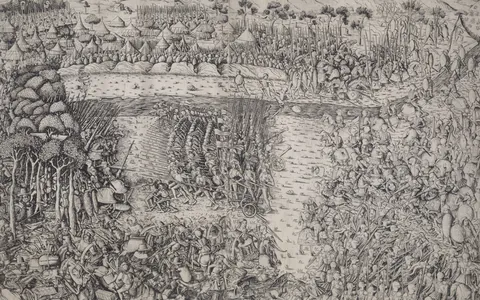
- 1495Battle of Fornovo, 1495Kingdom of France vs League of Venice (Venice, Milan and allies)
On 6 July 1495 Charles VIII fought his way past the League of Venice on the Taro at Fornovo. The Italians kept his baggage; the French kept their road home.
- 1513Battle of Flodden, 1513Kingdom of Scotland vs Kingdom of England
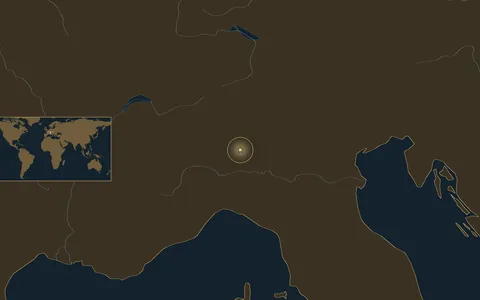
- 1522Battle of Bicocca, 1522Kingdom of France, Swiss mercenaries and Venice vs Holy Roman Empire, Spain and the Papal States
On 27 April 1522 unpaid Swiss pikemen forced the French to attack Colonna's sunken road at Bicocca. Four volleys of Spanish arquebus fire ended their legend in half an hour.
- 1525Battle of Pavia, 1525Kingdom of France vs Charles V: Spain and the Holy Roman Empire
Timeline of the Italian Wars
- 1454The Peace of Lodi opens some forty years of relative peace among the Italian states.41
- 1494Charles VIII of France invades Italy, invited by Ludovico Sforza of Milan.42
- 1495The League of Venice forms against Charles VIII; 6 July: Battle of Fornovo; the French return home.43
- 1499Louis XII takes Milan.44
- 1503Gonzalo Fernández de Córdoba wins at Cerignola and on the Garigliano; Spain holds the Kingdom of Naples.45
- 1508 to 1509The League of Cambrai forms against Venice; 14 May 1509: French victory at Agnadello.46
- 1511 to 1512Pope Julius II forms the Holy League against France; 11 April 1512: Battle of Ravenna, death of Gaston de Foix; the French are driven out of Italy.47
- 1513Swiss victory over the French at Novara; 9 September: Battle of Flodden in England.48
- 151513 and 14 September: Francis I defeats the Swiss at Marignano and retakes Milan.49
- 1521War between Francis I and Charles V; Prospero Colonna takes Milan.50
- 152227 April: Battle of Bicocca.51
- 152524 February: Battle of Pavia; Francis I is captured.52
- 1526Treaty of Madrid, repudiated by Francis I; League of Cognac against Charles V.53
- 15276 May: Imperial troops sack Rome.54
- 1529 to 1530Peace of Cambrai; Clement VII crowns Charles V emperor at Bologna.55
- 1544Battle of Ceresole in Piedmont.56
- 1557 to 1558Spanish victory at Saint-Quentin; France takes Calais from England.57
- 15593 April: Peace of Cateau-Cambrésis ends the Italian Wars.58
Where to read next
The Italian Wars are one chapter of our guides to the military history of France and the military history of Austria, the Habsburg heartland. For the war that came before, see the Hundred Years' War; for the next great European war of the Habsburgs and France, the Thirty Years' War. The Spanish infantry of these wars met its first great defeat a century later at Rocroi, and our ranking of the greatest battles of the early modern age puts them in context.
Notes
A number in the text points to a note; each note names the works that paragraph draws on, listed in full under Sources.
- Encyclopaedia Britannica, “Italian Wars”; Gregory Hanlon, Europe, 1450 to 1789; R. G. Grant, “Battle of Pavia”; Encyclopaedia Britannica, “Peace of Cateau-Cambrésis”. ↩
- Encyclopaedia Britannica, “Italian Wars”; Renaissance; Encyclopaedia Britannica, “Peace of Cateau-Cambrésis”. ↩
- Joseph P. Byrne, “Italian Wars”; Encyclopaedia Britannica, “Italy”; Paul Lockhart, MHQ; Historic England, “Battle of Flodden 1513 (list entry 1000011)”; R. G. Grant, “Battle of Pavia”. ↩
- Joseph P. Byrne, “Italian Wars”; Renaissance; Gregory Hanlon, Europe, 1450 to 1789. ↩
- Joseph P. Byrne, “Italian Wars”; Renaissance; Encyclopaedia Britannica, “Italy”. ↩
- Joseph P. Byrne, “Italian Wars”; Renaissance; Encyclopaedia Britannica, “Italy”. ↩
- Encyclopaedia Britannica, “Italy”; Gregory Hanlon, Europe, 1450 to 1789. ↩
- Encyclopaedia Britannica, “Italian Wars”; Renaissance; Joseph P. Byrne, “Italian Wars”; Paul Lockhart, MHQ; Suzanne Hiles Burkholder, Encyclopedia of Latin American History and Culture. ↩
- Encyclopaedia Britannica, “Italian Wars”; Gregory Hanlon, Europe, 1450 to 1789; Encyclopaedia Britannica, “Italy”. ↩
- Encyclopaedia Britannica, “Italian Wars”; Joseph P. Byrne, “Italian Wars”; Renaissance. ↩
- Paul Lockhart, MHQ; Neil Faulkner, Military History Matters; Renaissance. ↩
- Simon Adams, “Battle of Flodden”; Historic England, “Battle of Flodden 1513 (list entry 1000011)”; Joseph P. Byrne, “Italian Wars”; Encyclopaedia Britannica, “Italy”; Marcelle Vioux, “Francis I”. ↩
- Joseph P. Byrne, “Italian Wars”; Gregory Hanlon, Europe, 1450 to 1789; Encyclopaedia Britannica, “Italy”; Paul Lockhart, MHQ. ↩
- Joseph P. Byrne, “Italian Wars”; Gregory Hanlon, Europe, 1450 to 1789; Encyclopaedia Britannica, “Italy”; Musée du Louvre, “The Madonna della Vittoria and the painted reliefs”. ↩
- Encyclopaedia Britannica, “Italian Wars”; Joseph P. Byrne, “Italian Wars”; Gregory Hanlon, Europe, 1450 to 1789; Encyclopaedia Britannica, “Italy”; Encyclopaedia Britannica, “Gonzalo Fernández de Córdoba”. ↩
- Joseph P. Byrne, “Italian Wars”; Encyclopaedia Britannica, “League of Cambrai”; Encyclopaedia Britannica, “Italian Wars”. ↩
- Joseph P. Byrne, “Italian Wars”; Gregory Hanlon, Europe, 1450 to 1789; Encyclopaedia Britannica, “Italy”; Paul Lockhart, MHQ; R. G. Grant, “Battle of Ravenna”. ↩
- Simon Adams, “Battle of Flodden”; Historic England, “Battle of Flodden 1513 (list entry 1000011)”; Flodden 1513 Ecomuseum, “Flodden Field”. ↩
- Encyclopaedia Britannica, “Italian Wars”; Joseph P. Byrne, “Italian Wars”; Gregory Hanlon, Europe, 1450 to 1789; Encyclopaedia Britannica, “Battle of Marignano”; Marcelle Vioux, “Francis I”. ↩
- Encyclopaedia Britannica, “Italian Wars”; Joseph P. Byrne, “Italian Wars”; Paul Lockhart, MHQ; Neil Faulkner, Military History Matters. ↩
- Paul Lockhart, MHQ; Neil Faulkner, Military History Matters. ↩
- Joseph P. Byrne, “Italian Wars”; Encyclopaedia Britannica, “Italy”; R. G. Grant, “Battle of Pavia”; La Battaglia di Pavia 1525-2025, “The Battle of February 24”; Marcelle Vioux, “Francis I”. ↩
- Encyclopaedia Britannica, “Italian Wars”; Joseph P. Byrne, “Italian Wars”; Encyclopaedia Britannica, “Italy”; Kenneth Gouwens, Europe, 1450 to 1789. ↩
- Gregory Hanlon, Europe, 1450 to 1789; Encyclopaedia Britannica, “Italy”; Tony Bunting, “Sack of Rome”; Kenneth Gouwens, Europe, 1450 to 1789. ↩
- Encyclopaedia Britannica, “Italian Wars”; Joseph P. Byrne, “Italian Wars”; Renaissance; Gregory Hanlon, Europe, 1450 to 1789; Kenneth Gouwens, Europe, 1450 to 1789; Encyclopaedia Britannica, “Treaty of Cambrai”. ↩
- Joseph P. Byrne, “Italian Wars”; Renaissance; Gregory Hanlon, Europe, 1450 to 1789; Encyclopaedia Britannica, “Italy”; Marcelle Vioux, “Francis I”. ↩
- Renaissance; Gregory Hanlon, Europe, 1450 to 1789. ↩
- Joseph P. Byrne, “Italian Wars”; Encyclopaedia Britannica, “Italy”; Encyclopaedia Britannica, “Peace of Cateau-Cambrésis”; Amanda Wunder, “Treaty of Cateau-Cambrésis”; Suzanne Hiles Burkholder, Encyclopedia of Latin American History and Culture; John Cannon, The Oxford Companion to British History. ↩
- Encyclopaedia Britannica, “Peace of Cateau-Cambrésis”; Amanda Wunder, “Treaty of Cateau-Cambrésis”; Suzanne Hiles Burkholder, Encyclopedia of Latin American History and Culture; John Cannon, The Oxford Companion to British History. ↩
- Joseph P. Byrne, “Italian Wars”; Encyclopaedia Britannica, “Italy”; Encyclopaedia Britannica, “Gonzalo Fernández de Córdoba”; Paul Lockhart, MHQ; Neil Faulkner, Military History Matters; R. G. Grant, “Battle of Pavia”; La Battaglia di Pavia 1525-2025, “The Battle of February 24”. ↩
- Encyclopaedia Britannica, “Italian Wars”; Joseph P. Byrne, “Italian Wars”; R. G. Grant, “Battle of Ravenna”; Encyclopaedia Britannica, “Battle of Marignano”; R. G. Grant, “Battle of Pavia”; La Battaglia di Pavia 1525-2025, “The Battle of February 24”; Paul Lockhart, MHQ; Neil Faulkner, Military History Matters. ↩
- R. G. Grant, “Battle of Pavia”; La Battaglia di Pavia 1525-2025, “The Battle of February 24”; Encyclopaedia Britannica, “Italian Wars”; Encyclopaedia Britannica, “League of Cambrai”; Gregory Hanlon, Europe, 1450 to 1789; Tony Bunting, “Sack of Rome”; Kenneth Gouwens, Europe, 1450 to 1789. ↩
- Paul Lockhart, MHQ; Encyclopaedia Britannica, “Italy”. ↩
- Paul Lockhart, MHQ; Neil Faulkner, Military History Matters; Joseph P. Byrne, “Italian Wars”. ↩
- Renaissance; Encyclopaedia Britannica, “Italy”. ↩
- Encyclopaedia Britannica, “Peace of Cateau-Cambrésis”; Amanda Wunder, “Treaty of Cateau-Cambrésis”; Joseph P. Byrne, “Italian Wars”. ↩
- Renaissance; Gregory Hanlon, Europe, 1450 to 1789; Encyclopaedia Britannica, “Peace of Cateau-Cambrésis”; Amanda Wunder, “Treaty of Cateau-Cambrésis”. ↩
- Encyclopaedia Britannica, “Peace of Cateau-Cambrésis”; Amanda Wunder, “Treaty of Cateau-Cambrésis”; Suzanne Hiles Burkholder, Encyclopedia of Latin American History and Culture. ↩
- Gregory Hanlon, Europe, 1450 to 1789; Joseph P. Byrne, “Italian Wars”; Amanda Wunder, “Treaty of Cateau-Cambrésis”. ↩
- Renaissance; Encyclopaedia Britannica, “Italian Wars”. ↩
- Joseph P. Byrne, “Italian Wars”; Gregory Hanlon, Europe, 1450 to 1789. ↩
- Encyclopaedia Britannica, “Italian Wars”; Renaissance; Encyclopaedia Britannica, “Italy”. ↩
- Joseph P. Byrne, “Italian Wars”; Encyclopaedia Britannica, “Italy”; Musée du Louvre, “The Madonna della Vittoria and the painted reliefs”. ↩
- Encyclopaedia Britannica, “Italian Wars”; Renaissance. ↩
- Joseph P. Byrne, “Italian Wars”; Encyclopaedia Britannica, “Italy”; Encyclopaedia Britannica, “Gonzalo Fernández de Córdoba”. ↩
- Joseph P. Byrne, “Italian Wars”; Encyclopaedia Britannica, “League of Cambrai”. ↩
- Encyclopaedia Britannica, “Italian Wars”; Joseph P. Byrne, “Italian Wars”; Gregory Hanlon, Europe, 1450 to 1789; R. G. Grant, “Battle of Ravenna”. ↩
- Joseph P. Byrne, “Italian Wars”; Paul Lockhart, MHQ; Simon Adams, “Battle of Flodden”; Flodden 1513 Ecomuseum, “Flodden Field”. ↩
- Joseph P. Byrne, “Italian Wars”; Encyclopaedia Britannica, “Battle of Marignano”. ↩
- Encyclopaedia Britannica, “Italian Wars”; Paul Lockhart, MHQ; Neil Faulkner, Military History Matters. ↩
- Paul Lockhart, MHQ; Neil Faulkner, Military History Matters. ↩
- Joseph P. Byrne, “Italian Wars”; R. G. Grant, “Battle of Pavia”. ↩
- Encyclopaedia Britannica, “Italian Wars”; Joseph P. Byrne, “Italian Wars”; Kenneth Gouwens, Europe, 1450 to 1789. ↩
- Tony Bunting, “Sack of Rome”; Kenneth Gouwens, Europe, 1450 to 1789. ↩
- Encyclopaedia Britannica, “Italian Wars”; Encyclopaedia Britannica, “Treaty of Cambrai”; Renaissance; Kenneth Gouwens, Europe, 1450 to 1789. ↩
- Joseph P. Byrne, “Italian Wars”; Renaissance. ↩
- Joseph P. Byrne, “Italian Wars”; Encyclopaedia Britannica, “Peace of Cateau-Cambrésis”; John Cannon, The Oxford Companion to British History. ↩
- Encyclopaedia Britannica, “Peace of Cateau-Cambrésis”; Amanda Wunder, “Treaty of Cateau-Cambrésis”; Suzanne Hiles Burkholder, Encyclopedia of Latin American History and Culture. ↩
Sources
- Encyclopaedia Britannica, “Italian Wars”.
- Gregory Hanlon, Europe, 1450 to 1789: Encyclopedia of the Early Modern World, via Encyclopedia.com, “Italian Wars (1494 to 1559)”.
- R. G. Grant, Encyclopaedia Britannica, “Battle of Pavia”.
- Encyclopaedia Britannica, “Peace of Cateau-Cambrésis”.
- Renaissance: An Encyclopedia for Students (Gale), via Encyclopedia.com, “Wars of Italy”.
- Joseph P. Byrne, EBSCO Research Starters, “Italian Wars”.
- Encyclopaedia Britannica, “Italy: The first French invasion”.
- Paul Lockhart, MHQ, via HistoryNet, “Guns Vs Pikes in the Habsburg-Valois Wars”.
- Historic England, “Battle of Flodden 1513 (list entry 1000011)”.
- Suzanne Hiles Burkholder, Encyclopedia of Latin American History and Culture, via Encyclopedia.com, “Cateau-Cambrésis, Treaty of (1559)”.
- Encyclopaedia Britannica, “Italy: Early modern Italy (16th to 18th century)”.
- Neil Faulkner, Military History Matters (The Past), “The Battle of Bicocca, 27 April 1522”.
- Simon Adams, Encyclopaedia Britannica, “Battle of Flodden”.
- Marcelle Vioux, Encyclopaedia Britannica, “Francis I”.
- Musée du Louvre, Mantegna exhibition, “The Madonna della Vittoria and the painted reliefs”.
- Encyclopaedia Britannica, “Gonzalo Fernández de Córdoba”.
- Encyclopaedia Britannica, “League of Cambrai”.
- R. G. Grant, Encyclopaedia Britannica, “Battle of Ravenna”.
- Flodden 1513 Ecomuseum, “Flodden Field”.
- Encyclopaedia Britannica, “Battle of Marignano”.
- La Battaglia di Pavia 1525-2025 (Pavia quincentenary exhibition), “The Battle of February 24”.
- Kenneth Gouwens, Europe, 1450 to 1789: Encyclopedia of the Early Modern World, via Encyclopedia.com, “Rome, Sack of”.
- Tony Bunting, Encyclopaedia Britannica, “Sack of Rome”.
- Encyclopaedia Britannica, “Treaty of Cambrai”.
- Amanda Wunder, EBSCO Research Starters, “Treaty of Cateau-Cambrésis”.
- John Cannon, The Oxford Companion to British History, via Encyclopedia.com, “Cateau-Cambrésis, treaty of, 1559”.
- Renaissance: An Encyclopedia for Students (Gale), via Encyclopedia.com, “Fortifications”.






