

What were the Ottoman wars in Europe and who won?
They were the wars the Ottoman Empire fought in Europe from its seizure of Gallipoli in 1354 to the Balkan Wars of 1912 to 1913. The Ottomans won most of them until the late 16th century, taking Constantinople and winning at Mohács. After Vienna in 1683 they were pushed back, and by 1913 they kept only eastern Thrace.1
For more than five centuries the Ottoman Empire was a European power. Its troops settled at Gallipoli on the European shore of the Dardanelles in 1354, took Constantinople in 1453, besieged Vienna in 1529 and again in 1683, and fought Venice and Spain for the Mediterranean. Then the tide turned: Habsburg and Russian armies pushed the frontier back until the Balkan Wars of 1912 to 1913 left the empire only a strip of eastern Thrace.2
This guide follows those wars from every side: the sultans and their frontier system, the Byzantine emperors, the kings of Serbia and Hungary, the princes of Wallachia and Moldavia, Venice, the Habsburgs, Poland-Lithuania, Russia, the papacy and Spain. It covers the siege of Constantinople, the Battle of Mohács, the Battle of Lepanto and the Battle of Vienna. The war of 1683 to 1699 has its own guide, the Great Turkish War; the Ottoman army itself and its wars in Asia and Africa are in our military history of the Ottoman Empire, and the earlier holy wars in the Levant in our guide to the Crusades.3
Causes of the Ottoman wars in Europe
The Ottoman state began as a small frontier principality in northwestern Anatolia. Osman and his son Orhan took the Byzantine countryside of Bithynia first, because they lacked the siege equipment to storm its walled cities; Orhan then captured Bursa in the 1320s and made it his capital.4
The road into Europe opened through a Byzantine civil war. In the 1340s John VI Cantacuzenus, fighting for the throne, brought Orhan's troops into Thrace as his allies. In 1354 Orhan's son Süleyman occupied Gallipoli and refused to leave, and the peninsula became the permanent Ottoman base in Europe.5
Several forces drove the expansion that followed. Raids into the Balkans brought back booty and slaves and drew more fighters into Ottoman service. The Christian states in the way were divided: Serbia, Bulgaria and Bosnia were weakened by rival pretenders and rebellious nobles, and from the mid-1360s Byzantium could no longer meet the Ottomans in the field.6
Ottoman strategy turned that weakness into lasting rule. Conquered rulers were often left in place as vassals who accepted the sultan's overlordship and sent troops when called, which spared the sultans a large occupying army; direct rule followed later, Serbia being annexed in 1439. Conquered land was granted as timars, estates whose revenues supported cavalrymen, the sipahis, in return for military service.7
On the frontier itself, light cavalry raiders, the akıncı, and the garrisons on both sides kept the border in a nearly constant state of small war, even in years of official peace. That is why the Ottoman wars in Europe were never only a string of great battles: they were also centuries of raids, sieges of border fortresses and truces renewed every few years.8
Who fought in the Ottoman wars in Europe
The Ottoman Empire fought with a professional core and many auxiliaries. The Janissaries were an infantry corps raised from prisoners and then from Christian boys taken in the devşirme levy and converted to Islam; the sipahi cavalry held timars; vassals such as the Crimean Tatar khans sent contingents of their own.9
The Byzantine Empire, reduced by the 1450s to Constantinople and the land just west of it, fought mostly from behind its walls and sought Western help through a union of the churches that its own people rejected.10
Serbia, the strongest Balkan state of the mid-14th century, broke apart after defeats in 1371 and 1389 and was finally annexed in 1459. The Kingdom of Hungary then became the main land barrier: after the defeat at Nicopolis it stood largely on its own for more than a century, and its fortress of Belgrade blocked the Danube road.11
Wallachia and Moldavia, the principalities between the Danube and the Carpathians, were courted and invaded by Hungary, Poland and the sultan alike. Their princes switched between resistance and tribute, and both ended up as tributary vassals of the Ottomans.12
Venice (see our military history of Italy) fought for its chain of ports and islands. It lost Salonika in 1430, Cyprus in the war of 1570 to 1573 and Crete in 1669. The Habsburgs (see the military history of Austria) entered the war in 1526, when Ferdinand claimed the crown of Hungary, and held the strip of Royal Hungary behind a fortified military frontier.13
Poland-Lithuania (see the military history of Poland) met the Ottomans over Moldavia and on the steppe, where Crimean Tatar raids into the Commonwealth and Zaporozhian Cossack raids on Ottoman ports kept both states on edge. Russia (see the military history of Russia) came last: from 1676 it fought a long series of wars to reach the Black Sea.14
The papacy preached crusades and organized leagues, from Nicopolis in 1396 to Lepanto in 1571, and Spain (see the military history of Spain) joined those leagues at sea. Not every Christian power was an enemy, though: France, the Habsburgs' rival, became Süleyman's main European ally in the 1530s.15

From Gallipoli to Varna, 1354 to 1444
From Gallipoli the Ottomans moved up the Maritsa valley. Murad I took Adrianople, which as Edirne became the new capital: Britannica dates its capture to 1361, two EBSCO articles to 1362 and 1365. In 1371 Murad routed a Serbian army on the Maritsa, the Battle of the Maritsa, and the Serbian state broke into rival princedoms, many of which accepted his overlordship.16
Prince Lazar of Serbia gathered a new coalition, with Bosnian and other allies, and met Murad at Kosovo Polje in June 1389. Both rulers died. Serbian tradition says the knight Miloš Obilić killed the sultan, which Britannica treats as a later legend; Lazar was captured and executed according to some records. The Ottomans won, and Serbia passed under their control.17
Murad's son Bayezid I besieged Constantinople and put Bulgaria under direct rule. Hungary answered with a crusade proclaimed by Pope Boniface IX and led by King Sigismund, with knights from France, Burgundy and Germany. At the Battle of Nicopolis on the Danube, on 25 September 1396, the crusade's leaders quarreled, the French knights charged without the Hungarians, and Bayezid destroyed the army.18
The blow that nearly ended the Ottoman state came from the east. Timur defeated and captured Bayezid at Ankara in 1402, and his sons fought one another until 1413. Under Murad II the Ottomans recovered: they besieged Constantinople without success in 1422 and took Salonika from Venice in 1430.19
Hungary's answer was János Hunyadi, who beat Ottoman raiding armies in 1441 and 1442 and in 1443 led a campaign deep into the Balkans with King Władysław of Poland and Hungary. In 1444 Murad agreed to a truce, but the crusade was renewed, its leaders persuaded that a treaty with the sultan did not bind them. At Varna on the Black Sea, on 10 November 1444, Murad crushed the crusader army, and Władysław was killed charging the sultan's center.20
The fall of Constantinople and the Danube frontier, 1453 to 1484
Mehmed II made Constantinople his first objective. In 1452 he built the fortress of Rumeli Hisarı on the European shore of the Bosporus to cut the city off from the Black Sea and prepared the siege with heavy cannon.21
The siege of Constantinople began in early April 1453. Estimates of the armies differ: Britannica puts the Ottoman land army at 60,000 to 80,000 men and cites the eyewitness Jacopo Tedaldi for only 6,000 to 7,000 trained soldiers among the defenders, while EBSCO's account speaks of more than 100,000 attackers against seven to eight thousand. Cannon battered the land walls for weeks, and on 29 May 1453 the Ottomans broke in. Emperor Constantine XI was killed, and Mehmed made the city his capital.22

Mehmed then removed the last Balkan rivals: Serbia was annexed by 1459 and the Byzantine despots of the Morea were conquered soon after. Hungary held, however. In 1456 Hunyadi defeated Mehmed's army besieging Belgrade, and the fortress stayed Hungarian until 1521.23
Farther east the war turned on the principalities. Vlad III of Wallachia was driven out in 1462, and Wallachia afterward mostly followed the sultan. Stephen the Great of Moldavia defeated an Ottoman army near Vaslui in 1475; in 1476 he lost to Mehmed himself at Valea Albă. In 1484 Bayezid II took Kilia and Akkerman, the ports at the mouths of the Danube and the Dniester, and Moldavia in the end bought its survival with an annual tribute.24
Süleyman, Mohács and the first siege of Vienna, 1521 to 1566
Süleyman I took Belgrade in 1521, opening the road north of the Danube. Hungary was ill prepared: its nobles were divided, its peasants had been disarmed after a crushed revolt, and King Louis II had refused the sultan's demands without winning help from other Christian rulers.25
On 29 August 1526 the armies met at Mohács. The Hungarian cavalry charge broke against the Janissaries and the Ottoman guns, the Ottoman light cavalry outflanked it, and the royal army was destroyed; Louis II died as he fled. Figures differ: EBSCO's article on the battle gives about 100,000 Ottomans against some 25,000 Hungarians, its survey of the Hungarian-Turkish wars 45,000 against 28,000, and Britannica counts about 300 Ottoman cannon against 50.26
Mohács ended a united, independent Hungary. Two kings claimed the crown: John Szapolyai, backed by the sultan, and the Habsburg Ferdinand. In 1541 Süleyman made central Hungary an Ottoman province, leaving Transylvania to vassal princes and the west and north, Royal Hungary, to the Habsburgs.27
In 1529 Süleyman marched on Vienna. Rain and mud forced him to leave his heavy guns behind; the siege lasted from 27 September to mid-October, the mines failed, and the army withdrew. Britannica puts the Ottoman army at more than 100,000 men; Gábor Ágoston gives 80,000 to 100,000 against 18,000 to 25,000 defenders. A second campaign in 1532 also failed to take the city. Britannica concludes that the Ottomans had reached the limit of their expansion in the West.28

By the peace of 1533 Ferdinand kept northern Hungary for an annual tribute to the sultan, and the frontier turned into a line of fortresses. Süleyman's last campaign, in 1566, stopped at Szigetvár, held by Miklós Zrínyi (Nikola Zrinski to the Croats). The sultan died in his tent during the siege, and Zrínyi was killed on 7 September leading a final sally; the fortress fell.29
The war at sea: Preveza, Cyprus and Lepanto
At sea the Ottomans became a great power under Süleyman. They drove the Knights of St. John from Rhodes in 1522, made the corsair Barbarossa grand admiral, and in 1538 off Preveza defeated a larger allied fleet under Andrea Doria; Venice then made peace and ceded territory.30
Selim II wanted Venetian Cyprus and invaded it in 1570. Pope Pius V brought Spain and Venice into a Holy League in May 1571, but Famagusta, the main Venetian stronghold on the island, fell before the allied fleet arrived.31
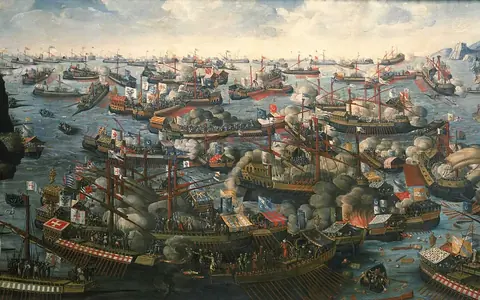
On 7 October 1571 the League's fleet under Don John of Austria met Ali Pasha's fleet at the mouth of the Gulf of Patras, the Battle of Lepanto. Ali Pasha was killed and his center collapsed. Losses are disputed: Britannica says the dead were about 8,000 on each side and that the allies took 117 galleys and freed about 15,000 enslaved Christians, while Ernest Tucker counts about 200 Ottoman ships and 30,000 men lost, killed or captured.32
The victory did not save Cyprus: Venice made peace in 1573 and gave up the island. The Ottomans rebuilt their fleet within a year and soon regained control of the eastern Mediterranean. Tucker notes that historians still argue whether Lepanto began an Ottoman naval decline or only cost the fleet its trained men.33
The Long War, Khotyn and the Köprülü revival, 1593 to 1676
War with the Habsburgs resumed in the early 1590s and lasted until 1606. Transylvania, Wallachia and Moldavia rose against Ottoman rule and joined the Habsburg side, and the Austrians won early victories, until Mehmed III's victory at Mezőkeresztes in 1596 halted their offensive. The Peace of Zsitvatorok of 1606 kept the frontier where it was and ended the Habsburg tribute.34
The Polish-Lithuanian front flared up over Moldavia and the steppe raids. In 1620 a Polish army was destroyed at Cecora, and in 1621 Sultan Osman II marched north: the Polish History Museum gives his army as about 100,000 men, the Internet Encyclopedia of Ukraine as 150,000 Ottoman and Tatar troops. At Khotyn on the Dniester the Polish-Lithuanian army and tens of thousands of Zaporozhian Cossacks held a fortified camp against assaults from 2 to 28 September, and the sultan agreed to peace.35
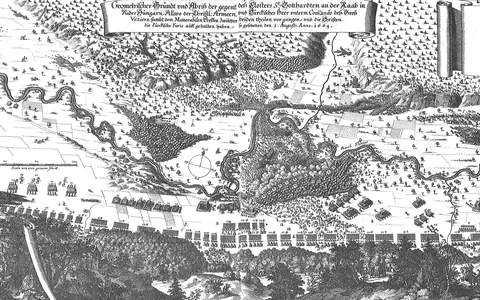
In the mid-17th century the Köprülü grand viziers, Köprülü Mehmed Pasha from 1656 and his son Fazıl Ahmed Pasha from 1661, restored the army and finances. The Ottomans finished the long war with Venice by taking Crete in 1669, but a Habsburg army, helped by French troops, stopped Fazıl Ahmed at Saint Gotthard in 1664.36
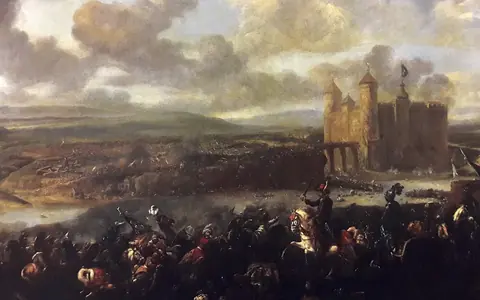
In 1672 the Ottomans took the fortress of Kamieniec and Podolia from the Commonwealth, and the treaty of Buczacz reduced it to a tributary of the sultan. The Commonwealth refused to accept it and raised a new army. On 11 November 1673, at the second Battle of Khotyn, Grand Hetman Jan Sobieski stormed the camp of Hussein Pasha, whose army both the Polish History Museum and the Wilanów Palace Museum put at about 30,000 men. The victory helped make Sobieski king in 1674.37
Vienna 1683 and the Great Turkish War
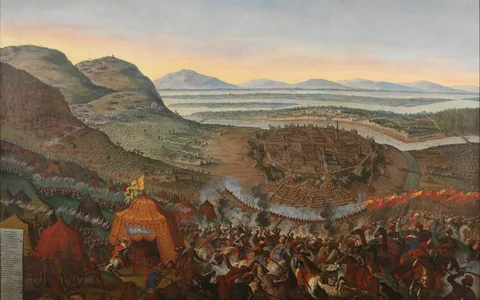
Grand Vizier Kara Mustafa Pasha besieged Vienna in July 1683. On 12 September a relief army under John III Sobieski and Charles of Lorraine came down from the Kahlenberg and routed his army at the Battle of Vienna. Britannica gives 150,000 Ottoman troops and 80,000 in the relief army; Ágoston also gives about 150,000, of whom only 40,000 were standing troops, against 75,000.38
The defeat opened a 16-year war with the Holy League of the emperor, Poland-Lithuania, Venice and Russia, told in our guide to the Great Turkish War. After Prince Eugene of Savoy's victory at Zenta in 1697 the sultan negotiated. By the Treaty of Karlowitz of 26 January 1699 the Habsburgs received Hungary, except the Banat of Temesvár, and Transylvania; Venice the Morea and most of Dalmatia; Poland Podolia. Tucker calls it the first written Ottoman acknowledgment of military defeat.39
Key commanders of the Ottoman wars in Europe
On the Ottoman side, Murad I won at the Maritsa and Kosovo; Bayezid I at Nicopolis; Murad II at Varna. Mehmed II took Constantinople, and Süleyman the Magnificent won at Mohács and led the sieges of Vienna in 1529 and of Szigetvár in 1566. In the 17th century the grand viziers Fazıl Ahmed Pasha and Kara Mustafa Pasha led the last great offensives.40
Against them, János Hunyadi defended Hungary from the 1440s to 1456 and Stephen the Great held Moldavia; Don John of Austria commanded at Lepanto; Miklós Zrínyi died at Szigetvár. John III Sobieski won at Khotyn in 1673 and at Vienna in 1683, and Eugene of Savoy won at Zenta in 1697 and Petrovaradin in 1716.41
Who won the Ottoman wars in Europe?
No single side won wars that lasted more than five centuries. Until the late 16th century the Ottomans won most of the decisive battles, and Britannica says Mehmed II laid foundations for Ottoman rule in southeastern Europe that lasted four centuries. The turning point came between 1683 and 1699: EBSCO's survey dates the start of the Ottoman withdrawal from the Balkans to Zenta, and Karlowitz confirmed it.42
In the 18th century the Habsburgs and Russia pressed on. After Eugene's victories at Petrovaradin in 1716 and Belgrade in 1717, the Treaty of Passarowitz of 1718 gave Austria the Banat, Belgrade and northern Serbia, though the Ottomans regained Belgrade in 1739. Russia's war of 1768 to 1774 ended with the Treaty of Küçük Kaynarca, which made the Crimean khanate independent, opened the Black Sea to a Russian fleet and gave Russia a claim to speak for the sultan's Orthodox subjects; Russia annexed Crimea in 1783.43
In the 19th century the Balkan peoples broke away. Serbia won autonomy in 1830. Greece rose in 1821; after the British, French and Russian fleets destroyed the Ottoman and Egyptian fleets at Navarino in 1827, its independence was recognized by 1832. The Russo-Turkish war of 1877 to 1878 ended with the Treaty of San Stefano, which the Congress of Berlin revised in 1878, dividing the large new Bulgaria and letting Austria-Hungary occupy Bosnia and Herzegovina.44

The last act came in 1912. Serbia, Bulgaria, Greece and Montenegro formed the Balkan League, defeated the Ottoman armies in Thrace and Macedonia and forced an armistice in December. The Treaty of London of 30 May 1913 left the empire only a narrow band of eastern Thrace; in the Second Balkan War that summer the Ottomans took back Adrianople from Bulgaria.45
Whether all this was a story of Ottoman decline is itself debated. Britannica's survey still speaks of decline after 1566, while Tucker points out that the Ottomans rebuilt their fleet within a year of Lepanto, and Britannica itself notes that they took Crete in 1669 and could besiege Vienna again in 1683.46
Major battles of the Ottoman wars in Europe
Below, in date order, are our articles on the battles of these wars. The battles of 1683 to 1699 are also gathered in our guide to the Great Turkish War.
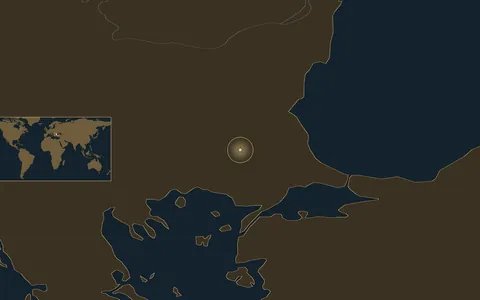
- 1371Battle of the Maritsa, 1371Ottoman Empire vs Serbian lords of Macedonia
On 26 September 1371 an Ottoman night attack destroyed the army of King Vukašin and Despot Uglješa at Chernomen on the Maritsa; both brothers died.
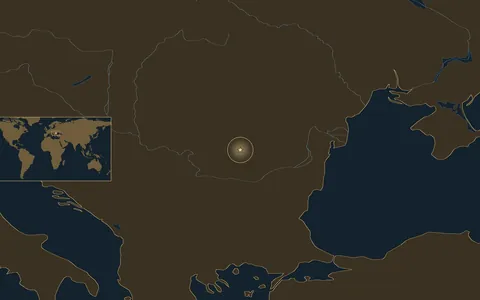
- 1395Battle of Rovine, 1395Wallachia vs Ottoman Empire
Mircea the Elder of Wallachia fought Sultan Bayezid I at Rovine in 1394 or 1395. Two Serbian lords died for the sultan, and historians still argue over who won.
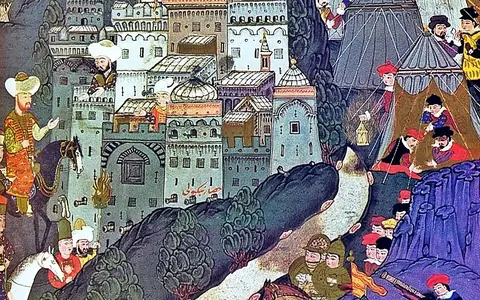
- 1396The Battle of Nicopolis, 1396Crusader coalition (Hungary, France, Burgundy) vs Ottoman Empire
How Sultan Bayezid I destroyed a Franco-Hungarian crusade on the Danube and confirmed Ottoman power in the Balkans.
- 1453The Fall of Constantinople, 1453Ottoman Empire vs Byzantine Empire
How Mehmed II's giant cannon broke the thousand-year walls and ended the Byzantine Empire.

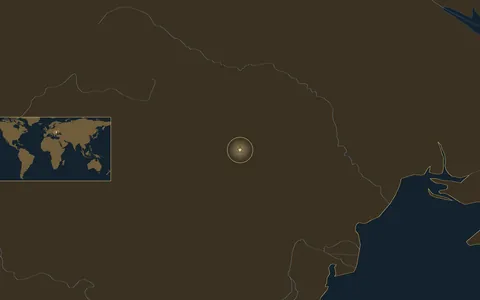
- 1476Battle of Valea Albă, 1476Principality of Moldavia vs Ottoman Empire, with Wallachian troops
On 26 July 1476 Mehmed II stormed Stephen the Great's fortified camp at Valea Albă in Moldavia, but the fortresses held and the sultan withdrew.
- 1493Battle of Krbava Field, 1493Kingdom of Croatia (in union with Hungary) vs Ottoman Empire
On 9 September 1493 Ban Emerik Derenčin led a Croatian army into the open on Krbava Field and was destroyed by Hadum Jakub Pasha's Ottomans. Course, losses and memory.
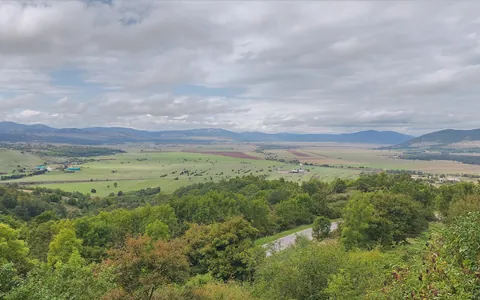
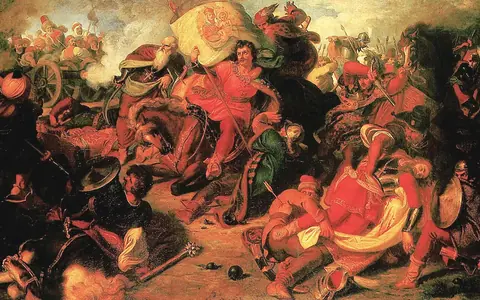
- 1526Battle of Mohács, 1526Ottoman Empire vs Kingdom of Hungary
How Suleiman the Magnificent destroyed the kingdom of Hungary at Mohács in 1526 in under two hours.
- 1571The Battle of Lepanto, 1571Holy League (Spain, Venice, the Papacy) vs Ottoman Empire
The largest galley battle in history, and the end of Ottoman naval dominance.
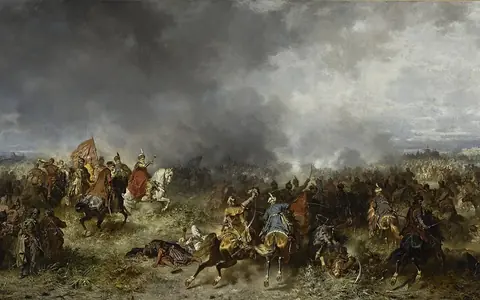
- 1621Battle of Khotyn, 1621Polish-Lithuanian Commonwealth and Cossacks vs Ottoman Empire
How a Polish-Lithuanian and Cossack army held Khotyn in 1621 against Sultan Osman II, and how the failure cost him his throne.
- 1664Battle of Saint Gotthard, 1664Habsburg Monarchy, Imperial Army of the Reich, League of the Rhine and France vs Ottoman Empire
On 1 August 1664 Montecuccoli's Imperial, German and French troops rallied from a rout and drove an Ottoman bridgehead back into the flooded Rába.
- 1673The Battle of Khotyn, 1673Polish-Lithuanian Commonwealth vs Ottoman Empire
After a freezing night, the hussars rode through the breach.
- 1683The Siege of Vienna, 1683Poland, Holy Roman Empire and German states vs Ottoman Empire
A starving city, then the winged hussars came down the mountain. The day the Ottoman advance into Europe turned.
- 1691Battle of Slankamen, 1691Holy Roman Empire (Habsburg army) vs Ottoman Empire
On 19 August 1691 Louis of Baden broke an Ottoman army twice his size at Slankamen on the Danube; Grand Vizier Fazıl Mustafa Pasha fell in the battle.
- 1694The Battle of Hodów, 1694Polish-Lithuanian Commonwealth vs Budjak Horde (Tatars)
About 400 Polish cavalrymen hold a village against a vast Tatar army.
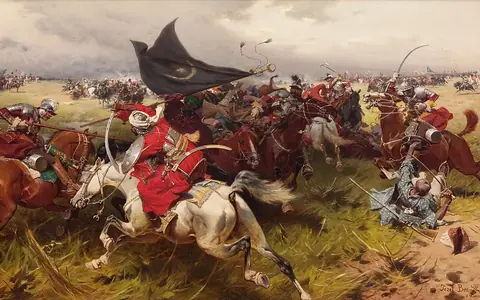
- 1697Battle of Zenta, 1697Holy Roman Empire (Habsburg army) vs Ottoman Empire
On 11 September 1697 Prince Eugene caught the Ottoman army astride the Tisza at Zenta and destroyed the half still on his bank; the grand vizier died there.
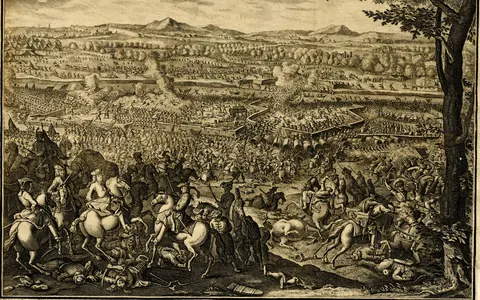
- 1716Battle of Petrovaradin, 1716Habsburg Monarchy vs Ottoman Empire
On 5 August 1716 Prince Eugene routed the Ottoman army camped before Petrovaradin in five hours; Grand Vizier Ali Pasha was shot while leading a charge.
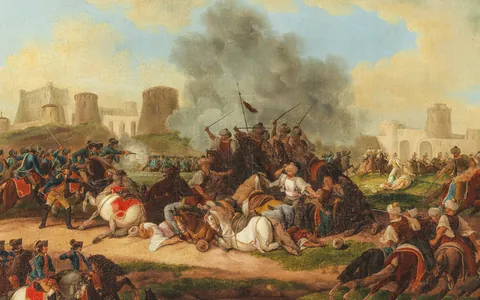
Timeline of the Ottoman wars in Europe
- 1354Orhan's son Süleyman occupies Gallipoli, the first permanent Ottoman base in Europe.47
- 1361Murad I takes Adrianople (Edirne), soon the Ottoman capital; some sources give 1362 or 1365.48
- 1371Battle of the Maritsa: the Serbian state breaks into rival princedoms.49
- 1389June: Battle of Kosovo; Murad I and Prince Lazar are both killed.50
- 139625 September: Battle of Nicopolis, the crusade of King Sigismund is destroyed.51
- 1402Timur defeats and captures Bayezid I at Ankara.52
- 144410 November: Battle of Varna; King Władysław of Poland and Hungary is killed.53
- 145329 May: fall of Constantinople to Mehmed II.54
- 1456János Hunyadi defeats Mehmed II's army besieging Belgrade.55
- 1476Mehmed II defeats Stephen the Great at Valea Albă, a year after Stephen's victory near Vaslui.56
- 1521Süleyman I takes Belgrade.57
- 152629 August: Battle of Mohács; King Louis II of Hungary dies.58
- 152927 September to mid-October: first Ottoman siege of Vienna.59
- 1538Barbarossa defeats Andrea Doria's allied fleet off Preveza.60
- 1541Central Hungary becomes an Ottoman province.61
- 1566Süleyman dies during the siege of Szigetvár; Miklós Zrínyi falls in the last sally.62
- 15717 October: Battle of Lepanto; Venice cedes Cyprus in 1573.63
- 1596Mehmed III wins at Mezőkeresztes; the Peace of Zsitvatorok follows in 1606.64
- 16212 to 28 September: Battle of Khotyn; Osman II makes peace.65
- 1664Battle of Saint Gotthard: Habsburg and French troops stop Fazıl Ahmed Pasha.66
- 1669Crete falls to the Ottomans after the long war with Venice.67
- 167311 November: Jan Sobieski wins the second Battle of Khotyn, a year after the loss of Kamieniec.68
- 1683
- 169926 January: Treaty of Karlowitz; Hungary and Transylvania pass to the Habsburgs.70
- 1718Treaty of Passarowitz after Eugene's victories at Petrovaradin and Belgrade.71
- 1739Treaty of Belgrade: the Ottomans regain Belgrade.72
- 1774Treaty of Küçük Kaynarca ends the Russo-Turkish war of 1768 to 1774; Russia annexes Crimea in 1783.73
- 1827Battle of Navarino; Greek independence is recognized by 1832.74
- 1878Treaty of San Stefano and the Congress of Berlin end the Russo-Turkish war of 1877 to 1878.75
- 1912October: the Balkan League goes to war; armistice on 3 December.76
- 191330 May: Treaty of London; in July the Ottomans retake Adrianople in the Second Balkan War.77
Where to read next
For the Ottoman side, see our rankings of the greatest battles of the Ottoman Empire and the greatest Ottoman commanders, and for the frontier war in Croatia the Croatian-Ottoman wars. The Russo-Ottoman rivalry runs on into the Crimean War, and you can test yourself with our Ottoman battles quiz.
Notes
A number in the text points to a note; each note names the works that paragraph draws on, listed in full under Sources.
- Encyclopaedia Britannica, “Ottoman Empire”; EBSCO Research Starters, “Turkish Wars of European Expansion”; Encyclopaedia Britannica, “Treaty of Carlowitz”; Encyclopaedia Britannica, “Balkan Wars”; Richard C. Hall, Encyclopedia of Modern Europe. ↩
- Encyclopaedia Britannica, “Ottoman Empire”; EBSCO Research Starters, “Turkish Wars of European Expansion”; Encyclopaedia Britannica, “Fall of Constantinople”; Encyclopaedia Britannica, “Siege of Vienna (1529)”; Gábor Ágoston, Europe, 1450 to 1789; Encyclopaedia Britannica, “Balkan Wars”; Richard C. Hall, Encyclopedia of Modern Europe. ↩
- EBSCO Research Starters, “Turkish Wars of European Expansion”; Encyclopaedia Britannica, “Ottoman Empire”. ↩
- Encyclopaedia Britannica, “Ottoman Empire”; EBSCO Research Starters, “Byzantine-Ottoman Wars”. ↩
- Encyclopaedia Britannica, “Ottoman Empire”; EBSCO Research Starters, “Byzantine-Ottoman Wars”; EBSCO Research Starters, “Turkish Wars of European Expansion”. ↩
- Encyclopaedia Britannica, “Ottoman Empire”; EBSCO Research Starters, “Hungarian-Turkish Wars”; EBSCO Research Starters, “Turkish Conquest of Serbia”; EBSCO Research Starters, “Byzantine-Ottoman Wars”. ↩
- Encyclopaedia Britannica, “Ottoman Empire”; EBSCO Research Starters, “Ottoman armies”; Encyclopaedia Britannica, “Ottoman Empire”; Encyclopaedia Britannica, “Ottoman Empire”. ↩
- EBSCO Research Starters, “Ottoman armies”; EBSCO Research Starters, “Hungarian-Turkish Wars”; Ernest Tucker, Europe, 1450 to 1789. ↩
- Encyclopaedia Britannica, “Ottoman Empire”; EBSCO Research Starters, “Ottoman armies”; Encyclopaedia Britannica, “Ottoman Empire”. ↩
- Encyclopaedia Britannica, “Fall of Constantinople”; EBSCO Research Starters, “Turkish Wars of European Expansion”. ↩
- Encyclopaedia Britannica, “Battle of Kosovo”; EBSCO Research Starters, “Turkish Conquest of Serbia”; EBSCO Research Starters, “Hungarian-Turkish Wars”; Encyclopaedia Britannica, “Ottoman Empire”; Encyclopaedia Britannica, “Battle of Varna”. ↩
- EBSCO Research Starters, “Stephen the Great”; Encyclopaedia Britannica, “Stephen, prince of Moldavia”. ↩
- Encyclopaedia Britannica, “Ottoman Empire”; EBSCO Research Starters, “Byzantine-Ottoman Wars”; Encyclopaedia Britannica, “Battle of Lepanto”; Ernest Tucker, Europe, 1450 to 1789; Encyclopaedia Britannica, “Ottoman Empire”; EBSCO Research Starters, “Turkish Wars of European Expansion”; EBSCO Research Starters, “Austro-Turkish Wars”; Ernest Tucker, Europe, 1450 to 1789; EBSCO Research Starters, “Battle of Mohács”. ↩
- Muzeum Historii Polski, “Bitwa pod Chocimiem”; Canadian Institute of Ukrainian Studies, Internet Encyclopedia of Ukraine; Encyclopaedia Britannica, “Russo-Turkish wars”; EBSCO Research Starters, “Turkish Wars of European Expansion”. ↩
- Encyclopaedia Britannica, “Battle of Nicopolis”; EBSCO Research Starters, “Turkish Wars of European Expansion”; Encyclopaedia Britannica, “Battle of Lepanto”; EBSCO Research Starters, “Battle of Lepanto”; Encyclopaedia Britannica, “Ottoman Empire”; Colin Imber, Europe, 1450 to 1789. ↩
- Encyclopaedia Britannica, “Ottoman Empire”; EBSCO Research Starters, “Turkish Wars of European Expansion”; Encyclopaedia Britannica, “Battle of Kosovo”; EBSCO Research Starters, “Turkish Conquest of Serbia”. ↩
- Encyclopaedia Britannica, “Battle of Kosovo”; EBSCO Research Starters, “Battle of Kosovo”. ↩
- Encyclopaedia Britannica, “Ottoman Empire”; Encyclopaedia Britannica, “Battle of Nicopolis”; EBSCO Research Starters, “Turkish Wars of European Expansion”; EBSCO Research Starters, “Hungarian-Turkish Wars”. ↩
- Encyclopaedia Britannica, “Ottoman Empire”; EBSCO Research Starters, “Turkish Wars of European Expansion”; EBSCO Research Starters, “Ottoman armies”; Encyclopaedia Britannica, “Ottoman Empire”; Encyclopaedia Britannica, “Fall of Constantinople”; EBSCO Research Starters, “Byzantine-Ottoman Wars”. ↩
- EBSCO Research Starters, “Hungarian-Turkish Wars”; Encyclopedia of World Biography; Encyclopaedia Britannica, “Ottoman Empire”; Encyclopaedia Britannica, “Battle of Varna”. ↩
- Encyclopaedia Britannica, “Fall of Constantinople”; EBSCO Research Starters, “Byzantine-Ottoman Wars”; Encyclopaedia Britannica, “Ottoman Empire”; EBSCO Research Starters, “Fall of Constantinople”. ↩
- Encyclopaedia Britannica, “Fall of Constantinople”; EBSCO Research Starters, “Fall of Constantinople”. ↩
- Encyclopaedia Britannica, “Ottoman Empire”; Encyclopaedia Britannica, “Battle of Varna”; EBSCO Research Starters, “Hungarian-Turkish Wars”; EBSCO Research Starters, “Byzantine-Ottoman Wars”; Encyclopedia of World Biography; Encyclopaedia Britannica, “Ottoman Empire”. ↩
- Encyclopaedia Britannica, “Vlad the Impaler”; EBSCO Research Starters, “Stephen the Great”; Encyclopaedia Britannica, “Stephen, prince of Moldavia”; Encyclopaedia Britannica, “Ottoman Empire”. ↩
- Encyclopaedia Britannica, “Ottoman Empire”; Encyclopaedia Britannica, “Battle of Mohács”; EBSCO Research Starters, “Battle of Mohács”; EBSCO Research Starters, “Hungarian-Turkish Wars”; Ernest Tucker, Europe, 1450 to 1789. ↩
- Encyclopaedia Britannica, “Battle of Mohács”; EBSCO Research Starters, “Battle of Mohács”; EBSCO Research Starters, “Hungarian-Turkish Wars”. ↩
- Encyclopaedia Britannica, “Ottoman Empire”; Encyclopaedia Britannica, “Battle of Mohács”; EBSCO Research Starters, “Battle of Mohács”; Colin Imber, Europe, 1450 to 1789. ↩
- Encyclopaedia Britannica, “Siege of Vienna (1529)”; Gábor Ágoston, Europe, 1450 to 1789; Encyclopaedia Britannica, “Ottoman Empire”. ↩
- Encyclopaedia Britannica, “Ottoman Empire”; EBSCO Research Starters, “Austro-Turkish Wars”; Ernest Tucker, Europe, 1450 to 1789; Colin Imber, Europe, 1450 to 1789; The Columbia Encyclopedia, 6th ed.; Pál Fodor and Szabolcs Varga, “Miklós Zrínyi and Süleyman's Death”. ↩
- Encyclopaedia Britannica, “Ottoman Empire”; EBSCO Research Starters, “Süleyman the Magnificent”; EBSCO Research Starters, “Battle of Préveza”. ↩
- Encyclopaedia Britannica, “Battle of Lepanto”; EBSCO Research Starters, “Battle of Lepanto”; EBSCO Research Starters, “Siege of Famagusta and Fall of Cyprus”. ↩
- Encyclopaedia Britannica, “Battle of Lepanto”; Ernest Tucker, Europe, 1450 to 1789; EBSCO Research Starters, “Battle of Lepanto”. ↩
- Encyclopaedia Britannica, “Battle of Lepanto”; Ernest Tucker, Europe, 1450 to 1789; Encyclopaedia Britannica, “Ottoman Empire”. ↩
- Encyclopaedia Britannica, “Ottoman Empire”; Ernest Tucker, Europe, 1450 to 1789; EBSCO Research Starters, “Turkish Wars of European Expansion”; EBSCO Research Starters, “Austro-Turkish Wars”. ↩
- Muzeum Historii Polski, “Bitwa pod Chocimiem”; Canadian Institute of Ukrainian Studies, Internet Encyclopedia of Ukraine; Encyclopaedia Britannica, “Polish-Turkish War”. ↩
- Encyclopaedia Britannica, “Ottoman Empire”; EBSCO Research Starters, “Turkish Wars of European Expansion”; Ernest Tucker, Europe, 1450 to 1789. ↩
- Muzeum Historii Polski, “Chocim 1673”; Museum of King Jan III's Palace at Wilanów, “Battle of Chocim, 11 November 1673”; EBSCO Research Starters, “Turkish Wars of European Expansion”. ↩
- Encyclopaedia Britannica, “Siege of Vienna (1683)”; Gábor Ágoston, Europe, 1450 to 1789; Encyclopaedia Britannica, “Ottoman Empire”. ↩
- Encyclopaedia Britannica, “Treaty of Carlowitz”; Ernest Tucker, Europe, 1450 to 1789; EBSCO Research Starters, “Austro-Turkish Wars”. ↩
- Encyclopaedia Britannica, “Ottoman Empire”; Encyclopaedia Britannica, “Battle of Varna”; Encyclopaedia Britannica, “Fall of Constantinople”; Encyclopaedia Britannica, “Battle of Mohács”; Encyclopaedia Britannica, “Siege of Vienna (1529)”; EBSCO Research Starters, “Turkish Wars of European Expansion”; The Columbia Encyclopedia, 6th ed.. ↩
- Encyclopedia of World Biography; EBSCO Research Starters, “Hungarian-Turkish Wars”; EBSCO Research Starters, “Stephen the Great”; Encyclopaedia Britannica, “Battle of Lepanto”; Ernest Tucker, Europe, 1450 to 1789; The Columbia Encyclopedia, 6th ed.; Pál Fodor and Szabolcs Varga, “Miklós Zrínyi and Süleyman's Death”; Muzeum Historii Polski, “Chocim 1673”; Encyclopaedia Britannica, “Siege of Vienna (1683)”; Encyclopaedia Britannica, “Treaty of Carlowitz”; EBSCO Research Starters, “Austro-Turkish Wars”. ↩
- Encyclopaedia Britannica, “Ottoman Empire”; EBSCO Research Starters, “Turkish Wars of European Expansion”; Encyclopaedia Britannica, “Siege of Vienna (1683)”; Encyclopaedia Britannica, “Treaty of Carlowitz”. ↩
- EBSCO Research Starters, “Austro-Turkish Wars”; Encyclopaedia Britannica, “Treaty of Passarowitz”; Ernest Tucker, Europe, 1450 to 1789; Encyclopaedia Britannica, “Russo-Turkish wars”; Norman Saul, Encyclopedia of Russian History; EBSCO Research Starters, “Treaty of Kuchuk Kainarji”. ↩
- Encyclopaedia Britannica, “Ottoman Empire”; EBSCO Research Starters, “Congress of Berlin”; EBSCO Research Starters, “Greek War of Independence”; Encyclopaedia Britannica, “Russo-Turkish wars”; Encyclopaedia Britannica, “Balkan Wars”. ↩
- Encyclopaedia Britannica, “Balkan Wars”; Richard C. Hall, Encyclopedia of Modern Europe. ↩
- Encyclopaedia Britannica, “Ottoman Empire”; Ernest Tucker, Europe, 1450 to 1789; Encyclopaedia Britannica, “Ottoman Empire”. ↩
- Encyclopaedia Britannica, “Ottoman Empire”; EBSCO Research Starters, “Turkish Wars of European Expansion”. ↩
- Encyclopaedia Britannica, “Ottoman Empire”; EBSCO Research Starters, “Turkish Wars of European Expansion”; EBSCO Research Starters, “Turkish Conquest of Serbia”. ↩
- Encyclopaedia Britannica, “Ottoman Empire”; Encyclopaedia Britannica, “Battle of Kosovo”; EBSCO Research Starters, “Turkish Conquest of Serbia”. ↩
- Encyclopaedia Britannica, “Battle of Kosovo”; EBSCO Research Starters, “Battle of Kosovo”. ↩
- Encyclopaedia Britannica, “Battle of Nicopolis”; EBSCO Research Starters, “Hungarian-Turkish Wars”. ↩
- Encyclopaedia Britannica, “Ottoman Empire”; EBSCO Research Starters, “Turkish Wars of European Expansion”. ↩
- Encyclopaedia Britannica, “Battle of Varna”; Encyclopedia of World Biography. ↩
- Encyclopaedia Britannica, “Fall of Constantinople”; EBSCO Research Starters, “Fall of Constantinople”. ↩
- Encyclopaedia Britannica, “Battle of Varna”; Encyclopedia of World Biography. ↩
- Encyclopaedia Britannica, “Stephen, prince of Moldavia”; EBSCO Research Starters, “Stephen the Great”. ↩
- Encyclopaedia Britannica, “Ottoman Empire”; EBSCO Research Starters, “Süleyman the Magnificent”. ↩
- Encyclopaedia Britannica, “Battle of Mohács”; EBSCO Research Starters, “Battle of Mohács”. ↩
- Encyclopaedia Britannica, “Siege of Vienna (1529)”; Gábor Ágoston, Europe, 1450 to 1789. ↩
- Encyclopaedia Britannica, “Ottoman Empire”; EBSCO Research Starters, “Battle of Préveza”. ↩
- Encyclopaedia Britannica, “Ottoman Empire”; Colin Imber, Europe, 1450 to 1789. ↩
- The Columbia Encyclopedia, 6th ed.; Pál Fodor and Szabolcs Varga, “Miklós Zrínyi and Süleyman's Death”. ↩
- Encyclopaedia Britannica, “Battle of Lepanto”; Ernest Tucker, Europe, 1450 to 1789. ↩
- Ernest Tucker, Europe, 1450 to 1789; EBSCO Research Starters, “Turkish Wars of European Expansion”. ↩
- Muzeum Historii Polski, “Bitwa pod Chocimiem”; Canadian Institute of Ukrainian Studies, Internet Encyclopedia of Ukraine. ↩
- EBSCO Research Starters, “Turkish Wars of European Expansion”; Ernest Tucker, Europe, 1450 to 1789. ↩
- Encyclopaedia Britannica, “Ottoman Empire”; EBSCO Research Starters, “Turkish Wars of European Expansion”. ↩
- Muzeum Historii Polski, “Chocim 1673”; Museum of King Jan III's Palace at Wilanów, “Battle of Chocim, 11 November 1673”. ↩
- Encyclopaedia Britannica, “Siege of Vienna (1683)”; Gábor Ágoston, Europe, 1450 to 1789. ↩
- Encyclopaedia Britannica, “Treaty of Carlowitz”; Ernest Tucker, Europe, 1450 to 1789. ↩
- EBSCO Research Starters, “Austro-Turkish Wars”; Encyclopaedia Britannica, “Treaty of Passarowitz”. ↩
- Ernest Tucker, Europe, 1450 to 1789; Encyclopaedia Britannica, “Russo-Turkish wars”. ↩
- Encyclopaedia Britannica, “Russo-Turkish wars”; Norman Saul, Encyclopedia of Russian History. ↩
- Encyclopaedia Britannica, “Ottoman Empire”; EBSCO Research Starters, “Greek War of Independence”. ↩
- Encyclopaedia Britannica, “Russo-Turkish wars”; EBSCO Research Starters, “Congress of Berlin”. ↩
- Encyclopaedia Britannica, “Balkan Wars”; Richard C. Hall, Encyclopedia of Modern Europe. ↩
- Encyclopaedia Britannica, “Balkan Wars”; Richard C. Hall, Encyclopedia of Modern Europe. ↩
Sources
- Encyclopaedia Britannica, “Ottoman Empire: Osman and Orhan”.
- EBSCO Research Starters, “Turkish Wars of European Expansion”.
- Encyclopaedia Britannica, “Treaty of Carlowitz”.
- Encyclopaedia Britannica, “Balkan Wars”.
- Richard C. Hall, Encyclopedia of Modern Europe: Europe 1789 to 1914, via Encyclopedia.com, “Balkan Wars”.
- Encyclopaedia Britannica, “Fall of Constantinople”.
- Encyclopaedia Britannica, “Siege of Vienna (1529)”.
- Gábor Ágoston, Europe, 1450 to 1789: Encyclopedia of the Early Modern World, via Encyclopedia.com, “Vienna, Sieges of”.
- Encyclopaedia Britannica, “Ottoman Empire: Süleyman I”.
- EBSCO Research Starters, “Byzantine-Ottoman Wars”.
- EBSCO Research Starters, “Hungarian-Turkish Wars”.
- EBSCO Research Starters, “Turkish Conquest of Serbia”.
- EBSCO Research Starters, “Ottoman armies”.
- Encyclopaedia Britannica, “Ottoman Empire: Restoration of the Ottoman Empire, 1402 to 81”.
- Encyclopaedia Britannica, “Ottoman Empire: Mehmed II”.
- Ernest Tucker, Europe, 1450 to 1789: Encyclopedia of the Early Modern World, via Encyclopedia.com, “Austro-Ottoman Wars”.
- Encyclopaedia Britannica, “Ottoman Empire: The decline of the Ottoman Empire, 1566 to 1807”.
- Encyclopaedia Britannica, “Battle of Kosovo”.
- Encyclopaedia Britannica, “Battle of Varna”.
- EBSCO Research Starters, “Stephen the Great”.
- Encyclopaedia Britannica, “Stephen, prince of Moldavia”.
- Encyclopaedia Britannica, “Battle of Lepanto”.
- Ernest Tucker, Europe, 1450 to 1789: Encyclopedia of the Early Modern World, via Encyclopedia.com, “Lepanto, Battle of”.
- Encyclopaedia Britannica, “Ottoman Empire: External relations”.
- EBSCO Research Starters, “Austro-Turkish Wars”.
- EBSCO Research Starters, “Battle of Mohács”.
- Muzeum Historii Polski, “Bitwa pod Chocimiem: klęska, zwycięstwo i królobójstwo” (in Polish).
- Canadian Institute of Ukrainian Studies, Internet Encyclopedia of Ukraine, “Khotyn, Battle of”.
- Encyclopaedia Britannica, “Russo-Turkish wars”.
- Encyclopaedia Britannica, “Battle of Nicopolis”.
- EBSCO Research Starters, “Battle of Lepanto”.
- Colin Imber, Europe, 1450 to 1789: Encyclopedia of the Early Modern World, via Encyclopedia.com, “Suleiman I”.
- EBSCO Research Starters, “Battle of Kosovo”.
- Encyclopedia of World Biography, via Encyclopedia.com, “John Hunyadi”.
- EBSCO Research Starters, “Fall of Constantinople”.
- Encyclopaedia Britannica, “Vlad the Impaler”.
- Encyclopaedia Britannica, “Ottoman Empire: The peak of Ottoman power, 1481 to 1566”.
- Encyclopaedia Britannica, “Battle of Mohács”.
- The Columbia Encyclopedia, 6th ed., via Encyclopedia.com, “Szigetvár”.
- Pál Fodor and Szabolcs Varga, “Miklós Zrínyi and Süleyman's Death”, English summary, Történelmi Szemle 2016/2 (Research Centre for the Humanities, Budapest).
- EBSCO Research Starters, “Süleyman the Magnificent”.
- EBSCO Research Starters, “Battle of Préveza”.
- EBSCO Research Starters, “Siege of Famagusta and Fall of Cyprus”.
- Encyclopaedia Britannica, “Polish-Turkish War”.
- Muzeum Historii Polski, “Chocim 1673” (in Polish).
- Museum of King Jan III's Palace at Wilanów, “Battle of Chocim, 11 November 1673: for fame and crown”.
- Encyclopaedia Britannica, “Siege of Vienna (1683)”.
- Encyclopaedia Britannica, “Treaty of Passarowitz”.
- Norman Saul, Encyclopedia of Russian History, via Encyclopedia.com, “Kuchuk Kainarji, Treaty of”.
- EBSCO Research Starters, “Treaty of Kuchuk Kainarji”.
- Encyclopaedia Britannica, “Ottoman Empire: The empire from 1807 to 1920”.
- EBSCO Research Starters, “Congress of Berlin”.
- EBSCO Research Starters, “Greek War of Independence”.





