

What is the military history of Russia?
It is the history of the wars of the Russian state in its successive forms: the princes of Kyivan Rus and Novgorod, Muscovy, the Tsardom from 1547 and the Russian Empire from 1721 to 1917. Its milestones run from Lake Peipus in 1242 through Poltava, Borodino and Sevastopol to Tsushima and World War I.1
Russia is one of the few states whose wars shaped both Europe and Asia. This guide follows them era by era, names the state that fought each one and gives defeats the same weight as victories. Start with our battle guides to the Battle on the Ice at Lake Peipus (1242), the Battle of Poltava (1709), the Battle of Borodino (1812), the siege of Sevastopol (1854 to 1855) and the Battle of Tsushima (1905).
Russia's wars also run through the history of its neighbors. Polish readers will find the Polish side of the Time of Troubles, the partitions, the uprisings and 1920 told here as well; our hubs on the military history of Poland and Napoleon's invasion of Russia tell those stories from the other side.
Which states does the military history of Russia cover?
The story begins with Kyivan Rus (also spelled Kievan Rus), the first East Slavic state, whose capital was Kyiv on the Dnieper. The Primary Chronicle says the Viking Oleh (Oleg) took Kyiv in 882; historians still debate both the origin of the state and of the name Rus, and the role of the Varangians in founding it. Kyivan Rus is the shared early history of several modern nations, so this page treats it as background rather than as Russia itself.2
After the 1050s the realm split into warring principalities, and the Mongol conquest of 1237 to 1240 ended the power of Kyiv. Out of the north-eastern lands grew the Grand Principality of Moscow, or Muscovy, whose ruler Ivan IV was crowned tsar in 1547. In 1721 the Senate gave Peter I the title of emperor, and the Russian Empire lasted until Nicholas II abdicated in March 1917. Soviet Russia, and then the Soviet Union, followed.3

Kyivan Rus, Novgorod and the Mongols
In 1237 and 1238 a large Mongol army overran most of the lands of Rus, and in 1240 it sacked Kyiv. The Golden Horde, based on the lower Volga, then ruled the Rus principalities indirectly through their own princes and its tax collectors.4
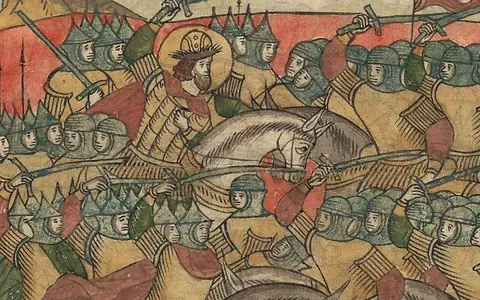
In the north-west, Novgorod faced enemies from the Baltic. Its prince, Alexander, defeated a Swedish force on the Neva in 1240, which earned him the name Nevsky. When crusading knights of the Livonian branch of the Teutonic Order took Pskov and moved on Novgorod, he retook the lost ground and on 5 April 1242 (12 April by the Gregorian calendar) defeated them on the frozen Lake Peipus, the Battle on the Ice. The knights gave up their claims to the lands they had taken.5
How did Moscow rise? Muscovy from Kulikovo to Ivan the Terrible
Moscow began as a minor town. Its princes grew strong by serving the Golden Horde as collectors of its tribute from the other principalities. In 1380 Prince Dmitry of Moscow defeated the Tatar army of Mamai at Kulikovo near the Don, and was named Donskoy for it, but the victory did not end Mongol rule, which lasted about another century.6

Ivan III (reigned 1462 to 1505) gathered the Russian lands. He forced Novgorod to accept his sovereignty in 1478, ending its independence, and from 1480 he no longer acknowledged the khan as overlord.7
His grandson Ivan IV, crowned the first tsar in 1547, took Kazan by assault in 1552 and then annexed Astrakhan, turning the Volga into a Russian river. His Livonian War for an outlet to the Baltic, begun in 1558, went the other way: it dragged on for a quarter of a century against Livonia, Poland-Lithuania and Sweden, and Russia lost its gains and was left exhausted.8
The Time of Troubles: when Polish troops held Moscow
The Rurik dynasty died out in 1598, and Muscovy slid into the Time of Troubles: famine, pretenders, peasant revolts and foreign intervention. Sweden sent troops to help Tsar Vasily Shuysky, and King Sigismund III of Poland answered by invading in 1609 and besieging Smolensk.9
In 1610 the hetman Stanisław Żółkiewski defeated Shuysky's army at Klushino. Shuysky was deposed, the Moscow boyars accepted the Polish prince Władysław as tsar, and Polish troops entered Moscow. When Sigismund claimed the throne for himself, a new national army, led by Prince Dmitry Pozharsky and financed through the merchant Kuzma Minin of Nizhny Novgorod, besieged the city, and the Polish garrison in the Kremlin surrendered in late October 1612 (early November by the Gregorian calendar).10
An assembly of the land elected Michael Romanov tsar in 1613, founding the dynasty that ruled until 1917. The Truce of Deulino in 1618 left Smolensk with Poland. In 1654 Moscow accepted the Cossack hetman Bohdan Khmelnytsky's offer to take Ukraine under its protection, which led to the Thirteen Years' War with Poland; the Truce of Andrusovo of 1667 split Ukraine along the Dnieper and gave Russia Kyiv and Smolensk. Our guide to the wars of the Polish-Lithuanian Commonwealth follows these wars from the Polish side.11
How did Russia become an empire? Peter the Great and the Great Northern War
Peter I joined Denmark and Saxony-Poland against Sweden in 1700, and the young Charles XII crushed his army at Narva that November. Peter used the following years to rebuild the army on European lines, create a navy and found St Petersburg on the Baltic in 1703.12
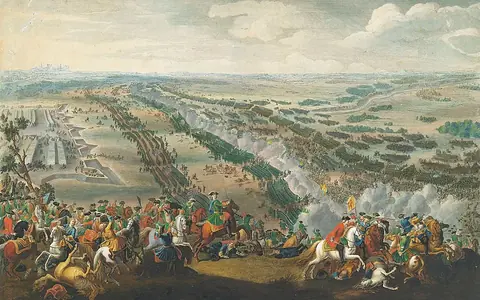
When Charles invaded Russia, Peter destroyed the main Swedish army at Poltava on 8 July 1709 (27 June Old Style), and Charles escaped to Ottoman territory. Britannica judges that Poltava ended Sweden's status as a major power. The Ottoman war that followed went badly for Peter: defeated on the Prut in 1711, he had to give Azov back.13
The Treaty of Nystad in 1721 let Russia keep Livonia, Estonia and Ingria, and with them the Baltic coast. To mark the victory Peter took the title of emperor, and the Russian Empire was proclaimed.14
Russia as a great power, 1756 to 1799
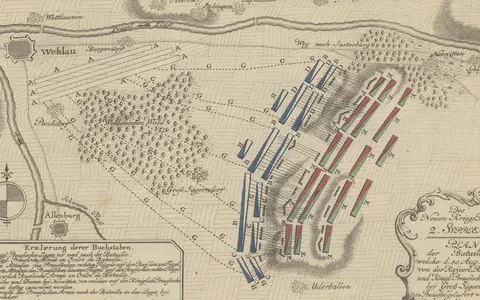
In the Seven Years' War Russia fought Prussia as Austria's ally. Its army beat the Prussians at Gross-Jägersdorf in 1757, was checked at Zorndorf in 1758 and, with the Austrians, routed Frederick II at Kunersdorf in 1759. In October 1760 Russian and Austrian troops occupied Berlin. The death of Empress Elizabeth in 1762 saved Prussia: her successor Peter III, an admirer of Frederick, took Russia out of the war.15
Catherine II turned south. Victories over the Ottoman Empire in the war of 1768 to 1774 ended with the Treaty of Küçük Kaynarca, which gave Russia an outlet to the Black Sea, and in 1783 she annexed Crimea. In the next war Aleksandr Suvorov beat the Ottomans on the Rymnik in 1789, which earned him the title Count Rimniksky, and stormed the fortress of Ismail in 1790.16
In the west, Russia, Prussia and Austria partitioned Poland in 1772, 1793 and 1795, until the Polish-Lithuanian state ceased to exist; Russia took its eastern lands. In 1792 Russian armies invaded to overturn the reforms of the Constitution of 3 May. Tadeusz Kościuszko's uprising of 1794 fell to Suvorov, whose storming of the Warsaw suburb of Praga shocked opinion abroad.17
In 1799 Suvorov led a Russian and Austrian army that drove the French out of most of northern Italy in a series of rapid victories (our article covers the Trebbia), and was then ordered across the Alps into Switzerland, where he fought his way through the mountain passes. The hero image above, by Vasily Surikov, shows that crossing.18
Russia in the Napoleonic Wars
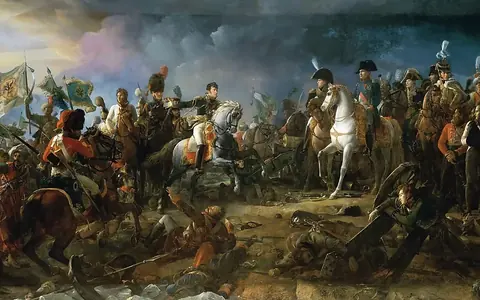
Alexander I fought Napoleon in two coalitions and lost both campaigns. At Austerlitz on 2 December 1805 Napoleon routed a Russian and Austrian army under Kutuzov, and on 14 June 1807 he beat Bennigsen's Russians at Friedland. The two emperors then met on a raft on the Niemen at Tilsit and made peace, a settlement most Russians felt as a humiliation.19
On 24 June 1812 the Grande Armée crossed into Russia. The Russian armies fell back, and in August Kutuzov replaced Barclay de Tolly in command. At Borodino on 7 September both sides lost very heavily; Napoleon held the field, but the Russian army withdrew in good order, and the battle is variously judged a costly French victory or inconclusive. Napoleon entered Moscow on 14 September, and the city burned.20

The Russian government refused to negotiate. Napoleon left Moscow on 19 October, found Kutuzov blocking the southern road at Maloyaroslavets and had to retreat by the wasted route he had come. Of the more than 600,000 men who entered Russia over the campaign, only a fraction came back; disease, hunger and cold killed far more than battle. Our hub on Napoleon's invasion of Russia tells the campaign in full.21
Alexander carried the war into Europe. Russian, Prussian, Austrian and Swedish armies defeated Napoleon at Leipzig in October 1813, and in March 1814 the tsar rode into Paris. At the Congress of Vienna he gained most of the former Duchy of Warsaw as a Kingdom of Poland under the Russian crown, with its own constitution and army.22
The Polish uprisings against Russian rule
Two Polish risings tested the empire. The November Uprising began in Warsaw in November 1830; the Polish army resisted a Russian invasion for most of 1831 but could not stop it, and its last units gave up after the Russians took Warsaw in September 1831. The kingdom lost its constitution and its army.23
The January Uprising of 1863 pitted poorly armed insurgent units against the regular Russian army. It lasted about fifteen months, until its last leaders were executed in August 1864, and Russia answered with harsh repression and Russification. Russian governments saw both risings as rebellion inside the empire; Poles remember them as wars for independence.24
The Crimean War and the war of 1877 to 1878
The Crimean War of 1853 to 1856 grew out of Russia's claim to protect the Orthodox subjects of the Ottoman sultan and a dispute with France over the holy places in Palestine. After the Russian Black Sea fleet destroyed an Ottoman squadron at Sinop on 30 November 1853, Britain and France declared war on Russia in March 1854, and Sardinia joined them in 1855.25
The allies landed in Crimea in September 1854 and besieged Sevastopol for almost a year. The Russian army lost on the Alma on 20 September; its attack at Balaclava on 25 October failed to take the British supply port, and its surprise assault at Inkerman on 5 November was beaten off. When the French stormed the Malakhov redoubt in September 1855, the Russians blew up their forts, sank their ships and abandoned the city. Our Crimean War hub covers every battle.26

With Austria threatening to join the allies, Russia accepted peace. The Treaty of Paris of 30 March 1856 neutralized the Black Sea and took southern Bessarabia from Russia, and the defeat convinced Alexander II that the country had to modernize. In 1877 Russia went to war with the Ottoman Empire again in support of the Balkan Slavs, took the fortress of Pleven and advanced almost to Constantinople, but at the Congress of Berlin in 1878 it had to accept a smaller Bulgaria than it had imposed at San Stefano.27
Why did Russia lose the Russo-Japanese War?
Russia and Japan clashed over Korea and Manchuria, where Russia held Port Arthur on a lease from China. On 8 February 1904 Japan attacked the Russian fleet at Port Arthur. The fortress surrendered on 2 January 1905, and in February and March the largest land battle of the war, at Mukden, ended in a Russian retreat and almost 90,000 Russian losses.28

The Baltic Fleet, sent halfway around the world, was destroyed by the Japanese fleet in the Tsushima Strait in May 1905. Defeat abroad fed the Revolution of 1905 at home. With both countries exhausted, they accepted President Theodore Roosevelt's mediation, and the Treaty of Portsmouth of September 1905 gave Japan Port Arthur, a free hand in Korea and the southern half of Sakhalin, and required Russian troops to leave Manchuria.29
Russia in World War I
Russia entered World War I in 1914 in support of Serbia. Its invasion of East Prussia ended in disaster at Tannenberg (26 to 30 August 1914), where the Germans surrounded and destroyed the Second Army. In 1915 a German and Austro-Hungarian offensive drove the Russians out of Galicia and Russian Poland.30
The army recovered. In June 1916 the Brusilov Offensive broke the Austro-Hungarian lines in what is now western Ukraine and forced Germany to send troops from the west, but Russia could not exploit it. In 1917 the troops turned against the regime, Nicholas II abdicated in March, and three centuries of Romanov rule ended. Our hub on the Eastern Front of World War I covers these campaigns.31
After 1917: from the Russian Empire to the Soviet era
The Bolsheviks took power in November 1917 and by the Treaty of Brest-Litovsk of 3 March 1918 gave up Poland, the Baltic lands, Finland and Ukraine to German control. A civil war followed, and by the end of 1920 the Red Army had defeated the White armies.32
Soviet Russia also fought the reborn Polish state. After a Polish advance took Kyiv in 1920, a Red Army counteroffensive reached the outskirts of Warsaw, where the Poles won the decisive Battle of Warsaw in August 1920. The Treaty of Riga of March 1921, signed by Poland with Soviet Russia and Soviet Ukraine, gave Poland the western parts of Belarus and Ukraine. The war is covered in our hub on the Polish-Soviet War, and the Soviet Union's war of 1941 to 1945 in our hub on the Eastern Front of World War II.33
Famous Russian military commanders
Alexander Nevsky won his name on the Neva in 1240 and his fame on Lake Peipus in 1242. Dmitry Donskoy took his name from his victory near the Don in 1380. Prince Dmitry Pozharsky and Kuzma Minin led the army that freed Moscow in 1612. Peter I commanded in person from the defeat at Narva to the victory at Poltava. Aleksandr Suvorov won against the Ottomans, crushed the Polish rising of 1794 and campaigned in Italy and Switzerland in 1799, and set out his ideas in the manual known as Nauka pobezhdat (The Science of Victory). Mikhail Kutuzov, beaten beside Alexander I at Austerlitz, wore down Napoleon's army in 1812 by preserving his own and avoiding a second great battle.34
Major battles in Russian history, era by era
Every battle we have written up in which Novgorod, Muscovy, the Tsardom of Russia, the Russian Empire or Soviet Russia took part, grouped by era and in date order:
The Middle Ages 476 to 1500 · 1
- 1242The Battle of the Ice, 1242Republic of Novgorod vs Livonian Order and allies
Alexander Nevsky met the crusading knights on the frozen lake and turned them back.
The early modern era 1492 to 1789 · 7
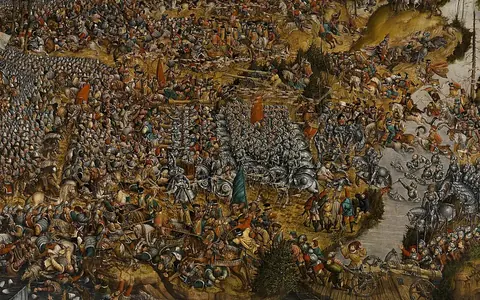
- 1514The Battle of Orsha, 1514Poland and Lithuania vs Grand Duchy of Moscow
A false retreat and hidden guns: Ostrogski's great victory on the Dnieper.
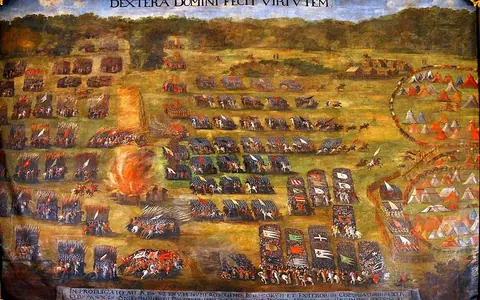
- 1610Battle of Klushino, 1610Polish-Lithuanian Commonwealth vs Tsardom of Russia
How the outnumbered winged hussars won at Klushino in 1610 and opened the road to Moscow.
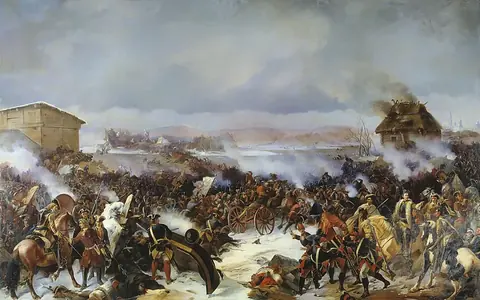
- 1700Battle of Narva, 1700Swedish Empire vs Tsardom of Russia
How Charles XII and a small Swedish army routed a much larger Russian force at Narva in 1700.
- 1708Battle of Lesnaya, 1708Tsardom of Russia vs Swedish Empire
On 9 October 1708 Peter the Great caught Lewenhaupt's Swedish corps and its supply train at Lesnaya. The march, the battle, the disputed numbers and why Peter called it the mother of Poltava.
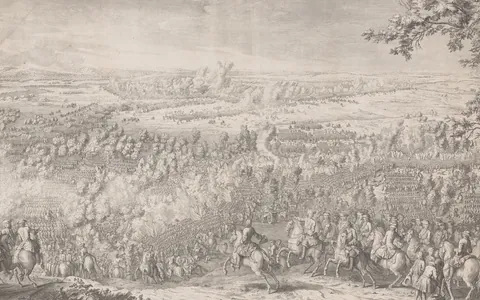
- 1709Battle of Poltava, 1709Tsardom of Russia (Peter I) vs Swedish Empire (Charles XII)
A summer dawn in Ukraine, a starving Swedish army, and the battle that broke Charles XII and made Peter the Great master of the north.
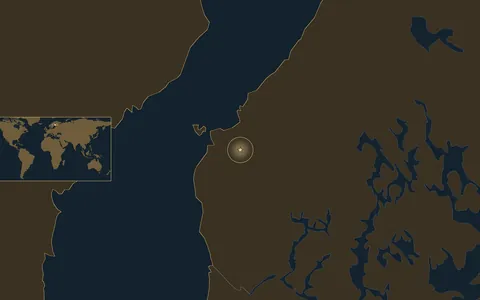
- 1714Battle of Napue, 1714Swedish Empire (mostly Finnish troops) vs Tsardom of Russia
In February 1714 Prince Golitsyn marched an army on skis and sledges across snowbound Finland and turned Armfelt's flank at Napue. In two hours the last Swedish army in Finland was gone, and the Great Wrath began.
- 1757Battle of Gross-Jägersdorf, 1757Russian Empire vs Kingdom of Prussia
On 30 August 1757 Apraksin's Russians beat Lehwaldt's Prussians at Gross-Jägersdorf in East Prussia, then marched away without using their victory.
The Napoleonic era 1789 to 1815 · 16
- 1789Battle of Rymnik, 1789Russia and Austria vs Ottoman Empire
On 22 September 1789 Suvorov's Russians and Coburg's Austrians made a night march and stormed the camps of a far larger Ottoman army on the Rymnik river in Wallachia.
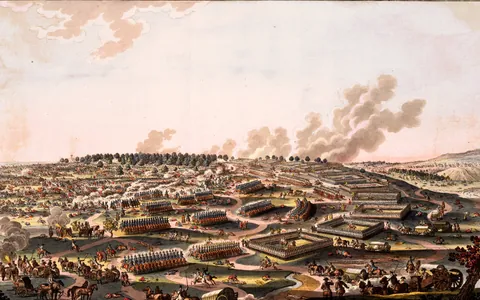
- 1792The Battle of Zieleńce, 1792Polish-Lithuanian Commonwealth vs Russian Empire
The battle that gave birth to Poland's highest military order.
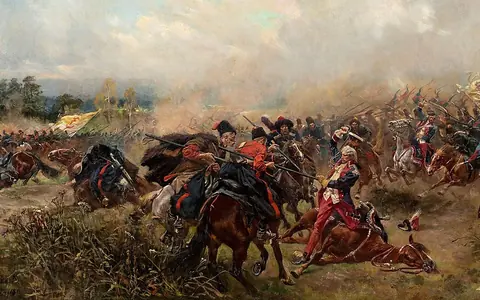
- 1794The Battle of Racławice, 1794Polish-Lithuanian Commonwealth (Kościuszko Uprising) vs Russian Empire
Peasants with scythes stormed the Russian guns.
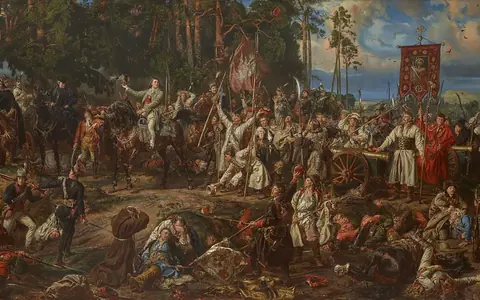
- 1794Battle of Kobyłka, 1794Polish-Lithuanian insurgents vs Russian Empire
On 26 October 1794 Suvorov's Russians caught the Lithuanian corps retreating to Warsaw at Kobyłka. The last battle of the Kościuszko Uprising before the storming of Praga.
- 1799Battle of Cassano, 1799Russia and Austria vs France
On 27 April 1799 Suvorov's Russians and Austrians bridged the Adda in the night, broke Moreau's thinly stretched line and took Milan two days later.
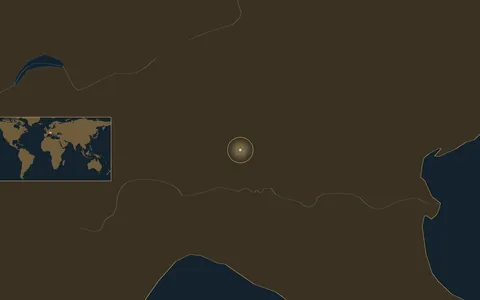
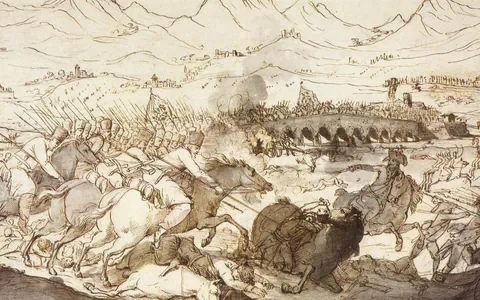
- 1799Battle of the Trebbia, 1799Russian Empire and Habsburg Monarchy vs French Republic and the Polish Legion
From 17 to 19 June 1799 Suvorov's Russians and Austrians beat Macdonald's French on the Trebbia, and Dąbrowski's Polish Legion was nearly destroyed.
- 1805The Battle of Austerlitz, 1805French Empire vs Austria and Russia
Napoleon feigned weakness, gave up the heights, and sprang the trap. The battle of three emperors, often called his masterpiece.
- 1806Battle of Czarnowo, 1806French Empire vs Russian Empire
On the night of 23 to 24 December 1806 Davout's voltigeurs crossed the Wkra in boats under Napoleon's eye and fought nine hours for the village of Czarnowo.
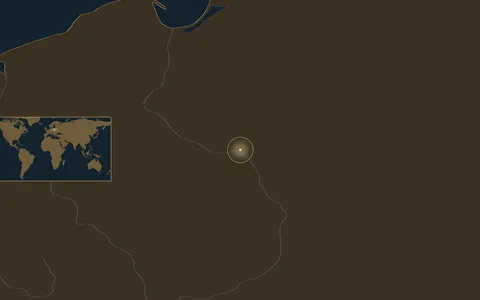
- 1806Battle of Pułtusk, 1806French Empire vs Russian Empire
On 26 December 1806 Lannes attacked a Russian army almost twice his size in mud and snow at Pułtusk. A division that marched to the guns saved him, and both sides claimed the day.
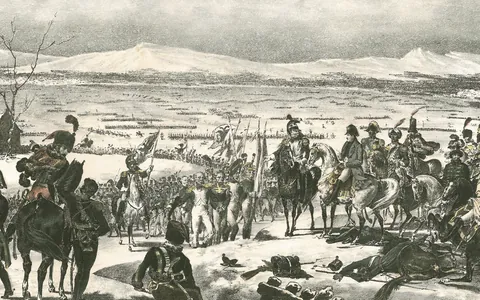
- 1807Battle of Friedland, 1807French Empire vs Russian Empire
On 14 June 1807 Napoleon trapped Bennigsen's Russians against the river Alle at Friedland. The defeat drove Tsar Alexander to the raft at Tilsit.
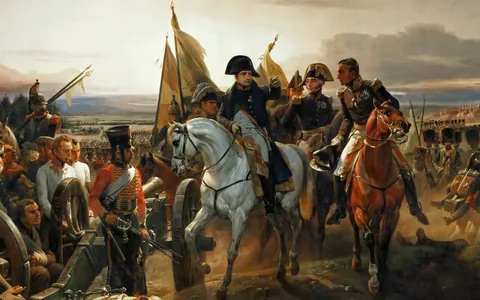
- 1812The Battle of Borodino, 1812French Empire vs Russian Empire
The bloodiest single day of the Napoleonic Wars, before a ruinous Moscow.
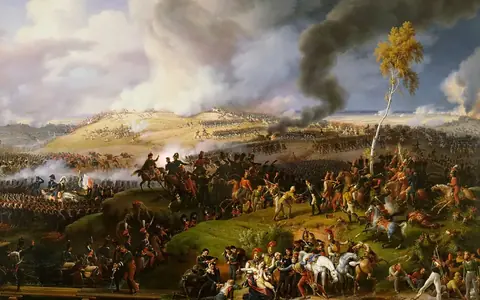
- 1812Battle of Tarutino, 1812Russian Empire vs France and the Duchy of Warsaw
On 18 October 1812 Kutuzov's army surprised Murat's vanguard at Tarutino, south of Moscow. Murat escaped, but the next day Napoleon began his retreat from the city.
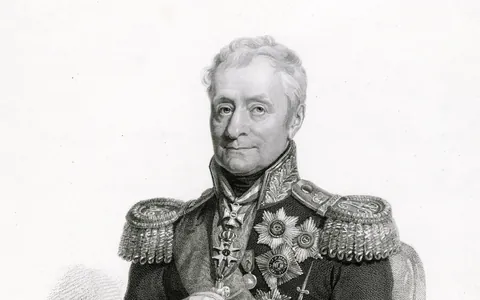
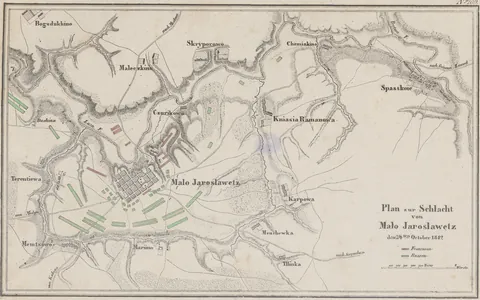
- 1812Battle of Maloyaroslavets, 1812French Empire and Kingdom of Italy vs Russian Empire
On 24 October 1812 Eugène's corps fought the Russians for Maloyaroslavets. The French held the town, but Napoleon turned back onto the ravaged road to Smolensk.
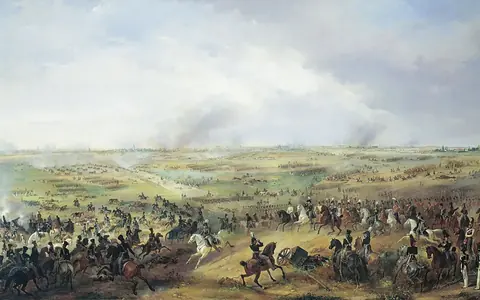
- 1813The Battle of Leipzig, 1813Coalition (Russia, Prussia, Austria, Sweden) vs French Empire
Six hundred thousand men and the largest battle in Europe before 1914.
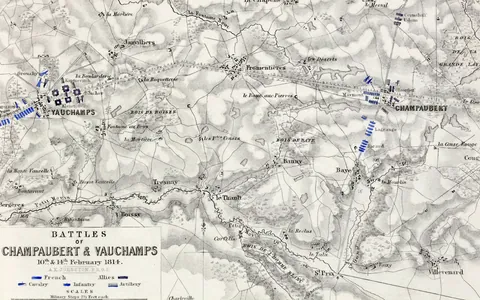
- 1814Battle of Champaubert, 1814French Empire vs Russian Empire
On 10 February 1814 Napoleon caught Olsufiev's Russian corps alone at Champaubert, without cavalry, and destroyed it. It was the first of four victories in five days over Blücher's scattered army.
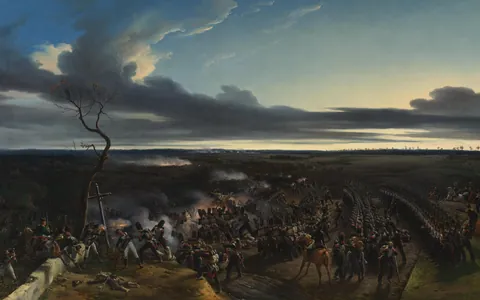
- 1814Battle of Montmirail, 1814French Empire vs Russia and Prussia (Army of Silesia)
On 11 February 1814 Napoleon beat Sacken's Russians around Marchais and threw back Yorck's Prussians. The Allies escaped across the Marne because the bridge at Château-Thierry was never taken.
The industrial age 1815 to 1914 · 17
- 1831The Battle of Stoczek, 1831Kingdom of Poland (November Uprising) vs Russian Empire
The uprising's first victory in the field.
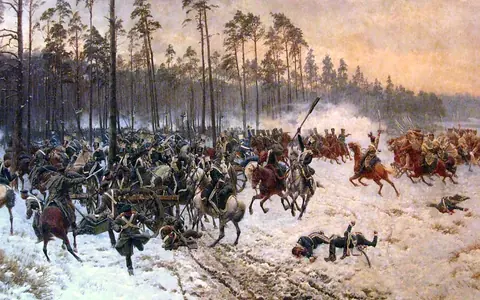
- 1831The Battle of Olszynka Grochowska, 1831Kingdom of Poland (November Uprising) vs Russian Empire
The Polish army stopped the Russians at the gates of Warsaw.
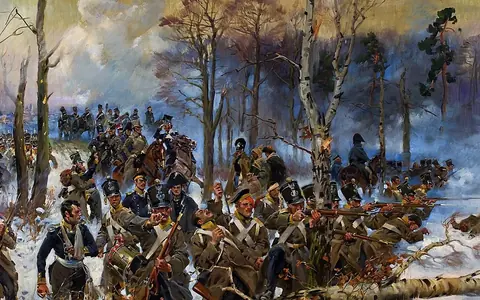
- 1831The Battle of Ostrołęka, 1831Kingdom of Poland (November Uprising) vs Russian Empire
One of the bloodiest battles of the November Uprising.
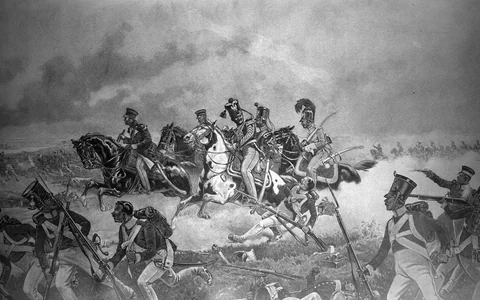
- 1831Battle of Rajgród, 1831Polish insurgent army vs Russian Empire
Three days after Ostrołęka, Giełgud's Polish corps caught Osten-Sacken's Russians near Rajgród, took the town after four hours and opened the road to Lithuania.
- 1831Battle of Paneriai, 1831Polish and Lithuanian insurgents vs Russian Empire
On 19 June 1831 Giełgud's Polish and Lithuanian insurgents attacked the Russian lines on the Paneriai hills outside Vilnius and were thrown back after four hours.
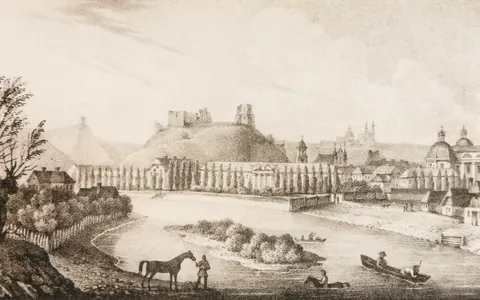
- 1853Battle of Sinop, 1853Russian Empire (Black Sea Fleet) vs Ottoman Empire
On 30 November 1853 Nakhimov's Russian squadron came out of the fog at Sinop and burned the Ottoman squadron at anchor; the outcry helped bring Britain into the war.
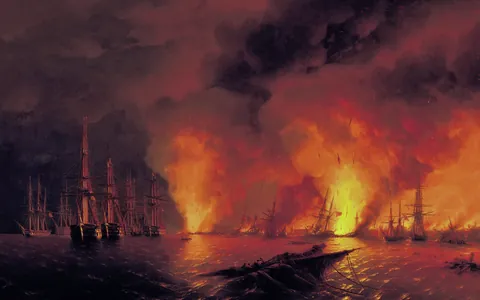
- 1854Siege of Sevastopol, 1854Britain, France and the Ottoman Empire vs Russian Empire
On 17 October 1854 the Allies opened their first bombardment of Sevastopol. Two magazines exploded, Admiral Kornilov was killed, and the Crimean War became an eleven-month siege.
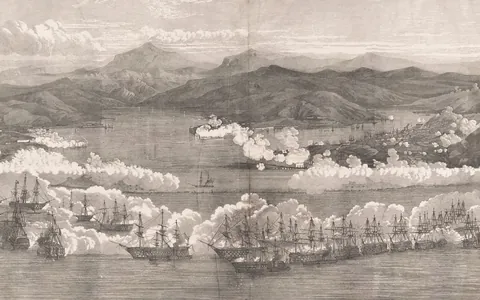
- 1854Battle of the Alma, 1854Britain and France (with Ottoman allies) vs Russian Empire
How the British and French stormed the Russian heights above the Alma in the first great battle of the Crimean War.
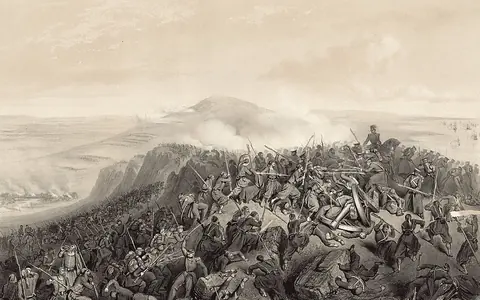
- 1854The Battle of Balaclava, 1854Britain, France and the Ottomans vs Russian Empire
The Crimean War clash of 25 October 1854 that gave history the Thin Red Line and the tragic Charge of the Light Brigade, immortalized by Tennyson.
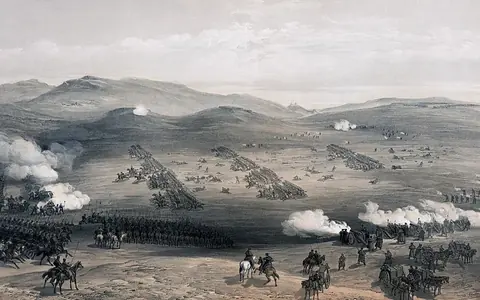
- 1855Battle of Eupatoria, 1855Ottoman Empire, with a French detachment and British, French and Ottoman warships vs Russian Empire
At daybreak on 17 February 1855 a Russian army with eighty guns struck the Ottoman garrison of Eupatoria. Behind half-finished earthworks, with warships firing from the bay, Omer Pasha's troops beat off three assaults.
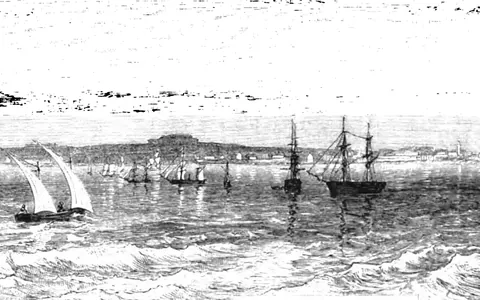
- 1855Battle of Kinburn, 1855France and Britain vs Russian Empire
On 17 October 1855 three French armored floating batteries shot the Russian fort at Kinburn to pieces and barely took a scratch: the first battle of the ironclad age.
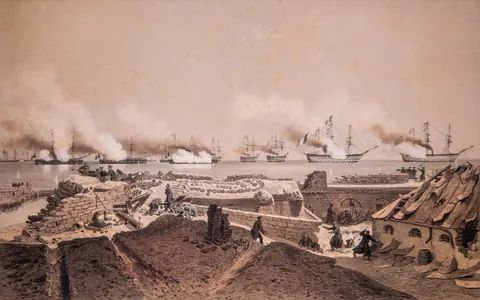
- 1864Battle of Iłża, 1864Polish insurgents (3rd Stopnica Infantry Regiment) vs Russian Empire
On 17 January 1864 Karol Kalita Rębajło's insurgents ambushed a Russian column in deep frost near Iłża and fought their way into the town, a rare late win of the January Uprising.
- 1904Battle of Chemulpo Bay, 1904Empire of Japan vs Russian Empire
On 9 February 1904 the Russian cruiser Varyag and gunboat Korietz sailed out of neutral Chemulpo to fight a Japanese squadron. Beaten in an hour, they came back and were scuttled.
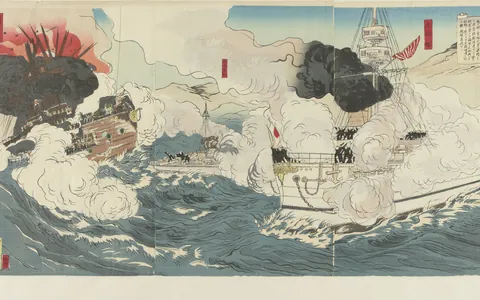
- 1904Battle of the Yellow Sea, 1904Empire of Japan (Combined Fleet) vs Russian Empire (Port Arthur squadron)
On 10 August 1904 Togo's fleet caught the Russian squadron escaping from Port Arthur; a hit on the Tsesarevich's bridge killed Admiral Vitgeft and broke the Russian line.
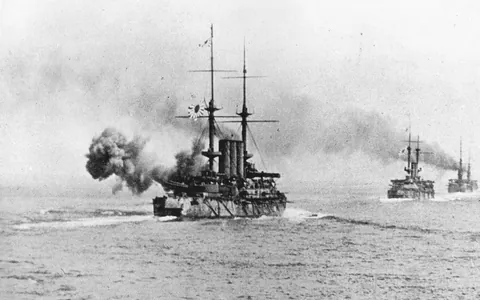
- 1904Battle of Liaoyang, 1904Empire of Japan (Manchurian Army) vs Russian Empire (Manchurian Army)
In late August 1904 Oyama's three armies attacked Kuropatkin's larger army at Liaoyang; when Kuroki crossed the Taitzu, the Russians retreated to Mukden.
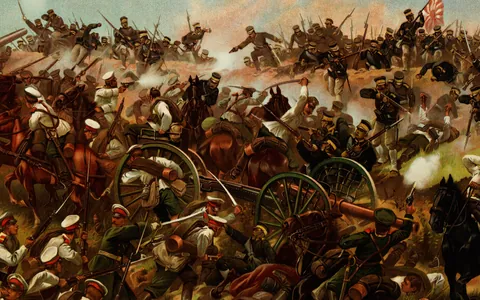
- 1905Battle of Mukden, 1905Empire of Japan vs Russian Empire
For three weeks in 1905 half a million men fought along a front of 150 kilometers in Manchuria. Oyama tried to encircle Kuropatkin's armies at Mukden; the Russians escaped the trap but lost the battle.
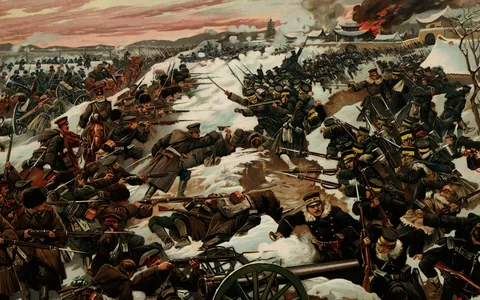
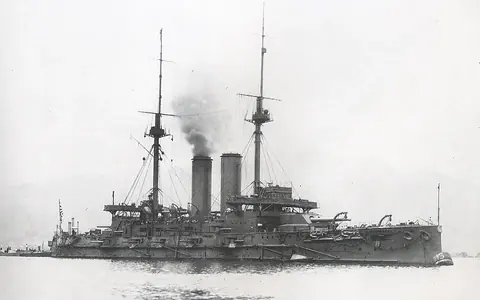
- 1905Battle of Tsushima, 1905Japan vs Russia
How Admiral Togo crossed the T and annihilated a Russian fleet that had sailed halfway around the world.
World War I 1914 to 1919 · 5
- 1914Battle of Kraśnik, 1914Austria-Hungary (First Army) vs Russian Empire (Fourth Army)
From 23 to 25 August 1914 Dankl's Austro-Hungarian First Army met the Russian Fourth Army south of Kraśnik and drove it back toward Lublin, Austria-Hungary's first victory.
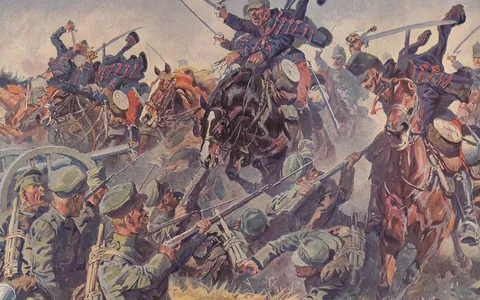
- 1914Battle of Tannenberg, 1914German Empire vs Russian Empire
How Germany encircled and destroyed a whole Russian army at Tannenberg in 1914, taking some 90,000 prisoners.
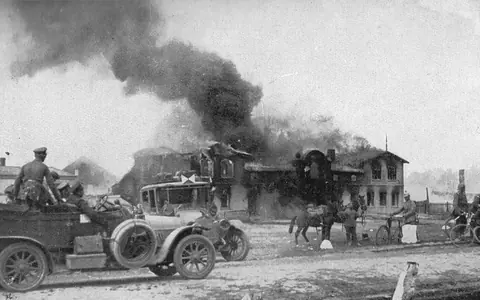
- 1914Battle of Penang, 1914German Empire vs Russian Empire and France
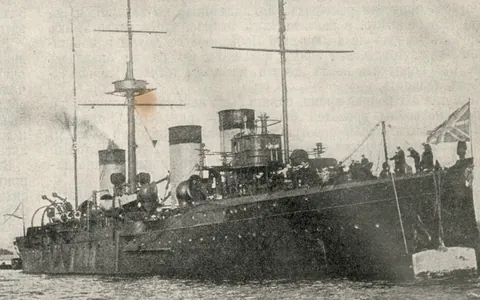
At dawn on 28 October 1914 the German cruiser Emden, disguised with a false funnel, sank the Russian cruiser Zhemchug and the French destroyer Mousquet at Penang.
- 1914Battle of Łódź, 1914German Empire and Austria-Hungary vs Russian Empire
From 11 November to 6 December 1914 German and Russian armies fought a vast battle of maneuver around Łódź that cost some 200,000 lives and was then almost forgotten.
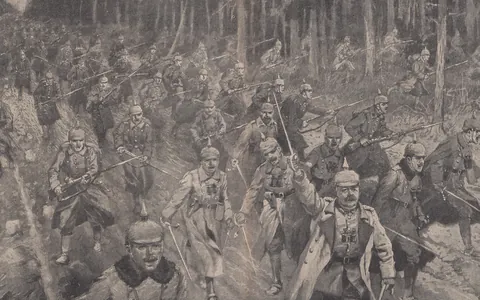
- 1916The Brusilov Offensive, 1916Russian Empire vs Austria-Hungary and Germany
From 4 June 1916 General Brusilov's armies broke the Austro-Hungarian front in Volhynia and Galicia. It was Russia's greatest success of the war, and one of its costliest.
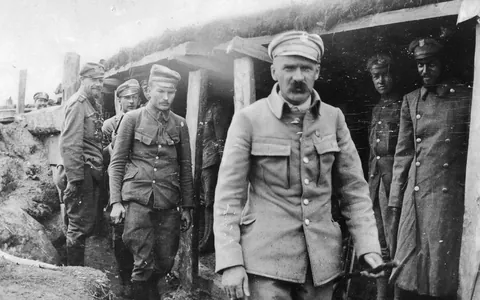
Other 4
- 1920The Battle of Zadwórze, 1920Poland vs Soviet Russia
Young Lwów volunteers stood in the path of Budyonny's cavalry.
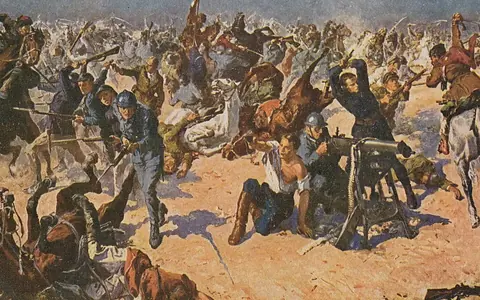
- 1920Battle of Warsaw, 1920Poland vs Soviet Russia
How Poland shattered the advancing Red Army at the gates of Warsaw in 1920, the Miracle on the Vistula.
- 1920
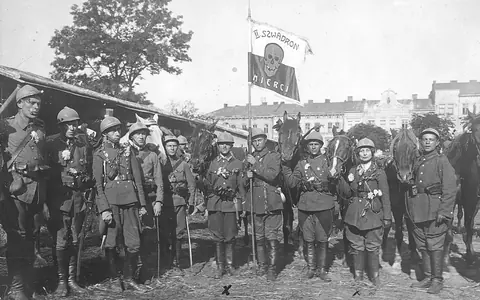
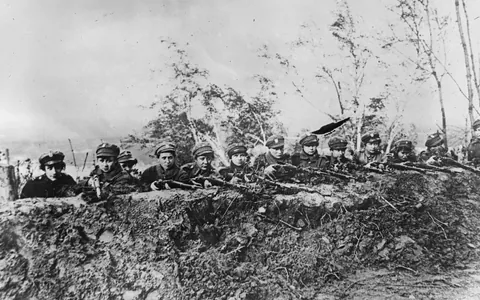
- 1920Battle of the Niemen, 1920Second Polish Republic vs Soviet Russia
In September 1920 Piłsudski's armies broke Tukhachevsky's new front on the Niemen at Grodno and Lida, taking tens of thousands of prisoners and ending the war.
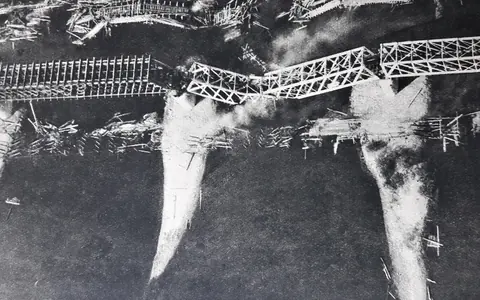
Timeline of Russian military history
- 1240Mongols sack Kyiv; Alexander of Novgorod defeats the Swedes on the Neva.35
- 1242Battle on the Ice at Lake Peipus.36
- 1380Dmitry Donskoy defeats Mamai at Kulikovo.37
- 1480Ivan III ends Muscovy's subjection to the Horde.38
- 1552Ivan IV takes Kazan.39
- 1610
- 1612Pozharsky and Minin free Moscow.41
- 1709
- 1721Treaty of Nystad; the Russian Empire is proclaimed.43
- 1772 to 1795Russia, Prussia and Austria partition Poland.44
- 1812
- 1854 to 1855Siege of Sevastopol.46
- 1905
- 1914Defeat at Tannenberg.48
- 1917Nicholas II abdicates; the empire ends.49
- 1920
Memory and further reading
Russia remembers several of these battles as founding moments. The Presidential Library describes the victory on Lake Peipus as an official Day of Military Glory, and EBSCO notes that Nevsky is honored as a defender of Russia's independence and of its Orthodox Church. The Kremlin's liberation in 1612 is marked by National Unity Day on 4 November. Kulikovo, Britannica notes, helped erase the memory of Moscow's collaboration with the Mongols. In Poland the victory of 1920 is remembered as the Miracle on the Vistula, a name the historian Norman Davies rejects: in his words it was "no miracle" but a hard-fought battle.51
For the other sides of these wars, see our hubs on Poland, Germany, France and Britain, our guides to the Seven Years' War and the Napoleonic Wars, and the rankings of the greatest Napoleonic battles and of the greatest battles of the Eastern Front.
Notes
A number in the text points to a note; each note names the works that paragraph draws on, listed in full under Sources.
- Encyclopaedia Britannica, “Kyivan Rus”; Encyclopaedia Britannica, “Ivan the Terrible”; Encyclopaedia Britannica, “Russian Empire”; Library of Congress, Russia. ↩
- Encyclopaedia Britannica, “Kyivan Rus”; Library of Congress, Russia. ↩
- Encyclopaedia Britannica, “Kyivan Rus”; Library of Congress, Russia; Encyclopaedia Britannica, “Ivan the Terrible”; Encyclopaedia Britannica, “Russian Empire”. ↩
- Library of Congress, Russia; Encyclopaedia Britannica, “Kyivan Rus”; Encyclopaedia Britannica, “Battle of Kulikovo”. ↩
- Encyclopaedia Britannica, “Lake Peipus”; Presidential Library, “The Battle on Lake Peipus (Battle on the Ice) took place”; EBSCO Research Starters, “Alexander Nevsky Defeats the Teutonic Knights”. ↩
- Library of Congress, Russia; Encyclopaedia Britannica, “Battle of Kulikovo”; EBSCO Research Starters, “Battle of Kulikovo”. ↩
- Encyclopaedia Britannica, “Ivan III”; EBSCO Research Starters, “Muscovite Conquest of Novgorod”; Library of Congress, Russia. ↩
- Encyclopaedia Britannica, “Ivan the Terrible”; Library of Congress, Russia. ↩
- Encyclopaedia Britannica, “Time of Troubles”; Encyclopaedia Britannica, “Truce of Deulino”; Presidential Library, “History of the Day of National Unity revealed in the Presidential Library materials”. ↩
- Encyclopaedia Britannica, “Time of Troubles”; Zintegrowana Platforma Edukacyjna, “Polacy w Moskwie. Walka o wpływy w Rosji”; Presidential Library, “History of the Day of National Unity revealed in the Presidential Library materials”; Library of Congress, Russia. ↩
- Encyclopaedia Britannica, “Time of Troubles”; Encyclopaedia Britannica, “Truce of Deulino”; Zintegrowana Platforma Edukacyjna, “Polacy w Moskwie. Walka o wpływy w Rosji”; Encyclopaedia Britannica, “Truce of Andrusovo”; Library of Congress, Russia. ↩
- Encyclopaedia Britannica, “Second Northern War”; Library of Congress, Russia. ↩
- Encyclopaedia Britannica, “Battle of Poltava”; Encyclopaedia Britannica, “Second Northern War”; Library of Congress, Russia; Encyclopaedia Britannica, “Russo-Turkish wars”. ↩
- Library of Congress, Russia; Encyclopaedia Britannica, “Russian Empire”. ↩
- Encyclopaedia Britannica, “Seven Years’ War”; EBSCO Research Starters, “Seven Years’ War”; Library of Congress, Russia. ↩
- Encyclopaedia Britannica, “Russo-Turkish wars”; Library of Congress, Russia; Encyclopaedia Britannica, “Aleksandr Vasilyevich Suvorov, Count Rimniksky”; EBSCO Research Starters, “Aleksandr Vasilyevich Suvorov”. ↩
- Encyclopaedia Britannica, “Partitions of Poland”; Library of Congress, Poland; Encyclopaedia Britannica, “Aleksandr Vasilyevich Suvorov, Count Rimniksky”; EBSCO Research Starters, “Aleksandr Vasilyevich Suvorov”. ↩
- Encyclopaedia Britannica, “Aleksandr Vasilyevich Suvorov, Count Rimniksky”; EBSCO Research Starters, “Aleksandr Vasilyevich Suvorov”. ↩
- Encyclopaedia Britannica, “Battle of Austerlitz”; Encyclopaedia Britannica, “Battle of Friedland”; Encyclopaedia Britannica, “Alexander I”; EBSCO Research Starters, “Alexander I”; EBSCO Research Starters, “Russo-Swedish Wars”. ↩
- Encyclopaedia Britannica, “French invasion of Russia”; EBSCO Research Starters, “Napoleon Invades Russia”; EBSCO Research Starters, “Battle of Borodino”; Encyclopaedia Britannica, “Mikhail Kutuzov”; EBSCO Research Starters, “Alexander I”. ↩
- Encyclopaedia Britannica, “French invasion of Russia”; EBSCO Research Starters, “Napoleon Invades Russia”; Encyclopaedia Britannica, “Mikhail Kutuzov”. ↩
- Encyclopaedia Britannica, “Battle of Leipzig”; EBSCO Research Starters, “Alexander I”; Encyclopaedia Britannica, “Alexander I”; Library of Congress, Poland; Encyclopaedia Britannica, “Partitions of Poland”. ↩
- Encyclopaedia Britannica, “November Insurrection”; Library of Congress, Poland. ↩
- Encyclopaedia Britannica, “January Insurrection”; Library of Congress, Poland. ↩
- Encyclopaedia Britannica, “Crimean War”; EBSCO Research Starters, “Crimean War”; National Army Museum, “The Crimean War”. ↩
- Encyclopaedia Britannica, “Crimean War”; National Army Museum, “The Crimean War”. ↩
- Encyclopaedia Britannica, “Crimean War”; National Army Museum, “The Crimean War”; Library of Congress, Russia; Encyclopaedia Britannica, “Russo-Turkish wars”. ↩
- Encyclopaedia Britannica, “Russo-Japanese War”; National Museum of Health and Medicine, “The Russo-Japanese War (exhibit”; Office of the Historian, “The Treaty of Portsmouth and the Russo-Japanese War, 1904 to 1905”. ↩
- Encyclopaedia Britannica, “Russo-Japanese War”; National Museum of Health and Medicine, “The Russo-Japanese War (exhibit”; Office of the Historian, “The Treaty of Portsmouth and the Russo-Japanese War, 1904 to 1905”; Library of Congress, Russia. ↩
- Encyclopaedia Britannica, “Battle of Tannenberg”; Library of Congress, Russia; Encyclopaedia Britannica, “Eastern Front”. ↩
- Encyclopaedia Britannica, “Brusilov Offensive”; Library of Congress, Russia; Encyclopaedia Britannica, “Russian Empire”. ↩
- Encyclopaedia Britannica, “Treaties of Brest-Litovsk”; Library of Congress, Russia; Encyclopaedia Britannica, “Russian Civil War”. ↩
- EBSCO Research Starters, “Russo-Polish War”; Encyclopaedia Britannica, “Russo-Polish War”; Library of Congress, Poland; Presidential Library, “The Peace of Riga signed”. ↩
- Encyclopaedia Britannica, “Lake Peipus”; EBSCO Research Starters, “Alexander Nevsky Defeats the Teutonic Knights”; Encyclopaedia Britannica, “Battle of Kulikovo”; EBSCO Research Starters, “Battle of Kulikovo”; Encyclopaedia Britannica, “Time of Troubles”; Presidential Library, “History of the Day of National Unity revealed in the Presidential Library materials”; Library of Congress, Russia; Encyclopaedia Britannica, “Aleksandr Vasilyevich Suvorov, Count Rimniksky”; EBSCO Research Starters, “Aleksandr Vasilyevich Suvorov”; Encyclopaedia Britannica, “Mikhail Kutuzov”; Encyclopaedia Britannica, “Alexander I”. ↩
- Library of Congress, Russia; EBSCO Research Starters, “Alexander Nevsky Defeats the Teutonic Knights”. ↩
- Encyclopaedia Britannica, “Lake Peipus”; Presidential Library, “The Battle on Lake Peipus (Battle on the Ice) took place”. ↩
- Encyclopaedia Britannica, “Battle of Kulikovo”; EBSCO Research Starters, “Battle of Kulikovo”. ↩
- Encyclopaedia Britannica, “Ivan III”; Library of Congress, Russia. ↩
- Encyclopaedia Britannica, “Ivan the Terrible”; Library of Congress, Russia. ↩
- Encyclopaedia Britannica, “Time of Troubles”; Zintegrowana Platforma Edukacyjna, “Polacy w Moskwie. Walka o wpływy w Rosji”. ↩
- Encyclopaedia Britannica, “Time of Troubles”; Presidential Library, “History of the Day of National Unity revealed in the Presidential Library materials”. ↩
- Encyclopaedia Britannica, “Battle of Poltava”; Library of Congress, Russia. ↩
- Encyclopaedia Britannica, “Russian Empire”; Library of Congress, Russia. ↩
- Encyclopaedia Britannica, “Partitions of Poland”; Library of Congress, Poland. ↩
- Encyclopaedia Britannica, “French invasion of Russia”; EBSCO Research Starters, “Napoleon Invades Russia”. ↩
- Encyclopaedia Britannica, “Crimean War”; National Army Museum, “The Crimean War”. ↩
- Encyclopaedia Britannica, “Russo-Japanese War”; Office of the Historian, “The Treaty of Portsmouth and the Russo-Japanese War, 1904 to 1905”. ↩
- Encyclopaedia Britannica, “Battle of Tannenberg”; Library of Congress, Russia. ↩
- Encyclopaedia Britannica, “Russian Empire”; Library of Congress, Russia. ↩
- Encyclopaedia Britannica, “Russo-Polish War”; EBSCO Research Starters, “Russo-Polish War”. ↩
- Presidential Library, “The Battle on Lake Peipus (Battle on the Ice) took place”; EBSCO Research Starters, “Alexander Nevsky Defeats the Teutonic Knights”; Presidential Library, “History of the Day of National Unity revealed in the Presidential Library materials”; Encyclopaedia Britannica, “Battle of Kulikovo”; Encyclopaedia Britannica, “Russo-Polish War”; Norman Davies, “The Battle of Warsaw, one hundred years on”. ↩
Sources
- Encyclopaedia Britannica, “Kyivan Rus”.
- Encyclopaedia Britannica, “Ivan the Terrible”.
- Encyclopaedia Britannica, “Russian Empire”.
- Library of Congress, Federal Research Division, Russia: A Country Study, “Early Imperial Russia”.
- Library of Congress, Federal Research Division, Russia: A Country Study, “Early History”.
- Encyclopaedia Britannica, “Battle of Kulikovo”.
- Encyclopaedia Britannica, “Lake Peipus”.
- Presidential Library (Boris Yeltsin Presidential Library, Saint Petersburg), “The Battle on Lake Peipus (Battle on the Ice) took place”.
- EBSCO Research Starters, “Alexander Nevsky Defeats the Teutonic Knights”.
- Library of Congress, Federal Research Division, Russia: A Country Study, “Muscovy”.
- EBSCO Research Starters, “Battle of Kulikovo”.
- Encyclopaedia Britannica, “Ivan III”.
- EBSCO Research Starters, “Muscovite Conquest of Novgorod”.
- Encyclopaedia Britannica, “Time of Troubles”.
- Encyclopaedia Britannica, “Truce of Deulino”.
- Presidential Library (Boris Yeltsin Presidential Library, Saint Petersburg), “History of the Day of National Unity revealed in the Presidential Library materials”.
- Zintegrowana Platforma Edukacyjna (Polish Ministry of Education), “Polacy w Moskwie. Walka o wpływy w Rosji”.
- Encyclopaedia Britannica, “Truce of Andrusovo”.
- Encyclopaedia Britannica, “Second Northern War”.
- Encyclopaedia Britannica, “Battle of Poltava”.
- Encyclopaedia Britannica, “Russo-Turkish wars”.
- Encyclopaedia Britannica, “Seven Years’ War: The course of the Seven Years’ War”.
- EBSCO Research Starters, “Seven Years’ War”.
- Encyclopaedia Britannica, “Aleksandr Vasilyevich Suvorov, Count Rimniksky”.
- EBSCO Research Starters, “Aleksandr Vasilyevich Suvorov”.
- Encyclopaedia Britannica, “Partitions of Poland”.
- Library of Congress, Federal Research Division, Poland: A Country Study, “The Three Partitions, 1764-95”.
- Encyclopaedia Britannica, “Battle of Austerlitz”.
- Encyclopaedia Britannica, “Battle of Friedland”.
- Encyclopaedia Britannica, “Alexander I”.
- EBSCO Research Starters, “Alexander I”.
- EBSCO Research Starters, “Russo-Swedish Wars”.
- Encyclopaedia Britannica, “French invasion of Russia”.
- EBSCO Research Starters, “Napoleon Invades Russia”.
- EBSCO Research Starters, “Battle of Borodino”.
- Encyclopaedia Britannica, “Mikhail Kutuzov”.
- Encyclopaedia Britannica, “Battle of Leipzig”.
- Library of Congress, Federal Research Division, Poland: A Country Study, “Partitioned Poland”.
- Encyclopaedia Britannica, “November Insurrection”.
- Encyclopaedia Britannica, “January Insurrection”.
- Encyclopaedia Britannica, “Crimean War”.
- EBSCO Research Starters, “Crimean War”.
- National Army Museum, “The Crimean War”.
- Library of Congress, Federal Research Division, Russia: A Country Study, “Transformation of Russia in the Nineteenth Century”.
- Encyclopaedia Britannica, “Russo-Japanese War”.
- National Museum of Health and Medicine (US), “The Russo-Japanese War (exhibit: Anita Newcomb McGee)”.
- Office of the Historian, US Department of State, “The Treaty of Portsmouth and the Russo-Japanese War, 1904 to 1905”.
- Library of Congress, Federal Research Division, Russia: A Country Study, “The Last Years of the Autocracy”.
- Encyclopaedia Britannica, “Battle of Tannenberg”.
- Encyclopaedia Britannica, “Eastern Front: 1915, the Austro-Hungarian and German advance into Russia”.
- Encyclopaedia Britannica, “Brusilov Offensive”.
- Encyclopaedia Britannica, “Treaties of Brest-Litovsk”.
- Library of Congress, Federal Research Division, Russia: A Country Study, “Revolutions and Civil War”.
- Encyclopaedia Britannica, “Russian Civil War”.
- EBSCO Research Starters, “Russo-Polish War”.
- Encyclopaedia Britannica, “Russo-Polish War”.
- Library of Congress, Federal Research Division, Poland: A Country Study, “Interwar Poland”.
- Presidential Library (Boris Yeltsin Presidential Library, Saint Petersburg), “The Peace of Riga signed”.
- Norman Davies, Notes from Poland, 12 August 2020, “The Battle of Warsaw, one hundred years on”.






