

What was the Seven Years' War and who won?
The Seven Years' War (1756 to 1763) involved all the great powers of Europe and joined two quarrels: Silesia, and the British and French rivalry over North America and India. Britain won most of France's North American empire; Prussia, victorious at the Battle of Rossbach and the Battle of Leuthen, survived and kept Silesia.1
Broadly, France, Austria, Saxony, Sweden and Russia stood on one side and Prussia, Hanover and Great Britain on the other. The war was fought in central Europe, western Germany, North America, the Caribbean, India and West Africa and on the oceans, which is why the National Army Museum says it "can claim to be the original 'world war'". In North America, where the fighting began two years earlier, in 1754, it is known as the French and Indian War.2
Causes of the Seven Years' War
The Treaty of Aix-la-Chapelle of 1748, which closed the War of the Austrian Succession, settled little. It confirmed Frederick II of Prussia in possession of Silesia, the rich province he had taken from the Habsburgs, and did nothing to calm the colonial rivalry between Britain and France. Maria Theresa rebuilt her armies to win Silesia back, and in 1746 Austria and Russia had already signed a defensive alliance with a secret clause promising Silesia to Austria in a war with Prussia.3
In North America the dispute was over the upper Ohio River valley: was it part of the British Empire, open to settlers from Virginia and Pennsylvania, or part of New France? In 1754 Virginia soldiers under the young George Washington clashed with French troops in what is now southwestern Pennsylvania. On 28 May his men attacked a French party at the place later called Jumonville Glen, killing its commander, Joseph Coulon de Villiers de Jumonville, and nine others; on 3 July a French and Native American force made Washington surrender Fort Necessity. Our article on Jumonville Glen looks at that first clash.4
The next summer a British column under Major General Edward Braddock, marching on Fort Duquesne at the site of modern Pittsburgh, was ambushed near the Monongahela River by French and Indigenous fighters, and Braddock died of his wounds on 13 July 1755. By early 1756 Britain and France were at war in all but name.5
The European powers now changed partners. To protect Hanover, the German electorate of its king George II, against a French attack, Britain made a treaty with Prussia in January 1756. France answered with an alliance with Austria, reversing the alignments of the previous war. Historians call this the diplomatic revolution, or the reversal of alliances, and its purpose on the Austrian side was to isolate Prussia.6
Who fought in the Seven Years' War: the two coalitions
In Europe Prussia, allied with Great Britain and Hanover, faced a coalition led by Austria, France and Russia, joined by Sweden and Saxony. In 1757 the Holy Roman Empire declared a "war of the Empire" against Prussia, so the army of the Reich, the Reichsarmee, marched alongside the French. German troops fought on both sides: Hanover, Hesse-Kassel and Brunswick opposed the imperial war and supplied much of the allied army in western Germany.7

Britain fought mainly at sea and overseas, sending money and, from 1758, an army to the Continent; a treaty of April 1758 promised Prussia an annual subsidy of four million talers. Spain joined France late. The two Bourbon kings signed a Family Compact on 15 August 1761, and Britain declared war on Spain in early January 1762: Britannica gives 2 January, the Office of the Historian and World History Encyclopedia 4 January. Spain then invaded Portugal, Britain's ally.8
Overseas both sides raised colonial troops, received regular units from Europe and fought beside Indigenous allies. In the Ohio country French trade and alliances with Native American nations predominated, and New France could call on several thousand warriors from its First Nations allies. In India the British and French East India Companies fought each other with Indian allies and against Indian rulers, among them Siraj-ud-Daulah, the Nawab of Bengal.9
1756 and 1757: Minorca, Saxony, Kolín and Leuthen
Sources date the start of the war in Europe in two ways. The National Army Museum begins it with the French capture of the British island of Minorca in June 1756; Britannica's summary says it officially began when Frederick invaded Saxony on 29 August 1756.10
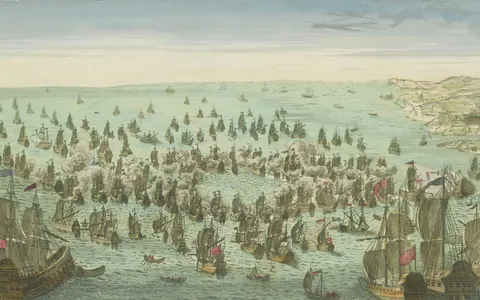
At Minorca, Admiral John Byng's squadron fought an indecisive action with the French fleet off the island on 20 May 1756. After a council of war he sailed back to Gibraltar, and the besieged British garrison at Port Mahon surrendered a month later. Our article on the battle of Minorca follows the action and its aftermath.11
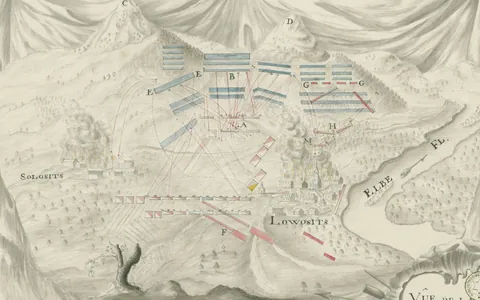
Frederick crossed into Saxony with about 70,000 men in Britannica's figure (63,000 in World History Encyclopedia's), took Dresden and shut the Saxon army up at Pirna. When an Austrian army under Maximilian Ulysses Browne marched to its aid, Frederick met it at Lobositz on 1 October. Losses were about equal, but the Austrians withdrew, and the Saxons at Pirna capitulated on 16 October and were pressed into Prussian service.12
In spring 1757 Frederick invaded Bohemia and beat the Austrians at Prague on 6 May, at a heavy cost to both sides: World History Encyclopedia gives about 14,300 Prussian and 13,200 Austrian losses. He then besieged the city, but on 18 June Leopold von Daun's relieving army defeated him at Kolín, the first defeat of his career. Prussian losses there are put at 13,000 (Britannica) to 14,000 (World History Encyclopedia), Austrian at 8,000. Frederick raised the siege and left Bohemia.13

Prussia was now attacked from several sides. A Russian army entered East Prussia and on 30 August beat a Prussian force under Hans von Lehwaldt at Gross-Jägersdorf, then withdrew: Britannica points to supply problems and to politics at the Russian court, World History Encyclopedia to poor logistics. In the west the French defeated the Duke of Cumberland's army of Hanoverian, Hessian and Prussian troops at Hastenbeck on 26 July, and in September Cumberland signed the Convention of Klosterzeven, which disbanded his army. That month Sweden invaded Prussian Pomerania.14
Frederick struck back. At Rossbach in Saxony on 5 November he routed a French army and the Reichsarmee about twice his strength: Britannica counts at least 41,000 against 21,000, EBSCO about 45,000 against 22,000. The allies lost 7,000 (Britannica) to about 10,000 men (EBSCO), the Prussians about 550. A month later, on 5 December at Leuthen in Silesia, he attacked a much larger Austrian army under Charles of Lorraine. In Britannica's figures 43,000 Prussians beat 72,000 Austrians, who lost 22,000 men, 12,000 of them taken prisoner, against 6,000 Prussian casualties.15
Encouraged by Rossbach, the British government repudiated Klosterzeven, reinforced the Hanoverians and gave the command in western Germany to Ferdinand of Brunswick, a Prussian field marshal.16
1758 and 1759: Zorndorf, Kunersdorf and the year of victories
In 1758 Frederick invaded Moravia and besieged Olmütz (Olomouc). On 30 June Austrian troops under Gideon Ernst von Laudon broke up a Prussian supply convoy near Domstadtl, and in July Frederick gave up the siege.17
A Russian army under William Fermor had meanwhile reached the Oder. Frederick attacked it at Zorndorf (now Sarbinowo, Poland) on 25 August, in what Britannica and World History Encyclopedia both call the bloodiest battle of the war. The Russians withdrew, but the figures differ: Britannica gives 42,000 Russian losses, 21,000 of them killed, and 13,500 Prussian; World History Encyclopedia about 18,000 Russian and 12,000 Prussian casualties.18
Frederick hurried back to Saxony, where Daun surprised his camp at Hochkirch in the early morning of 14 October and defeated him. Britannica counts 7,500 Austrian and 9,500 Prussian losses and calls it an expensive victory, because Daun could not stop Frederick from withdrawing into Silesia.19
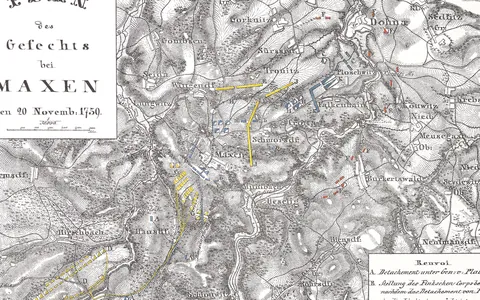
1759 was Frederick's worst year. A Russian army under Pyotr Saltykov joined an Austrian corps under Laudon, and on 12 August at Kunersdorf (now Kunowice, Poland), east of Frankfurt an der Oder, they routed him: he lost more than 18,000 men in six hours, about half his army in World History Encyclopedia's account. Daun retook Dresden in September. In November a Prussian corps of 12,000 to 14,000 men under Friedrich August von Finck, sent behind the Austrian army, was surrounded at Maxen, south of Dresden, and surrendered on 21 November.20
Britain fared better. On 1 August 1759 Ferdinand of Brunswick's army of British, Hanoverian, Hessian and Prussian troops routed the French at Minden, where British and Hanoverian infantry advanced against massed French cavalry and held. On 20 November Admiral Edward Hawke's fleet defeated the French Brest fleet at Quiberon Bay; the planned French invasion of Britain was abandoned, and Britain kept naval superiority for the rest of the war. Minden, Quiberon Bay and the capture of Quebec made 1759 Britain's "year of miracles".21
North America (the French and Indian War) and India
After Braddock's defeat the war in North America settled for several years into raids and attacks on forts. In 1756 France sent regular battalions under Louis-Joseph de Montcalm to command its troops there, but, wary of British naval power, it sent few reinforcements after that.22
On 8 July 1758 Montcalm, with about 3,500 to 3,600 men behind a log breastwork and an abatis outside Fort Carillon (Ticonderoga), threw back a British and colonial army under James Abercromby. Its strength is given as more than 12,000 (American Battlefield Trust) to 15,000 or 16,000 (Britannica). Repeated frontal assaults cost the British about 2,000 killed and wounded, the French fewer than 400, and the defeat held up the British advance on Canada by way of Lake Champlain for about a year. See our article on the battle of Carillon.23

Elsewhere 1758 went Britain's way. Jeffery Amherst took the fortress of Louisbourg, which opened the St. Lawrence River, and the French forts Frontenac and Duquesne fell. In 1759 James Wolfe's army, carried up the river by the Royal Navy, climbed to the Plains of Abraham above Quebec on the night of 12 September. Montcalm attacked the next day and was beaten; both commanders were mortally wounded, and Quebec surrendered five days later. In September 1760 Montreal surrendered, and New France capitulated.24
In India the war widened a struggle between the two East India Companies. Calcutta fell in 1756 and was retaken by Robert Clive in January 1757, and in June 1757 Clive defeated Siraj-ud-Daulah at Plassey, a battle told in our article on Plassey. Eyre Coote beat the French under Thomas Lally at Wandiwash in January 1760, and the surrender of Pondicherry in January 1761 ended French power in India.25
1760 to 1763: Prussia on the brink, Spain in the war
In 1760 the Austrians and Russians made Silesia their main target. On 23 June Laudon destroyed a Prussian corps under Heinrich August de la Motte Fouqué at Landeshut (now Kamienna Góra, Poland) and took Fouqué prisoner. Frederick beat Laudon at Liegnitz on 15 August, but a Russian detachment occupied Berlin for a few days in October. At Torgau on 3 November Frederick defeated Daun in his last major victory, at a cost of about 13,000 men against some 11,000 Austrian casualties.26
In western Germany Ferdinand's army defeated the French at Warburg on 31 July 1760 and saved Hanover again, and it held off a larger French army at Vellinghausen in July 1761.27
Prussia was close to exhaustion. George III, king from October 1760, cared less for Hanover than his grandfather and disliked Pitt, who resigned in October 1761, and British subsidies to Prussia ended. In December 1761 the Russians took Kolberg on the Baltic coast.28
Then Empress Elizabeth of Russia died on 5 January 1762. Her successor, Peter III, admired Frederick and made peace with him in May, and Sweden followed. Catherine II, who deposed Peter in July, did not renew the war. Frederick retook Schweidnitz in October, on 29 October his brother Prince Henry and Friedrich Wilhelm von Seydlitz defeated the Austrians at Freiberg in Saxony, and Austria and Prussia signed an armistice on 24 November.29
Spain's entry brought it little. Its invasion of Portugal took the fortress of Almeida but failed against Portuguese resistance and British help, which included some 8,000 troops under John Burgoyne. British expeditions took Martinique and other French islands in the Caribbean, Havana on 13 August 1762 and Manila on 5 October.30

Key commanders and leaders of the Seven Years' War
Prussia and its allies. Frederick II of Prussia commanded in person in most of the great battles in central Europe, winning at Prague, Rossbach, Leuthen, Zorndorf, Liegnitz and Torgau and losing at Kolín, Hochkirch and Kunersdorf. Britannica sums up his war as survival against overwhelming odds; World History Encyclopedia notes that he did not enlarge Prussia significantly. Ferdinand of Brunswick led the British-paid allied army that defended Hanover against larger French armies from late 1757.31
The Habsburg Monarchy and Russia. Maria Theresa sought to recover Silesia. Leopold von Daun won at Kolín and Hochkirch and lost to Frederick at Torgau; Gideon Ernst von Laudon won at Domstadtl and Landeshut and fought beside the Russians at Kunersdorf. Russian armies won at Gross-Jägersdorf in 1757 and, with Laudon's Austrians, at Kunersdorf in 1759.32
Britain and France. William Pitt the Elder, in office from late 1756 to 1761, directed the British war effort, and Britannica dates the turn of the war overseas from his arrival. Robert Clive won at Plassey, Jeffery Amherst and James Wolfe took Louisbourg and Quebec, and Edward Hawke won at Quiberon Bay. For France, Louis-Joseph de Montcalm won at Carillon and fell at Quebec, and the duc de Choiseul, foreign minister from December 1758, planned the invasion of Britain and brought Spain into the war.33
Who won the Seven Years' War? The peace of 1763
Two treaties ended the war. By the Treaty of Paris of 10 February 1763, between Great Britain, Hanover, France and Spain, France gave up to Britain all of mainland North America east of the Mississippi except New Orleans and its surroundings, along with several West Indian islands, while Britain returned Guadeloupe and Martinique. Spain recovered Havana and Manila but ceded Florida to Britain and received Louisiana from France in compensation. France kept the islands of Saint-Pierre and Miquelon off Newfoundland.34
The Peace of Hubertusburg of 15 February 1763, between Austria, Prussia and Saxony, restored the borders of 1748: Silesia stayed Prussian and Saxony went back to its elector.35
Britain was the clearest winner, now master of North America and soon the leading European power in India. Prussia's gain was survival as an acknowledged great power rather than new land, and Britannica notes that it owed this also to the British subsidy and to Russia's change of sides in 1762. France lost most of its first colonial empire, and Austria failed to recover Silesia.36
There is no exact death toll. World History Encyclopedia gives over a million deaths, military and civilian, and the encyclopedia entry on Encyclopedia.com cites estimates of well over a million. The war left the main belligerents, Britain included, deeply in debt; in North America, disputes over frontier policy and over paying for the war fed the colonial discontent that led to the American Revolution.37
Legacy
The war's reach has led many to call it a world war. The National Army Museum describes it as the original world war, and Britannica records that Winston Churchill called it "the first world war". Its names show where it is remembered: in the United States the North American war is the French and Indian War, while Europe and Canada speak of the Seven Years' War.38
Byng's fate became part of its memory. Tried under the 12th Article of War, which by then allowed only a death sentence for failing to do one's utmost against the enemy, he was found guilty, and despite the court's plea for mercy George II refused a pardon. He was shot by a firing squad of marines on the quarterdeck of HMS Monarch on 14 March 1757, the last British admiral executed by sentence of a court-martial. Royal Museums Greenwich sees him as in effect a scapegoat for the government's failure to send an adequate force; John Haymond, writing for HistoryNet, stresses that the recently revised article left the court no choice of sentence. Voltaire mocked the execution in Candide: in England, he wrote, it is thought good to kill an admiral from time to time to encourage the others.39

In Canada, and especially in Quebec, Carillon became a symbol of French resistance during the conquest, and the flag of Quebec adopted in 1948 was inspired in part by a banner said to have flown in the battle. In Britain the victories of 1759 were remembered as a year of miracles.40
Major battles of the Seven Years' War
Our articles on the battles of the war, in central Europe, western Germany, at sea and in North America, are listed below in date order.
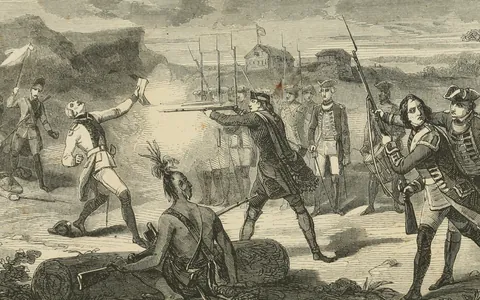
- 1754Jumonville Glen, 1754Virginia Regiment and Native allies vs Kingdom of France
At dawn on 28 May 1754 George Washington's Virginians and Tanaghrisson's warriors surprised a French party in a Pennsylvania ravine. Its commander's death started a world war.
- 1756Battle of Minorca, 1756Kingdom of France vs Great Britain
On 20 May 1756 Admiral Byng fought an inconclusive action off Minorca and sailed away. The island fell, and a court-martial sent him before a firing squad.
- 1756Battle of Lobositz, 1756Kingdom of Prussia vs Habsburg Monarchy
On 1 October 1756 Frederick the Great attacked Browne's Austrians at Lobositz in fog; his cavalry was wrecked, his infantry took the burning town, and Browne withdrew intact.
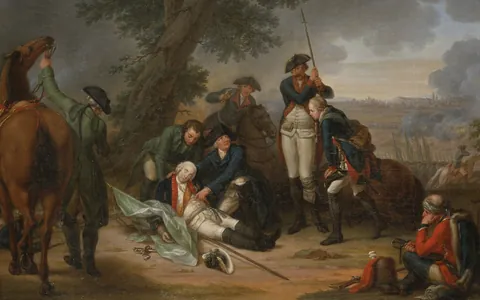
- 1757Battle of Prague, 1757Kingdom of Prussia vs Habsburg Monarchy
On 6 May 1757 Frederick the Great stormed the Austrian lines east of Prague. Schwerin fell with the colors in his hands, and 27,000 men were lost in a single day.
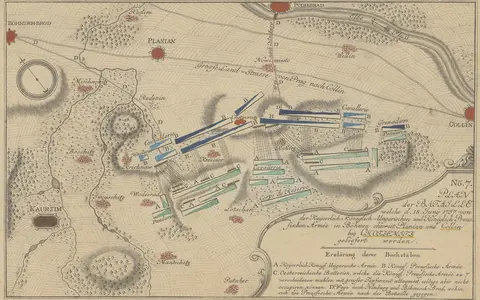
- 1757Battle of Kolín, 1757Habsburg Monarchy (Austria) and Saxon cavalry vs Kingdom of Prussia
On 18 June 1757 Daun's Austrians beat Frederick the Great at Kolín in Bohemia, ending his siege of Prague and his run of victories.
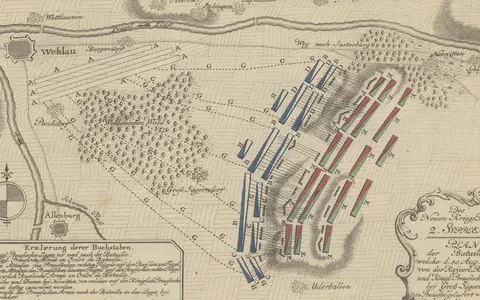
- 1757Battle of Gross-Jägersdorf, 1757Russian Empire vs Kingdom of Prussia
On 30 August 1757 Apraksin's Russians beat Lehwaldt's Prussians at Gross-Jägersdorf in East Prussia, then marched away without using their victory.
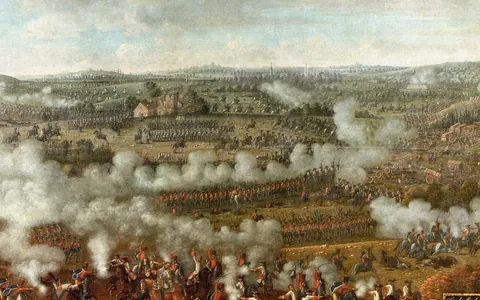
- 1757Battle of Rossbach, 1757Kingdom of Prussia vs France and the Holy Roman Empire
On 5 November 1757 Frederick the Great's 22,000 Prussians caught a French and Imperial army twice their size on the march and routed it in about an hour and a half.
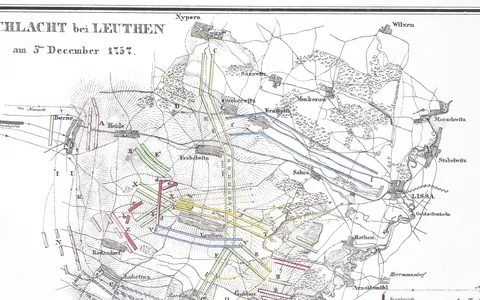
- 1757Battle of Leuthen, 1757Kingdom of Prussia vs Habsburg Monarchy
On 5 December 1757 Frederick the Great feinted, marched hidden behind low hills and broke an Austrian army twice his size near Leuthen in Silesia.
- 1758Battle of Domstadtl, 1758Habsburg Monarchy (Austria) vs Kingdom of Prussia
On 30 June 1758 Loudon's Austrians ambushed Frederick the Great's 4,000-wagon supply convoy at Domstadtl and forced him to lift the siege of Olomouc.
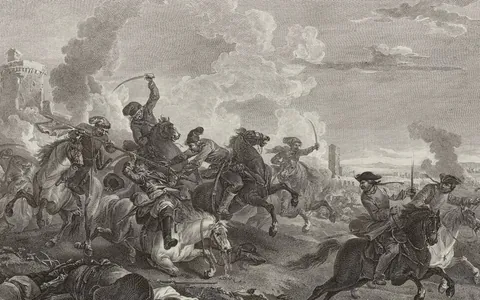
- 1758Battle of Carillon, 1758Kingdom of France vs Great Britain and the American colonies
On 8 July 1758 Montcalm's 3,600 French behind a log wall at Ticonderoga threw back Abercromby's British and colonial army, in the war's bloodiest battle.
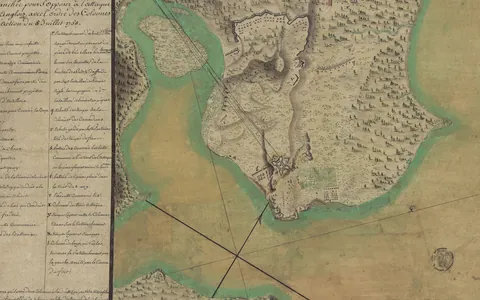
- 1758Battle of Hochkirch, 1758Habsburg Monarchy vs Kingdom of Prussia
On 14 October 1758 Daun's Austrians crept up on Frederick the Great's camp at Hochkirch in the dark and struck at 5 a.m. The night march, the churchyard fight, Keith's death and the numbers.
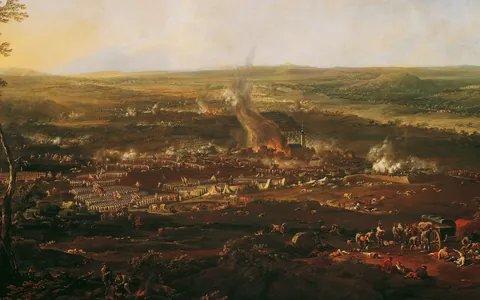
- 1759Battle of Maxen, 1759Habsburg Monarchy and the Reichsarmee vs Kingdom of Prussia
In November 1759 Frederick the Great sent General Finck's corps behind the Austrian army. At Maxen Daun surrounded it, and on 21 November the whole corps surrendered.
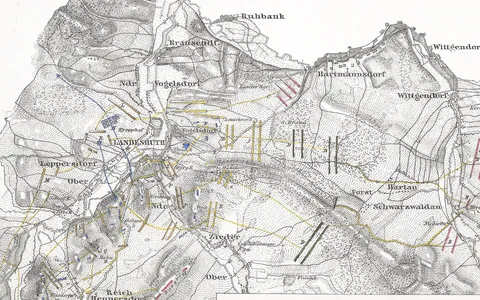
- 1760Battle of Landeshut, 1760Habsburg Monarchy (Austria) vs Kingdom of Prussia
On 23 June 1760 Loudon's Austrians stormed the Prussian hill forts at Landeshut, today Kamienna Góra, and captured General Fouqué with most of his corps.
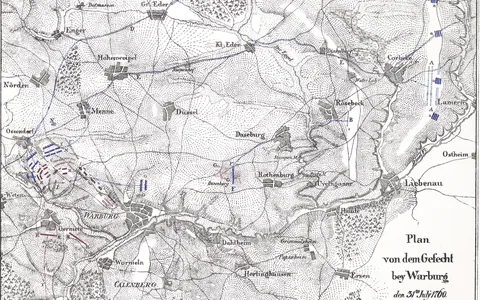
- 1760Battle of Warburg, 1760Allied army: Hanover, Hesse-Kassel, Brunswick and Britain vs Kingdom of France
On 31 July 1760 a flank march in the fog and Lord Granby's British cavalry drove the Chevalier de Muy's French corps from Warburg over the Diemel.
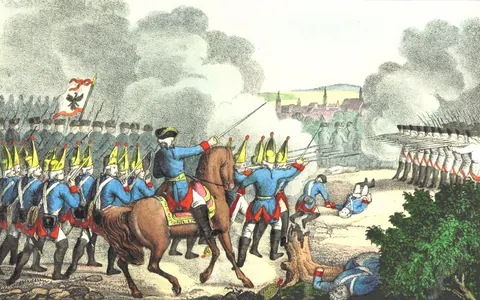
- 1762Battle of Freiberg, 1762Kingdom of Prussia vs Holy Roman Empire and Austria
On 29 October 1762 Prince Henry of Prussia beat the Austro-Imperial army near Freiberg in Saxony, in what is called the last battle of the Seven Years' War.
Timeline of the Seven Years' War
- 1754Washington's Virginians clash with the French at Jumonville Glen on 28 May and surrender Fort Necessity on 3 July.41
- 1755Braddock's column is ambushed near the Monongahela, and Braddock dies on 13 July.42
- 1756Byng's action off Minorca on 20 May, and the island is lost; Prussia invades Saxony on 29 August.43
- 1757Frederick wins at Prague (6 May) and loses at Kolín (18 June); Clive wins at Plassey in June; Frederick wins at Rossbach (5 November) and Leuthen (5 December).44
- 1758Montcalm holds Carillon on 8 July; Amherst takes Louisbourg; Zorndorf on 25 August; Daun wins at Hochkirch on 14 October.45
- 1759Minden (1 August), Kunersdorf (12 August), Quebec (13 September) and Quiberon Bay (20 November).46
- 1760Landeshut (23 June), Warburg (31 July); Montreal surrenders in September; Torgau on 3 November.47
- 1761Pondicherry surrenders in January; Pitt resigns in October; the Russians take Kolberg in December.48
- 1762Elizabeth of Russia dies on 5 January and Peter III makes peace in May; Britain takes Havana and Manila; Freiberg on 29 October.49
- 1763The Treaty of Paris (10 February) and the Peace of Hubertusburg (15 February) end the war.50
Where to read next
Several battles of this war appear in our ranking of the greatest battles of the early modern era and in the greatest battles in British history, and our hubs on the military history of Britain and of France place it in the longer story. For the wider period, see our page on the early modern era, and test yourself with the early modern battles quiz.
Notes
A number in the text points to a note; each note names the works that paragraph draws on, listed in full under Sources.
- Encyclopaedia Britannica, “Seven Years’ War”; National Army Museum, “Seven Years War”; Encyclopaedia Britannica, “Seven Years’ War, the treaties of peace”; Harrison W. Mark, “Seven Years’ War”. ↩
- Encyclopaedia Britannica, “Seven Years’ War”; National Army Museum, “Seven Years War”; Encyclopaedia Britannica, “French and Indian War”; Office of the Historian, “French and Indian War/Seven Years’ War, 1754 to 1763”. ↩
- Encyclopaedia Britannica, “Seven Years’ War”; Harrison W. Mark, “Seven Years’ War”. ↩
- Encyclopaedia Britannica, “French and Indian War”; Virginia Museum of History & Culture, “The French and Indian War”; Harrison W. Mark, “Seven Years’ War”. ↩
- National Army Museum, “Seven Years War”; Office of the Historian, “French and Indian War/Seven Years’ War, 1754 to 1763”; Harrison W. Mark, “Seven Years’ War”. ↩
- National Army Museum, “Seven Years War”; Encyclopaedia Britannica, “Diplomatic Revolution”; Harrison W. Mark, “Seven Years’ War”; Encyclopaedia Britannica, “Seven Years’ War”. ↩
- Encyclopaedia Britannica, “Seven Years’ War”; Harrison W. Mark, “Seven Years’ War”; Encyclopaedia Britannica, “Seven Years’ War, 1756 and 1757”; Joseph P. Byrne, “Battle of Rossbach”; National Army Museum, “Seven Years War”. ↩
- National Army Museum, “Seven Years War”; Encyclopaedia Britannica, “Seven Years’ War, 1758 and 1759”; Encyclopaedia Britannica, “Seven Years’ War, 1760 to 1762”; Office of the Historian, “French and Indian War/Seven Years’ War, 1754 to 1763”; Harrison W. Mark, “Seven Years’ War”. ↩
- National Army Museum, “Seven Years War”; Encyclopaedia Britannica, “Canada”; Encyclopaedia Britannica, “French and Indian War”; Encyclopaedia Britannica, “Western colonialism”. ↩
- National Army Museum, “Seven Years War”; Encyclopaedia Britannica, “Key Facts of the Seven Years’ War”. ↩
- Royal Museums Greenwich, “Admiral John Byng”; Encyclopaedia Britannica, “John Byng”; John A. Haymond, “John Byng”. ↩
- Encyclopaedia Britannica, “Seven Years’ War, 1756 and 1757”; Harrison W. Mark, “Seven Years’ War”; Encyclopedia.com, “Seven Years War (1756 to 1763)”. ↩
- Encyclopaedia Britannica, “Seven Years’ War, 1756 and 1757”; Harrison W. Mark, “Seven Years’ War”. ↩
- Encyclopaedia Britannica, “Seven Years’ War, 1756 and 1757”; Harrison W. Mark, “Seven Years’ War”; National Army Museum, “Seven Years War”. ↩
- Encyclopaedia Britannica, “Seven Years’ War, 1756 and 1757”; Joseph P. Byrne, “Battle of Rossbach”; Encyclopedia.com, “Seven Years War (1756 to 1763)”. ↩
- Encyclopaedia Britannica, “Seven Years’ War, 1756 and 1757”; National Army Museum, “Seven Years War”. ↩
- Encyclopaedia Britannica, “Seven Years’ War, 1758 and 1759”; Tourist Information Centre Nový Jičín, “The Seven Years’ War”. ↩
- Encyclopaedia Britannica, “Seven Years’ War, 1758 and 1759”; Harrison W. Mark, “Seven Years’ War”. ↩
- Encyclopaedia Britannica, “Seven Years’ War, 1758 and 1759”; Harrison W. Mark, “Seven Years’ War”. ↩
- Encyclopaedia Britannica, “Seven Years’ War, 1758 and 1759”; Harrison W. Mark, “Seven Years’ War”; John Rickard, “Battle of Maxen, 20 November 1759”. ↩
- Encyclopaedia Britannica, “Seven Years’ War, 1758 and 1759”; National Army Museum, “Seven Years War”; Harrison W. Mark, “Seven Years’ War”; Encyclopedia.com, “Seven Years War (1756 to 1763)”. ↩
- National Army Museum, “Seven Years War”; Office of the Historian, “French and Indian War/Seven Years’ War, 1754 to 1763”; Encyclopaedia Britannica, “Canada”; American Battlefield Trust, “The Battle of Fort Carillon (1758)”. ↩
- Samuel Venière, “Battle of Carillon”; Encyclopaedia Britannica, “Battle of Carillon”; American Battlefield Trust, “The Battle of Fort Carillon (1758)”; EBSCO Research Starters, “Battle of Fort Ticonderoga (1758)”. ↩
- National Army Museum, “Seven Years War”; Encyclopaedia Britannica, “Western colonialism”; Encyclopaedia Britannica, “Canada”; Encyclopaedia Britannica, “Seven Years’ War, 1758 and 1759”. ↩
- National Army Museum, “Seven Years War”; Encyclopaedia Britannica, “Western colonialism”. ↩
- Encyclopaedia Britannica, “Seven Years’ War, 1760 to 1762”; Harrison W. Mark, “Seven Years’ War”; AEIOU Österreich-Lexikon, “Landshut, Battle of”. ↩
- Encyclopaedia Britannica, “Seven Years’ War, 1760 to 1762”; National Army Museum, “Seven Years War”; Harrison W. Mark, “Seven Years’ War”. ↩
- Encyclopaedia Britannica, “Seven Years’ War, 1760 to 1762”; Encyclopaedia Britannica, “Key Facts of the Seven Years’ War”; Harrison W. Mark, “Seven Years’ War”. ↩
- Encyclopaedia Britannica, “Seven Years’ War, 1760 to 1762”; Harrison W. Mark, “Seven Years’ War”; National Army Museum, “Seven Years War”. ↩
- Encyclopaedia Britannica, “Seven Years’ War, 1760 to 1762”; National Army Museum, “Seven Years War”; Office of the Historian, “French and Indian War/Seven Years’ War, 1754 to 1763”. ↩
- Encyclopaedia Britannica, “Western colonialism”; Harrison W. Mark, “Seven Years’ War”; National Army Museum, “Seven Years War”; Encyclopaedia Britannica, “Seven Years’ War, 1758 and 1759”. ↩
- Encyclopaedia Britannica, “Seven Years’ War, 1756 and 1757”; Encyclopaedia Britannica, “Seven Years’ War, 1758 and 1759”; Encyclopaedia Britannica, “Seven Years’ War, 1760 to 1762”; Harrison W. Mark, “Seven Years’ War”; Tourist Information Centre Nový Jičín, “The Seven Years’ War”. ↩
- Encyclopaedia Britannica, “Western colonialism”; John A. Haymond, “John Byng”; Encyclopaedia Britannica, “Seven Years’ War, 1758 and 1759”; Encyclopaedia Britannica, “Seven Years’ War, 1760 to 1762”; Harrison W. Mark, “Seven Years’ War”. ↩
- Encyclopaedia Britannica, “Seven Years’ War, the treaties of peace”; Encyclopaedia Britannica, “Canada”; Office of the Historian, “French and Indian War/Seven Years’ War, 1754 to 1763”. ↩
- Encyclopaedia Britannica, “Seven Years’ War, the treaties of peace”; Harrison W. Mark, “Seven Years’ War”; National Army Museum, “Seven Years War”. ↩
- Harrison W. Mark, “Seven Years’ War”; National Army Museum, “Seven Years War”; Encyclopaedia Britannica, “Seven Years’ War, the treaties of peace”; Encyclopaedia Britannica, “Key Facts of the Seven Years’ War”. ↩
- Harrison W. Mark, “Seven Years’ War”; Encyclopedia.com, “Seven Years War (1756 to 1763)”; Office of the Historian, “French and Indian War/Seven Years’ War, 1754 to 1763”. ↩
- National Army Museum, “Seven Years War”; Encyclopaedia Britannica, “Key Facts of the Seven Years’ War”; Office of the Historian, “French and Indian War/Seven Years’ War, 1754 to 1763”; Encyclopaedia Britannica, “Canada”. ↩
- Royal Museums Greenwich, “The Execution of Admiral Byng, 14 March 1757”; John A. Haymond, “John Byng”; Royal Museums Greenwich, “Admiral John Byng”; Encyclopaedia Britannica, “John Byng”. ↩
- Samuel Venière, “Battle of Carillon”; Encyclopaedia Britannica, “Battle of Carillon”; Encyclopaedia Britannica, “Seven Years’ War, 1758 and 1759”; Harrison W. Mark, “Seven Years’ War”. ↩
- Encyclopaedia Britannica, “French and Indian War”; Harrison W. Mark, “Seven Years’ War”. ↩
- National Army Museum, “Seven Years War”; Office of the Historian, “French and Indian War/Seven Years’ War, 1754 to 1763”. ↩
- Royal Museums Greenwich, “Admiral John Byng”; National Army Museum, “Seven Years War”; Encyclopaedia Britannica, “Key Facts of the Seven Years’ War”. ↩
- Encyclopaedia Britannica, “Seven Years’ War, 1756 and 1757”; Harrison W. Mark, “Seven Years’ War”; National Army Museum, “Seven Years War”. ↩
- Samuel Venière, “Battle of Carillon”; National Army Museum, “Seven Years War”; Encyclopaedia Britannica, “Seven Years’ War, 1758 and 1759”; Harrison W. Mark, “Seven Years’ War”. ↩
- Encyclopaedia Britannica, “Seven Years’ War, 1758 and 1759”; National Army Museum, “Seven Years War”; Harrison W. Mark, “Seven Years’ War”. ↩
- Encyclopaedia Britannica, “Seven Years’ War, 1760 to 1762”; National Army Museum, “Seven Years War”; Harrison W. Mark, “Seven Years’ War”. ↩
- National Army Museum, “Seven Years War”; Encyclopaedia Britannica, “Seven Years’ War, 1760 to 1762”; Harrison W. Mark, “Seven Years’ War”. ↩
- Encyclopaedia Britannica, “Seven Years’ War, 1760 to 1762”; Harrison W. Mark, “Seven Years’ War”. ↩
- Encyclopaedia Britannica, “Seven Years’ War, the treaties of peace”; Harrison W. Mark, “Seven Years’ War”. ↩
Sources
- Encyclopaedia Britannica, “Seven Years’ War”.
- National Army Museum, “Seven Years War”.
- Encyclopaedia Britannica, “Seven Years’ War, the treaties of peace”.
- Harrison W. Mark, World History Encyclopedia, “Seven Years’ War: The 18th-Century World War”.
- Encyclopaedia Britannica, “French and Indian War”.
- Office of the Historian, U.S. Department of State, “French and Indian War/Seven Years’ War, 1754 to 1763”.
- Virginia Museum of History & Culture, “The French and Indian War”.
- Encyclopaedia Britannica, “Diplomatic Revolution”.
- Encyclopaedia Britannica, “Seven Years’ War, 1756 and 1757”.
- Joseph P. Byrne, EBSCO Research Starters, “Battle of Rossbach”.
- Encyclopaedia Britannica, “Seven Years’ War, 1758 and 1759”.
- Encyclopaedia Britannica, “Seven Years’ War, 1760 to 1762”.
- Encyclopaedia Britannica, “Canada: the French and Indian (Seven Years’) War”.
- Encyclopaedia Britannica, “Western colonialism: the French and Indian War (the Seven Years’ War)”.
- Encyclopaedia Britannica, “Key Facts of the Seven Years’ War”.
- Royal Museums Greenwich, “Admiral John Byng”.
- Encyclopaedia Britannica, “John Byng”.
- John A. Haymond, HistoryNet, “John Byng: The Scapegoating of an Admiral”.
- Encyclopedia.com (Gale), “Seven Years War (1756 to 1763)”.
- Tourist Information Centre Nový Jičín, General Laudon exhibition, “The Seven Years’ War”.
- John Rickard, HistoryOfWar.org, “Battle of Maxen, 20 November 1759”.
- American Battlefield Trust, “The Battle of Fort Carillon (1758)”.
- Samuel Venière, The Canadian Encyclopedia, “Battle of Carillon”.
- Encyclopaedia Britannica, “Battle of Carillon”.
- EBSCO Research Starters, “Battle of Fort Ticonderoga (1758)”.
- AEIOU Österreich-Lexikon, Austria-Forum, “Landshut, Battle of”.
- Royal Museums Greenwich, “The Execution of Admiral Byng, 14 March 1757”.





