

What was the November Uprising and who won?
The November Uprising (1830 to 1831) was an armed revolt of the Kingdom of Poland against Russian rule. It broke out in Warsaw on the night of 29 to 30 November 1830 and became a war with the Russian Empire. Russia won: it took Warsaw in September 1831, and the last fortress, Zamość, surrendered on 21 October.1
The uprising began as a cadet conspiracy and ended as a regular war, in which the army of the Kingdom of Poland held out against much larger Russian forces from February to October 1831. The victory at the Battle of Stoczek, the bloody and indecisive Battle of Olszynka Grochowska, the defeat at the Battle of Ostrołęka and the failed attack on Vilnius at the Battle of Paneriai mark its main stages. This guide tells them from the Polish, Lithuanian and Russian sides, with each figure tied to a named source.2
Causes of the November Uprising
The Kingdom of Poland, often called Congress Poland, was created at the Congress of Vienna in 1815 from most of the former Duchy of Warsaw. It was tied to Russia through its monarch: the tsar was also king of Poland. The constitution that Alexander I granted on 27 November 1815 gave the Kingdom its own administration, Sejm (parliament), army and broad civil liberties, but no foreign policy of its own.3
In the 1820s those liberties were steadily narrowed and secret societies multiplied. The tsar's brother, Grand Duke Constantine, commander in chief of the Kingdom's army, was especially hated for the Prussian-style drill and harsh discipline he imposed on Polish officers.4
The trigger was the wave of revolutions in 1830: the July Revolution in France and the Belgian revolt against the Netherlands in August. Nicholas I prepared to intervene and meant to use the Polish army as well. A conspiracy in the Warsaw infantry cadet school, formed in 1828 by Second Lieutenant Piotr Wysocki, decided to strike first.5
The November Night: how the uprising began
The rising was set for 6 p.m. on 29 November 1830. The signal, a fire at a brewery in the Solec district, was lit too early, at about 5:30 p.m., and quickly put out, so some conspirators never moved. The group that burst into the Belweder palace failed to seize Grand Duke Constantine: his servants hid him and led him out.6
Wysocki led the cadets from Łazienki into the city. The turning point of the night was the capture of the Arsenal, whose weapons went to the people of Warsaw. In the first hours the insurgents killed six Polish generals who refused to join them. By morning they held almost the whole city, and Constantine, instead of storming the capital, withdrew the troops still loyal to him to Wierzbno.7
Power passed to moderate politicians who hoped for a deal with the tsar. On 5 December General Józef Chłopicki, a veteran of the Napoleonic Wars, became dictator. He did not believe the war could be won, kept negotiating with St Petersburg and stayed on the defensive until he resigned in mid-January 1831.8
Who fought in the November Uprising
On one side stood the insurgent government and army of the Kingdom of Poland and, from spring 1831, insurgents in Lithuania, Belarus and Right-Bank Ukraine, lands of the old Polish-Lithuanian Commonwealth ruled directly by the Russian Empire. On the other stood the Russian army of Nicholas I. Russia treated the rising as a rebellion against the lawful king; the Western powers treated it as an internal affair of the empire.9
The imbalance was huge. In early February 1831 about 115,000 Russian troops entered the Kingdom; the Polish army then numbered between 40,000 and about 55,000, depending on how it is counted. Russia could replace its losses faster, and the foreign help the insurgent generals were counting on never came.10
In Lithuania the rising was a joint effort of local insurgents, Lithuanians and Poles alike, and the Kingdom's regular troops. The Lithuanian national encyclopedia counts the Battle of Paneriai among the most important battles of the uprising, and the insurgents there said they had taken up arms “in a spirit of unity with the Kingdom of Poland”.11
How the November Uprising unfolded
On 25 January 1831 the Sejm deposed Nicholas I as king of Poland by acclamation, which closed the road to compromise. A National Government under Prince Adam Jerzy Czartoryski took power, with Prince Michał Radziwiłł as commander in chief. On 5 February the army of Field Marshal Hans Karl von Diebitsch crossed into the Kingdom; his aim was to take Warsaw quickly and disperse the Sejm.12
The winter campaign ended outside Warsaw. After General Józef Dwernicki's victory at Stoczek on 14 February and fighting at Wawer and Białołęka, the main armies met at Olszynka Grochowska on 25 February. The battle was indecisive, but Diebitsch did not take the capital and pulled his exhausted troops back into winter quarters.13
In spring the new commander in chief, General Jan Skrzynecki, went over to a counteroffensive planned by General Ignacy Prądzyński. On 31 March the Poles routed Russian corps at Wawer and Dębe Wielkie, and on 10 April they won again at Iganie. Skrzynecki failed to follow up these successes and halted the advance, giving the enemy time to regroup.14

Meanwhile the rising spread to Lithuania. It began in March in Samogitia, when news came that the Russians had been thrown back from Warsaw; on 26 March the insurgents took Raseiniai (Rosienie), and one of the units formed after that victory was led by Emilia Plater. In May and June corps of the Kingdom's army under General Dezydery Chłapowski and General Antoni Giełgud marched in to join the local insurgents. In Volhynia and Podolia the rising was weaker: Dwernicki's expedition ended with his crossing into Austrian Galicia and being disarmed, and no more than a few thousand men, almost all of them gentry, fought there.15
The Lithuanian campaign ended in defeat. After the failed attack on Vilnius on 19 June, Giełgud fell back into Samogitia, and in July, near the Prussian border, one of his own officers, Captain Stefan Skulski, shot him dead, accusing him of treason. His corps crossed into Prussia and laid down its arms.16

In summer cholera reached the Russian army. Diebitsch died of it on 10 June 1831, and Field Marshal Ivan Paskevich took command. He crossed the Vistula below Warsaw and approached the capital from the west, where he launched his assault on 6 September.17
After Warsaw fell the Polish army withdrew toward Modlin and farther north. On 5 October General Maciej Rybiński's corps, about 20,000 men, crossed the Prussian border and laid down its arms. Modlin surrendered on 9 October, and Zamość, the last insurgent fortress, on 21 October 1831.18
Major battles of the November Uprising
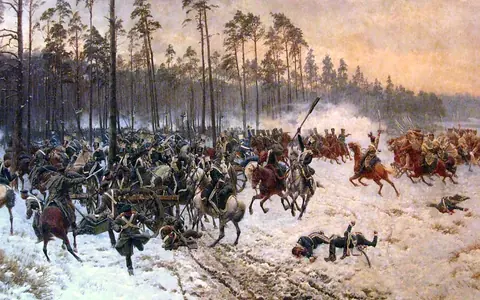
Stoczek, 14 February 1831. The first sizable clash of the war: General Dwernicki's cavalry beat General Teodor Geismar's Russian division advancing on Warsaw. The victory lifted morale but did not stop the Russian march. More in our article on the Battle of Stoczek.19
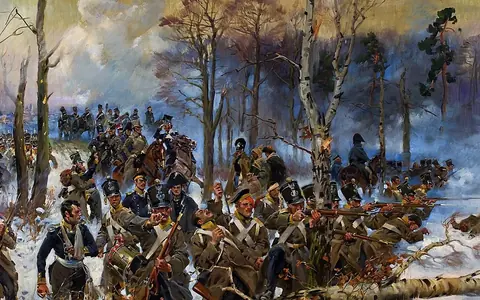
Olszynka Grochowska, 25 February 1831. About 40,000 Poles, directed in practice by Chłopicki, threw back the attacks of nearly 60,000 Russians under Diebitsch, then withdrew behind the fieldworks of Praga. It was probably the bloodiest battle of the uprising: the Poles lost about 7,000 to 7,300 men, the Russians about 9,500 to 10,000. Chłopicki was seriously wounded. Details in our article on the Battle of Olszynka Grochowska.20

Wawer, Dębe Wielkie and Iganie, 31 March and 10 April 1831. Prądzyński's counteroffensive broke the corps of General Geismar and General Rosen, and at Iganie the Poles won again. Because Skrzynecki stopped the pursuit, these successes did not change the course of the war.21
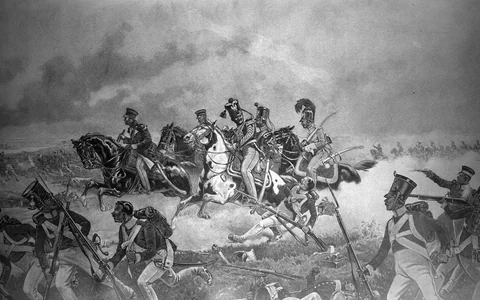
Ostrołęka, 26 May 1831. Diebitsch's troops attacked Skrzynecki's army as it crossed the Narew. A charge by Lieutenant Colonel Józef Bem's horse artillery battery stopped further attacks and let the army retreat toward Warsaw. Polish losses are put at about 4,700 to 6,000 killed and wounded, including Generals Ludwik Kicki and Henryk Kamieński; Russian losses at about 5,700 to 5,800. The battle is judged a Polish defeat and the turning point of the war. See the Battle of Ostrołęka.22
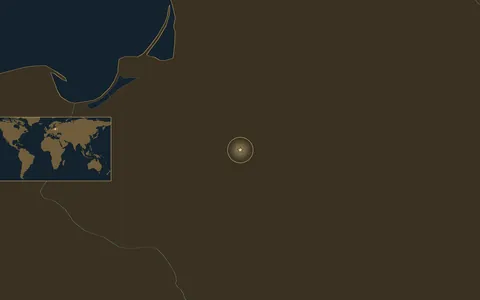
Rajgród and Paneriai, 29 May and 19 June 1831. At Rajgród Giełgud's corps clashed with General Osten-Sacken's troops and marched on into Lithuania. On 19 June about 12,000 insurgents attacked Vilnius across the Paneriai hills. The attack was poorly coordinated and collapsed after about four hours; insurgent losses are given as about 600 killed and as many captured (the Lithuanian national encyclopedia) or about 2,000 men (IPN). More in our article on the Battle of Paneriai.23
The storming of Warsaw, 6 and 7 September 1831. Paskevich had about 76,000 to 77,000 men and 390 guns; the defenders numbered about 44,000 to 45,000. On 6 September the Russians took redoubt no. 54, where the powder magazine blew up, and the Wola fort, where General Józef Sowiński was killed. Wola held out for hours; of its defenders, about 1,700 according to the Polish Biographical Dictionary, only 300 to 400 escaped according to the Polish Army Museum. Next day they broke through further lines; on the night of 7 to 8 September the Polish army left the city and Warsaw capitulated.24

Key commanders of the November Uprising
The Polish side. Józef Chłopicki, dictator until January 1831, directed the army at Grochów. Michał Radziwiłł was commander in chief in name only; after him command passed to Jan Skrzynecki, whom historians fault for indecision. Ignacy Prądzyński planned the spring counteroffensive. Józef Dwernicki won at Stoczek, and Józef Bem made his name with the battery charge at Ostrołęka. The defense of Warsaw was led by the head of the National Government, General Jan Krukowiecki, who soon opened talks on surrender.25
The Russian side. Field Marshal Hans Karl von Diebitsch (Polish: Iwan Dybicz), the victor of the Russo-Turkish War of 1828 to 1829, enjoyed the tsar's trust and commanded at Grochów and Ostrołęka. His successor Ivan Paskevich (Iwan Paskiewicz), described by Britannica as overcautious, took Warsaw and was made prince of Warsaw. Grand Duke Constantine, the tsar's brother, left Warsaw with the Russian troops after the November Night.26
Who won the November Uprising, and why did it fail?
The Russian Empire won. Encyclopaedia Britannica names the causes of the defeat as a lack of clear plans and decisive leadership, hesitant commanders and divided politicians; the Polish Biographical Dictionary points to the lack of coordination in the defense of Warsaw and to Krukowiecki's conduct. On top of that came Russia's great superiority in numbers.27
The insurgents were also left alone. King Louis-Philippe of France did not want war and, against expectations, did not support the Poles, and London and Paris treated the war as Russia's internal affair. The insurgent government passed no reforms that might have won over the peasants; in Right-Bank Ukraine the peasants and Orthodox clergy were indifferent or hostile to the rising.28
Consequences of the November Uprising
In 1832 Nicholas I replaced the constitution with the Organic Statute, which tied the Kingdom more closely to Russia and abolished the Polish Sejm and army. Paskevich became viceroy and ruled as a dictator until his death in 1856, a period Poles call the Paskevich night. The Statute kept a separate administration and Polish as the official language, but Britannica stresses that in practice the tsar imposed a military dictatorship.29
Repression followed: trials of the leaders, death sentences in absentia for those who fled abroad and confiscation of participants' estates. In Lithuania and Right-Bank Ukraine the authorities seized gentry estates and dismantled the Polish school system, and in 1832 they closed Vilnius University to punish its students and professors for taking part in the rising.30
A large part of the military, political and intellectual elite went abroad. Paris became its capital: on 8 December 1831 Joachim Lelewel founded the Polish National Committee there, and Prince Czartoryski's residence, the Hôtel Lambert, became the political center of the exiles. These émigrés, later called the Great Emigration, kept the Polish cause alive in European politics and culture.31

The uprising left a deep mark on Polish memory. Adam Mickiewicz made the redoubt famous in his poem Reduta Ordona (Ordon's Redoubt), although Julian Ordon himself did not die in the explosion: he was taken prisoner and died in exile in 1887. Mickiewicz also wrote Śmierć pułkownika (The Death of a Colonel) about Emilia Plater.32
The uprising did not win independence, but it shaped Polish national identity for good. The Polish History Museum notes that the trauma of defeat and repression led later generations to seek freedom in further risings and to see Russia as the cruelest of the partitioning powers, while adding that not everyone shared that view.33
Battles of the November Uprising in our articles
Our articles on the battles of the November Uprising, in date order.
- 1831The Battle of Stoczek, 1831Kingdom of Poland (November Uprising) vs Russian Empire
The uprising's first victory in the field.
- 1831The Battle of Olszynka Grochowska, 1831Kingdom of Poland (November Uprising) vs Russian Empire
The Polish army stopped the Russians at the gates of Warsaw.
- 1831The Battle of Ostrołęka, 1831Kingdom of Poland (November Uprising) vs Russian Empire
One of the bloodiest battles of the November Uprising.
- 1831Battle of Rajgród, 1831Polish insurgent army vs Russian Empire
Three days after Ostrołęka, Giełgud's Polish corps caught Osten-Sacken's Russians near Rajgród, took the town after four hours and opened the road to Lithuania.
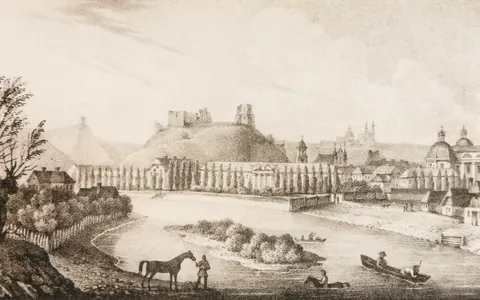
- 1831Battle of Paneriai, 1831Polish and Lithuanian insurgents vs Russian Empire
On 19 June 1831 Giełgud's Polish and Lithuanian insurgents attacked the Russian lines on the Paneriai hills outside Vilnius and were thrown back after four hours.
Timeline of the November Uprising
- 29 November 1830The November Night: the attack on the Belweder, the capture of the Arsenal and the start of the rising in Warsaw.34
- 5 December 1830General Józef Chłopicki becomes dictator.35
- 25 January 1831The Sejm deposes Nicholas I as king of Poland.36
- 5 February 1831Diebitsch's Russian army enters the Kingdom of Poland.37
- 14 February 1831Dwernicki wins at Stoczek.38
- 25 February 1831The Battle of Olszynka Grochowska, indecisive.39
- 31 March and 10 April 1831Polish victories at Wawer, Dębe Wielkie and Iganie.40
- 26 May 1831Polish defeat at Ostrołęka.41
- 10 June 1831Diebitsch dies of cholera; Paskevich takes command.42
- 19 June 1831The failed attack on Vilnius, the Battle of Paneriai.43
- 6 to 8 September 1831The storming and capitulation of Warsaw.44
- 5 October 1831Rybiński's corps crosses into Prussia and lays down its arms.45
- 21 October 1831Zamość surrenders; the uprising ends.46
- 1832The Organic Statute replaces the constitution of 1815; Vilnius University is closed.47
Where to read next
For the wider story of Poland's wars, see our guide to the military history of Poland; our ranking of the greatest Polish battles shows where the risings of the 19th century fit in. Many commanders of 1830 and 1831, Chłopicki first among them, began their careers in the Napoleonic Wars.
Notes
A number in the text points to a note; each note names the works that paragraph draws on, listed in full under Sources.
- Encyclopaedia Britannica, “November Insurrection”; Zintegrowana Platforma Edukacyjna, “Przebieg powstania listopadowego”; Dzieje.pl, “Kalendarz dat”. ↩
- Encyclopaedia Britannica, “November Insurrection”; Zintegrowana Platforma Edukacyjna, “Przebieg powstania listopadowego”; Anna Dąbrowska, “Ostrołęka, początek końca powstania”. ↩
- Encyclopaedia Britannica, “Congress Kingdom of Poland”; Wojciech Stanisławski, “The November Uprising”. ↩
- Wojciech Stanisławski, “The November Uprising”; EBSCO Research Starters, “November Uprising”. ↩
- Encyclopaedia Britannica, “November Insurrection”; Dzieje.pl, “Rocznica wybuchu powstania listopadowego”; Encyclopaedia Britannica, “Revolutions of 1830”; EBSCO Research Starters, “November Uprising”. ↩
- Zintegrowana Platforma Edukacyjna, “Przebieg powstania listopadowego”; Dzieje.pl, “Rocznica wybuchu powstania listopadowego”; Encyclopaedia Britannica, “November Insurrection”. ↩
- Dzieje.pl, “Rocznica wybuchu powstania listopadowego”; Zintegrowana Platforma Edukacyjna, “Przebieg powstania listopadowego”; Encyclopaedia Britannica, “November Insurrection”; Polish Museum of America, “Polish November Uprising commemoration”. ↩
- Encyclopaedia Britannica, “Józef Chłopicki”; Zintegrowana Platforma Edukacyjna, “Przebieg powstania listopadowego”; Encyclopaedia Britannica, “November Insurrection”; Wojciech Stanisławski, “The November Uprising”. ↩
- Encyclopaedia Britannica, “November Insurrection”; Internet Encyclopedia of Ukraine, “Polish Insurrection of 1830 to 1831”; Polish Museum of America, “Polish November Uprising commemoration”. ↩
- Encyclopaedia Britannica, “November Insurrection”; Polish History Museum, “Wkroczenie armii rosyjskiej pod dowództwem Dybicza do Królestwa Polskiego”; EBSCO Research Starters, “November Uprising”. ↩
- Institute of National Remembrance, “Jęliśmy się oręża w duchu jedności z Królestwem Polskim. Powstanie Listopadowe na Litwie”; Visuotinė lietuvių enciklopedija, “Panerių kautynės”. ↩
- Zintegrowana Platforma Edukacyjna, “Przebieg powstania listopadowego”; Encyclopaedia Britannica, “November Insurrection”; Polish History Museum, “Wkroczenie armii rosyjskiej pod dowództwem Dybicza do Królestwa Polskiego”; Encyclopaedia Britannica, “Adam Jerzy, Prince Czartoryski”. ↩
- Dzieje.pl, “Kalendarz dat”; Polish History Museum, “Wkroczenie armii rosyjskiej pod dowództwem Dybicza do Królestwa Polskiego”; Encyclopaedia Britannica, “November Insurrection”; EBSCO Research Starters, “November Uprising”; Internetowy Polski Słownik Biograficzny, “Obrona Warszawy w 1831 r.”. ↩
- Polish History Museum, “Bitwy pod Wawrem i Dębem Wielkim”; Zintegrowana Platforma Edukacyjna, “Przebieg powstania listopadowego”; Anna Dąbrowska, “Ostrołęka, początek końca powstania”. ↩
- Institute of National Remembrance, “Jęliśmy się oręża w duchu jedności z Królestwem Polskim. Powstanie Listopadowe na Litwie”; Zintegrowana Platforma Edukacyjna, “Przebieg powstania listopadowego”; Dzieje.pl, “Emilia Plater (1806 to 1831)”; Internet Encyclopedia of Ukraine, “Polish Insurrection of 1830 to 1831”. ↩
- Visuotinė lietuvių enciklopedija, “Antanas Gelgaudas”; Institute of National Remembrance, “Jęliśmy się oręża w duchu jedności z Królestwem Polskim. Powstanie Listopadowe na Litwie”; Zintegrowana Platforma Edukacyjna, “Przebieg powstania listopadowego”. ↩
- Encyclopaedia Britannica, “Hans Karl von Diebitsch”; Polish History Museum, “Wkroczenie armii rosyjskiej pod dowództwem Dybicza do Królestwa Polskiego”; Encyclopaedia Britannica, “Ivan Fyodorovich Paskevich”; Internetowy Polski Słownik Biograficzny, “Obrona Warszawy w 1831 r.”; Zintegrowana Platforma Edukacyjna, “Przebieg powstania listopadowego”. ↩
- Dzieje.pl, “Kalendarz dat”; Zintegrowana Platforma Edukacyjna, “Przebieg powstania listopadowego”; Encyclopaedia Britannica, “November Insurrection”. ↩
- Dzieje.pl, “Kalendarz dat”; EBSCO Research Starters, “November Uprising”; Dorota Janiszewska-Jakubiak, “Pomniki nagrobne bohaterów powstania listopadowego we Lwowie i Łopatynie”. ↩
- Polish History Museum, “Bitwa pod Olszynką Grochowską”; Zintegrowana Platforma Edukacyjna, “Przebieg powstania listopadowego”; Encyclopaedia Britannica, “Józef Chłopicki”; Encyclopaedia Britannica, “November Insurrection”. ↩
- Polish History Museum, “Bitwy pod Wawrem i Dębem Wielkim”; Zintegrowana Platforma Edukacyjna, “Przebieg powstania listopadowego”; Anna Dąbrowska, “Ostrołęka, początek końca powstania”. ↩
- Anna Dąbrowska, “Ostrołęka, początek końca powstania”; Świat Sybiru, “26.05.1831”; Encyclopaedia Britannica, “November Insurrection”; Zintegrowana Platforma Edukacyjna, “Przebieg powstania listopadowego”. ↩
- Visuotinė lietuvių enciklopedija, “Antanas Gelgaudas”; Visuotinė lietuvių enciklopedija, “Panerių kautynės”; Institute of National Remembrance, “Jęliśmy się oręża w duchu jedności z Królestwem Polskim. Powstanie Listopadowe na Litwie”; Dzieje.pl, “Kalendarz dat”. ↩
- Polish Army Museum, “Początek szturmu Warszawy”; Internetowy Polski Słownik Biograficzny, “Obrona Warszawy w 1831 r.”; Zintegrowana Platforma Edukacyjna, “Przebieg powstania listopadowego”; Dzieje.pl, “Kalendarz dat”. ↩
- Encyclopaedia Britannica, “Józef Chłopicki”; Polish History Museum, “Bitwy pod Wawrem i Dębem Wielkim”; Zintegrowana Platforma Edukacyjna, “Przebieg powstania listopadowego”; Anna Dąbrowska, “Ostrołęka, początek końca powstania”; Polish Army Museum, “Początek szturmu Warszawy”; Internetowy Polski Słownik Biograficzny, “Obrona Warszawy w 1831 r.”. ↩
- Encyclopaedia Britannica, “Hans Karl von Diebitsch”; Polish History Museum, “Wkroczenie armii rosyjskiej pod dowództwem Dybicza do Królestwa Polskiego”; Encyclopaedia Britannica, “Ivan Fyodorovich Paskevich”; Polish Army Museum, “Początek szturmu Warszawy”; Encyclopaedia Britannica, “November Insurrection”; Dzieje.pl, “Rocznica wybuchu powstania listopadowego”. ↩
- Encyclopaedia Britannica, “November Insurrection”; Internetowy Polski Słownik Biograficzny, “Obrona Warszawy w 1831 r.”; EBSCO Research Starters, “November Uprising”. ↩
- Encyclopaedia Britannica, “Revolutions of 1830”; Polish Museum of America, “Polish November Uprising commemoration”; Encyclopaedia Britannica, “November Insurrection”; Internet Encyclopedia of Ukraine, “Polish Insurrection of 1830 to 1831”. ↩
- Encyclopaedia Britannica, “Congress Kingdom of Poland”; Zintegrowana Platforma Edukacyjna, “Następstwa powstania listopadowego”; Encyclopaedia Britannica, “Ivan Fyodorovich Paskevich”. ↩
- Zintegrowana Platforma Edukacyjna, “Następstwa powstania listopadowego”; Institute of National Remembrance, “Jęliśmy się oręża w duchu jedności z Królestwem Polskim. Powstanie Listopadowe na Litwie”; Internet Encyclopedia of Ukraine, “Polish Insurrection of 1830 to 1831”; Vilnius University, “History”; Dzieje.pl, “100 lat temu ponownie otwarto Uniwersytet Stefana Batorego”. ↩
- Wojciech Stanisławski, “The November Uprising”; EBSCO Research Starters, “November Uprising”; Dzieje.pl, “Kalendarz dat”; Zintegrowana Platforma Edukacyjna, “Klęska powstania i Wielka Emigracja”; Encyclopaedia Britannica, “Adam Jerzy, Prince Czartoryski”. ↩
- Polish Army Museum, “Początek szturmu Warszawy”; Dorota Janiszewska-Jakubiak, “Pomniki nagrobne bohaterów powstania listopadowego we Lwowie i Łopatynie”; Zintegrowana Platforma Edukacyjna, “Adam Mickiewicz, Reduta Ordona”; Dzieje.pl, “Emilia Plater (1806 to 1831)”. ↩
- Wojciech Stanisławski, “The November Uprising”; EBSCO Research Starters, “November Uprising”. ↩
- Zintegrowana Platforma Edukacyjna, “Przebieg powstania listopadowego”; Encyclopaedia Britannica, “November Insurrection”. ↩
- Encyclopaedia Britannica, “Józef Chłopicki”; Zintegrowana Platforma Edukacyjna, “Przebieg powstania listopadowego”. ↩
- Encyclopaedia Britannica, “November Insurrection”; Dzieje.pl, “Kalendarz dat”. ↩
- Polish History Museum, “Wkroczenie armii rosyjskiej pod dowództwem Dybicza do Królestwa Polskiego”; Encyclopaedia Britannica, “November Insurrection”. ↩
- Dzieje.pl, “Kalendarz dat”; EBSCO Research Starters, “November Uprising”. ↩
- Polish History Museum, “Bitwa pod Olszynką Grochowską”; Encyclopaedia Britannica, “November Insurrection”. ↩
- Polish History Museum, “Bitwy pod Wawrem i Dębem Wielkim”; Zintegrowana Platforma Edukacyjna, “Przebieg powstania listopadowego”. ↩
- Anna Dąbrowska, “Ostrołęka, początek końca powstania”; Dzieje.pl, “Kalendarz dat”. ↩
- Encyclopaedia Britannica, “Hans Karl von Diebitsch”; Encyclopaedia Britannica, “Ivan Fyodorovich Paskevich”. ↩
- Visuotinė lietuvių enciklopedija, “Panerių kautynės”; Dzieje.pl, “Kalendarz dat”. ↩
- Polish Army Museum, “Początek szturmu Warszawy”; Dzieje.pl, “Kalendarz dat”. ↩
- Dzieje.pl, “Kalendarz dat”; Encyclopaedia Britannica, “November Insurrection”. ↩
- Dzieje.pl, “Kalendarz dat”; Zintegrowana Platforma Edukacyjna, “Przebieg powstania listopadowego”. ↩
- Encyclopaedia Britannica, “Congress Kingdom of Poland”; Zintegrowana Platforma Edukacyjna, “Następstwa powstania listopadowego”; Vilnius University, “History”. ↩
Sources
- Encyclopaedia Britannica, “November Insurrection”.
- Zintegrowana Platforma Edukacyjna (Polish Ministry of Education), “Przebieg powstania listopadowego” (The course of the November Uprising).
- Dzieje.pl (Polish History Museum), “Kalendarz dat: 1831” (Calendar of dates: 1831).
- Anna Dąbrowska, “Ostrołęka, początek końca powstania” (Ostrołęka, the beginning of the end of the uprising), Polska Zbrojna, Polish Ministry of National Defence, 2014.
- Encyclopaedia Britannica, “Congress Kingdom of Poland”.
- Wojciech Stanisławski, “The November Uprising: more than a romantic rebellion”, Polish History Museum, polishhistory.pl.
- EBSCO Research Starters, “November Uprising”.
- Dzieje.pl (Polish History Museum), “Rocznica wybuchu powstania listopadowego” (Anniversary of the outbreak of the November Uprising).
- Encyclopaedia Britannica, “Revolutions of 1830”.
- Polish Museum of America, “Polish November Uprising commemoration”.
- Encyclopaedia Britannica, “Józef Chłopicki”.
- Internet Encyclopedia of Ukraine (Canadian Institute of Ukrainian Studies), “Polish Insurrection of 1830 to 1831”.
- Polish History Museum, calendar: “Wkroczenie armii rosyjskiej pod dowództwem Dybicza do Królestwa Polskiego” (The Russian army under Diebitsch enters the Kingdom of Poland).
- Institute of National Remembrance (IPN), “Jęliśmy się oręża w duchu jedności z Królestwem Polskim. Powstanie Listopadowe na Litwie” (The November Uprising in Lithuania).
- Visuotinė lietuvių enciklopedija (Universal Lithuanian Encyclopedia), “Panerių kautynės” (Battle of Paneriai).
- Encyclopaedia Britannica, “Adam Jerzy, Prince Czartoryski”.
- Internetowy Polski Słownik Biograficzny (National Audiovisual Institute), “Obrona Warszawy w 1831 r.” (The defense of Warsaw in 1831).
- Polish History Museum, calendar: “Bitwy pod Wawrem i Dębem Wielkim” (The battles of Wawer and Dębe Wielkie).
- Dzieje.pl (Polish History Museum), “Emilia Plater (1806 to 1831)”.
- Visuotinė lietuvių enciklopedija, “Antanas Gelgaudas” (Antoni Giełgud).
- Encyclopaedia Britannica, “Hans Karl von Diebitsch”.
- Encyclopaedia Britannica, “Ivan Fyodorovich Paskevich”.
- Dorota Janiszewska-Jakubiak (ed.), “Pomniki nagrobne bohaterów powstania listopadowego we Lwowie i Łopatynie” (Tombs of November Uprising veterans in Lviv and Łopatyn), Dzieje.pl.
- Polish History Museum, calendar: “Bitwa pod Olszynką Grochowską” (The Battle of Olszynka Grochowska).
- Świat Sybiru (Sybir Memorial Museum, Białystok), “26.05.1831: when November ended in May”.
- Polish Army Museum (Muzeum Wojska Polskiego), “Początek szturmu Warszawy” (The start of the assault on Warsaw).
- Zintegrowana Platforma Edukacyjna, “Następstwa powstania listopadowego” (Consequences of the November Uprising).
- Vilnius University, “History”.
- Dzieje.pl (Polish History Museum), “100 lat temu ponownie otwarto Uniwersytet Stefana Batorego” (The Stefan Batory University reopened 100 years ago).
- Zintegrowana Platforma Edukacyjna, “Klęska powstania i Wielka Emigracja” (The defeat of the uprising and the Great Emigration).
- Zintegrowana Platforma Edukacyjna, “Adam Mickiewicz, Reduta Ordona”.






