

What was the Second Northern War and who won?
The Second Northern War (1655 to 1660) began with Charles X Gustav's Swedish invasion of the Polish-Lithuanian Commonwealth and widened into wars with Russia, Brandenburg, Austria, Denmark-Norway and the Dutch Republic. No side won outright: the 1660 treaties of Oliva and Copenhagen left Sweden with Danish Scania and Brandenburg with sovereign Prussia.1
The Second Northern War was fought around the Baltic Sea from 1655 to 1660. It began in July 1655, when King Charles X Gustav of Sweden invaded the Polish-Lithuanian Commonwealth, and drew in one state after another: the Tsardom of Russia, Brandenburg-Prussia, the Habsburg monarchy, the Principality of Transylvania, Denmark-Norway and the Dutch Republic, with England and France among the mediators. It ended with the treaties of Oliva and Copenhagen in 1660 and, between Sweden and Russia, the Treaty of Kardis in 1661.2
The war goes by several names. Britannica calls it the First Northern War, while the Encyclopedia of the Early Modern World, like Polish historians, counts the Livonian War of 1558 to 1583 as the first Northern War and this one as the second. In Poland the Swedish invasion is known as the Deluge (potop).3
This guide follows the war as an international conflict, state by state. The Polish story of the invasion, the resistance and the recovery is told in our hub on the Deluge (1655 to 1660); the earlier round of the contest is the Polish-Swedish War of 1600 to 1629, and the last one the Great Northern War. Our battle guides cover the siege of Jasna Góra (1655), the Battle of Filipów (1656), the Battle of Czarny Ostrów (1657) and the Battle of Nyborg (1659).4
Causes of the Second Northern War
The war grew out of the crisis of the Polish-Lithuanian Commonwealth, the union of the Crown of Poland and the Grand Duchy of Lithuania. From 1648 it faced a Cossack revolt in Ukraine led by Bohdan Khmelnytsky, and in 1654 the Cossacks placed themselves under the Russian tsar, which brought a Russian invasion. Lithuanian defenses gave way and Russian troops took a series of cities, Vilnius among them in August 1655.5
An old dynastic quarrel ran alongside. John II Casimir, king of Poland since 1648, was a son of Sigismund III Vasa, who had been king of both Poland and Sweden until the Swedes deposed him after a civil war in 1598, and the Polish Vasas kept their claim to the Swedish crown. When Queen Christina abdicated in 1654 and her cousin Charles X Gustav took the throne, John Casimir refused to recognize him.6
Since the Peace of Westphalia in 1648 Sweden had been the leading power on the Baltic, and Charles meant to extend that position. Britannica treats the dispute over the crown as a pretext: in its account Charles's real aims were to check a potential Russian threat in Poland and to strengthen Sweden's control of the Baltic. The Encyclopedia of the Early Modern World calls the invasion a preemptive strike made in fear of extensive Russian gains.7
The Danish encyclopedia Lex adds a reason rooted in the Swedish state itself: Charles felt bound to the army inherited from the Thirty Years' War, which was hard to keep without the resources of occupied lands.8
Who fought in the Second Northern War
Sweden fought in turn against almost all of its neighbors. Britannica lists Poland, Russia, Brandenburg, the Netherlands and Denmark among the coalition that formed against Charles X Gustav, and Austria also declared war on Sweden; Transylvania joined Sweden, for a single campaign in 1657. Each state had its own reasons.9
The Polish-Lithuanian Commonwealth fought for survival on two fronts at once, against Sweden and Russia. By October 1655 the Swedes held most of the country and John Casimir fled abroad; he came back in 1656, when nobles and peasants rose against Swedish rule.10
The Grand Duchy of Lithuania split. With Russian troops in Vilnius and Kaunas, part of the Lithuanian magnates and nobility under Grand Hetman Janusz Radziwiłł broke the union with Poland at Kėdainiai (Kiejdany) on 20 October 1655 and accepted Charles X Gustav as grand duke, hoping Sweden would protect them against Russia. The Lithuanian national encyclopedia notes that the Swedes treated Lithuania as conquered land, and the agreement collapsed when the Lithuanians rose against them in the spring of 1656.11
Brandenburg-Prussia. Frederick William, elector of Brandenburg, also ruled the Duchy of Prussia, which his house held as a fief of the Polish crown. His aim in the war was to hold the duchy in his own right, and he changed sides to get it.12
Russia. Tsar Alexis had invaded the Commonwealth in 1654. Alarmed at the prospect of a Swedish victory, he turned against Sweden: Russia declared war in May 1656 and that autumn agreed a truce with the Commonwealth at Niemież, during talks at Vilnius. Its war with Sweden lasted until 1661.13
Denmark-Norway. Frederick III wanted back the provinces Denmark had lost to Sweden in 1645 and saw his chance while Charles was tied down in Poland. He declared war in June 1657.14
The Habsburg monarchy joined the coalition in 1657, and imperial troops came to help the Poles, besieging the Swedish garrison in Kraków. Britannica notes that the war brought Austria no territory but stopped the advance of the Swedes in Germany.15
Transylvania. In December 1656 George II Rákóczi, prince of Transylvania, made a treaty with Sweden at Radnot that planned a partition of the Commonwealth. The Hungarian historian János B. Szabó writes that in return for his help he wanted the Polish royal title, Kraków and Warsaw and the rich salt mines.16
The Dutch Republic, England and France. When Sweden held both shores of the Sound, Dutch trade in the Baltic came to a standstill, and the Republic sent a fleet to help Denmark; Britannica credits the Dutch leader Johan de Witt with sustaining Denmark against Sweden in 1658 and 1659. England and France acted, with the Dutch, as mediators and pressed both sides toward peace.17

The Swedish invasion of the Commonwealth, 1655 to 1657
Sweden attacked in July 1655 with two armies. On 25 July the nobility of Greater Poland capitulated to the Swedes at Ujście; Warsaw fell in September, and Kraków, defended by Stefan Czarniecki, in October. By October most of the Crown of Poland was in Swedish hands.18
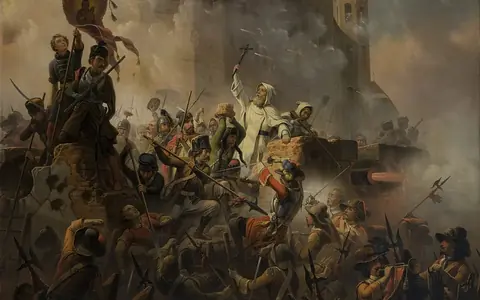
The occupation did not last. Jasna Góra, the fortified Pauline monastery at Częstochowa, held out under its prior Augustyn Kordecki against a Swedish siege from 18 November to 26 December 1655; our article on the siege of Jasna Góra separates the siege from the legends that grew around it. In 1656 the Poles rose against the foreign occupation and John Casimir returned to lead them.19
On 1 April 1656, in the cathedral at Lwów, the king made vows placing the Commonwealth under the protection of the Virgin Mary. On 7 April Czarniecki beat the Swedes at Warka, and at the turn of June and July Polish troops retook Warsaw.20
Brandenburg's choices shaped the war in the north. Offered an alliance by Sweden, Frederick William first chose armed neutrality, but when Charles overran Poland and advanced into Ducal Prussia he had to exchange Polish for Swedish overlordship and give Sweden armed support.21
At Warsaw on 28 to 30 July 1656 the Swedish and Brandenburg army beat John Casimir's larger army in a three-day battle and entered the city, which it could not hold. The victory did not turn the war: the Encyclopedia of the Early Modern World and Lex both note that the Polish revival went on despite it.22
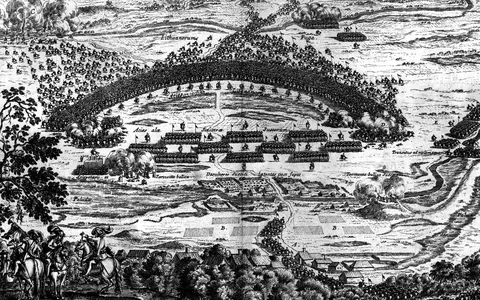
To keep the elector on his side, Charles granted him full sovereignty over the Duchy of Prussia in the Treaty of Labiau in 1656. In Prussia the fighting was already turning. On 8 October 1656 Wincenty Gosiewski, field hetman of Lithuania, routed a Brandenburg and Swedish force at Prostki and captured Bogusław Radziwiłł, and on 22 October his division fought the Swedes of Field Marshal Stenbock at Filipów.23
When Sweden's position weakened, Frederick William turned to the Commonwealth. By the Treaty of Wehlau of 19 September 1657, confirmed at Bromberg (Bydgoszcz) in November, John Casimir gave up the Polish crown's overlordship of Ducal Prussia and recognized the elector and his heirs as its sovereign rulers, and Frederick William promised troops against Sweden. Wehlau gave less than Labiau, the German historian Stefan Hartmann notes: the Commonwealth kept the right to take the duchy back if the Brandenburg line died out in the male line.24
Russia and Transylvania in the Second Northern War
Russia's war with Sweden was fought mainly in Livonia. In the summer of 1656 Russian troops took Dyneburg (Daugavpils) and Kokenhusen on the Dvina and in August began to bombard Riga. A strong Swedish garrison held the city, and the siege failed.25
Alexis soon put the war against the Commonwealth for Ukraine and Belarus first. In the account of the Polish historian Mirosław Nagielski his forces could not carry the war on both fronts, and on 20 December 1658 Russia and Sweden agreed the truce of Valiesar, which left Russia its conquests in Livonia for the time being.26
The Transylvanian campaign came next. George II Rákóczi entered the war in January 1657 at Sweden's request and invaded the Commonwealth with an army that included Moldavian, Wallachian and Cossack troops. With Charles X Gustav's help he took Warsaw, but when Denmark declared war in June, Charles marched west and left his ally on his own.27
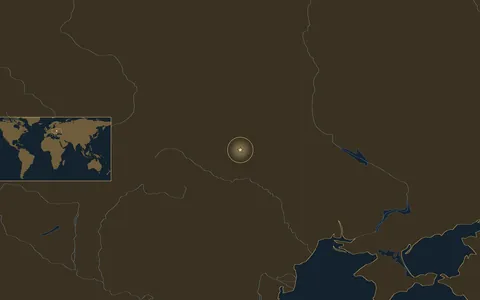
Imperial troops now besieged Kraków and a Polish force raided Transylvania itself, and Rákóczi turned for home. Pursued by Crown troops under Stanisław Rewera Potocki, Jerzy Lubomirski and Czarniecki, he asked for terms at Czarny Ostrów in July 1657 and capitulated, promising to leave the alliance with Sweden and to pay 1,200,000 złoty. On the retreat the Crimean Tatars, allies of the Commonwealth, destroyed his army and took most of it prisoner, and back home the Ottoman Porte had him deposed.28
The Danish wars, 1657 to 1660: the march across the Belts, Copenhagen and Nyborg
Denmark-Norway declared war on Sweden in June 1657, and its troops took Swedish Bremen. Charles X Gustav broke off the Polish campaign, marched west with his main army and by September held most of Jutland. On 24 October 1657 his troops stormed Frederiksodde, now Fredericia.29

Danish, Swedish and Russian records of the time follow the Julian calendar (Old Style), ten days behind the Gregorian calendar (New Style) used in the Commonwealth, so this guide gives their dates in the Old Style and adds the New Style where it matters. The Danish fleet kept the Swedes from crossing to the islands until the hard winter of 1657 to 1658 froze the straits. On 30 January 1658 the Swedish army crossed the ice of the Little Belt and beat the Danish troops on Funen, then went on across Langeland, Lolland and Falster to Zealand. Lex puts the army at under 10,000 men, EBSCO at 10,000.30

With Swedish troops on Zealand, Denmark gave in. By the Treaty of Roskilde of 26 February 1658 (8 March, New Style) Denmark ceded Scania, Halland, Blekinge and Bornholm, and Norway lost Bohuslän and the county of Trondheim. Britannica notes that the Swedes saw the treaty as a step toward control of the Sound, its toll and the Baltic trade.31
Within months Charles broke the peace. In August 1658 he landed on Zealand again and besieged Copenhagen by land and sea, now aiming to conquer the whole of Denmark. Britannica writes that he hoped to form a unified Scandinavian state; Lex notes that his reasons have never been fully explained, among them the need to keep his army and distrust of Danish policy.32
The Dutch Republic sent a fleet under Lieutenant-Admiral van Wassenaer. On 29 October 1658 (8 November, New Style) it beat the Swedish fleet of Carl Gustaf Wrangel in the northern Sound off Kronborg Castle, broke the blockade of Copenhagen and brought troops and supplies into the city.33

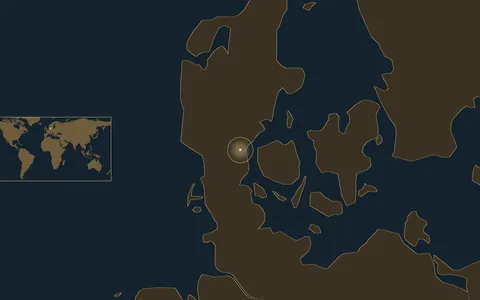
On land the allies came to Denmark's aid. In the autumn of 1658 an army of Brandenburgers, Austrians and Poles under Frederick William pushed the Swedes out of Schleswig, Holstein and Jutland, and on 14 December Stefan Czarniecki's Polish cavalry crossed to the island of Als and took it from the Swedes; our article on the siege of Kolding follows the Polish campaign in Jutland. In Copenhagen the citizens held out, and the Swedish storm on the night of 10 to 11 February 1659, led by Charles in person, was beaten back with heavy losses.34
The western powers now stepped in. In 1659 France, England and the Dutch Republic agreed at The Hague on the terms on which Sweden and Denmark were to make peace, the agreements known as the Concert of The Hague; a declaration printed in London that year in the Danish king's name complained that his Dutch allies had settled terms without consulting him.35
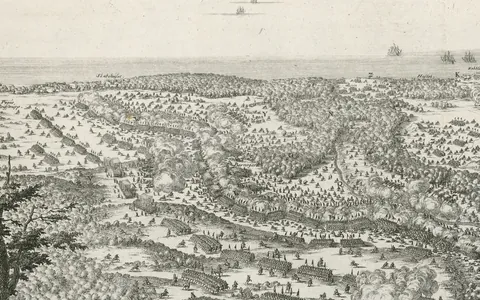
On Funen a Danish, Polish and Brandenburg army from Jutland and a Danish and Dutch force from Copenhagen, supported by the Dutch fleet under Michiel de Ruyter, defeated the Swedes at Nyborg on 14 November 1659 (Old Style) and forced them to surrender. In December Frederick William overran most of Swedish Pomerania.36
Key commanders of the Second Northern War
Charles X Gustav (1622 to 1660), king of Sweden from 1654, had served with the Swedish armies in Germany in the last years of the Thirty Years' War and commanded them from 1648. Lex calls him an exceptionally energetic and inventive general and diplomat. He died at Gothenburg on 13 February 1660, while a Riksdag called to deal with the war was in session.37

John II Casimir Vasa (1609 to 1672), king of Poland from 1648, fled abroad in 1655 and returned the next year to lead the recovery; at Oliva he gave up his claim to the Swedish throne. Frederick William (1620 to 1688), later called the Great Elector, commanded Brandenburg's army in person at Warsaw. Frederick III (1609 to 1670) of Denmark-Norway declared war in 1657 and held Copenhagen through the siege.38
On the Commonwealth's side the outstanding field commander was Stefan Czarniecki, who harried the Swedes with sudden attacks when they least expected them, beat them at Warka in 1656, pursued Rákóczi in 1657 and led a campaign in Denmark in 1658. Wincenty Gosiewski, field hetman of Lithuania, won at Prostki.39
At sea the Dutch admiral van Wassenaer won the Battle of the Sound against Carl Gustaf Wrangel, and Michiel de Ruyter led the Dutch naval forces in the Nyborg campaign.40
Who won the Second Northern War?
No state won the war outright. The death of Charles X Gustav in February 1660 opened the way to peace, as the regency for his young son Charles XI wanted an end to the fighting.41
The Treaty of Oliva, signed at Oliwa near Gdańsk on 3 May 1660 (23 April by the Julian calendar), ended the war between Sweden on one side and John Casimir, Emperor Leopold I and Brandenburg on the other. John Casimir gave up his claim to the Swedish throne, keeping only the title of king of the Swedes for life, and to northern Livonia; otherwise the borders of 1655 were restored. The treaty also confirmed Frederick William's full sovereignty over Ducal Prussia.42
The Treaty of Copenhagen of 27 May 1660 (6 June, New Style) ended the Danish war, under strong pressure from the mediators, England, France and the Netherlands. Denmark-Norway got back Bornholm and the county of Trondheim, while Sweden kept Scania, Halland, Blekinge and Bohuslän; Scania, Halland and Blekinge have been Swedish ever since.43
Sweden and Russia made peace at Kardis on 21 June 1661 (1 July, New Style). Russia gave back the Livonian towns it had taken, among them Dorpat (Tartu) and Kokenhusen, and Sweden kept Ingria, Karelia, Estonia and all its Livonian lands.44
The gains were uneven. Sweden's came from Denmark rather than from the Commonwealth it had invaded, and the Encyclopedia of the Early Modern World judges that at Oliva Sweden gained little beyond John Casimir's renunciation. Brandenburg came out with sovereignty over Ducal Prussia, a step Britannica counts among the foundations of the later Prussian monarchy. The Lithuanian national encyclopedia judges that the allies' hesitation and quarrels in the last years of the war saved Sweden from defeat. The Commonwealth kept its borders with Sweden, but its war with Russia went on until the truce of Andrusovo in 1667, which left Russia Smolensk, Kiev and Ukraine east of the Dnieper.45
Consequences and memory of the Second Northern War
In Denmark the war led directly to absolutism. At a meeting of the Estates in 1660, called to deal with the war debts, the clergy and the townsmen forced the nobility to give up its privileges and the throne was made hereditary for Frederick III; an act of January 1661 confirmed his absolute power, which lasted until 1849.46
For Sweden, the Encyclopedia of the Early Modern World argues, the war revealed the problems it faced in defending its empire, which were confirmed in the Scanian War of the 1670s. Lex sees the Peace of Copenhagen as restoring a military and political balance in the North.47
In Poland the memory of the war is the memory of the Deluge: the defense of Jasna Góra, Czarniecki and the king's vows at Lwów. Our hub on the Deluge tells that story in full.48
Major battles of the Second Northern War
Below, in date order, are our articles on the battles of this war.
- 1655The Siege of Jasna Góra, 1655Polish-Lithuanian Commonwealth (garrison of Jasna Góra) vs Sweden
A small garrison of monks and soldiers turned back the Swedes.
- 1656Battle of Filipów, 1656Grand Duchy of Lithuania vs Sweden and Brandenburg
On 22 October 1656 a Swedish and Brandenburg army caught Hetman Gosiewski's Lithuanian division at Filipów, two weeks after his victory at Prostki.
- 1657Battle of Czarny Ostrów, 1657Polish-Lithuanian Commonwealth vs Principality of Transylvania and allies
On 20 July 1657 Polish armies caught George II Rákóczi of Transylvania at Czarny Ostrów in Podolia and forced him to capitulate and leave Poland.
- 1658Siege of Kolding, 1658Polish-Lithuanian Commonwealth (allied with Denmark) vs Sweden
At Christmas 1658 Czarniecki's Polish cavalry, sent to help Denmark against Sweden, stormed the Swedish-held castle of Kolding at the third attempt.
- 1659Battle of Nyborg, 1659Denmark and its allies vs Sweden
On 14 November 1659 Danish, Dutch, Polish and Brandenburg troops beat the Swedes outside Nyborg, and some 3,000 Swedes surrendered after a naval bombardment.
Timeline of the Second Northern War
- 1654Russia invades the Commonwealth after the Cossacks place themselves under the tsar; Charles X Gustav becomes king of Sweden.49
- 1655July: Swedish invasion of the Commonwealth; 25 July: capitulation at Ujście; September and October: Warsaw and Kraków fall; 18 November to 26 December: siege of Jasna Góra.50
- 1656
- 1657January: Rákóczi enters the war; June: Denmark-Norway declares war on Sweden; July: Czarny Ostrów and Rákóczi's capitulation; 19 September: Treaty of Wehlau; 24 October: the Swedes storm Frederiksodde.52
- 165830 January: the march across the Belts begins; 26 February (Old Style): Treaty of Roskilde; August: Charles X Gustav renews the war and besieges Copenhagen; 29 October (8 November, New Style): Battle of the Sound; 14 December: Czarniecki takes Als; 20 December: Russo-Swedish truce of Valiesar.53
- 165910 to 11 February: the Swedish storm of Copenhagen fails; the Concert of The Hague; 14 November (Old Style): Battle of Nyborg; December: Frederick William overruns Swedish Pomerania.54
- 166013 February: death of Charles X Gustav; 3 May: Treaty of Oliva; 27 May (Old Style): Treaty of Copenhagen.55
- 166121 June (1 July, New Style): Treaty of Kardis between Sweden and Russia.56
Where to read next
The Polish side of the war is told in our hub on the Deluge, and the war is one chapter of our guides to the wars of the Polish-Lithuanian Commonwealth and the military history of Sweden. For the Baltic wars before and after, see the Polish-Swedish War of 1600 to 1629, the Thirty Years' War and the Great Northern War; for the other states, the military histories of Poland, Lithuania, Russia and Germany.
Notes
A number in the text points to a note; each note names the works that paragraph draws on, listed in full under Sources.
- Encyclopaedia Britannica, “First Northern War”; Robert I. Frost, Europe, 1450 to 1789; William A. Young, “Northern War”; Encyclopaedia Britannica, “Treaty of Oliva”; Gunner Lind and Sebastian Olden-Jørgensen, “Karl Gustav-krigene”. ↩
- Encyclopaedia Britannica, “First Northern War”; Encyclopaedia Britannica, “Charles X Gustav”; Robert I. Frost, Europe, 1450 to 1789; William A. Young, “Northern War”; János B. Szabó, Korunk; Lex, “Freden i København”; Presidential Library, “The Treaty of Cardis was signed”. ↩
- Encyclopaedia Britannica, “First Northern War”; Robert I. Frost, Europe, 1450 to 1789; Archiwum Główne Akt Dawnych, “Pokój oliwski”; dzieje.pl, “Kalendarz dat”. ↩
- Encyclopaedia Britannica, “Częstochowa”; dzieje.pl, “Kalendarz dat”; Sławomir Augusiewicz, Komunikaty Mazursko-Warmińskie; Jerzy Ronikier, Bitwy polskie. Leksykon; dzieje.pl, “Kalendarz dat”; János B. Szabó, Korunk; Gunner Lind and Sebastian Olden-Jørgensen, “Karl Gustav-krigene”; Royal Museums Greenwich, “Nibourg. Action between Danes and Swedes, 14 Nov 1659”. ↩
- Robert I. Frost, Europe, 1450 to 1789; William A. Young, “Northern War”; Encyclopaedia Britannica, “John II Casimir Vasa”; dzieje.pl, “Kalendarz dat”. ↩
- Encyclopaedia Britannica, “John II Casimir Vasa”; Robert I. Frost, Europe, 1450 to 1789; Encyclopaedia Britannica, “First Northern War”; Encyclopaedia Britannica, “Charles X Gustav”; Store norske leksikon, “Karl 10 Gustav”. ↩
- William A. Young, “Northern War”; Stephan Skalweit, “Frederick William, elector of Brandenburg”; Store norske leksikon, “Karl 10 Gustav”; Encyclopaedia Britannica, “First Northern War”; Encyclopaedia Britannica, “Charles X Gustav”; Robert I. Frost, Europe, 1450 to 1789. ↩
- Lex, “Karl 10. Gustav”. ↩
- Encyclopaedia Britannica, “First Northern War”; Encyclopaedia Britannica, “Charles X Gustav”; Visuotinė lietuvių enciklopedija, “Šiaurės karas”; János B. Szabó, Korunk. ↩
- Encyclopaedia Britannica, “John II Casimir Vasa”; Robert I. Frost, Europe, 1450 to 1789; William A. Young, “Northern War”. ↩
- Visuotinė lietuvių enciklopedija, “Kėdainių sutartis”; dzieje.pl, “Kalendarz dat”; Visuotinė lietuvių enciklopedija, “Šiaurės karas”. ↩
- Encyclopaedia Britannica, “Treaty of Wehlau”; Stephan Skalweit, “Frederick William, elector of Brandenburg”; Stefan Hartmann, Między Welawą a Królewcem 1657-1701. ↩
- William A. Young, “Northern War”; Robert I. Frost, Europe, 1450 to 1789; dzieje.pl, “Kalendarz dat”; Mirosław Nagielski, Studia Slavica et Balcanica Petropolitana; Encyclopaedia Britannica, “Alexis”. ↩
- Encyclopaedia Britannica, “Frederick III, king of Denmark and Norway”; Gunner Lind and Sebastian Olden-Jørgensen, “Karl Gustav-krigene”; Store norske leksikon, “Freden i Roskilde”. ↩
- Robert I. Frost, Europe, 1450 to 1789; Muzeum Historii Polski, “Kapitulacja Jerzego II Rakoczego”; Encyclopaedia Britannica, “Treaty of Oliva”. ↩
- dzieje.pl, “Kalendarz dat”; Muzeum Historii Polski, “Kapitulacja Jerzego II Rakoczego”; János B. Szabó, Korunk. ↩
- Royal Museums Greenwich, “The Battle of the Sound, 8 November 1658”; Encyclopaedia Britannica, “Johan de Witt”; Robert I. Frost, Europe, 1450 to 1789; Lex, “Freden i København”. ↩
- William A. Young, “Northern War”; dzieje.pl, “Kalendarz dat”; Encyclopaedia Britannica, “John II Casimir Vasa”; Visuotinė lietuvių enciklopedija, “Šiaurės karas”. ↩
- Encyclopaedia Britannica, “Częstochowa”; dzieje.pl, “Kalendarz dat”; Encyclopaedia Britannica, “John II Casimir Vasa”; William A. Young, “Northern War”; Lex, “Karl 10. Gustav”. ↩
- dzieje.pl, “Kalendarz dat”; Senate of the Republic of Poland, Monitor Polski; Kazimierz Pułaski Museum in Warka, “Stefan Czarniecki”; William A. Young, “Northern War”. ↩
- Stephan Skalweit, “Frederick William, elector of Brandenburg”; William A. Young, “Northern War”; Robert I. Frost, Europe, 1450 to 1789. ↩
- Jacob F. Field, “Battle of Warsaw (1656)”; dzieje.pl, “Kalendarz dat”; Robert I. Frost, Europe, 1450 to 1789; Lex, “Karl 10. Gustav”. ↩
- Stephan Skalweit, “Frederick William, elector of Brandenburg”; Stefan Hartmann, Między Welawą a Królewcem 1657-1701; Visuotinė lietuvių enciklopedija, “Šiaurės karas”; Jerzy Ronikier, Bitwy polskie. Leksykon; dzieje.pl, “Kalendarz dat”; Sławomir Augusiewicz, Komunikaty Mazursko-Warmińskie. ↩
- Encyclopaedia Britannica, “Treaty of Wehlau”; dzieje.pl, “Kalendarz dat”; Stefan Hartmann, Między Welawą a Królewcem 1657-1701. ↩
- Mirosław Nagielski, Studia Slavica et Balcanica Petropolitana; EBSCO Research Starters, “Russo-Swedish Wars of 1590-1658”. ↩
- Mirosław Nagielski, Studia Slavica et Balcanica Petropolitana; William A. Young, “Northern War”; EBSCO Research Starters, “Russo-Swedish Wars of 1590-1658”. ↩
- János B. Szabó, Korunk; Muzeum Historii Polski, “Kapitulacja Jerzego II Rakoczego”. ↩
- Muzeum Historii Polski, “Kapitulacja Jerzego II Rakoczego”; János B. Szabó, Korunk; dzieje.pl, “Kalendarz dat”. ↩
- Gunner Lind and Sebastian Olden-Jørgensen, “Karl Gustav-krigene”; William A. Young, “Northern War”; Encyclopaedia Britannica, “Charles X Gustav”; Encyclopaedia Britannica, “Frederick III, king of Denmark and Norway”. ↩
- Archiwum Główne Akt Dawnych, “Pokój oliwski”; Presidential Library, “The Treaty of Cardis was signed”; Lex, “Slaget i Øresund”; Royal Museums Greenwich, “The Battle of the Sound, 8 November 1658”; Gunner Lind and Sebastian Olden-Jørgensen, “Karl Gustav-krigene”; William A. Young, “Northern War”; Store norske leksikon, “Karl 10 Gustav”; Robert I. Frost, Europe, 1450 to 1789. ↩
- Gunner Lind and Sebastian Olden-Jørgensen, “Karl Gustav-krigene”; Store norske leksikon, “Freden i Roskilde”; Encyclopaedia Britannica, “Frederick III, king of Denmark and Norway”; Visuotinė lietuvių enciklopedija, “Šiaurės karas”; Encyclopaedia Britannica, “Charles X Gustav”. ↩
- Gunner Lind and Sebastian Olden-Jørgensen, “Karl Gustav-krigene”; Store norske leksikon, “Karl 10 Gustav”; Encyclopaedia Britannica, “Charles X Gustav”; Lex, “Karl 10. Gustav”; William A. Young, “Northern War”. ↩
- Royal Museums Greenwich, “The Battle of the Sound, 8 November 1658”; Lex, “Slaget i Øresund”; Gunner Lind and Sebastian Olden-Jørgensen, “Karl Gustav-krigene”; Rijksmuseum, “The Battle of the Sound with the Eendracht Engaging Two Swedish Warships, 1658”. ↩
- William A. Young, “Northern War”; Gunner Lind and Sebastian Olden-Jørgensen, “Karl Gustav-krigene”; dzieje.pl, “Kalendarz dat”; Jerzy Ronikier, Bitwy polskie. Leksykon; Lex, “Stormen på København”; Encyclopaedia Britannica, “Charles X Gustav”; Encyclopaedia Britannica, “Frederick III, king of Denmark and Norway”; Lex, “Karl 10. Gustav”. ↩
- Gunner Lind and Sebastian Olden-Jørgensen, “Karl Gustav-krigene”; A Declaration of the King of Denmark ... in Relation to the Treaty Agreed and Concluded at the Hague. ↩
- Gunner Lind and Sebastian Olden-Jørgensen, “Karl Gustav-krigene”; Royal Museums Greenwich, “Nibourg. Action between Danes and Swedes, 14 Nov 1659”; Rijksmuseum, “Inname van de stad Nyborg door Michiel Adriaenszoon de Ruyter, 1659”; William A. Young, “Northern War”; Stephan Skalweit, “Frederick William, elector of Brandenburg”. ↩
- Encyclopaedia Britannica, “Charles X Gustav”; Lex, “Karl 10. Gustav”; Gunner Lind and Sebastian Olden-Jørgensen, “Karl Gustav-krigene”. ↩
- Encyclopaedia Britannica, “John II Casimir Vasa”; Archiwum Główne Akt Dawnych, “Pokój oliwski”; Stephan Skalweit, “Frederick William, elector of Brandenburg”; Jacob F. Field, “Battle of Warsaw (1656)”; Encyclopaedia Britannica, “Frederick III, king of Denmark and Norway”; Gunner Lind and Sebastian Olden-Jørgensen, “Karl Gustav-krigene”. ↩
- Kazimierz Pułaski Museum in Warka, “Stefan Czarniecki”; Muzeum Historii Polski, “Kapitulacja Jerzego II Rakoczego”; dzieje.pl, “Kalendarz dat”; Jerzy Ronikier, Bitwy polskie. Leksykon; dzieje.pl, “Kalendarz dat”. ↩
- Royal Museums Greenwich, “The Battle of the Sound, 8 November 1658”; Lex, “Slaget i Øresund”; Royal Museums Greenwich, “Nibourg. Action between Danes and Swedes, 14 Nov 1659”; Rijksmuseum, “Inname van de stad Nyborg door Michiel Adriaenszoon de Ruyter, 1659”. ↩
- Gunner Lind and Sebastian Olden-Jørgensen, “Karl Gustav-krigene”; William A. Young, “Northern War”; Lex, “Karl 10. Gustav”. ↩
- Archiwum Główne Akt Dawnych, “Pokój oliwski”; Encyclopaedia Britannica, “Treaty of Oliva”; Encyclopaedia Britannica, “John II Casimir Vasa”; Stephan Skalweit, “Frederick William, elector of Brandenburg”. ↩
- Lex, “Freden i København”; Gunner Lind and Sebastian Olden-Jørgensen, “Karl Gustav-krigene”; Encyclopaedia Britannica, “Frederick III, king of Denmark and Norway”; Robert I. Frost, Europe, 1450 to 1789; Visuotinė lietuvių enciklopedija, “Šiaurės karas”; Store norske leksikon, “Freden i Roskilde”. ↩
- Presidential Library, “The Treaty of Cardis was signed”; Mirosław Nagielski, Studia Slavica et Balcanica Petropolitana; Visuotinė lietuvių enciklopedija, “Šiaurės karas”; William A. Young, “Northern War”. ↩
- Encyclopaedia Britannica, “First Northern War”; Robert I. Frost, Europe, 1450 to 1789; Stephan Skalweit, “Frederick William, elector of Brandenburg”; Encyclopaedia Britannica, “Treaty of Oliva”; Visuotinė lietuvių enciklopedija, “Šiaurės karas”; Encyclopaedia Britannica, “John II Casimir Vasa”; Encyclopaedia Britannica, “Alexis”. ↩
- Encyclopaedia Britannica, “Frederick III, king of Denmark and Norway”; Knud J. V. Jespersen, “enevælde”. ↩
- Robert I. Frost, Europe, 1450 to 1789; Gunner Lind and Sebastian Olden-Jørgensen, “Karl Gustav-krigene”. ↩
- Senate of the Republic of Poland, Monitor Polski; dzieje.pl, “Kalendarz dat”; dzieje.pl, “Kalendarz dat”. ↩
- Robert I. Frost, Europe, 1450 to 1789; William A. Young, “Northern War”; Encyclopaedia Britannica, “Charles X Gustav”. ↩
- William A. Young, “Northern War”; dzieje.pl, “Kalendarz dat”; Encyclopaedia Britannica, “Częstochowa”. ↩
- William A. Young, “Northern War”; Jacob F. Field, “Battle of Warsaw (1656)”; dzieje.pl, “Kalendarz dat”; Jerzy Ronikier, Bitwy polskie. Leksykon; Sławomir Augusiewicz, Komunikaty Mazursko-Warmińskie; Stefan Hartmann, Między Welawą a Królewcem 1657-1701; Muzeum Historii Polski, “Kapitulacja Jerzego II Rakoczego”. ↩
- János B. Szabó, Korunk; Muzeum Historii Polski, “Kapitulacja Jerzego II Rakoczego”; Gunner Lind and Sebastian Olden-Jørgensen, “Karl Gustav-krigene”; dzieje.pl, “Kalendarz dat”; Encyclopaedia Britannica, “Treaty of Wehlau”; William A. Young, “Northern War”. ↩
- Gunner Lind and Sebastian Olden-Jørgensen, “Karl Gustav-krigene”; Store norske leksikon, “Freden i Roskilde”; Encyclopaedia Britannica, “Frederick III, king of Denmark and Norway”; Royal Museums Greenwich, “The Battle of the Sound, 8 November 1658”; Lex, “Slaget i Øresund”; dzieje.pl, “Kalendarz dat”; Mirosław Nagielski, Studia Slavica et Balcanica Petropolitana. ↩
- Lex, “Stormen på København”; Encyclopaedia Britannica, “Charles X Gustav”; A Declaration of the King of Denmark ... in Relation to the Treaty Agreed and Concluded at the Hague; Gunner Lind and Sebastian Olden-Jørgensen, “Karl Gustav-krigene”; Royal Museums Greenwich, “Nibourg. Action between Danes and Swedes, 14 Nov 1659”; William A. Young, “Northern War”. ↩
- Encyclopaedia Britannica, “Charles X Gustav”; Gunner Lind and Sebastian Olden-Jørgensen, “Karl Gustav-krigene”; Archiwum Główne Akt Dawnych, “Pokój oliwski”; Lex, “Freden i København”. ↩
- Presidential Library, “The Treaty of Cardis was signed”; Mirosław Nagielski, Studia Slavica et Balcanica Petropolitana. ↩
Sources
- Encyclopaedia Britannica, “First Northern War”.
- Robert I. Frost, Europe, 1450 to 1789: Encyclopedia of the Early Modern World, via Encyclopedia.com, “Northern Wars”.
- William A. Young, EBSCO Research Starters, “Northern War”.
- Encyclopaedia Britannica, “Treaty of Oliva”.
- Gunner Lind and Sebastian Olden-Jørgensen, Lex (Den Store Danske), “Karl Gustav-krigene” (in Danish).
- Encyclopaedia Britannica, “Charles X Gustav”.
- János B. Szabó, Korunk 2022, no. 8, pp. 80 to 89, abstract via CEEOL, “The ‘Fall’ of Transylvania. The Campaign in Poland and Its Consequences (1657-1658)” (abstract in English).
- Lex (Den Store Danske), “Freden i København” (in Danish).
- Presidential Library (Boris Yeltsin Presidential Library, St. Petersburg), “The Treaty of Cardis was signed”.
- Archiwum Główne Akt Dawnych (Central Archives of Historical Records, Warsaw), “Pokój oliwski” (in Polish).
- dzieje.pl (Polish History Museum and PAP), “Kalendarz dat: 1655” (in Polish).
- Encyclopaedia Britannica, “Częstochowa”.
- Sławomir Augusiewicz, Komunikaty Mazursko-Warmińskie no. 3 (301), “Źródła szwedzkie do kampanii feldmarszałka Ottona Gustava Stenbocka w Prusach Książęcych i do bitwy pod Filipowem (22 X 1656 r.)” (in Polish, with an English abstract).
- Jerzy Ronikier, Bitwy polskie. Leksykon (Znak, 1999), via TwojaHistoria.pl, “Bitwa pod Prostkami (8 października 1656)” (in Polish).
- dzieje.pl (Polish History Museum and PAP), “Kalendarz dat: 1657” (in Polish).
- Royal Museums Greenwich, “Nibourg. Action between Danes and Swedes, 14 Nov 1659”.
- Encyclopaedia Britannica, “John II Casimir Vasa”.
- Store norske leksikon, “Karl 10 Gustav” (in Norwegian).
- Stephan Skalweit, Encyclopaedia Britannica, “Frederick William, elector of Brandenburg”.
- Lex (Den Store Danske), “Karl 10. Gustav” (in Danish).
- Visuotinė lietuvių enciklopedija (Lithuanian national encyclopedia), “Šiaurės karas” (in Lithuanian).
- Visuotinė lietuvių enciklopedija (Lithuanian national encyclopedia), “Kėdainių sutartis” (in Lithuanian).
- Encyclopaedia Britannica, “Treaty of Wehlau”.
- Stefan Hartmann, review of Dariusz Makiłła, Między Welawą a Królewcem 1657-1701, Zeitschrift für Ostmitteleuropa-Forschung 49, no. 3 (2000), p. 451, “Besprechungen und Anzeigen” (in German).
- dzieje.pl (Polish History Museum and PAP), “Kalendarz dat: 1656” (in Polish).
- Mirosław Nagielski, Studia Slavica et Balcanica Petropolitana 2014, no. 1, “Rywalizacja polsko-rosyjska w dobie potopu w kontekście wojny obu państw ze Szwecją w latach 1656-1661” (in Polish).
- Encyclopaedia Britannica, “Alexis”.
- Encyclopaedia Britannica, “Frederick III, king of Denmark and Norway”.
- Store norske leksikon, “Freden i Roskilde” (in Norwegian).
- Muzeum Historii Polski (Polish History Museum), “Kapitulacja Jerzego II Rakoczego” (in Polish).
- Royal Museums Greenwich, “The Battle of the Sound, 8 November 1658”.
- Encyclopaedia Britannica, “Johan de Witt”.
- Senate of the Republic of Poland, resolution of 7 April 2016, Monitor Polski 2016, item 386, “W 360. rocznicę Ślubów Lwowskich” (in Polish).
- Kazimierz Pułaski Museum in Warka, “Stefan Czarniecki”.
- Jacob F. Field, Encyclopaedia Britannica, “Battle of Warsaw (1656)”.
- EBSCO Research Starters, “Russo-Swedish Wars of 1590-1658”.
- Lex (Den Store Danske), “Slaget i Øresund” (in Danish).
- Rijksmuseum, Amsterdam, “The Battle of the Sound with the Eendracht Engaging Two Swedish Warships, 1658”.
- dzieje.pl (Polish History Museum and PAP), “Kalendarz dat: 1658” (in Polish).
- Lex (Den Store Danske), “Stormen på København” (in Danish).
- A Declaration of the King of Denmark ... in Relation to the Treaty Agreed and Concluded at the Hague (London, 1659), EarlyPrint text via Distant Reader, “A Declaration of the King of Denmark” (printed source of 1659).
- Rijksmuseum, Amsterdam, “Inname van de stad Nyborg door Michiel Adriaenszoon de Ruyter, 1659” (in Dutch).
- Knud J. V. Jespersen, Lex (Den Store Danske), “enevælde” (in Danish).






