

What is the military history of the Soviet Union?
It is the record of the wars fought by Soviet Russia from 1917 and by the USSR from 1922 to 1991: the Civil War, the 1920 war with Poland, the 1939 invasions of Poland and Finland, the war against Germany from Moscow and Stalingrad to Berlin, Hungary 1956, Czechoslovakia 1968 and Afghanistan.1
The Soviet Union lost more people in World War II than any other country. It also invaded its neighbors, from Poland and Finland in 1939 to Hungary, Czechoslovakia and Afghanistan during the Cold War. This guide follows the Red Army era by era and gives the defeats, the crimes and the sacrifices the same weight. Start with our guides to the Soviet invasion of Poland (1939), the Battle of Moscow (1941), the Battle of Stalingrad (1942 to 1943), the Battle of Kursk (1943) and the Battle of Berlin (1945).
The Soviet Union was not Russia. It was a union of republics that stretched from Ukraine and Belarus to the Caucasus and Central Asia. Our hub on the military history of Russia covers the wars of the tsars before 1917, and our guides to the Eastern Front of World War II, the Polish-Soviet War and the invasion of Poland in 1939 tell those wars in more detail.
What was the Soviet Union?
The Bolsheviks seized power in Russia in November 1917, but the Union of Soviet Socialist Republics was not formed until 1922. On 30 December 1922 delegates of four Soviet republics, Russia, Ukraine, Belarus and the Transcaucasian federation, adopted the treaty that created it. At its peak the union had fifteen republics, and it was ruled by a single party, the Communist Party, until its last years.2
Its army grew out of the Civil War. Lenin ordered Leon Trotsky to build a Red Army in early 1918, and it began as a small force of volunteers from the cities of northern and central Russia. By the end of 1920 it had become a conscript army of about five million soldiers, most of them peasants.3

How did the Red Army win the Russian Civil War?
From the spring of 1918 the Bolsheviks, or Reds, fought the Whites, a diverse coalition of anti-Bolshevik forces. After World War I ended in November 1918, Britain, France, Japan, the United States and other powers sent troops to Russian ports and backed the White cause.4
Lacking trained leaders, Trotsky recruited former officers of the old imperial army and placed a political commissar beside each of them to watch their loyalty. Mass conscription filled the ranks. The Whites, who held much of Siberia and southern Russia, were routed in 1920.5

The Polish-Soviet War and the Battle of Warsaw, 1920
Soviet Russia also fought the reborn Polish state. In April 1920 Polish and Ukrainian forces advanced on Kyiv and took it on 7 May. The Red Army struck back in July, crossed the Berezina and by early August was fighting along the Bug, on the road to Warsaw. The historian Norman Davies argues that Lenin saw Poland as the “Red Bridge” the revolution had to cross to reach Germany.6
In mid-August 1920 the Poles won the Battle of Warsaw, a decisive victory over the Red Army, and followed it with victories at Komarów and on the Niemen. The Treaty of Riga, signed on 18 March 1921 by Poland, Soviet Russia and Soviet Ukraine, ended the war. Our hub on the Polish-Soviet War tells it in full.7
The Soviet Union and Nazi Germany, 1939 to 1941: the pact, Poland and Katyn
In the summer of 1939 the Red Army fought Japan on the Mongolian border. On 20 August Georgy Zhukov opened a double envelopment on the Khalkhin Gol river, encircled the Japanese and decisively defeated them; both sides agreed a ceasefire in September.8
In August 1939 the Soviet Union and Germany signed a nonaggression pact. Its secret protocol divided eastern Europe into German and Soviet spheres of influence. Germany invaded Poland on 1 September, and on 17 September the Red Army invaded Poland from the east and occupied eastern Poland. Our article on the Soviet invasion of Poland follows that campaign.9
The NKVD, the Soviet security police, held thousands of captured Polish officers, policemen and members of the intelligentsia in camps at Kozelsk, Ostashkov and Starobelsk. On 5 March 1940 the Soviet Politburo approved their execution. In April and May 1940 the NKVD shot them in the Katyn Forest near Smolensk, in Kharkiv and in Kalinin (now Tver); the Polish History Museum counts 21,857 victims, the Institute of National Remembrance nearly 22,000.10
German troops found the graves at Katyn in April 1943, and Moscow blamed Germany for the killings for almost fifty years. On 13 April 1990 the Soviet government admitted that the NKVD had committed the crime, and Mikhail Gorbachev handed documents to Poland.11
Under the same protocol the Soviet Union occupied and annexed Estonia, Latvia and Lithuania in the summer of 1940 and took Bessarabia from Romania.12
Who won the Winter War with Finland?
On 30 November 1939 the Red Army invaded Finland after the Finns refused Soviet demands for most of the Karelian Isthmus north of Leningrad and a naval base on the Gulf of Finland. The League of Nations expelled the Soviet Union in December. In the first weeks the much smaller Finnish army destroyed whole Soviet divisions; at Tolvajärvi, north of Lake Ladoga, it drove back the Soviet 139th Division in one of its first clear victories.13
The Red Army reorganized and broke through the Mannerheim Line, and Finland accepted peace in Moscow in March 1940. The Soviet Union won and took about 11 percent of Finland's territory, including the Karelian Isthmus and Viipuri, but Finland kept its independence.14
The cost was very high. Robert Citino of the National WWII Museum gives modern estimates of 120,000 to 200,000 Soviet soldiers killed; the Encyclopedia of Russian History cites Soviet archives, opened in 1993, that record 127,000 killed or missing.15
The Great Patriotic War: Barbarossa, Moscow and Leningrad
Germany invaded the Soviet Union on 22 June 1941, breaking the pact. More than three million German troops attacked, joined by Finnish, Romanian, Hungarian, Italian, Slovak and Croatian forces. Stalin called the struggle the Great Patriotic War, and that is still its name in the former Soviet lands.16
Citino counts a Red Army of some 5.5 million men in June 1941; the Encyclopedia of Russian History gives 4.5 million for the whole armed forces. It was large but badly led. Stalin's purges of 1937 and 1938 had struck its officer corps, and the first months were a catastrophe. The encirclement at Kyiv in September alone cost more than 600,000 men. By December 1941 Soviet casualties stood at about four million by Citino's count, 4.5 million in the Encyclopedia of Russian History.17
The retreat brought Soviet crimes as well. As the Red Army fell back in June 1941, the NKVD murdered thousands of prisoners in the jails of the lands it had occupied since 1939, above all in western Ukraine, rather than let them fall into German hands.18
German policy aimed to starve tens of millions of Soviet civilians, and Soviet prisoners died in vast numbers. The United States Holocaust Memorial Museum counts some 5.7 million Soviet soldiers taken prisoner, of whom 3.3 million were dead by the end of the war.19
In October the Germans launched Operation Typhoon to take the capital. They reached its outskirts, but in early December 1941 the Red Army, with Zhukov in command of the Western Front, launched a counteroffensive that drove them back. Read our guide to the Battle of Moscow.20
In the north, German troops cut off Leningrad on 8 September 1941. The siege lasted until 27 January 1944, 872 days. The National WWII Museum puts the dead at about 1.5 million soldiers and civilians; the Encyclopedia of Russian History says close to two million Soviet citizens died in the city or on the nearby fronts.21
Stalingrad, Kursk and Bagration: how the Red Army turned the war
In the summer of 1942 Germany struck south toward the oil fields of the Caucasus, and its Sixth Army under Friedrich Paulus was sent to take Stalingrad on the Volga. By late August it had broken through to the city.22
Meanwhile Zhukov and Aleksandr Vasilevsky planned a double encirclement, Operation Uranus. It opened on 19 November 1942, and within days more than 300,000 German and Romanian troops were trapped. On 2 February 1943 the last of the encircled troops surrendered, and the historian Ian Johnson calls Stalingrad the turning point of World War II in Europe. See our guides to the Battle of Stalingrad and Operation Uranus.23
In July 1943 Germany attacked the salient at Kursk in Operation Citadel. The offensive failed against deep Soviet defenses, and Soviet counteroffensives followed through August. Kursk was the last great German offensive in the east; our article on Prokhorovka looks at its most famous tank clash.24
In late June 1944 the Red Army opened Operation Bagration in Belarus. In a few weeks it destroyed German Army Group Centre, and by August it had reached the Vistula and the outskirts of Warsaw. On 17 July tens of thousands of German prisoners were marched through the streets of Moscow. The Imperial War Museums put German losses at about 450,000 killed, wounded or captured; Jeff Rutherford, interviewed by the National WWII Museum, gives about 390,000 in nine weeks.25
Berlin and Manchuria, 1945
On 16 April 1945 the Red Army opened the Berlin offensive. Zhukov's and Ivan Konev's fronts encircled the city by 25 April. Many of its defenders were old men and boys of the Volkssturm militia, and on 2 May the garrison surrendered. About 80,000 Red Army soldiers died in the battle, and Zhukov accepted Germany's surrender in Berlin on 8 May. Our guides to the Seelow Heights and the Battle of Berlin tell the story.26
The victory came with mass crimes against civilians. Rape and sexual violence by Soviet soldiers were widespread in Berlin and in the rest of Soviet-occupied Germany.27

In August 1945, three months after the war in Europe ended, the Soviet Union entered the war against Japan. A Soviet offensive overran Manchuria in a short campaign that ended with Japan's surrender in September.28
How many Soviet people died in World War II?
No country lost more people in World War II. Estimates differ: the Gale Encyclopedia of World History gives about twenty million, nearly an eighth of the population, while Keith Huxen of the National WWII Museum writes that reputable historians generally put the toll at 23 to 27 million.29
The Soviet Union did not fight alone. Under Lend-Lease the United States sent it more than 11 billion dollars of goods, including more than 400,000 trucks and jeeps. Soviet and later Russian accounts long played down this aid.30
Why did the Soviet Union invade Hungary and Czechoslovakia?
After 1945 Soviet forces were stationed across eastern Europe, and in 1955 the Soviet Union and seven communist states formed the Warsaw Pact. The alliance also served to keep the satellite regimes under Moscow's control.31
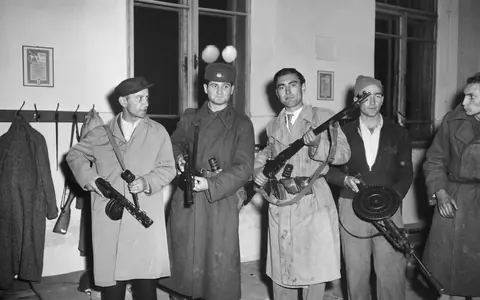
In Hungary a student protest on 23 October 1956 grew into a national rising. Imre Nagy returned to power, called for free elections and on 1 November announced that Hungary would leave the Warsaw Pact. On 4 November Soviet forces attacked Budapest in strength and crushed the Hungarian Revolution; thousands of Hungarians were killed, and some 200,000 fled to the West. A new government under János Kádár, backed by Moscow, took power.32
In Czechoslovakia the reforms of Alexander Dubček, the Prague Spring, alarmed Moscow and its allies. On the night of 20 to 21 August 1968 Soviet troops, with smaller forces from Poland, Hungary, East Germany and Bulgaria, invaded the country. Dubček was forced out in April 1969, and the claim that Moscow could intervene wherever communist rule was threatened became known as the Brezhnev Doctrine.33
Why did the Soviet Union invade Afghanistan?
In December 1979, after a coup brought Hafizullah Amin to power in Kabul, Soviet troops invaded Afghanistan to secure a friendly communist government on the Soviet border. They killed Amin and installed Babrak Karmal.34
The war became a decade of counterinsurgency against the mujahideen, guerrillas who declared a holy war against the occupation. The Soviet army could not bring its strength in armor and artillery to bear in the mountains, and the conflict turned into ten years of grinding insurgency. Mikhail Gorbachev announced the withdrawal in 1988, and the last Soviet soldiers crossed the border on 15 February 1989.35
About 15,000 Soviet soldiers were killed, the figure given by the Columbia Encyclopedia and the Encyclopedia of Russian History. More than a million Afghans died, according to the Columbia Encyclopedia and the estimates reported by Radio Free Europe/Radio Liberty, and about five million fled abroad as refugees.36
How did the Soviet Union end?
Gorbachev's reforms loosened Moscow's grip on eastern Europe, where communist rule collapsed in 1989, and the Soviet republics began to assert their sovereignty. In August 1991 hard-line communists attempted a coup against him. It failed, but it left him gravely weakened.37
In early December the leaders of Russia, Ukraine and Belarus formed the Commonwealth of Independent States. On 25 December 1991 Gorbachev resigned and the Soviet flag was lowered over the Kremlin for the last time. Its fifteen republics became independent states.38

Famous Soviet military commanders
Georgy Zhukov defeated the Japanese at Khalkhin Gol, defended Moscow in 1941, helped plan the Stalingrad counteroffensive, took Berlin and accepted Germany's surrender in 1945. Read our profile of Georgy Zhukov.39
Aleksandr Vasilevsky planned Operation Uranus with Zhukov. Ivan Konev led the 1st Ukrainian Front into Berlin, and Konstantin Rokossovsky, who distinguished himself in the defense of Moscow, joined the final attack on the city. Leon Trotsky, the commissar for war, built the Red Army that won the Civil War.40
Major Soviet battles, era by era
Every battle we have written up in which Soviet Russia or the Soviet Union fought, from the war with Poland in 1920 to the Hungarian Revolution of 1956, grouped by era.
World War II 1939 to 1945 · 19
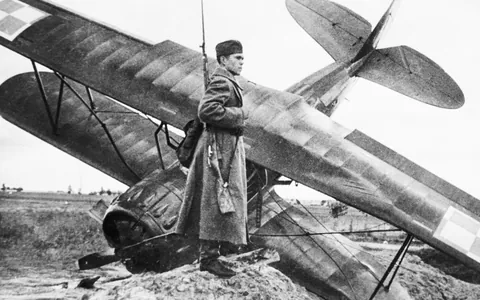
- 1939Soviet invasion of Poland, 1939Soviet Union vs Poland
On 17 September 1939, with Poland still fighting Germany, the Red Army crossed the eastern border under the secret Nazi-Soviet protocol. The invasion, the resistance and the cost.
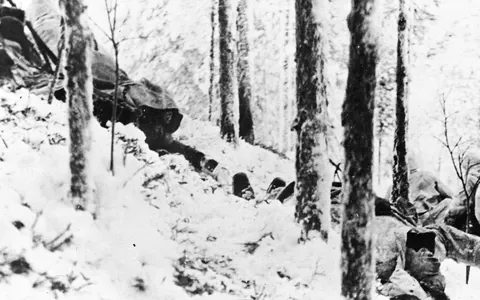
- 1939Battle of Tolvajärvi, 1939Finland vs Soviet Union
On 12 December 1939 Finland's Detachment P attacked a Soviet rifle division at Tolvajärvi just as it was about to attack, and broke it: Finland's first big win of the Winter War.
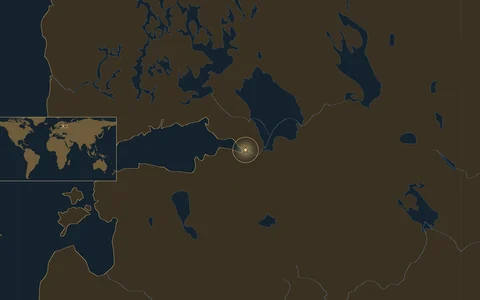
- 1941The Siege of Leningrad, 1941 to 1944Soviet Union vs Germany and Finland
872 days, the 125-gram ration, the Road of Life and Tanya Savicheva's diary.
- 1941
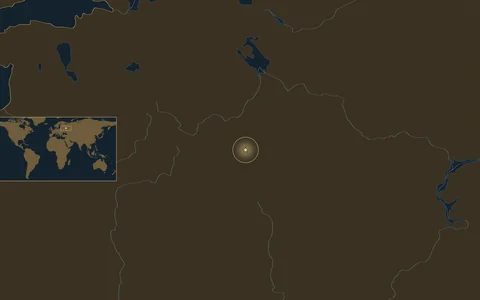
- 1941Siege of Odessa, 1941Romania (4th Army), with German support vs Soviet Union (Coastal Army, Black Sea Fleet)
From August to October 1941 Soviet troops held Odessa, cut off by land and supplied by sea, against Romania's 4th Army, then slipped away by ship.
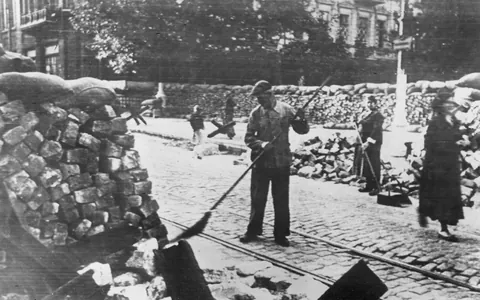
- 1942Barvenkovo-Lozovaya offensive, 1942Soviet Union vs Germany
In January 1942 the Red Army broke through on the Donets near Izyum and drove toward the Dnieper, but the Germans held the shoulders and the gain became the Izyum bulge.
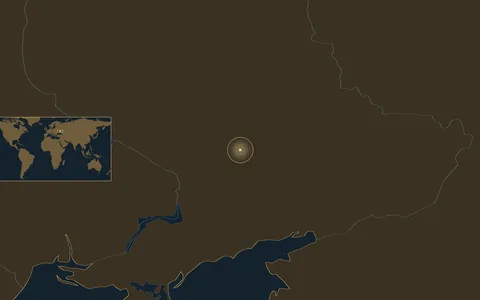
- 1942The Battle of Stalingrad, 1942-1943USSR vs Germany and allies
Five months of street fighting on the Volga, a surprise encirclement, and the surrender that turned the whole war in the East.

- 1942Operation Uranus, 1942Soviet Union vs Germany and Romania
On 19 November 1942 the Red Army struck the Romanian armies on both flanks of Stalingrad. Four days later the German Sixth Army was encircled.
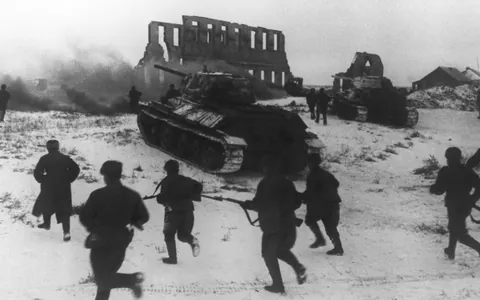
- 1943The Battle of Kursk, 1943USSR vs Germany (Operation Citadel)
Hitler's doomed 1943 gamble and the greatest tank battle of the war, told scene by scene.
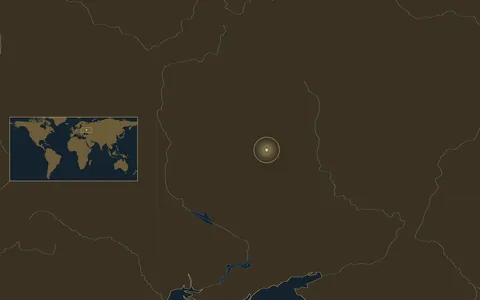
- 1943Battle of Prokhorovka, 1943Soviet Union vs Germany
On 12 July 1943 the Soviet 5th Guards Tank Army attacked the II SS Panzer Corps at Prokhorovka. What really happened and why the legend grew.
- 1943Operation Kutuzov, 1943Soviet Union vs Germany
On 12 July 1943, at the height of Kursk, the Red Army attacked the German bulge around Orel. Five weeks later it had taken Orel and pushed the Germans back.
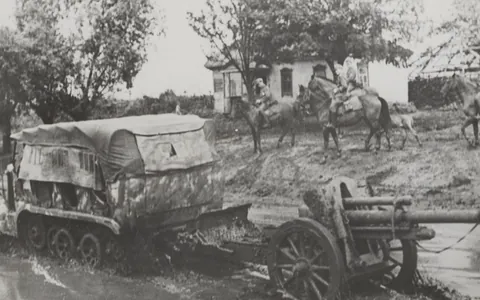
- 1943Donbas offensive, July 1943Soviet Union vs Germany
In July 1943 the Red Army attacked on the Mius and at Izyum. It gained little and was thrown back, but the attack pulled German panzers south from Kursk.
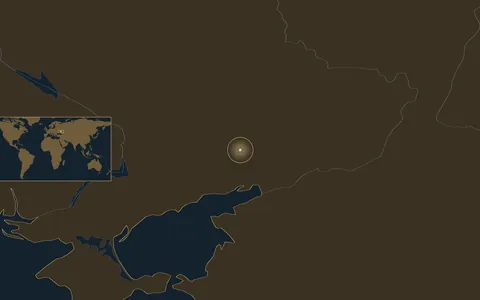
- 1943Smolensk operation, 1943Soviet Union vs Germany
From August to October 1943 two Soviet fronts ground through the forest defenses of Army Group Center and retook Smolensk on 25 September.
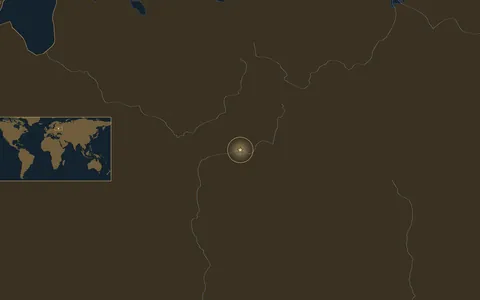
- 1944Leningrad-Novgorod offensive, 1944Soviet Union vs Germany
On 14 January 1944 two Soviet fronts struck from Oranienbaum, Leningrad and Novgorod. Within two weeks the German ring was broken and the 872-day siege was over.
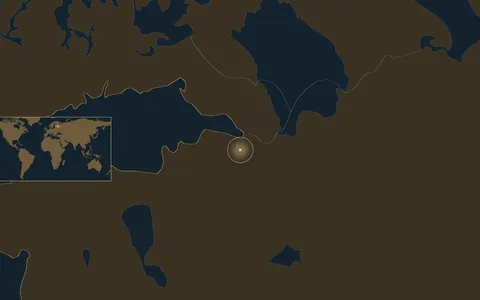
- 1944Crimean offensive, 1944Soviet Union vs Germany and Romania
In April and May 1944 the Red Army broke into the Crimea, drove the German 17th Army into Sevastopol and took the city in three days of assault.
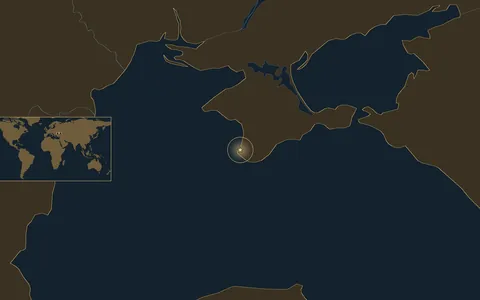
- 1945Operation Konrad III, 1945Germany and Hungary vs Soviet Union
On 18 January 1945 German panzers struck from Lake Balaton to relieve encircled Budapest. They reached the Danube in 27 hours and retook Székesfehérvár, but stalled about 25 km short of the city.
- 1945The Battle of Berlin, 1945USSR vs Nazi Germany
The ferocious final battle for Hitler's capital in 1945, told scene by scene.
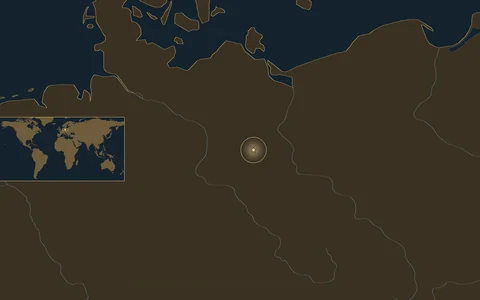
- 1945Battle of the Seelow Heights, 1945Soviet Union and Poland vs Germany
On 16 April 1945 Zhukov's armies attacked the Seelow Heights, the last ridge before Berlin. Searchlights blinded the wrong side, and the breakthrough took four bloody days.
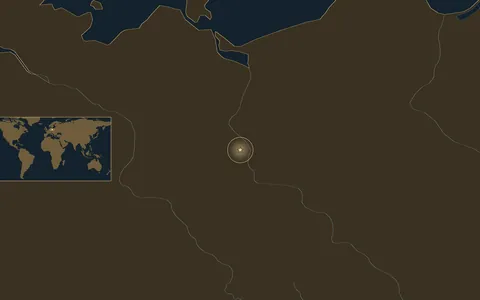
- 1945Battle of Halbe, 1945Soviet Union vs Germany
In late April 1945 the encircled German Ninth Army and thousands of refugees tried to break out through Halbe, south of Berlin. About 40,000 died; 25,000 soldiers reached the Elbe.
Since 1945 1
- 1956Hungarian Revolution of 1956Hungarian revolutionaries (and the Nagy government from 28 October) vs Soviet Union and Hungarian state security (ÁVH)
How a student march on 23 October 1956 became a national revolt, why the Soviets invaded Hungary on 4 November, and how many died in the fighting.
Other 4
- 1920The Battle of Zadwórze, 1920Poland vs Soviet Russia
Young Lwów volunteers stood in the path of Budyonny's cavalry.
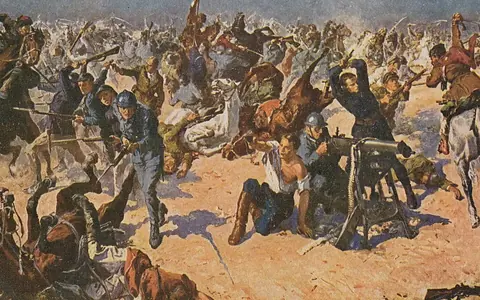
- 1920Battle of Warsaw, 1920Poland vs Soviet Russia
How Poland shattered the advancing Red Army at the gates of Warsaw in 1920, the Miracle on the Vistula.
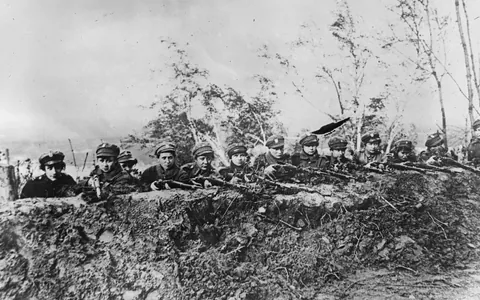
- 1920
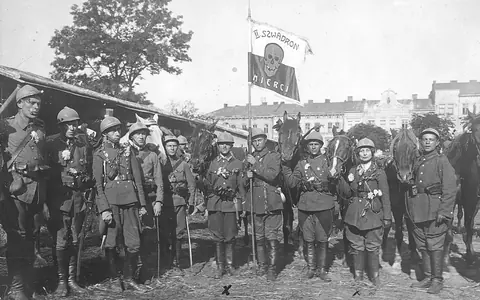
- 1920Battle of the Niemen, 1920Second Polish Republic vs Soviet Russia
In September 1920 Piłsudski's armies broke Tukhachevsky's new front on the Niemen at Grodno and Lida, taking tens of thousands of prisoners and ending the war.
Timeline of Soviet military history
- 1918Lenin and Trotsky found the Red Army; the Civil War begins.41
- 1920
- 192118 March: Treaty of Riga ends the Polish-Soviet War.43
- 192230 December: the USSR is founded.44
- 1939August: Khalkhin Gol and the pact with Germany; 17 September: invasion of Poland; 30 November: invasion of Finland.45
- 1940Katyn massacre; Winter War ends in March; the Baltic states are annexed.46
- 1941
- 1942 to 1943Stalingrad; the Sixth Army surrenders on 2 February 1943.48
- 1943
- 194427 January: the siege of Leningrad ends; June: Operation Bagration.50
- 1945
- 19564 November: Soviet forces crush the Hungarian Revolution.52
- 196820 to 21 August: invasion of Czechoslovakia.53
- 1979 to 1989War in Afghanistan.54
- 1991August coup; 25 December: Gorbachev resigns and the USSR ends.55
Memory and further reading
The war against Germany is still remembered in the former Soviet lands as the Great Patriotic War. For decades the official story played down Western aid and denied the crime of Katyn, whose files Moscow only opened in 1990, and the debate about Lend-Lease continues.56
For the other sides of these wars, see our hubs on the military history of Poland, the military history of Germany and the military history of Japan, and our ranking of the greatest battles of the Eastern Front.
Notes
A number in the text points to a note; each note names the works that paragraph draws on, listed in full under Sources.
- Encyclopedia.com, “Union of Soviet Socialist Republics”; Encyclopedia.com, “Military, Soviet and Post-Soviet”; Paweł Libera, “The Polish-Soviet War of 1920”; U.S. Department of State, “The Collapse of the Soviet Union”. ↩
- Encyclopedia.com, “Union of Soviet Socialist Republics”; Peter Roudik, “Treaty on the Creation of the Soviet Union”. ↩
- Encyclopedia.com, “Military, Soviet and Post-Soviet”; Orlando Figes, “The Red Army and Mass Mobilization during the Russian Civil War 1918-1920”. ↩
- Encyclopedia.com, “Civil War of 1917-1922”; Orlando Figes, “The Red Army and Mass Mobilization during the Russian Civil War 1918-1920”. ↩
- Encyclopedia.com, “Civil War of 1917-1922”; Encyclopedia.com, “Military, Soviet and Post-Soviet”; Orlando Figes, “The Red Army and Mass Mobilization during the Russian Civil War 1918-1920”. ↩
- Paweł Libera, “The Polish-Soviet War of 1920”; Norman Davies, “The Battle of Warsaw, one hundred years on”. ↩
- Paweł Libera, “The Polish-Soviet War of 1920”; Norman Davies, “The Battle of Warsaw, one hundred years on”; European Network Remembrance and Solidarity, “Signing of the Treaty of Riga”. ↩
- Encyclopedia.com, “Zhukov, Georgy (1896-1974)”; EBSCO Research Starters, “Battle of Khalkin-Gol”; Encyclopedia.com, “Military, Soviet and Post-Soviet”. ↩
- United States Holocaust Memorial Museum, “German-Soviet Pact”; U.S. National Archives, “Records Relating to the Katyn Forest Massacre at the National Archives”; Institute of National Remembrance, “The Katyn Massacre”. ↩
- Institute of National Remembrance, “The Katyn Massacre”; Polish History Museum, “The Katyn Massacre”; U.S. National Archives, “Records Relating to the Katyn Forest Massacre at the National Archives”. ↩
- Polish History Museum, “The Katyn Massacre”; Brian Crozier, “Remembering Katyn”; U.S. National Archives, “Records Relating to the Katyn Forest Massacre at the National Archives”. ↩
- United States Holocaust Memorial Museum, “German-Soviet Pact”; Robert Citino, “White Death”. ↩
- Robert Citino, “White Death”; Encyclopedia.com, “Soviet-Finnish War”; WFYI Public Media, Fire and Ice. ↩
- Robert Citino, “White Death”; Encyclopedia.com, “Soviet-Finnish War”. ↩
- Robert Citino, “White Death”; Encyclopedia.com, “Soviet-Finnish War”. ↩
- Robert Citino, “Operation Barbarossa and the Eastern Front”; United States Holocaust Memorial Museum, “Invasion of the Soviet Union, June 1941”; Encyclopedia.com, “Military, Soviet and Post-Soviet”; John Curatola, “Lend-Lease to the Eastern Front”. ↩
- Encyclopedia.com, “Military, Soviet and Post-Soviet”; Robert Citino, “Operation Barbarossa and the Eastern Front”; Robert Citino, “White Death”. ↩
- Jennifer Popowycz, “The 1941 NKVD Prison Massacres in Western Ukraine”; United States Holocaust Memorial Museum, “Soviet Secret Police massacre in Lvov”. ↩
- United States Holocaust Memorial Museum, “Invasion of the Soviet Union, June 1941”; United States Holocaust Memorial Museum, “Nazi Persecution of Soviet Prisoners of War”; The National WWII Museum, “Immeasurable Brutality, the Nazi-Soviet War 1941-1945”. ↩
- Encyclopedia.com, “Moscow, Battle of”; United States Holocaust Memorial Museum, “Invasion of the Soviet Union, June 1941”; Robert Citino, “Operation Barbarossa and the Eastern Front”; Ian Johnson, Origins. ↩
- Keith Huxen, “History Through the Viewfinder (the siege of Leningrad)”; Encyclopedia.com, “Leningrad, Siege of”. ↩
- Ian Johnson, Origins; Imperial War Museums, “What You Need To Know About The Battle Of Stalingrad”; Encyclopedia.com, “Stalingrad, Battle of”. ↩
- Ian Johnson, Origins; Encyclopedia.com, “Stalingrad, Battle of”; Imperial War Museums, “What You Need To Know About The Battle Of Stalingrad”. ↩
- Encyclopedia.com, “Kursk, Battle of”; Ian Johnson, Origins. ↩
- Imperial War Museums, “Operation Bagration”; Encyclopedia.com, “Bagration Operation”; The National WWII Museum, “Immeasurable Brutality, the Nazi-Soviet War 1941-1945”. ↩
- Imperial War Museums, “Battle of Berlin”; Keith Huxen, “Remembering the Battle of Berlin”; Encyclopedia.com, “Zhukov, Georgy (1896-1974)”. ↩
- Imperial War Museums, “Battle of Berlin”; Keith Huxen, “Remembering the Battle of Berlin”; NPR, “Silence Broken On Red Army Rapes In Germany”. ↩
- The National WWII Museum, “The Fate of Japanese POWs in Soviet Captivity”; Encyclopedia.com, “Military, Soviet and Post-Soviet”. ↩
- Encyclopedia.com, “Union of Soviet Socialist Republics”; Keith Huxen, “History Through the Viewfinder (Soviet losses)”. ↩
- John Curatola, “Lend-Lease to the Eastern Front”; Radio Free Europe/Radio Liberty, “'We Would Have Lost': Did U.S. Lend-Lease Aid Tip The Balance In Soviet Fight Against Nazi Germany?”. ↩
- EBSCO Research Starters, “Warsaw Pact”; Encyclopedia.com, “Warsaw Treaty Organization”; Encyclopedia.com, “Military, Soviet and Post-Soviet”. ↩
- U.S. Department of State, “Hungary, 1956”; Malcolm Byrne, “The 1956 Hungarian Revolution”; EBSCO Research Starters, “Soviets Crush Hungarian Uprising”; A. Ross Johnson, “Looking Back at the Cold War”; EBSCO Research Starters, “Warsaw Pact”. ↩
- U.S. Department of State, “Soviet Invasion of Czechoslovakia, 1968”; Encyclopedia.com, “Prague Spring”; A. Ross Johnson, “Looking Back at the Cold War”. ↩
- U.S. Department of State, “The Soviet Invasion of Afghanistan and the U.S. Response, 1978-1980”; Encyclopedia.com (, The Columbia Encyclopedia; Encyclopedia.com, “Union of Soviet Socialist Republics”. ↩
- U.S. Department of State, “The Soviet Invasion of Afghanistan and the U.S. Response, 1978-1980”; Encyclopedia.com, “Military, Soviet and Post-Soviet”; Encyclopedia.com (, The Columbia Encyclopedia; Radio Free Europe/Radio Liberty, “Twenty Years After Pullout, Soviet-Afghan Conflict Still Haunts”. ↩
- Encyclopedia.com (, The Columbia Encyclopedia; Encyclopedia.com, “Military, Soviet and Post-Soviet”; Radio Free Europe/Radio Liberty, “Twenty Years After Pullout, Soviet-Afghan Conflict Still Haunts”. ↩
- U.S. Department of State, “The Collapse of the Soviet Union”; Encyclopedia.com, “Union of Soviet Socialist Republics”; Encyclopedia.com, “Military, Soviet and Post-Soviet”. ↩
- U.S. Department of State, “The Collapse of the Soviet Union”; Encyclopedia.com, “Union of Soviet Socialist Republics”. ↩
- Encyclopedia.com, “Zhukov, Georgy (1896-1974)”; Ian Johnson, Origins; Imperial War Museums, “Battle of Berlin”. ↩
- Ian Johnson, Origins; Encyclopedia.com, “Stalingrad, Battle of”; Imperial War Museums, “Battle of Berlin”; Encyclopedia.com, “Zhukov, Georgy (1896-1974)”; Encyclopedia.com, “Moscow, Battle of”; Encyclopedia.com, “Civil War of 1917-1922”. ↩
- Encyclopedia.com, “Military, Soviet and Post-Soviet”; Orlando Figes, “The Red Army and Mass Mobilization during the Russian Civil War 1918-1920”. ↩
- Norman Davies, “The Battle of Warsaw, one hundred years on”; Encyclopedia.com, “Civil War of 1917-1922”. ↩
- Paweł Libera, “The Polish-Soviet War of 1920”; European Network Remembrance and Solidarity, “Signing of the Treaty of Riga”. ↩
- Peter Roudik, “Treaty on the Creation of the Soviet Union”; Encyclopedia.com, “Union of Soviet Socialist Republics”. ↩
- Encyclopedia.com, “Zhukov, Georgy (1896-1974)”; United States Holocaust Memorial Museum, “German-Soviet Pact”; Robert Citino, “White Death”. ↩
- Institute of National Remembrance, “The Katyn Massacre”; Encyclopedia.com, “Soviet-Finnish War”; United States Holocaust Memorial Museum, “German-Soviet Pact”. ↩
- United States Holocaust Memorial Museum, “Invasion of the Soviet Union, June 1941”; Encyclopedia.com, “Moscow, Battle of”. ↩
- Ian Johnson, Origins; Encyclopedia.com, “Stalingrad, Battle of”. ↩
- Encyclopedia.com, “Kursk, Battle of”; Ian Johnson, Origins. ↩
- Keith Huxen, “History Through the Viewfinder (the siege of Leningrad)”; Imperial War Museums, “Operation Bagration”. ↩
- Imperial War Museums, “Battle of Berlin”; The National WWII Museum, “The Fate of Japanese POWs in Soviet Captivity”. ↩
- U.S. Department of State, “Hungary, 1956”; Malcolm Byrne, “The 1956 Hungarian Revolution”. ↩
- U.S. Department of State, “Soviet Invasion of Czechoslovakia, 1968”; Encyclopedia.com, “Prague Spring”. ↩
- U.S. Department of State, “The Soviet Invasion of Afghanistan and the U.S. Response, 1978-1980”; Encyclopedia.com, “Military, Soviet and Post-Soviet”. ↩
- U.S. Department of State, “The Collapse of the Soviet Union”; Encyclopedia.com, “Union of Soviet Socialist Republics”. ↩
- John Curatola, “Lend-Lease to the Eastern Front”; Encyclopedia.com, “Military, Soviet and Post-Soviet”; Radio Free Europe/Radio Liberty, “'We Would Have Lost': Did U.S. Lend-Lease Aid Tip The Balance In Soviet Fight Against Nazi Germany?”; Brian Crozier, “Remembering Katyn”. ↩
Sources
- Encyclopedia.com (Gale Encyclopedia of World History: Governments; Archie Brown, Encyclopedia of Russian History), “Union of Soviet Socialist Republics”.
- Encyclopedia.com (Gale, Encyclopedia of Russian History), “Military, Soviet and Post-Soviet”.
- Paweł Libera, Institute of National Remembrance (IPN), “The Polish-Soviet War of 1920”.
- U.S. Department of State, Office of the Historian, “The Collapse of the Soviet Union”.
- Peter Roudik, Library of Congress, In Custodia Legis, “Treaty on the Creation of the Soviet Union: Signed, Sealed, and Delivered?”, 2013.
- Orlando Figes, “The Red Army and Mass Mobilization during the Russian Civil War 1918-1920”, Past & Present 129 (1990), pp. 168 to 211.
- Encyclopedia.com (Gale, Encyclopedia of Russian History), “Civil War of 1917-1922”.
- Norman Davies, “The Battle of Warsaw, one hundred years on”, Notes from Poland, 12 August 2020.
- European Network Remembrance and Solidarity, “Signing of the Treaty of Riga”.
- Encyclopedia.com (Gale, Encyclopedia of Russian History), “Zhukov, Georgy (1896-1974)”.
- EBSCO Research Starters, “Battle of Khalkin-Gol”.
- United States Holocaust Memorial Museum, Holocaust Encyclopedia, “German-Soviet Pact”.
- U.S. National Archives, “Records Relating to the Katyn Forest Massacre at the National Archives”.
- Institute of National Remembrance (IPN), “The Katyn Massacre”.
- Polish History Museum (polishhistory.pl), “The Katyn Massacre: Its Chronology, Scale, Victims and Unpunished Perpetrators”.
- Brian Crozier, “Remembering Katyn”, Hoover Digest, Hoover Institution, 2000.
- Robert Citino, The National WWII Museum, “White Death”, 2018.
- Encyclopedia.com (Gale, Encyclopedia of Russian History), “Soviet-Finnish War”.
- WFYI Public Media, Fire and Ice: The Winter War of Finland and Russia, “The Battles: Tolvajärvi”.
- Robert Citino, The National WWII Museum, “Operation Barbarossa and the Eastern Front”, 2021.
- United States Holocaust Memorial Museum, Holocaust Encyclopedia, “Invasion of the Soviet Union, June 1941”.
- John Curatola, The National WWII Museum, “Lend-Lease to the Eastern Front”, 2024.
- Jennifer Popowycz, The National WWII Museum, “The 1941 NKVD Prison Massacres in Western Ukraine”, 2021.
- United States Holocaust Memorial Museum, Holocaust Encyclopedia, “Soviet Secret Police massacre in Lvov”.
- United States Holocaust Memorial Museum, Holocaust Encyclopedia, “Nazi Persecution of Soviet Prisoners of War”.
- The National WWII Museum, “Immeasurable Brutality, the Nazi-Soviet War 1941-1945: An Interview with Jeff Rutherford, PhD”.
- Encyclopedia.com (Gale, Encyclopedia of Russian History), “Moscow, Battle of”.
- Ian Johnson, Origins (Ohio State University and Miami University), “Stalingrad at 75, the Turning Point of World War II in Europe”, 2017.
- Keith Huxen, The National WWII Museum, “History Through the Viewfinder (the siege of Leningrad)”, 2018.
- Encyclopedia.com (Gale, Encyclopedia of Russian History), “Leningrad, Siege of”.
- Imperial War Museums, “What You Need To Know About The Battle Of Stalingrad”.
- Encyclopedia.com (Gale, Encyclopedia of Russian History), “Stalingrad, Battle of”.
- Encyclopedia.com (Gale, Encyclopedia of Russian History), “Kursk, Battle of”.
- Imperial War Museums, “Operation Bagration: The Greatest Military Defeat Of All Time?”.
- Encyclopedia.com (Gale, Encyclopedia of Russian History), “Bagration Operation”.
- Imperial War Museums, “Battle of Berlin”.
- Keith Huxen, The National WWII Museum, “Remembering the Battle of Berlin: The Soviet War Memorial at Tiergarten”, 2020.
- NPR, “Silence Broken On Red Army Rapes In Germany”, 17 July 2009.
- The National WWII Museum, “The Fate of Japanese POWs in Soviet Captivity”.
- Keith Huxen, The National WWII Museum, “History Through the Viewfinder (Soviet losses)”, 2018.
- Radio Free Europe/Radio Liberty, “'We Would Have Lost': Did U.S. Lend-Lease Aid Tip The Balance In Soviet Fight Against Nazi Germany?”.
- EBSCO Research Starters, “Warsaw Pact”.
- Encyclopedia.com (Gale, Encyclopedia of Russian History), “Warsaw Treaty Organization”.
- U.S. Department of State, Office of the Historian, “Hungary, 1956”.
- Malcolm Byrne (ed.), National Security Archive, George Washington University, “The 1956 Hungarian Revolution”, 2002.
- EBSCO Research Starters, “Soviets Crush Hungarian Uprising”.
- A. Ross Johnson, Wilson Center, “Looking Back at the Cold War: 1956”, 2016.
- U.S. Department of State, Office of the Historian, “Soviet Invasion of Czechoslovakia, 1968”.
- Encyclopedia.com (Gale, Encyclopedia of Russian History), “Prague Spring”.
- U.S. Department of State, Office of the Historian, “The Soviet Invasion of Afghanistan and the U.S. Response, 1978-1980”.
- Encyclopedia.com (The Columbia Encyclopedia), “Afghanistan War”.
- Radio Free Europe/Radio Liberty, “Twenty Years After Pullout, Soviet-Afghan Conflict Still Haunts”, 2009.




