

What are the most famous battles in Korean history?
Among the best known are Admiral Yi Sun-sin's sea battles of the Imjin War: Hansan Island (1592), Myeongnyang (1597) and Noryang (1598), where Yi was killed. From the Korean War, the landing at Inchon and the fighting retreat from the Chosin Reservoir, both in 1950, are the most studied.
Korea sits between China and Japan, and its seas and mountains have seen invasions from both directions. This guide follows the battles we tell in full, from the Japanese invasion ordered by Toyotomi Hideyoshi in 1592 to the first year of the Korean War. The first three are the work of one man, so start with the life of Admiral Yi Sun-sin if you want the whole story.
We tell every battle from both sides. Korean and Japanese records of the Imjin War often disagree on the number of ships and the dead, so the full articles give ranges and say who claims what, and they separate the documented record from later legend, such as the iron plating of the famous turtle ships.
The Imjin War, 1592 to 1598
In 1592 Toyotomi Hideyoshi, the ruler of a newly united Japan, sent his armies into Joseon Korea. On land they advanced quickly, but at sea the Joseon navy under Admiral Yi Sun-sin threatened the routes that supplied them. The war ended only after Hideyoshi's death in 1598, with the Japanese withdrawal and Yi's own death at Noryang.
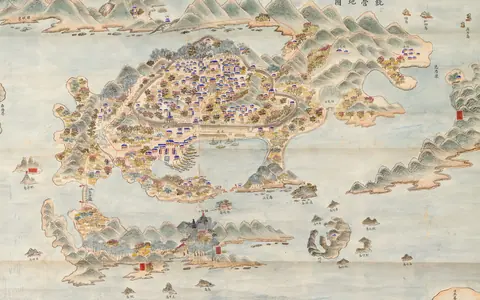
Yi Sun-sin lures Wakisaka Yasuharu's squadron out of a narrow strait and surrounds it in open water in a crane-wing formation.
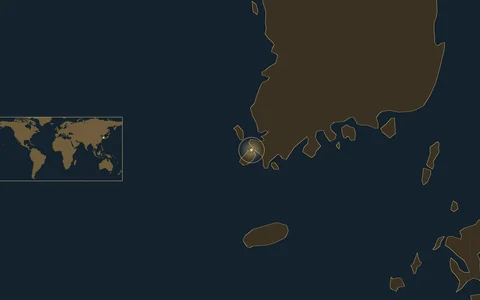
Restored to command after a disaster, Yi holds a fast tidal strait with 13 warships against a far larger Japanese fleet.
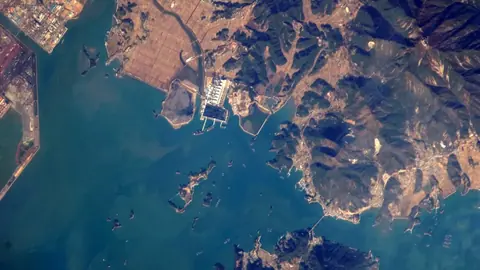
Joseon and Ming fleets attack Shimazu Yoshihiro's fleet in the last great battle of the war; Yi Sun-sin is killed by a bullet.
The Korean War, 1950
Three and a half centuries later the peninsula was at war again, this time divided between North and South. In 1950 a United Nations army under Douglas MacArthur landed at Inchon behind the North Korean front, and later that year Chinese armies surrounded UN troops in the freezing hills around the Chosin Reservoir.
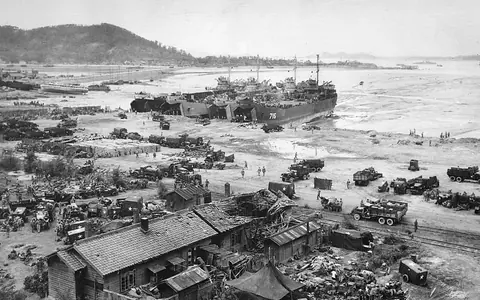
A risky amphibious landing far behind the North Korean army leads to the recapture of Seoul and reverses the course of the war.
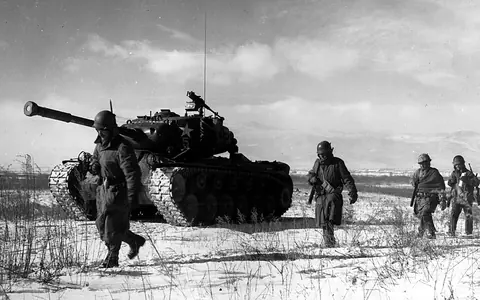
Surrounded in sub-zero cold, the 1st Marine Division fights its way out to Hungnam, while China wins northeastern Korea.
Why is Admiral Yi Sun-sin so famous?
Yi Sun-sin commanded the Joseon navy against Hideyoshi's invasion from 1592 to 1598. His victories at sea threatened Japanese supply routes, he was arrested by his own court in 1597, won again at Myeongnyang after being restored to command, and was killed at Noryang in 1598. Korea remembers him as its best-known national hero.
Victories and defeats alike
This is not a list of one side's triumphs. Myeongnyang was fought with only 13 warships because the rest of the Joseon fleet had been destroyed two months earlier, Noryang let the Japanese army finish its withdrawal, and Chosin was a Chinese strategic victory remembered in the West for a breakout. Japan, China and Korea remember these battles differently, and the articles say how.






