

What was the Imjin War and who won?
The Imjin War (1592 to 1598) began when Toyotomi Hideyoshi's Japan invaded Joseon Korea on the way to Ming China. Korea, helped by a Ming army and Admiral Yi Sun-sin's fleet, held out. Japan failed: its armies withdrew after Hideyoshi died in 1598, having gained no territory, and left Korea devastated.1
The Imjin War is the name for the two Japanese invasions of Joseon Korea ordered by Toyotomi Hideyoshi, the first in 1592 and the second in 1597, and for the six years of fighting that followed. Ming China sent armies and a fleet to help Korea, so the war set the three great states of East Asia against each other. It ended when the Japanese withdrew after Hideyoshi's death in 1598.2
Each country names the war in its own way. In Korea the two invasions are the Imjin and Jeongyu wars, after the names of the years 1592 and 1597 in the traditional calendar; Japanese reference works call them the Bunroku and Keicho campaigns, after the Japanese era names of those years. Our battle guides cover the Battle of Hansan Island (1592), the Battle of Myeongnyang (1597) and the Battle of Noryang (1598), the three sea battles of Admiral Yi Sun-sin; the Japanese side is told in our life of Toyotomi Hideyoshi and in the military history of Japan.3
Causes of the Imjin War
By 1591 Toyotomi Hideyoshi had completed the unification of Japan begun by Oda Nobunaga. His next goal was the conquest of Ming China, a plan known in Japan as kara-iri, the “entry into China”, and Korea was to be the road to it. Britannica and the historian Marc Jason Gilbert both report that his ambitions reached beyond China itself.4
Diplomacy came first. From 1589 Hideyoshi had the lord of Tsushima, So Yoshitoshi, press Joseon to send an embassy, and in 1590 the Korean envoys Hwang Yun-gil and Kim Seong-il were received by Hideyoshi in Japan. He then demanded that Korea let his armies pass to attack the Ming, or guide them there. King Seonjo refused. Korea was a tributary of the Ming, and siding with Japan would have turned China against it.5
Korea was badly prepared. The Encyclopedia of Korean Culture notes that the kingdom's defenses had weakened during the long peace, and Britannica writes that most of the Korean military was not ready to fight when the Japanese came; Admiral Yi Sun-sin's squadron was an exception. Japan, by contrast, had veteran armies hardened by decades of civil war and large numbers of muskets, which the Koreans largely lacked.6
A domestic motive may also have played a part. The historian Sem Vermeersch writes that a foreign campaign would also strain the resources of Hideyoshi's great lords, the daimyo, and keep them from challenging his authority.7
Who fought in the Imjin War
Japan fought under the regime of Toyotomi Hideyoshi. In 1592 he sent about 158,000 to 160,000 soldiers in nine divisions, carried across the strait by a large fleet. Konishi Yukinaga and Kato Kiyomasa led the advance.8
Joseon Korea was ruled by King Seonjo. Its regular army was weak and lost the first battles on land, but its navy, organized in provincial fleets, held the sea, and volunteer forces known as righteous armies rose across the country. One fleet commander, Yi Sun-sin, had taken charge of the Left Jeolla naval command in 1591 and spent the year before the war training his men and preparing his ships.9
Ming China entered the war at Korea's request. King Seonjo appealed to the Wanli emperor for help in 1592; a small vanguard came first, and a main army of about 43,000 men under Li Rusong arrived at the end of the year. In the last year of the war a Ming fleet under Chen Lin joined the Korean navy. The historian Kenneth M. Swope, whose book is the first full-length scholarly study of the war in English and draws above all on Chinese sources, calls the conflict the First Great East Asian War and argues that Wanli took an active part in its direction.10

The first invasion, 1592: from Busan to Pyongyang
The first division, led by So Yoshitoshi and Konishi Yukinaga, landed at Busan in late May 1592 (the fourth month of the lunar calendar). The garrison commander, Jeong Bal, sank his ships in the harbor, drew his men inside the walls and was killed when the fortress was stormed. Britannica's account by Stephen Turnbull and the historian Nam-lin Hur both describe the killing of the defenders and of civilians that followed.11
The Korean land forces lost a series of battles, and the Japanese divisions marched north. King Seonjo left the capital a few days before it fell and withdrew north. Japanese troops entered Hanseong, today's Seoul, within about three weeks of the landing.12
Konishi went on to take Pyongyang in the summer of 1592, while Kato Kiyomasa occupied the northeastern province of Hamgyong. In a few months the invaders held most of the peninsula; what they did not hold was the sea.13

Admiral Yi Sun-sin and the war at sea
From the fifth month of 1592 Yi Sun-sin took his fleet into the waters off Gyeongsang province and defeated Japanese squadrons at Okpo, Dangpo, Danghangpo and, in the summer, at Hansan Island. His victories gave Korea control of the sea and cut off the Japanese army in Korea from supplies and reinforcements coming by water.14
At Hansan Island Yi lured a Japanese fleet of 73 ships out of a narrow strait into open water and attacked it in a curved “crane wing” formation, destroying most of it. The battle broke Japanese naval power off the south coast.15
The two navies fought in different ways. Japanese crews relied on closing in and boarding, with soldiers armed with swords, bows and muskets. Yi kept his distance and used the cannon on his ships to wreck the Japanese vessels before they could come alongside. Gilbert, citing the naval historian Horace Underwood, argues that Yi's real gift lay in these tactics rather than in the design of any one ship.16
In the autumn of 1592 Yi even attacked the main Japanese anchorage at Busan itself.17
Yi's best-known weapon was the turtle ship (geobukseon), a covered warship with spikes on its roof to stop boarders, which first appeared in battle in 1592. Yi did not invent the type: he improved an existing Korean design. Britannica says it is “thought to have been” the first ironclad, while Gilbert doubts it carried true metal armor and warns that praise of Yi often borders on hagiography.18
In 1593 Yi was given command of the fleets of three provinces, in effect the whole Korean navy.19
Righteous armies and the Ming intervention, 1592 to 1593
On land, resistance grew from below. Local gentry, farmers and Buddhist monks formed righteous armies (uibyeong) that fought as guerrillas. The first was raised in Gyeongsang province by Gwak Jae-u, a local nobleman who armed volunteers at his own expense. Together with Korean regular troops they cut the long Japanese supply lines. As their supplies failed, the Japanese took food and labor from the population by force, which deepened Korean hostility; Hur argues that Hideyoshi's anger at Korean resistance drove the violence of his armies.20
The Japanese also met their first setbacks at fortified towns. In 1592 the walled town of Jinju held out against a Japanese siege.21
The first Ming detachment was beaten at Pyongyang in 1592. The main army under Li Rusong, with Korean forces, stormed Pyongyang in the first month of 1593 (8 February in the Western calendar). Pressing on toward Seoul, the Ming army was defeated by the Japanese at Byeokjegwan, north of the capital, and turned to negotiation.22
Weeks later, at the hill fort of Haengju near Seoul, Korean troops under Gwon Yul beat off a large Japanese assault, one of the most celebrated Korean victories of the war. With their supply lines cut and squeezed between the Korean navy, the righteous armies and the Ming, the Japanese left Seoul and fell back to fortified camps on the south coast around Busan.23
One of the war's worst massacres came during this retreat. In the sixth month of 1593 a Japanese army took Jinju, the town that had held out the year before; its commanders died with the garrison, and Hur and Gilbert both describe the mass killing of soldiers and townspeople that followed.24
Peace talks and the second invasion, 1593 to 1598
From 1593 the Ming envoy Shen Weijing and Konishi Yukinaga negotiated, while Korea, which opposed any peace with the invader, was left out of the talks. Hideyoshi demanded a Ming princess in marriage, the reopening of official trade and the cession of four of Korea's eight provinces; the Ming expected Japan's submission as a tributary.25
The terms of the two sides could not be reconciled. In 1596 a Ming embassy reached Japan with a patent naming Hideyoshi “King of Japan”; finding that his demands had been ignored, Hideyoshi ordered the war renewed. The Japanese historian Kitajima Manji writes that Konishi and Shen had falsified the terms reported to each court.26
The second invasion, the Jeongyu War, began early in 1597 with about 140,000 men. Its aim, Kitajima writes, was no longer China but the seizure of Korea's southern provinces. Yi Sun-sin had just been arrested on false charges, after slander by his rival Won Gyun, removed from command and made to serve as a common soldier; his successor Won Gyun lost almost the whole Korean fleet at Chilcheollyang in the summer of 1597 and was killed.27
Restored to command, Yi gathered the ships that had escaped. At Myeongnyang, the strait between Jindo island and the mainland, he met a Japanese fleet of more than 130 warships with 13 ships of his own on the 16th day of the ninth lunar month of 1597, and used the strong tidal current to beat it. The victory stopped the Japanese advance by sea to the west.28
On land the Japanese took Namwon in 1597, but Korean and Ming resistance pinned them to a chain of fortresses along the south coast, among them Ulsan and Suncheon. Japanese reference works describe the campaign as marked by extreme brutality against civilians, including massacres, the cutting of noses as trophies and the carrying off of captives; Hur goes further and analyzes the violence in the south in late 1597 as genocide.29

Hideyoshi died on 18 September 1598, troubled, Britannica and Gilbert both note, by the poor results of the war, and the Japanese began to withdraw. At Noryang, the last battle of the war, in December 1598 a combined Korean and Ming fleet under Yi Sun-sin and the Ming admiral Chen Lin blockaded Konishi Yukinaga's army at Suncheon and intercepted a Japanese relief fleet under Shimazu Yoshihiro in the Noryang strait. Yi was killed by a bullet while pursuing them, and his death was kept from his men until the fighting was over. By the end of the year the last Japanese troops had left Korea.30
Key commanders of the Imjin War
Toyotomi Hideyoshi (died 1598), the unifier of Japan, planned and ordered both invasions. Konishi Yukinaga led the first division to Busan, Seoul and Pyongyang and later carried the peace talks; Kato Kiyomasa campaigned in the northeast in 1592 and held Ulsan in the second invasion. So Yoshitoshi, lord of the island of Tsushima, handled the prewar diplomacy with Korea and led the first landing at Busan.31
Yi Sun-sin (1545 to 1598), born in Seoul, commanded the Korean navy and is remembered in Korea as a national hero. On land, Gwon Yul won at Haengju and Gwak Jae-u led the first righteous army. King Seonjo, who reigned until 1608, sought and received Ming help. Won Gyun, a fleet commander and Yi's rival, replaced him in 1597 and died after the defeat at Chilcheollyang.32
On the Ming side, Li Rusong led the army that retook Pyongyang, Shen Weijing conducted the talks and Chen Lin led the Ming fleet at Noryang. The naval historian Je Jahng-myung calls Noryang the only combined Joseon and Ming operation of the war.33
Who won the Imjin War?
Japan failed in its aims. It conquered neither China nor Korea and withdrew without territory after Hideyoshi's death; Japanese reference works call the invasion a failure. Joseon survived as a state, with Ming help, and its dynasty ruled Korea until 1910.34
No side won cheaply. The war weakened Ming finances, and Vermeersch counts its cost among the factors in the dynasty's later decline. In Japan it hastened the end of the Toyotomi regime: power passed to Tokugawa Ieyasu, who became shogun in 1603. For China, Swope sees the war as a revival of Ming military commitment in Northeast Asia.35
Why did the invasion fail? The sources point to the same chain of causes. Yi Sun-sin's fleet closed the sea lanes, so supplies and reinforcements could not come by water; the righteous armies and regrouped Korean troops cut the overstretched roads inland; and the arrival of the Ming army in 1593 turned the balance of numbers. The Japanese divisions, spread across the peninsula, lost men in every fight. Britannica judges that Japan's forces were entirely inadequate for an undertaking of such magnitude.36

Consequences and memory of the Imjin War
Korea paid the heaviest price. The war left most of the country in ruins: palaces, including Gyeongbokgung in Seoul, and public buildings were burned, archives and cultural treasures lost, and the population fell sharply through killing, famine and disease. Cultivated land shrank to about a third of its prewar extent. Vermeersch writes that recovery took decades.37
Thousands of Koreans were carried off to Japan, among them scholars, printers and potters whose skills shaped Japanese ceramics. Japanese commanders sent home salted noses and ears as proof of their kills; many were buried in the Mimizuka, the “ear mound”, in Kyoto.38
Books and learning crossed the sea the same way. Korean books, among them works of Neo-Confucian philosophy, were carried off to Japan in large numbers, and Korean scholars held captive there passed on what they knew; Vermeersch suggests that this may have shaped the Neo-Confucian learning of Tokugawa Japan.39
Korea and Japan restored normal relations in 1609, by a treaty concluded once the Tokugawa regime had taken power in Japan.40
The war was followed by a period of instability in the region and by the rise of the Manchus, who invaded Korea and in 1644 founded the Qing dynasty in China.41
Yi Sun-sin was given the posthumous title Chungmu and is honored in Korea as a national hero. The Aftermath research project, led by the historian Rebekah Clements, notes that museums and the school curriculum keep the war alive in Korea, but that it is not part of standard narratives of the early modern world.42

Major battles of the Imjin War
Below, in date order, are our articles on the battles of this war.
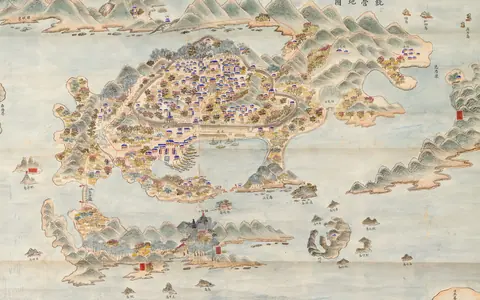
- 1592Battle of Hansan Island, 1592Joseon Korea vs Japan (Toyotomi regime)
In August 1592 Admiral Yi Sun-sin lured a Japanese squadron out of a narrow strait near Tongyeong and destroyed it off Hansan Island in a crane-wing formation.
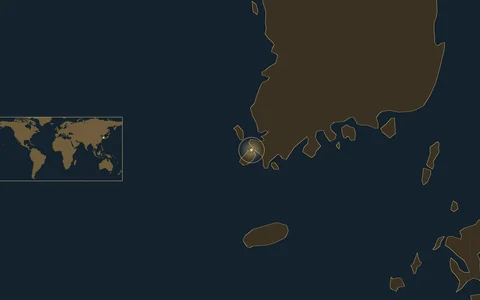
- 1597Battle of Myeongnyang, 1597Joseon Korea vs Japan (Toyotomi regime)
In 1597 Admiral Yi Sun-sin, freshly released from prison, held the Myeongnyang strait with 13 ships against a far larger Japanese fleet. What really happened?
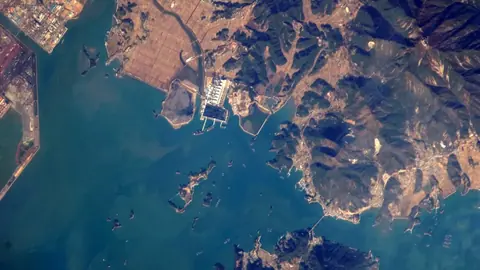
- 1598Battle of Noryang, 1598Joseon Korea and Ming China vs Japan (Toyotomi regime)
In December 1598 Joseon and Ming fleets under Yi Sun-sin and Chen Lin fought Japan's fleet in the Noryang strait. Yi fell, and the Imjin War came to an end.
Timeline of the Imjin War
- 1589 to 1590So Yoshitoshi presses Joseon to send an embassy; the Korean envoys meet Hideyoshi in Japan.43
- 1592Late May: the Japanese land at Busan; within about three weeks they take Seoul; summer: Pyongyang falls; Yi Sun-sin wins at Okpo and Hansan Island; Jinju holds out.44
- 15938 February: Ming and Korean forces retake Pyongyang; the Ming are beaten at Byeokjegwan; Gwon Yul holds Haengju; the Japanese fall back to the south coast and take Jinju.45
- 1593 to 1596Peace talks between Konishi Yukinaga and Shen Weijing; in 1596 a Ming embassy names Hideyoshi “King of Japan” and he orders a new invasion.46
- 1597The second invasion begins; Yi Sun-sin is arrested; the Korean fleet is destroyed at Chilcheollyang; Yi wins at Myeongnyang.47
- 159818 September: Hideyoshi dies; December: the Battle of Noryang, where Yi Sun-sin is killed; the last Japanese troops leave Korea.48
Where to read next
The war is one chapter of the military history of Japan and of our guide to the battles of Korea. For the commanders, read our lives of Yi Sun-sin and Toyotomi Hideyoshi and the greatest commanders of feudal Japan; for a later war on the same peninsula, the Korean War.
Notes
A number in the text points to a note; each note names the works that paragraph draws on, listed in full under Sources.
- Encyclopedia of Korean Culture, “Imjin waeran (Imjin War)”; Sem Vermeersch, “Japan Invades Korea”; Encyclopaedia Britannica, “Korea”; Kotobank: Nipponica and Heibonsha World Encyclopedia, “Bunroku-Keicho no eki (the Bunroku and Keicho campaigns)”. ↩
- Encyclopedia of Korean Culture, “Imjin waeran (Imjin War)”; Sem Vermeersch, “Japan Invades Korea”; Encyclopaedia Britannica, “Korea”. ↩
- Encyclopedia of Korean Culture, “Imjin waeran (Imjin War)”; Kotobank: Nipponica and Heibonsha World Encyclopedia, “Bunroku-Keicho no eki (the Bunroku and Keicho campaigns)”; Kotobank: Nipponica, “Mimizuka (the ear mound)”; Encyclopedia of Korean Culture, “Hansando daecheop (the great victory of Hansan Island)”; Encyclopedia of Korean Culture, “Myeongnyang daecheop (the great victory of Myeongnyang)”; Encyclopedia of Korean Culture, “Noryang haejeon (Battle of Noryang)”; Encyclopaedia Britannica, “Yi Sun-shin”. ↩
- Stephen Turnbull, “Siege of Busanjin”; Encyclopaedia Britannica, “Toyotomi Hideyoshi”; Kotobank: Nipponica and Heibonsha World Encyclopedia, “Bunroku-Keicho no eki (the Bunroku and Keicho campaigns)”; Marc Jason Gilbert, “Admiral Yi Sun-Shin, the Turtle Ships, and Modern Asian History”. ↩
- Kotobank: Nipponica and Heibonsha World Encyclopedia, “Bunroku-Keicho no eki (the Bunroku and Keicho campaigns)”; Encyclopedia of Korean Culture, “Imjin waeran (Imjin War)”; Sem Vermeersch, “Japan Invades Korea”; Marc Jason Gilbert, “Admiral Yi Sun-Shin, the Turtle Ships, and Modern Asian History”. ↩
- Encyclopedia of Korean Culture, “Imjin waeran (Imjin War)”; Encyclopaedia Britannica, “Yi Sun-shin”; Kotobank: Nipponica and Heibonsha World Encyclopedia, “Bunroku-Keicho no eki (the Bunroku and Keicho campaigns)”; Marc Jason Gilbert, “Admiral Yi Sun-Shin, the Turtle Ships, and Modern Asian History”. ↩
- Sem Vermeersch, “Japan Invades Korea”. ↩
- Encyclopedia of Korean Culture, “Imjin waeran (Imjin War)”; Kotobank: Nipponica and Heibonsha World Encyclopedia, “Bunroku-Keicho no eki (the Bunroku and Keicho campaigns)”; Sem Vermeersch, “Japan Invades Korea”; Marc Jason Gilbert, “Admiral Yi Sun-Shin, the Turtle Ships, and Modern Asian History”. ↩
- Encyclopaedia Britannica, “Korea”; Kotobank: Nipponica and Heibonsha World Encyclopedia, “Bunroku-Keicho no eki (the Bunroku and Keicho campaigns)”; Encyclopedia of Korean Culture, “Imjin waeran (Imjin War)”; Encyclopaedia Britannica, “Yi Sun-shin”; Marc Jason Gilbert, “Admiral Yi Sun-Shin, the Turtle Ships, and Modern Asian History”; Kotobank: Nipponica and Heibonsha World Encyclopedia, “Ri Shunshin (Yi Sun-sin)”. ↩
- University of Oklahoma Press, “A Dragon's Head and a Serpent's Tail”; Kotobank: Nipponica and Heibonsha World Encyclopedia, “Bunroku-Keicho no eki (the Bunroku and Keicho campaigns)”; Encyclopedia of Korean Culture, “Imjin waeran (Imjin War)”; Encyclopedia of Korean Culture, “Noryang haejeon (Battle of Noryang)”; Je Jahng-myung, “A Study on the Sea Battle of Noryang and the Circumstances around Yi Sun-sin's Death”. ↩
- Stephen Turnbull, “Siege of Busanjin”; Sem Vermeersch, “Japan Invades Korea”; Kotobank: Nipponica and Heibonsha World Encyclopedia, “Bunroku-Keicho no eki (the Bunroku and Keicho campaigns)”; Encyclopedia of Korean Culture, “Imjin waeran (Imjin War)”; Nam-lin Hur, “Atrocity and Genocide in Japan's Invasion of Korea, 1592-1598”. ↩
- Encyclopaedia Britannica, “Korea”; Sem Vermeersch, “Japan Invades Korea”; Encyclopedia of Korean Culture, “Imjin waeran (Imjin War)”; Marc Jason Gilbert, “Admiral Yi Sun-Shin, the Turtle Ships, and Modern Asian History”. ↩
- Sem Vermeersch, “Japan Invades Korea”; Encyclopedia of Korean Culture, “Imjin waeran (Imjin War)”; Kotobank: Nipponica and Heibonsha World Encyclopedia, “Bunroku-Keicho no eki (the Bunroku and Keicho campaigns)”. ↩
- Encyclopedia of Korean Culture, “Imjin waeran (Imjin War)”; Kotobank: Nipponica and Heibonsha World Encyclopedia, “Ri Shunshin (Yi Sun-sin)”; Encyclopaedia Britannica, “Yi Sun-shin”; Marc Jason Gilbert, “Admiral Yi Sun-Shin, the Turtle Ships, and Modern Asian History”. ↩
- Encyclopedia of Korean Culture, “Hansando daecheop (the great victory of Hansan Island)”; Marc Jason Gilbert, “Admiral Yi Sun-Shin, the Turtle Ships, and Modern Asian History”. ↩
- Marc Jason Gilbert, “Admiral Yi Sun-Shin, the Turtle Ships, and Modern Asian History”; Kotobank: Nipponica and Heibonsha World Encyclopedia, “Ri Shunshin (Yi Sun-sin)”. ↩
- Encyclopedia of Korean Culture, “Imjin waeran (Imjin War)”; Kotobank: Nipponica and Heibonsha World Encyclopedia, “Ri Shunshin (Yi Sun-sin)”. ↩
- Encyclopaedia Britannica, “Yi Sun-shin”; Marc Jason Gilbert, “Admiral Yi Sun-Shin, the Turtle Ships, and Modern Asian History”; Kotobank: Nipponica and Heibonsha World Encyclopedia, “Bunroku-Keicho no eki (the Bunroku and Keicho campaigns)”; Kotobank: Nipponica and Heibonsha World Encyclopedia, “Ri Shunshin (Yi Sun-sin)”. ↩
- Encyclopaedia Britannica, “Yi Sun-shin”; Kotobank: Nipponica and Heibonsha World Encyclopedia, “Ri Shunshin (Yi Sun-sin)”. ↩
- Encyclopedia of Korean Culture, “Imjin waeran (Imjin War)”; Kotobank: Nipponica, “Kaku Saiyu (Gwak Jae-u)”; Kotobank: Nipponica and Heibonsha World Encyclopedia, “Bunroku-Keicho no eki (the Bunroku and Keicho campaigns)”; Encyclopaedia Britannica, “Korea”; Nam-lin Hur, “Atrocity and Genocide in Japan's Invasion of Korea, 1592-1598”. ↩
- Encyclopedia of Korean Culture, “Imjin waeran (Imjin War)”; Marc Jason Gilbert, “Admiral Yi Sun-Shin, the Turtle Ships, and Modern Asian History”. ↩
- Encyclopedia of Korean Culture, “Imjin waeran (Imjin War)”; Kotobank: Nipponica and Heibonsha World Encyclopedia, “Bunroku-Keicho no eki (the Bunroku and Keicho campaigns)”; Sem Vermeersch, “Japan Invades Korea”. ↩
- Encyclopedia of Korean Culture, “Imjin waeran (Imjin War)”; Kotobank: Nipponica and Heibonsha World Encyclopedia, “Bunroku-Keicho no eki (the Bunroku and Keicho campaigns)”; Gyeonggi Provincial Government, “Haengjusanseong Fortress”; Sem Vermeersch, “Japan Invades Korea”. ↩
- Encyclopedia of Korean Culture, “Imjin waeran (Imjin War)”; Marc Jason Gilbert, “Admiral Yi Sun-Shin, the Turtle Ships, and Modern Asian History”; Nam-lin Hur, “Atrocity and Genocide in Japan's Invasion of Korea, 1592-1598”. ↩
- Encyclopedia of Korean Culture, “Imjin waeran (Imjin War)”; Kotobank: Nipponica and Heibonsha World Encyclopedia, “Bunroku-Keicho no eki (the Bunroku and Keicho campaigns)”; Sem Vermeersch, “Japan Invades Korea”. ↩
- Kotobank: Nipponica and Heibonsha World Encyclopedia, “Bunroku-Keicho no eki (the Bunroku and Keicho campaigns)”; Encyclopedia of Korean Culture, “Imjin waeran (Imjin War)”; Sem Vermeersch, “Japan Invades Korea”. ↩
- Encyclopedia of Korean Culture, “Imjin waeran (Imjin War)”; Kotobank: Nipponica and Heibonsha World Encyclopedia, “Bunroku-Keicho no eki (the Bunroku and Keicho campaigns)”; Marc Jason Gilbert, “Admiral Yi Sun-Shin, the Turtle Ships, and Modern Asian History”; Encyclopaedia Britannica, “Yi Sun-shin”; Kotobank: Nipponica and Heibonsha World Encyclopedia, “Ri Shunshin (Yi Sun-sin)”. ↩
- Encyclopedia of Korean Culture, “Myeongnyang daecheop (the great victory of Myeongnyang)”; Korean Studies Quarterly 25, “Admiral Yi Sun-Sin's Naval Battle at Myongryang”; Kotobank: Nipponica and Heibonsha World Encyclopedia, “Ri Shunshin (Yi Sun-sin)”. ↩
- Kotobank: Nipponica and Heibonsha World Encyclopedia, “Bunroku-Keicho no eki (the Bunroku and Keicho campaigns)”; Encyclopedia of Korean Culture, “Imjin waeran (Imjin War)”; Encyclopedia of Korean Culture, “Noryang haejeon (Battle of Noryang)”; Nam-lin Hur, “Atrocity and Genocide in Japan's Invasion of Korea, 1592-1598”. ↩
- Encyclopaedia Britannica, “Toyotomi Hideyoshi”; Marc Jason Gilbert, “Admiral Yi Sun-Shin, the Turtle Ships, and Modern Asian History”; Sem Vermeersch, “Japan Invades Korea”; Encyclopedia of Korean Culture, “Noryang haejeon (Battle of Noryang)”; Kotobank: Nipponica and Heibonsha World Encyclopedia, “Ri Shunshin (Yi Sun-sin)”; Je Jahng-myung, “A Study on the Sea Battle of Noryang and the Circumstances around Yi Sun-sin's Death”; Encyclopaedia Britannica, “Yi Sun-shin”; Kotobank: Nipponica and Heibonsha World Encyclopedia, “Bunroku-Keicho no eki (the Bunroku and Keicho campaigns)”. ↩
- Encyclopaedia Britannica, “Toyotomi Hideyoshi”; Kotobank: Nipponica and Heibonsha World Encyclopedia, “Bunroku-Keicho no eki (the Bunroku and Keicho campaigns)”; Sem Vermeersch, “Japan Invades Korea”; Marc Jason Gilbert, “Admiral Yi Sun-Shin, the Turtle Ships, and Modern Asian History”; Stephen Turnbull, “Siege of Busanjin”. ↩
- Encyclopaedia Britannica, “Yi Sun-shin”; Marc Jason Gilbert, “Admiral Yi Sun-Shin, the Turtle Ships, and Modern Asian History”; Encyclopedia of Korean Culture, “Imjin waeran (Imjin War)”; Kotobank: Nipponica, “Kaku Saiyu (Gwak Jae-u)”; Gyeonggi Provincial Government, “Haengjusanseong Fortress”; Sem Vermeersch, “Japan Invades Korea”; Kotobank: Nipponica and Heibonsha World Encyclopedia, “Ri Shunshin (Yi Sun-sin)”. ↩
- Encyclopedia of Korean Culture, “Imjin waeran (Imjin War)”; Kotobank: Nipponica and Heibonsha World Encyclopedia, “Bunroku-Keicho no eki (the Bunroku and Keicho campaigns)”; Encyclopedia of Korean Culture, “Noryang haejeon (Battle of Noryang)”; Je Jahng-myung, “A Study on the Sea Battle of Noryang and the Circumstances around Yi Sun-sin's Death”. ↩
- Kotobank: Nipponica and Heibonsha World Encyclopedia, “Bunroku-Keicho no eki (the Bunroku and Keicho campaigns)”; Sem Vermeersch, “Japan Invades Korea”; Encyclopaedia Britannica, “Korea”; Encyclopaedia Britannica, “Toyotomi Hideyoshi”. ↩
- Encyclopedia of Korean Culture, “Imjin waeran (Imjin War)”; Sem Vermeersch, “Japan Invades Korea”; Kotobank: Nipponica and Heibonsha World Encyclopedia, “Bunroku-Keicho no eki (the Bunroku and Keicho campaigns)”; Encyclopaedia Britannica, “Toyotomi Hideyoshi”; University of Oklahoma Press, “A Dragon's Head and a Serpent's Tail”. ↩
- Encyclopaedia Britannica, “Yi Sun-shin”; Marc Jason Gilbert, “Admiral Yi Sun-Shin, the Turtle Ships, and Modern Asian History”; Kotobank: Nipponica and Heibonsha World Encyclopedia, “Bunroku-Keicho no eki (the Bunroku and Keicho campaigns)”; Encyclopedia of Korean Culture, “Imjin waeran (Imjin War)”; Encyclopaedia Britannica, “Toyotomi Hideyoshi”. ↩
- Encyclopaedia Britannica, “Korea”; Kotobank: Nipponica and Heibonsha World Encyclopedia, “Bunroku-Keicho no eki (the Bunroku and Keicho campaigns)”; Encyclopedia of Korean Culture, “Imjin waeran (Imjin War)”; Sem Vermeersch, “Japan Invades Korea”. ↩
- Marc Jason Gilbert, “Admiral Yi Sun-Shin, the Turtle Ships, and Modern Asian History”; Encyclopaedia Britannica, “Korea”; Kotobank: Nipponica and Heibonsha World Encyclopedia, “Bunroku-Keicho no eki (the Bunroku and Keicho campaigns)”; Kotobank: Nipponica, “Mimizuka (the ear mound)”; Sem Vermeersch, “Japan Invades Korea”. ↩
- Kotobank: Nipponica and Heibonsha World Encyclopedia, “Bunroku-Keicho no eki (the Bunroku and Keicho campaigns)”; Sem Vermeersch, “Japan Invades Korea”. ↩
- Sem Vermeersch, “Japan Invades Korea”; Kotobank: Nipponica and Heibonsha World Encyclopedia, “Bunroku-Keicho no eki (the Bunroku and Keicho campaigns)”. ↩
- Encyclopaedia Britannica, “Korea”; Aftermath of the East Asian War of 1592-1598, “About the project”. ↩
- Encyclopaedia Britannica, “Yi Sun-shin”; Kotobank: Nipponica and Heibonsha World Encyclopedia, “Ri Shunshin (Yi Sun-sin)”; Marc Jason Gilbert, “Admiral Yi Sun-Shin, the Turtle Ships, and Modern Asian History”; Aftermath of the East Asian War of 1592-1598, “About the project”. ↩
- Kotobank: Nipponica and Heibonsha World Encyclopedia, “Bunroku-Keicho no eki (the Bunroku and Keicho campaigns)”; Encyclopedia of Korean Culture, “Imjin waeran (Imjin War)”. ↩
- Stephen Turnbull, “Siege of Busanjin”; Sem Vermeersch, “Japan Invades Korea”; Encyclopedia of Korean Culture, “Imjin waeran (Imjin War)”; Kotobank: Nipponica and Heibonsha World Encyclopedia, “Ri Shunshin (Yi Sun-sin)”. ↩
- Sem Vermeersch, “Japan Invades Korea”; Encyclopedia of Korean Culture, “Imjin waeran (Imjin War)”; Kotobank: Nipponica and Heibonsha World Encyclopedia, “Bunroku-Keicho no eki (the Bunroku and Keicho campaigns)”. ↩
- Kotobank: Nipponica and Heibonsha World Encyclopedia, “Bunroku-Keicho no eki (the Bunroku and Keicho campaigns)”; Encyclopedia of Korean Culture, “Imjin waeran (Imjin War)”; Sem Vermeersch, “Japan Invades Korea”. ↩
- Encyclopedia of Korean Culture, “Imjin waeran (Imjin War)”; Encyclopaedia Britannica, “Yi Sun-shin”; Encyclopedia of Korean Culture, “Myeongnyang daecheop (the great victory of Myeongnyang)”; Korean Studies Quarterly 25, “Admiral Yi Sun-Sin's Naval Battle at Myongryang”. ↩
- Encyclopaedia Britannica, “Toyotomi Hideyoshi”; Encyclopaedia Britannica, “Yi Sun-shin”; Encyclopedia of Korean Culture, “Noryang haejeon (Battle of Noryang)”; Sem Vermeersch, “Japan Invades Korea”. ↩
Sources
- Encyclopedia of Korean Culture, Academy of Korean Studies (Lee Jang-hee), “Imjin waeran (Imjin War)” (in Korean).
- Sem Vermeersch, EBSCO Research Starters, 2022, “Japan Invades Korea”.
- Encyclopaedia Britannica, “Korea: Korea since c. 1400”.
- Kotobank: Nipponica (Shogakukan, Kitajima Manji) and Heibonsha World Encyclopedia (Miki Seiichiro, Yazawa Kosuke), “Bunroku-Keicho no eki (the Bunroku and Keicho campaigns)” (in Japanese).
- Kotobank: Nipponica (Shogakukan), Heibonsha Mypedia and Yamakawa Nihonshi Shojiten, “Mimizuka (the ear mound)” (in Japanese).
- Encyclopedia of Korean Culture, Academy of Korean Studies (Jo Seong-do), “Hansando daecheop (the great victory of Hansan Island)” (in Korean).
- Encyclopedia of Korean Culture, Academy of Korean Studies (Jo Seong-do), “Myeongnyang daecheop (the great victory of Myeongnyang)” (in Korean).
- Encyclopedia of Korean Culture, Academy of Korean Studies (Jo Seong-do), “Noryang haejeon (Battle of Noryang)” (in Korean).
- Encyclopaedia Britannica, “Yi Sun-shin”.
- Stephen Turnbull, Encyclopaedia Britannica, “Siege of Busanjin”.
- Encyclopaedia Britannica, “Toyotomi Hideyoshi”.
- Marc Jason Gilbert, Education About Asia 12, no. 1 (Association for Asian Studies, 2007), “Admiral Yi Sun-Shin, the Turtle Ships, and Modern Asian History”.
- Kotobank: Nipponica (Shogakukan, Kasuya Ken'ichi) and Heibonsha World Encyclopedia (Yazawa Kosuke), “Ri Shunshin (Yi Sun-sin)” (in Japanese).
- University of Oklahoma Press, on Kenneth M. Swope's book, “A Dragon's Head and a Serpent's Tail: Ming China and the First Great East Asian War, 1592-1598”.
- Je Jahng-myung, Military History 78 (Military History Institute, Ministry of National Defense, 2011), “A Study on the Sea Battle of Noryang and the Circumstances around Yi Sun-sin's Death”.
- Nam-lin Hur, in The Cambridge World History of Genocide, vol. 2 (Cambridge University Press, 2023), “Atrocity and Genocide in Japan's Invasion of Korea, 1592-1598”.
- Kotobank: Nipponica (Shogakukan, Yazawa Kosuke), “Kaku Saiyu (Gwak Jae-u)” (in Japanese).
- Gyeonggi Provincial Government, “Haengjusanseong Fortress”.
- Korean Studies Quarterly 25, no. 3 (2002), pp. 115 to 153, “Admiral Yi Sun-Sin's Naval Battle at Myongryang”.
- Aftermath of the East Asian War of 1592-1598, ERC project led by Rebekah Clements (Autonomous University of Barcelona and University of Oxford), “About the project”.






