

What is the military history of the United States?
It is the story of the wars fought by the Thirteen Colonies, by the United States from 1776, by the Republic of Texas and by the Confederacy, from the French and Indian War of 1754 to the fall of Saigon in 1975. Defeats such as Long Island and Bataan belong to it as much as Saratoga, Gettysburg and Midway.2
The United States was born in a war and grew through many more. Its colonial militias fought for the British Crown against France, its Continental Army won independence with French, Spanish and Dutch help, and its armies took half of Mexico, fought the Native nations of the West and then each other in the Civil War. From 1898 the country fought overseas, and by 1945 it was a world power. This page follows the story era by era, links the battles we cover and gives defeats and victories the same weight.3
What the United States means here
Four polities count for this page, each as the state of its own time. The Thirteen Colonies were British colonies whose insurrection, begun in 1775, created the independent United States. The Republic of Texas broke away from Mexico in 1836 and was annexed in 1845. The Confederate States of America was formed by eleven Southern slave states that seceded in 1860 and 1861 and was defeated in 1865.4
Many of the opponents were nations in their own right: France and Spain, Great Britain in two wars, Mexico, and the Native nations whose lands the United States took. Their side of the story, from Tecumseh's alliance to the Lakota at the Little Bighorn, is part of this history too.5

Colonial wars and the French and Indian War
The French and Indian War was the North American part of the Seven Years' War between Britain and France. It began in 1754, when colonial troops under Lieutenant Colonel George Washington tried to drive the French from the Ohio country and were outnumbered and beaten. By the Treaty of Paris of 1763 Britain won all French territory east of the Mississippi. Our articles on Jumonville Glen and Fort Carillon follow two of its battles.6
Victory left Britain with a debt and a frontier to guard. The new taxes and laws that London imposed on the colonies to pay for their defense, from the Stamp Act of 1765 to the Intolerable Acts of 1774, drove many colonists toward rebellion.7
How the Americans won the Revolutionary War, 1775 to 1783
Fighting began at Lexington and Concord on 19 April 1775 and went on at Bunker Hill on 17 June. The Second Continental Congress made George Washington commander in chief, and on 3 July he took command of the army outside Boston. Independence was declared on 4 July 1776.8
The war was also a civil war. Britain hired about 30,000 German soldiers, the Hessians, and had help from loyalists and from Native nations, while about 7,000 African Americans served on the Continental side. The first campaigns went badly: Washington was beaten at Long Island in August 1776, where the Americans lost about 2,200 men, and was driven out of New York. On Christmas night he crossed the Delaware and took nearly 1,000 prisoners at Trenton, then beat British reinforcements at Princeton. In 1777 he lost at Brandywine and the British took Philadelphia; his attack at Germantown did not win it back.9
The turn came at Saratoga, where General John Burgoyne surrendered his army on 17 October 1777. France joined the war in 1778 and Spain in 1779, and the Dutch Republic, at war with Britain on its own account, gave money and recognition. The war became a world war, fought at sea, in the Caribbean, in Europe and as far away as India.10
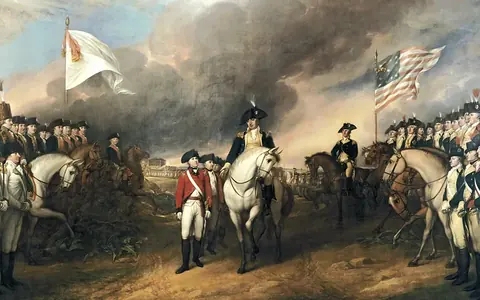
In the South, British and loyalist forces were badly beaten at Kings Mountain in 1780 and Cowpens in 1781, and Cornwallis won only a costly victory at Guilford Courthouse. At Yorktown American and French armies under Washington and Rochambeau besieged him while the French navy cut him off from the sea, and he surrendered more than 7,000 men on 19 October 1781. Yorktown was a Franco-American victory. The Treaty of Paris of 3 September 1783 ended the war.11

The price is uncertain. The American Battlefield Trust estimates that about 6,800 Americans were killed in action and about 231,000 men served in the Continental Army over the war, though never more than 48,000 at a time. Britannica gives 231,771 for the Continental Army. Our ranking of the greatest battles of the American Revolution and the story of the Polish heroes of the Revolution go deeper.12
The early republic and the War of 1812
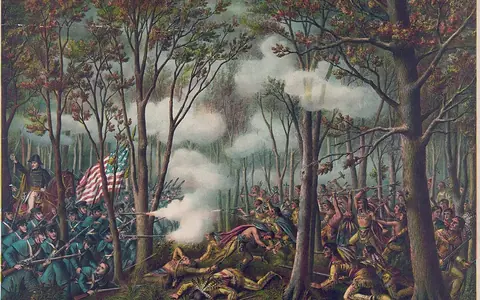
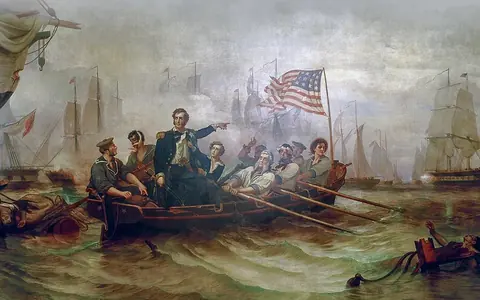
The young republic went to war with Britain again in 1812 over the impressment of American sailors, British aid to Native nations on the frontier and its own drive to expand westward. The pan-Indian alliance of the Shawnee leader Tecumseh fought on the British side until he fell at the Thames in October 1813, a month after the American naval victory on Lake Erie; our Tippecanoe article covers an earlier clash with his movement.13
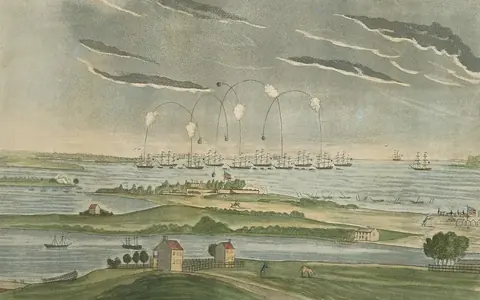
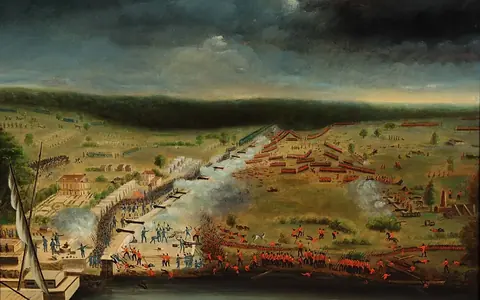
British troops captured Washington and burned the White House, but in September 1814 the defense of Fort McHenry at Baltimore inspired Francis Scott Key's words to the national anthem. The Treaty of Ghent, signed on 24 December 1814, restored the prewar borders; Andrew Jackson's victory at New Orleans on 8 January 1815 came before the news of peace reached America. The VA counts 2,260 American battle deaths in the war.14
Texas and the war with Mexico
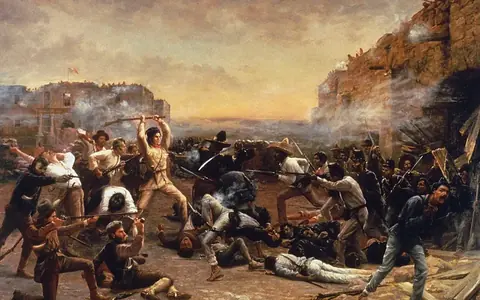
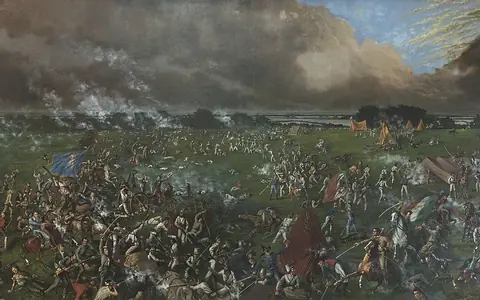
The Texas Revolution of October 1835 to April 1836 set American settlers in Mexican Texas, joined by Tejanos of Mexican descent, against the government of Antonio López de Santa Anna. Santa Anna stormed the Alamo on 6 March 1836, but at San Jacinto on 21 April Sam Houston's army routed his force in about eighteen minutes, and his capture the next day made Texas independent in fact.15
The Republic of Texas legalized slavery in its constitution, and President Mirabeau Lamar drove the Cherokees out of Texas by force. The United States admitted Texas as a slave state on 29 December 1845.16
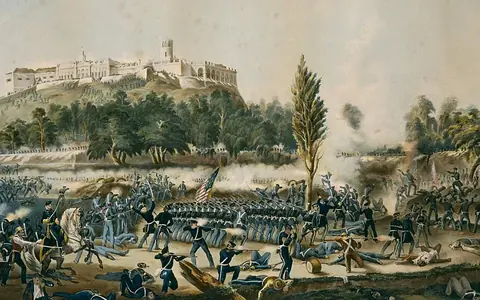
Annexation led straight to war with Mexico, which held that Texas ended at the Nueces River, not the Rio Grande. Many Americans at the time, Whigs among them, called the war a land grab. Winfield Scott's army took Mexico City in September 1847 after storming Chapultepec, and by the Treaty of Guadalupe Hidalgo of 1848 Mexico ceded about 55 percent of its territory, more than 500,000 square miles.17
Wars against the Native nations
For most of the 19th century the army fought the Native nations of the West as settlers moved onto their lands. The VA estimates that about 106,000 Americans served in these wars and some 1,000 died in battle; it counts no Native losses. The Black Hills, promised to the Sioux by treaty in 1868, were sacred to them, and once gold was found there, miners poured in and the army moved against the Sioux.18
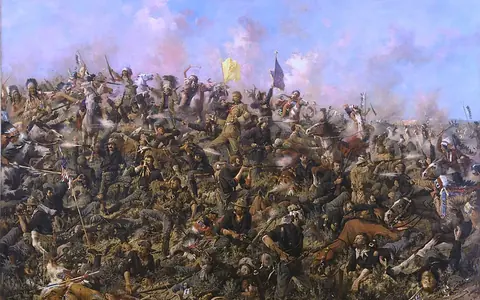
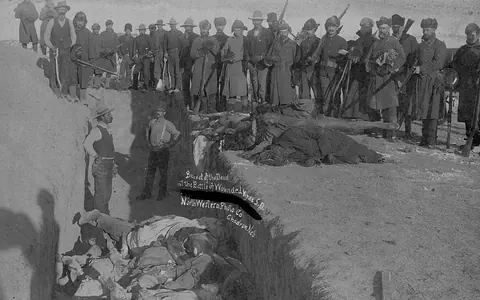
At the Little Bighorn on 25 and 26 June 1876 Lakota, Cheyenne and Arapaho warriors destroyed the detachment of the 7th Cavalry led by George Custer. On 29 December 1890 the same regiment tried to disarm a Lakota band at Wounded Knee Creek, and the disarming turned into a massacre of men, women and children; our article calls it the Wounded Knee Massacre.19
Why the Civil War was fought and how the Union won
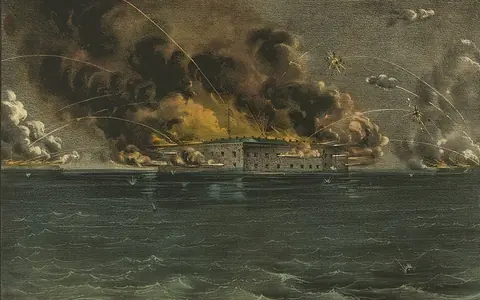
After Abraham Lincoln won the 1860 election on a promise to keep slavery out of the territories, seven slave states seceded and formed the Confederate States of America; four more joined after the war began. Slavery was at the heart of it: the Confederate constitution forbade any law impairing property in enslaved people. The war began when Confederate guns fired on Fort Sumter on 12 April 1861.20
The first great battle, at Bull Run in July 1861, was a Confederate victory. In the West, Union armies won at Fort Donelson and Shiloh in 1862, while in Virginia Robert E. Lee threw back one Union army after another, at the Seven Days, Fredericksburg and Chancellorsville. After Antietam turned back Lee's first invasion of the North, Lincoln issued the Emancipation Proclamation, which took effect on 1 January 1863.21
Many historians see the twin Union victories of July 1863 at Gettysburg and Vicksburg as the turning point. Gettysburg, with about 51,000 casualties on both sides, was the costliest battle of the war. By its end about 179,000 Black soldiers, 10 percent of the Union Army, had served, among them the men who stormed Fort Wagner.22

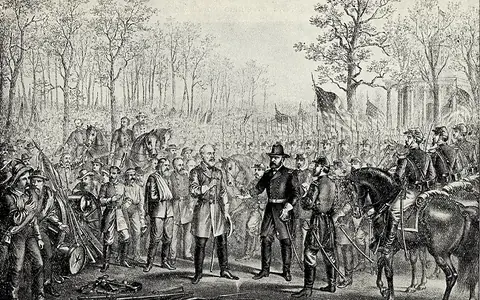
In 1864 Ulysses S. Grant became general in chief and ground Lee down at the Wilderness, Spotsylvania, Cold Harbor and Petersburg, while William Tecumseh Sherman marched through Georgia and South Carolina. Lee surrendered at Appomattox Court House on 9 April 1865. More than 620,000 soldiers died, more than in any other American war. Our greatest battles of the Civil War and commanders of the Civil War pages tell more.23
1898 and the Philippines
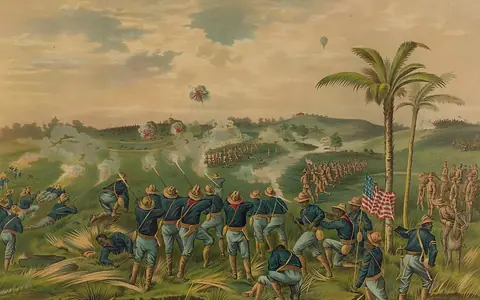
After the battleship Maine blew up in Havana harbor, the United States went to war with Spain in 1898 over Cuba. American troops, among them the Black regiments of the 9th and 10th Cavalry and Theodore Roosevelt's Rough Riders, attacked the heights at San Juan on 1 July. By the Treaty of Paris Spain gave up Cuba and ceded Puerto Rico, Guam and the Philippines.24
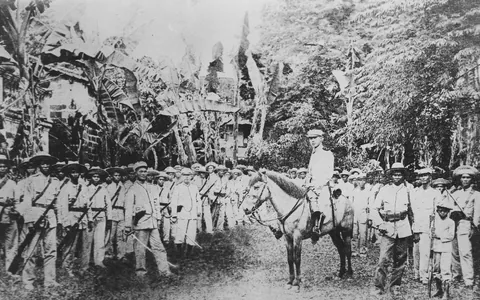
The Filipinos had fought for independence, not a new ruler. From February 1899 to July 1902 American forces fought the nationalists of Emilio Aguinaldo, who had proclaimed a Philippine Republic; our Tirad Pass article covers one of its battles. Over 4,200 American and over 20,000 Filipino soldiers died, and as many as 200,000 Filipino civilians died of violence, famine and disease.25
The United States in World War I
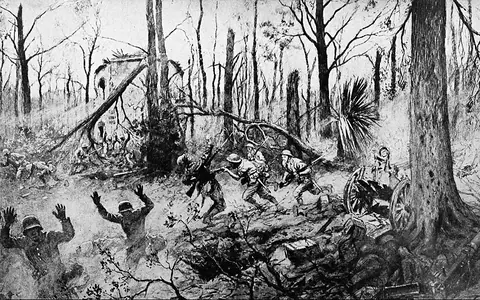
The United States stayed neutral until German submarine attacks led President Woodrow Wilson to ask Congress for war, which it declared in April 1917. American Marines took much of Belleau Wood in 1918, and in the Meuse-Argonne offensive of the autumn more than 1.2 million American troops under John J. Pershing fought for 47 days, with about 117,000 killed or wounded, as part of the Allied attacks along the whole Western Front that we follow in the Hundred Days Offensive.26
The VA counts 4,734,991 Americans in uniform and 53,402 battle deaths in the war. How World War I ended and our greatest battles of World War I put the American part in its place.27
How the United States fought World War II
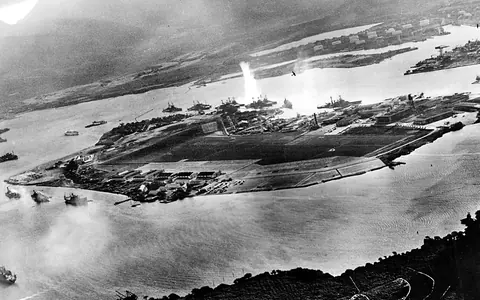
Japan's attack on Pearl Harbor on 7 December 1941 brought the United States into World War II; Congress declared war the next day, and Germany declared war on it soon after. The first months brought defeats: on Bataan about 12,000 American and 58,000 Filipino soldiers surrendered on 9 April 1942, with Corregidor holding out almost a month longer.28
At Midway in June 1942 American carriers, warned by codebreakers, sank four Japanese carriers, and in August Marines landed on Guadalcanal in the first American offensive of the Pacific war. At Leyte Gulf in October 1944 Japan sent most of its remaining battleships, cruisers and carriers against the landings in the Philippines. Marines stormed Iwo Jima on 19 February 1945, and Okinawa cost more than 49,000 American casualties.29
In Europe and Africa the war was a coalition effort from the start, as the VA itself stresses. Our articles follow the American campaigns in North Africa (Operation Torch) and Italy (Anzio). On D-Day, 6 June 1944, about 160,000 Allied troops landed on five beaches in Normandy under Dwight D. Eisenhower, and British and Canadian forces took Caen while American forces broke through the German lines in Operation Cobra. The German offensive in the Ardennes in December 1944, the Battle of the Bulge, became the largest battle the US Army has ever fought.30

Japan signed the instrument of surrender on 2 September 1945. The VA counts 16,112,566 Americans in uniform and 291,557 battle deaths. See our greatest battles of the Pacific War and greatest battles of World War II.31
Korea and Vietnam: America's Cold War wars
North Korea invaded the South on 25 June 1950, and a United Nations force led by the United States came to its aid. The landing at Inchon in September turned the war, but Chinese armies crossed the Yalu and drove the UN forces back; our articles on the Chongchon and the Chosin Reservoir follow that winter. The armistice of 27 July 1953 ended the fighting near where it had begun; troops from sixteen countries stood beside the Americans, and 36,576 Americans died.32
In Vietnam the Gulf of Tonkin Resolution of August 1964 opened the way to a large war, which our articles on Ia Drang and Khe Sanh follow. The Tet Offensive of January 1968 was repelled on the battlefield but became a turning point that weakened American support for the war. From March 1969 President Richard Nixon had B-52s bomb Cambodia in secret in Operation Menu, which became public only in 1973.33
American troops left under the Paris agreement of 1973, and on 30 April 1975 North Vietnamese tanks entered the presidential palace in Saigon. The records of the National Archives list 58,220 American military dead. Our Lam Son 719 article covers the South Vietnamese offensive into Laos in 1971.34
American commanders
George Washington led the Continental Army for the whole Revolution, helped by European officers such as Lafayette, Steuben, Pulaski and the engineer Tadeusz Kościuszko. Andrew Jackson won fame at New Orleans and Winfield Scott led the march on Mexico City.35
In the Civil War Robert E. Lee led the Confederacy's main army, and Grant and Sherman won the war for the Union. Pershing led the American army in France in 1918, and in World War II Eisenhower commanded the Allied invasion of Europe and Chester Nimitz the Pacific Fleet. Our greatest American commanders and America's greatest military heroes rank them.36
America's battles, era by era: all 101
Every battle we have written up in which the United States, the Thirteen Colonies, the Republic of Texas or the Confederacy took part, in date order. For a shorter list, see the greatest battles in American history, the American victories against the odds or test yourself with the American battles quiz:
The early modern era 1492 to 1789 · 21
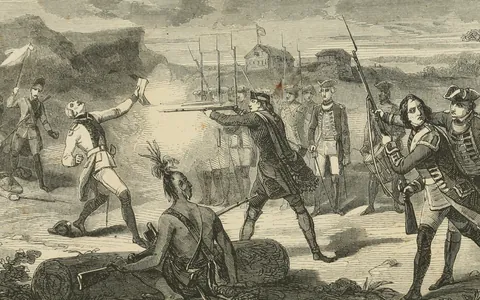
- 1754Jumonville Glen, 1754Virginia Regiment and Native allies vs Kingdom of France
At dawn on 28 May 1754 George Washington's Virginians and Tanaghrisson's warriors surprised a French party in a Pennsylvania ravine. Its commander's death started a world war.
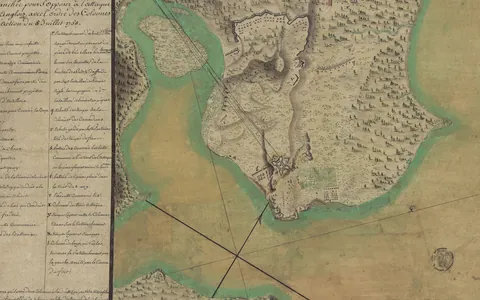
- 1758Battle of Carillon, 1758Kingdom of France vs Great Britain and the American colonies
On 8 July 1758 Montcalm's 3,600 French behind a log wall at Ticonderoga threw back Abercromby's British and colonial army, in the war's bloodiest battle.
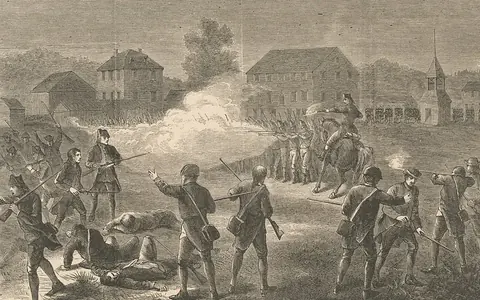
- 1775Lexington and Concord, 1775Thirteen Colonies vs Great Britain
How 19 April 1775 turned a political crisis into the American Revolutionary War.
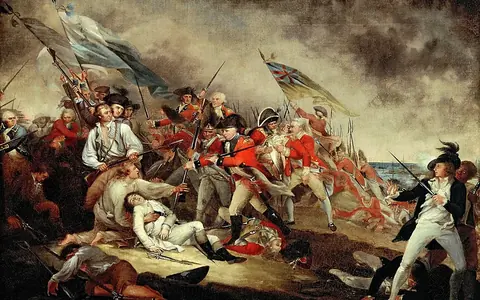
- 1775Battle of Bunker Hill, 1775Thirteen Colonies vs Great Britain
How American militia bloodied the British at Bunker Hill in 1775, a British victory that proved the colonists could fight.
- 1776The Battle of Long Island, 1776United States (Continental Army) vs Great Britain
The biggest battle of the Revolution, and the night retreat that saved the cause.
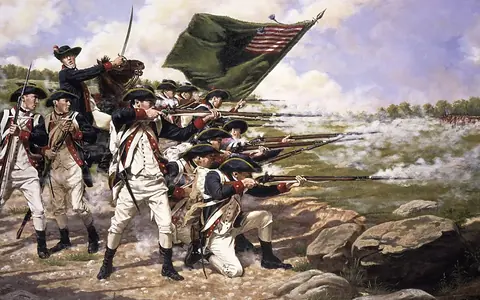
- 1776Battle of Pell's Point, 1776Continental Army vs Britain and Hesse
On 18 October 1776 John Glover's 750 Massachusetts men fought a British and Hessian landing from wall to wall at Pell's Point and bought Washington a day to escape Manhattan.
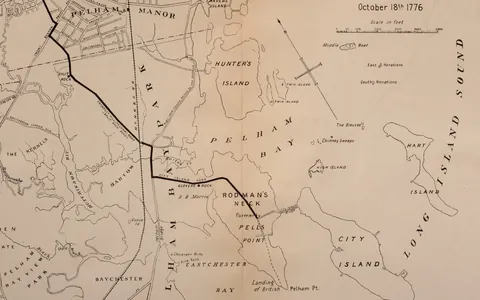
- 1776The Battle of White Plains, 28 October 1776American vs British
Chatterton's Hill, 28 October 1776: Howe takes the hill but Washington's army slips away.
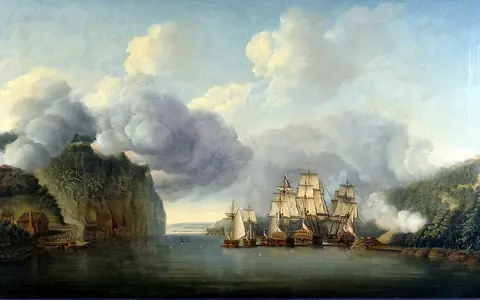
- 1776The Fall of Fort Washington, 16 November 1776British and Hessian vs American
16 November 1776: one of the worst American defeats of the war, and nearly 3,000 men lost.
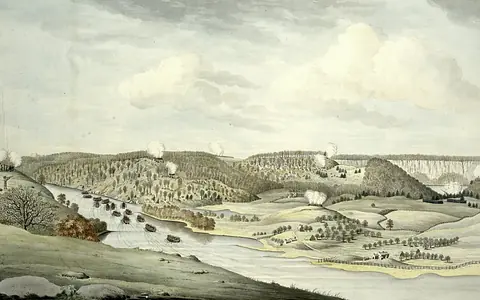
- 1776Battle of Trenton, 1776United States (Continental Army) vs Great Britain (Hessian garrison)
Washington's Christmas-night crossing of the Delaware and the surprise that revived the Revolution.
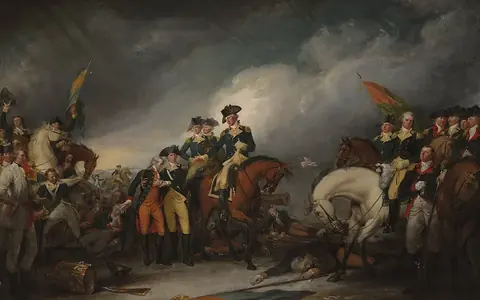
- 1777The Battle of Princeton, 1777United States vs Great Britain
A night march, a desperate rally and a victory that saved the Revolution.
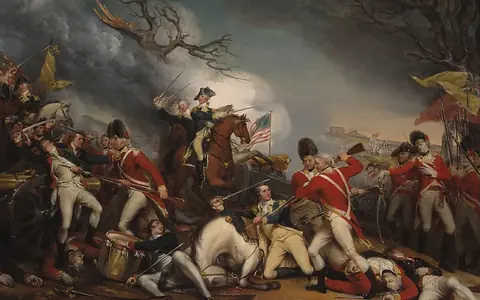
- 1777Battle of Bound Brook, 1777Great Britain (British and Hessian troops) vs United States (Continental Army and militia)
On 13 April 1777 Cornwallis's three columns surprised Benjamin Lincoln's outpost at Bound Brook; most of the garrison escaped to the hills, but the guns were lost.
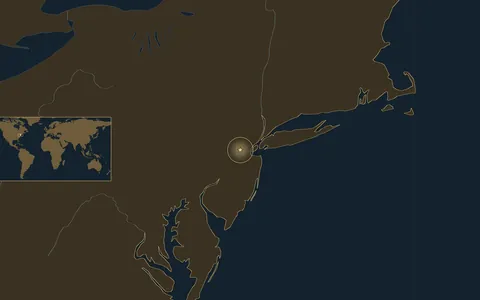
- 1777The Battle of Saratoga, 1777United States (Continental Army) vs Great Britain
Autumn 1777 on the Hudson: Burgoyne marches south, Gates digs in, and two battles decide the fate of the American Revolution.
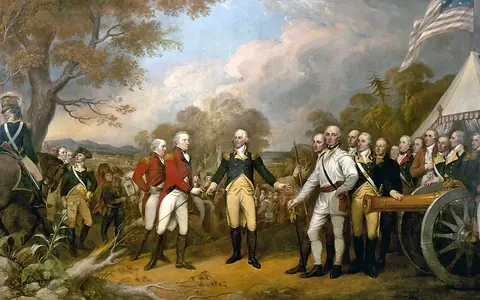
- 1777The Battle of Brandywine, 1777United States (Continental Army) vs Great Britain
Outflanked again at Brandywine, Washington lost the road to Philadelphia.
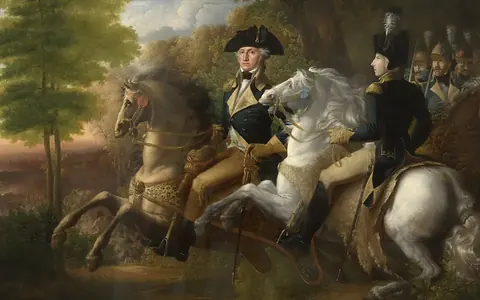
- 1777Battle of Germantown, 1777United States vs Great Britain
How Washington's bold four-column attack near Philadelphia unravelled in the fog, and still impressed France.
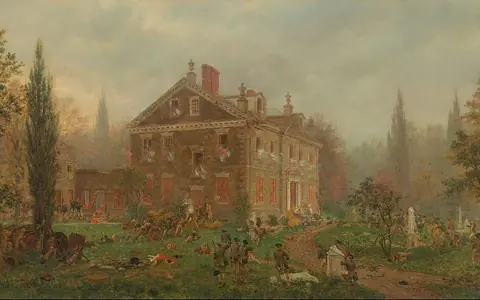
- 1778The Battle of Monmouth, 1778United States (Continental Army) vs Great Britain
In brutal heat at Monmouth, the Continental Army finally stood its ground.
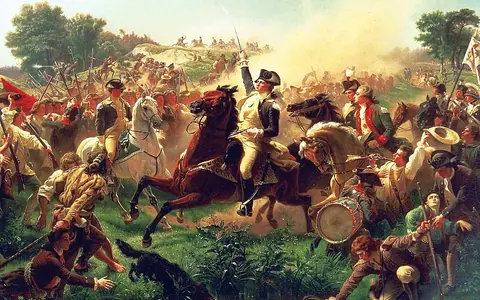
- 1778Battle of Wyoming, 1778Loyalists and Iroquois allies vs Patriot militia and Continentals
On 3 July 1778 John Butler's Loyalists and Iroquois lured the Wyoming Valley militia out of Forty Fort and destroyed it, in what became the Wyoming Massacre.
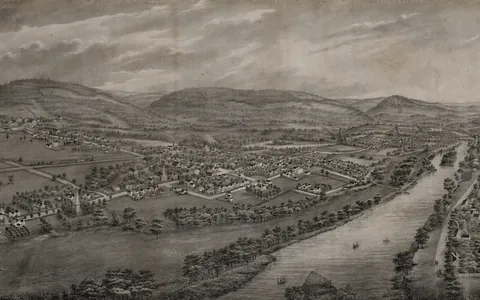
- 1779Siege of Savannah, 1779France and the United States vs Great Britain
In autumn 1779 French and American forces besieged British-held Savannah; their dawn assault on 9 October failed within an hour, and Casimir Pulaski was mortally wounded.
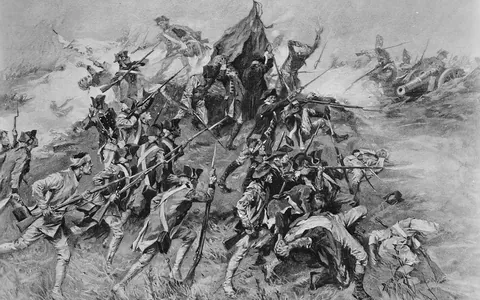
- 1780The Battle of Kings Mountain, 1780United States vs Great Britain
Frontier militia wiped out a Loyalist army in an hour and turned the war in the South.
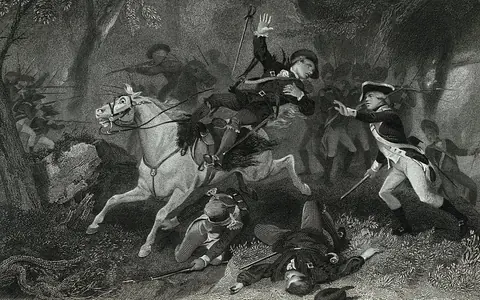
- 1781Battle of Cowpens, 1781United States (Continentals and militia) vs Great Britain
Daniel Morgan's double envelopment destroyed Tarleton's force in a tactical masterpiece.
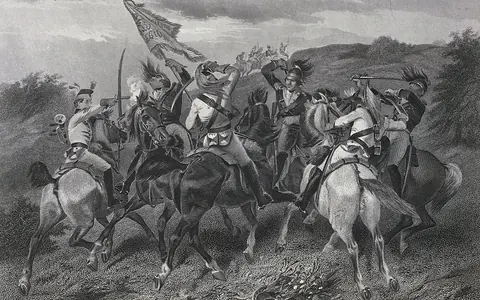
- 1781The Battle of Guilford Courthouse, 1781United States (Continentals and militia) vs Great Britain
Cornwallis won the field and lost a quarter of his army, on the road to Yorktown.
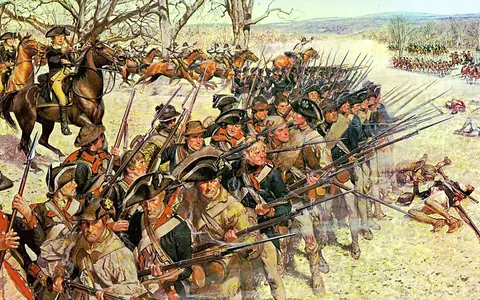
- 1781Siege of Yorktown, 1781United States and France vs Great Britain
Washington and the French trapped Cornwallis in Virginia, and the surrender that won American independence.
The Napoleonic era 1789 to 1815 · 6
- 1811The Battle of Tippecanoe, 1811United States vs Tecumseh's Confederacy
A dawn attack on the Wabash, and the battle that made "Tippecanoe" famous.
- 1813The Battle of Lake Erie, 1813United States (US Navy) vs Great Britain (Royal Navy)
Perry lost his flagship, rowed to another, and captured the whole British squadron.
- 1813The Battle of the Thames, 1813United States vs Britain and Tecumseh's confederacy
How Harrison routed the British on the Thames and Tecumseh was killed, 1813.
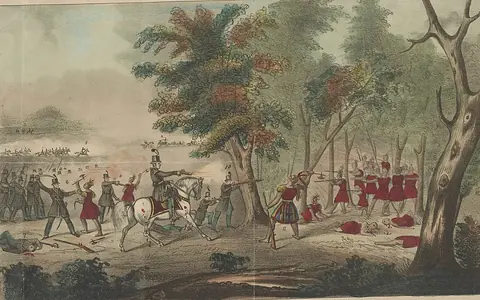
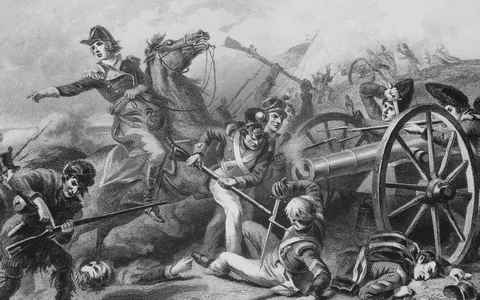
- 1814Battle of Chippawa, 1814United States vs United Kingdom, Canadian militia and First Nations allies
On 5 July 1814 Winfield Scott's drilled brigade beat Riall's British regulars on the Niagara plain at Chippawa, the first such American victory of the war.
- 1814The Battle of Baltimore and Fort McHenry, 1814United States vs Great Britain
The bombardment that failed to take Fort McHenry, and gave America its anthem.
- 1815Battle of New Orleans, 1815United States vs Great Britain
Andrew Jackson's outnumbered defenders crushed a British assault in a lopsided American victory.
The industrial age 1815 to 1914 · 35
- 1836Battle of the Alamo, 1836Mexico vs Republic of Texas
How around 200 defenders held a crumbling mission for 13 days and gave Texas its battle cry.
- 1836
- 1847The Battle of Chapultepec, 1847United States vs Mexico
The storming that opened the road into the capital.
- 1861Battle of Fort Sumter, 1861Confederate States vs United States (federal garrison)
The bombardment of Fort Sumter in April 1861 was almost bloodless, yet it began the bloodiest war in American history. The story of the opening shots.
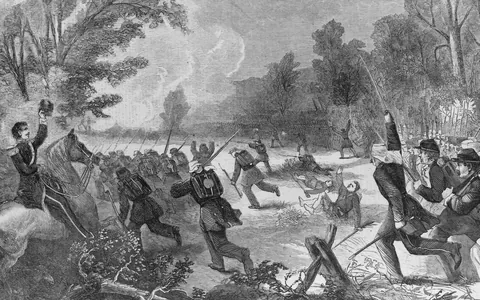
- 1861Battle of Rich Mountain, 1861United States vs Confederate States
On 11 July 1861 Rosecrans's flank march over Rich Mountain broke a Confederate pass in western Virginia and sent George McClellan on his way to command.
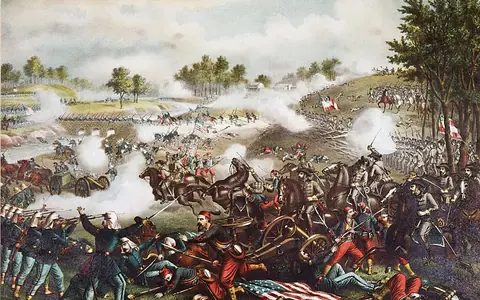
- 1861The First Battle of Bull Run, 1861United States (Union) vs Confederate States
The first big battle of the Civil War ended in a Union rout, and a long war ahead.
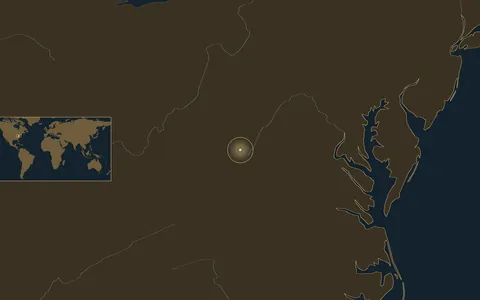
- 1861Battle of Greenbrier River, 1861United States vs Confederate States
On 3 October 1861 Reynolds's Federals marched through the night from Cheat Mountain and shelled Camp Bartow on the Greenbrier River for hours before pulling back.
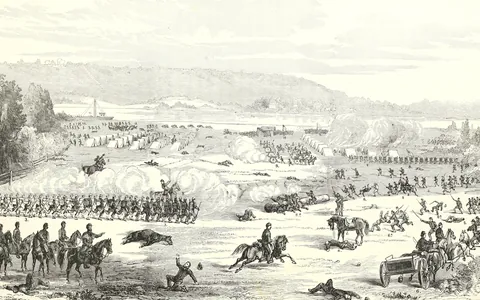
- 1861Battle of Belmont, 1861United States (Union) vs Confederate States
On 7 November 1861 Ulysses S. Grant, in his first battle, overran a Confederate camp at Belmont on the Mississippi and then had to fight his way back to the boats.
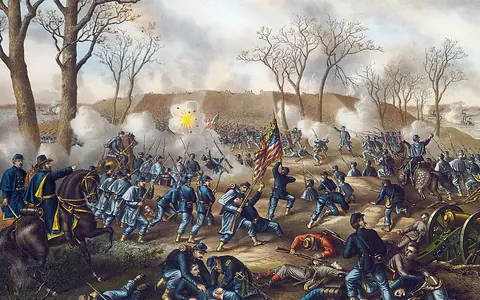
- 1862The Battle of Fort Donelson, 1862United States (Union) vs Confederate States
The first major Union victory of the Civil War.
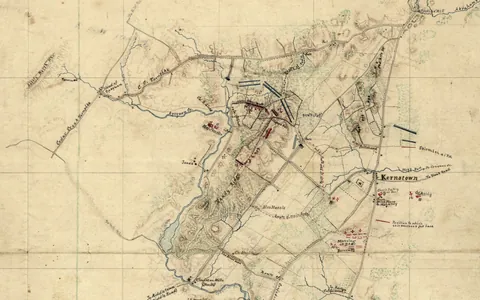
- 1862First Battle of Kernstown, 1862United States (Union) vs Confederate States
On 23 March 1862 Stonewall Jackson attacked at Kernstown on a false report and was beaten on Sandy Ridge. His only defeat still pulled Union troops back to the Shenandoah Valley.
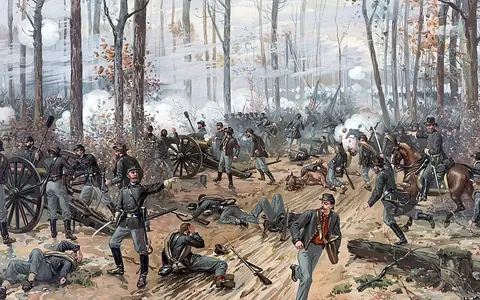
- 1862The Battle of Shiloh, 1862United States (Union) vs Confederate States
A surprise attack nearly broke Grant, until he counterattacked and showed how long the war would be.
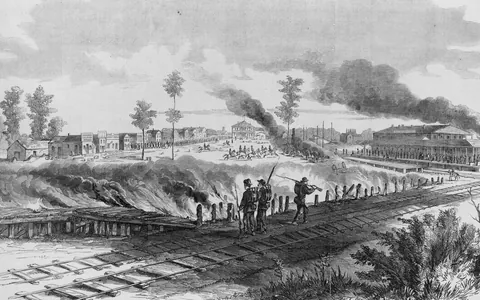
- 1862Siege of Corinth, 1862Union vs Confederacy
After Shiloh, Halleck took a month to cover 22 miles to Corinth, entrenching every night. When he arrived, Beauregard had gone by train.
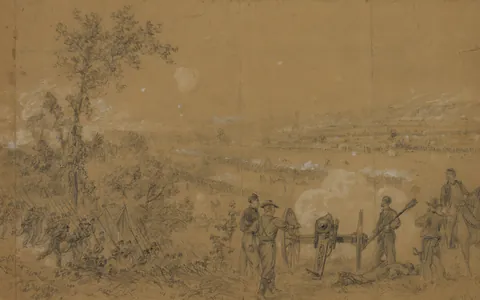
- 1862Seven Days Battles, 1862Confederate States: Army of Northern Virginia vs United States: Army of the Potomac
From 25 June to 1 July 1862 Robert E. Lee drove McClellan's army from the gates of Richmond to the James River in a week that cost more than 34,000 casualties.
- 1862The Battle of Antietam, 1862United States (Union) vs Confederate States
Around 22,000 to 23,000 men were killed or wounded in one day near Sharpsburg. How Antietam checked Lee's first invasion of the North and gave Lincoln the moment to act on emancipation.
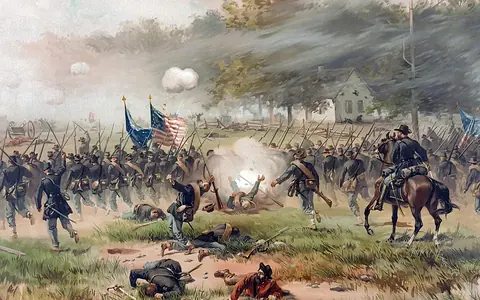
- 1862The Battle of Perryville, 1862United States (Union) vs Confederate States
Kentucky's largest battle: a tactical draw that ended the Confederate invasion.
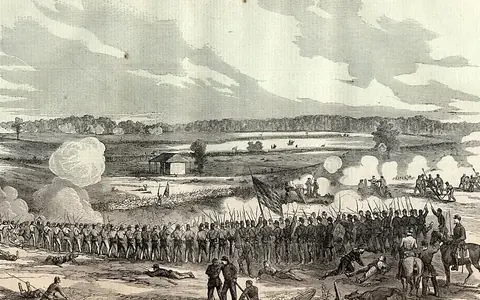
- 1862The Battle of Fredericksburg, 1862United States (Union) vs Confederate States
Wave after wave of Union troops fell before the stone wall at Marye's Heights.
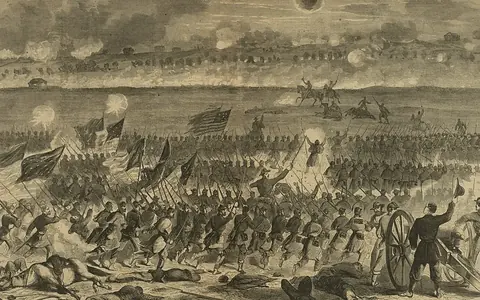
- 1863The Battle of Chancellorsville, 1863Confederate States vs United States (Union)
Lee's masterpiece, won by Jackson's flank march, and the wound that cost him Jackson.
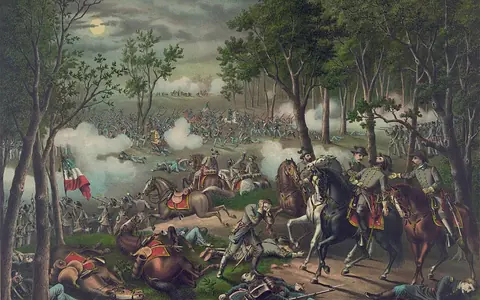
- 1863Second Battle of Fredericksburg, 1863United States (Army of the Potomac) vs Confederate States (Army of Northern Virginia)
On 3 May 1863 Sedgwick's Sixth Corps took the stone wall on Marye's Heights that had broken Burnside, then ran into a Confederate line at Salem Church.
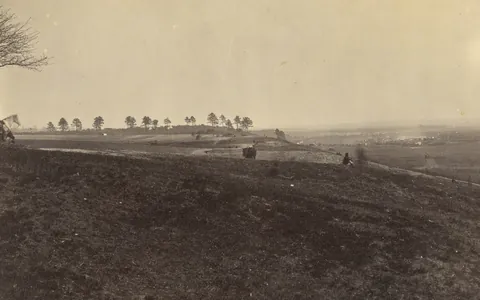
- 1863The Siege of Vicksburg, 1863United States (Union) vs Confederate States
Grant took Vicksburg on the Fourth of July, won the Mississippi, and cut the South in half.
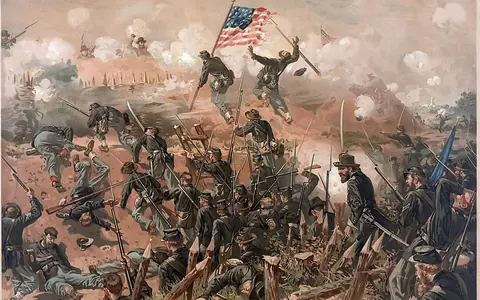
- 1863The Battle of Gettysburg, 1863United States (Union) vs Confederate States
Three days in Pennsylvania, Pickett's doomed charge, and the high-water mark where the Confederacy's war crested and broke.
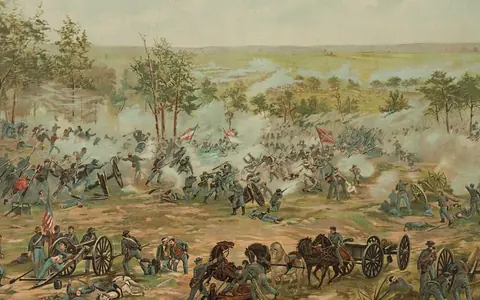
- 1863The Second Battle of Fort Wagner, 1863United States (Union) vs Confederate States
The charge that proved Black soldiers' courage to the nation.
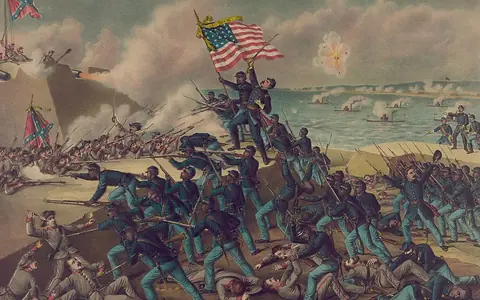
- 1863The Battle of Chickamauga, 1863United States (Union) vs Confederate States
How a mistaken order broke the Union line, and George Thomas's stand saved the army in the Western Theater's bloodiest battle.
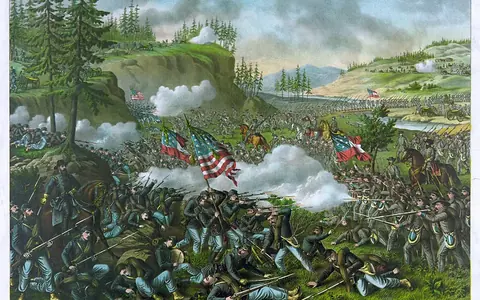
- 1863Battle of Droop Mountain, 1863Union vs Confederacy
On 6 November 1863 Averell's Federals stormed Droop Mountain and broke Echols's Confederates after six hours of fighting, ending organized Southern resistance in West Virginia.
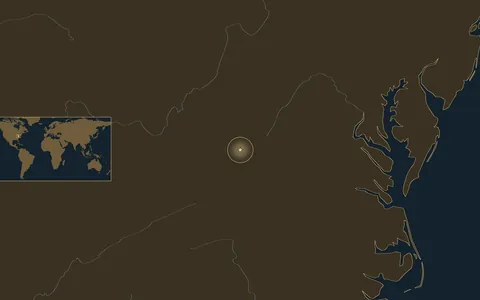
- 1864Battle of Spring Hill, 1864United States (Union) vs Confederate States
On 29 November 1864 Hood's Confederates reached Spring Hill, Tennessee, astride the Union line of retreat. That night 27,000 Union soldiers marched past them in the dark.
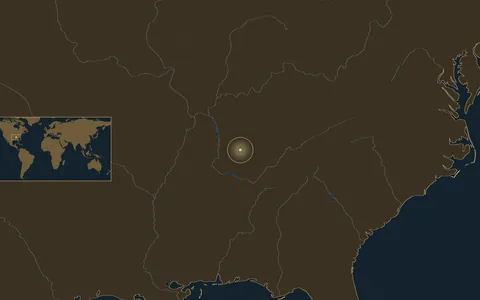
- 1864Sherman's March to the SeaUnion vs Confederate
From the fall of Atlanta to the capture of Savannah, and what the march really destroyed.
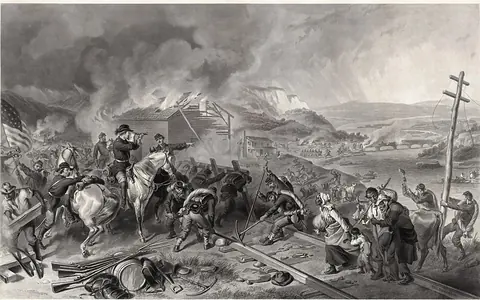
- 1864The Siege of Petersburg, 1864 to 1865Union vs Confederate
292 days of trenches, the Battle of the Crater and the breakthrough that ended the war.
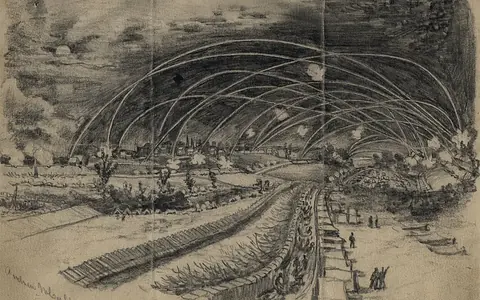
- 1864The Battle of the Wilderness, 1864United States (Union) vs Confederate States
In a burning forest, Grant and Lee met for the first time, and Grant did not turn back.
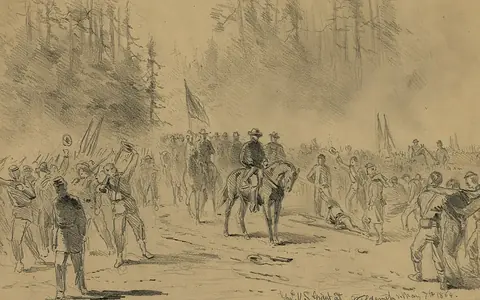
- 1864The Battle of Spotsylvania Court House, 1864United States (Union) vs Confederate States
Grant pressed on toward Richmond, and the Bloody Angle became a byword for carnage.
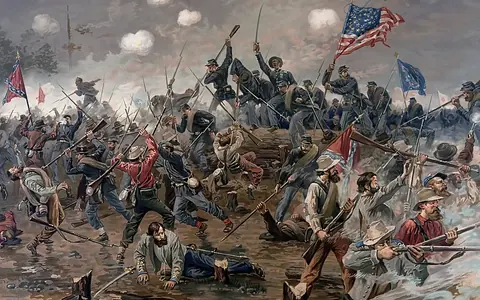
- 1864The Battle of Cold Harbor, 1864Union vs Confederate
The dawn assault of 3 June 1864 and the casualties behind the legends.
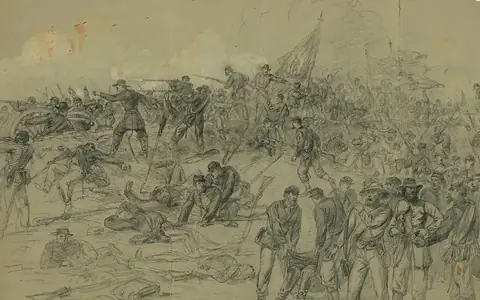
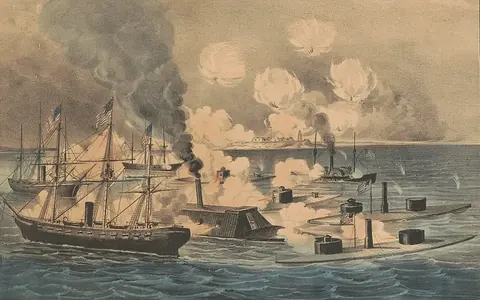
- 1864The Battle of Mobile Bay, 1864United States (Union) vs Confederate States
Farragut ran his fleet through a minefield and won the bay.
- 1865The Battle of Appomattox Court House, 1865Union vs Confederate
The last battle of Lee's army, the McLean House and the terms that ended the war in Virginia.
- 1876Battle of the Little Bighorn, 1876Lakota, Cheyenne and Arapaho vs United States (7th Cavalry)
How Sitting Bull and Crazy Horse's warriors wiped out Custer and five companies of the 7th Cavalry.
- 1890The Wounded Knee Massacre, 1890United States vs Lakota (Miniconjou and Hunkpapa)
A disarmament that became a massacre, and the brutal end of the Indian Wars.
- 1898The Battle of San Juan Hill, 1898United States vs Kingdom of Spain
The charge up the San Juan Heights that made Theodore Roosevelt a national hero.
- 1899Battle of Tirad Pass, 1899Philippine Republic vs United States (33rd Volunteer Infantry)
On 2 December 1899 Gregorio del Pilar and about sixty men held a stone wall across Tirad Pass against US troops, dying to cover Aguinaldo's escape.
World War I 1914 to 1919 · 3
- 1918Battle of Belleau Wood, 1918United States (with French support) vs German Empire
The US Marines' brutal three-week fight that helped stop the German drive on Paris.
- 1918The Hundred Days Offensive, 1918Allied Powers (Britain and the Empire, France, United States, Belgium) vs German Empire
From Amiens on 8 August to the armistice of 11 November 1918, British Empire, French, American and Belgian armies broke the German army in the west.
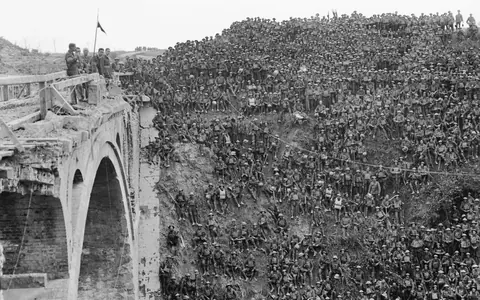
- 1918The Meuse-Argonne Offensive, 1918United States (with France) vs German Empire
More than a million Americans, 47 days, and the end of the war.
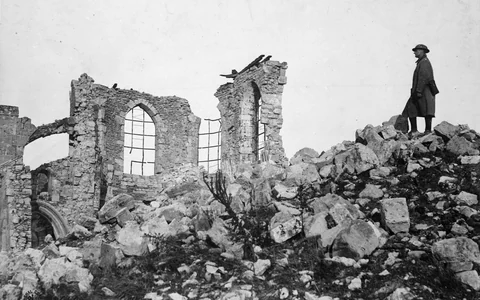
World War II 1939 to 1945 · 27
- 1941The Attack on Pearl Harbor, 1941Empire of Japan vs United States
How a surprise strike on 7 December 1941 pulled the United States into World War II.
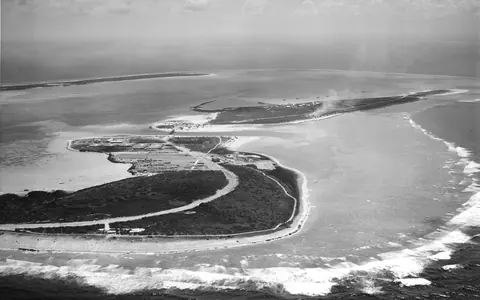
- 1941Battle of Wake Island, 1941United States vs Empire of Japan
In December 1941 Marines, sailors and civilians on Wake beat off a Japanese landing and sank two destroyers before a second assault took the atoll.
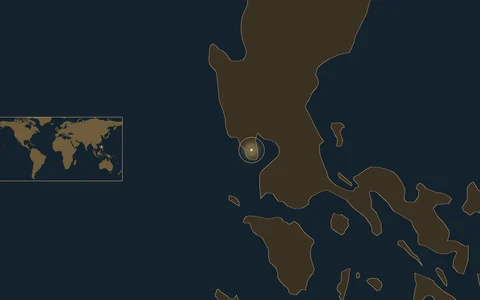
- 1942Battle of Bataan, 1942United States and Philippine Commonwealth vs Empire of Japan
From January to April 1942 Filipino and American troops held the Bataan peninsula against Japan's 14th Army, until hunger and disease forced their surrender.
- 1942Battle of Makassar Strait, 1942ABDA naval force (Netherlands, United States) vs Empire of Japan
On 4 February 1942 Japanese bombers caught Doorman's Dutch and American cruisers on their way to the Makassar Strait. Marblehead was crippled, Houston lost a turret and the raid was called off.
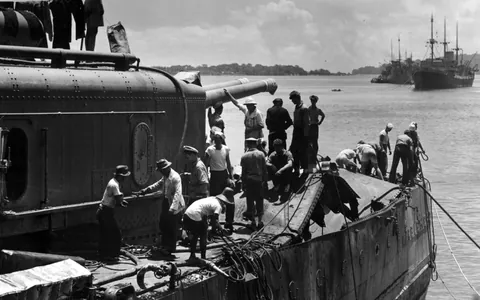
- 1942The Guadalcanal Campaign, 1942 to 1943Allies (United States, with Australia) vs Empire of Japan
Six months of land, sea and air battles for one jungle airfield turned the Pacific War.
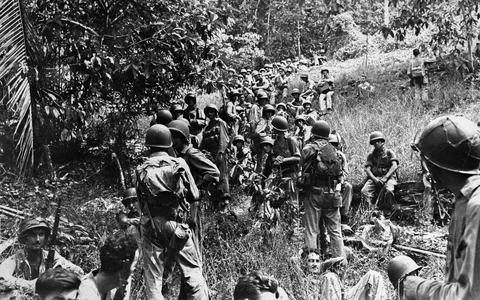
- 1942Second Battle of the Java Sea, 1942Empire of Japan vs United Kingdom and United States
On 1 March 1942 the crippled cruiser Exeter and two destroyers tried to escape from Java. Four Japanese heavy cruisers caught them north of the island, and by afternoon all three ships were gone.
- 1942Battle of Corregidor, 1942United States and Philippine Commonwealth vs Empire of Japan
In May 1942 Japanese troops stormed Corregidor, the fortress island at the mouth of Manila Bay, and Wainwright surrendered; Americans retook it in 1945.
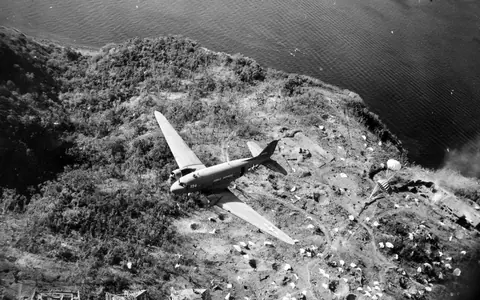
- 1942The Battle of the Coral Sea, 1942Allies (United States and Australia) vs Empire of Japan
The first carrier duel in history, fought entirely by aircraft over the horizon.
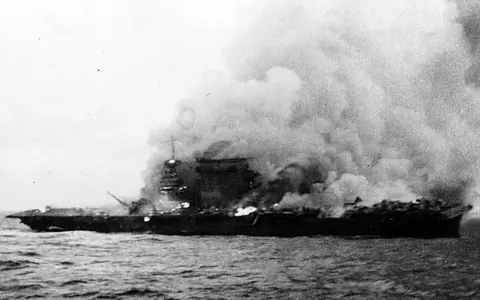
- 1942The Battle of Midway, 1942United States vs Empire of Japan
Broken codes, an ambush, and five minutes of dive bombers that sank four Japanese carriers and turned the Pacific.
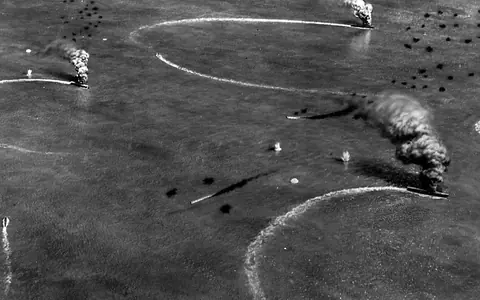
- 1942Battle of the Tenaru, 1942United States vs Empire of Japan
On 21 August 1942 Colonel Ichiki's detachment charged the Marine line at the mouth of the Ilu on Guadalcanal and was wiped out in a single day.
- 1942Carlson's Long Patrol, 1942United States Marine Corps vs Empire of Japan
From 6 November to 4 December 1942 Carlson's raiders hunted retreating Japanese through Guadalcanal's jungle: 150 miles, a dozen fights, and a heavy toll from disease.
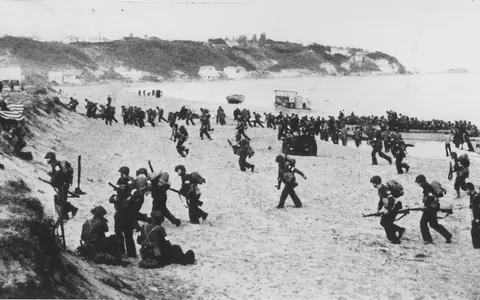
- 1942Operation Torch, 1942United States and United Kingdom (Allies) vs Vichy France
On 8 November 1942 American and British troops landed in Vichy French Morocco and Algeria. How Operation Torch was fought, who won and why it mattered.
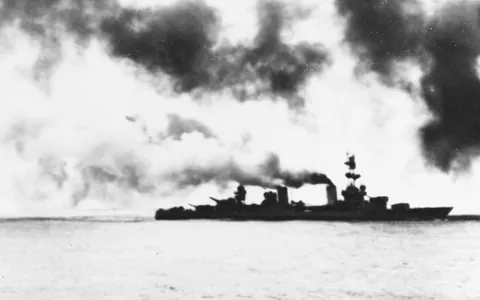
- 1943Battle of the Komandorski Islands, 1943United States vs Empire of Japan
On 26 March 1943 a small US force fought Japan's Fifth Fleet for hours in the Bering Sea. Salt Lake City was stopped dead in the water, yet the Japanese turned away and took their convoy home.
- 1943The Battle of Tarawa, 1943United States (Marines) vs Empire of Japan
Seventy-six hours on a tiny atoll, and the bloody schooling of amphibious war.
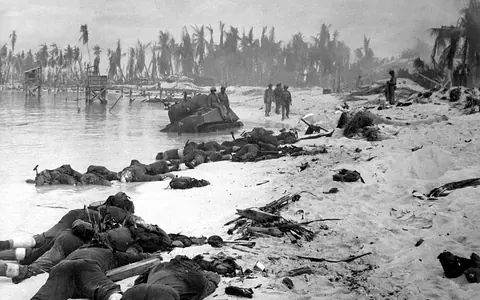
- 1944Battle of Anzio, 1944Allies (United States, Britain) vs Germany
On 22 January 1944 the Allies landed at Anzio behind the Gustav Line and caught the Germans by surprise. A week of caution let Kesselring seal the beachhead, and the siege lasted four months.
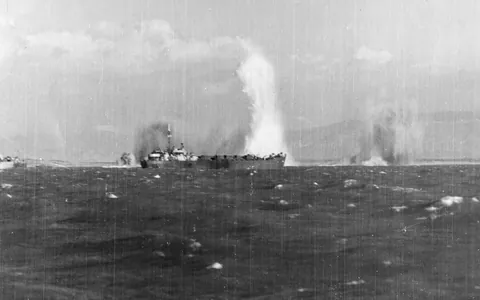
- 1944The Battle of the BulgeUnited States and allies vs Germany
December 1944: fog, snow and a desperate German gamble in the Ardennes forest. The siege of Bastogne, McAuliffe's Nuts, and Patton's race north.
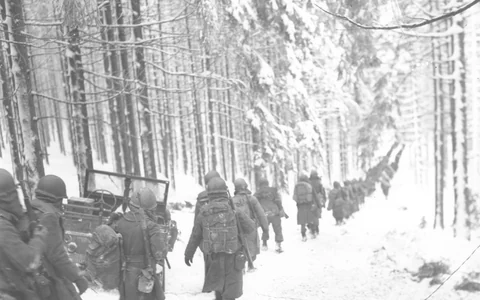
- 1944D-Day, 1944Allies (USA, Britain, Canada) vs Nazi Germany
Five beaches, thousands of ships, and one morning that breached the Atlantic Wall and opened the Western Front.
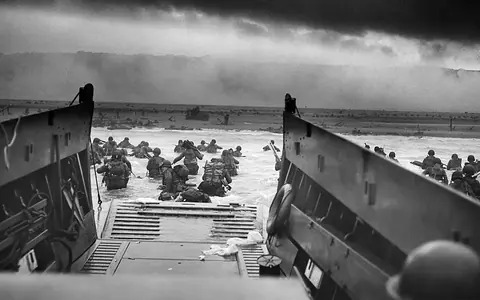
- 1944The Battle of Falaise, 1944Allies (USA, Britain, Canada, Poland, Free France) vs Germany
The Polish armored division corked the Falaise Pocket.
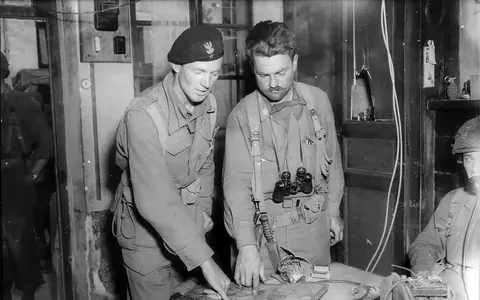
- 1944The Battle of Peleliu, 1944United States (Marines and Army) vs Empire of Japan
Promised as a three-day fight, Peleliu became two months of agony on Bloody Nose Ridge.
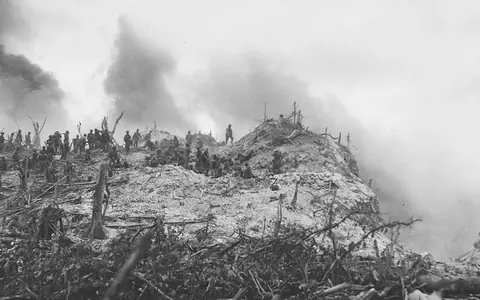
- 1944Operation Market GardenAllies (Britain, US, Poland) vs Germany
The Allied airborne gamble of September 1944, a chain of Dutch bridges, and the bridge too far at Arnhem where the plan came apart.
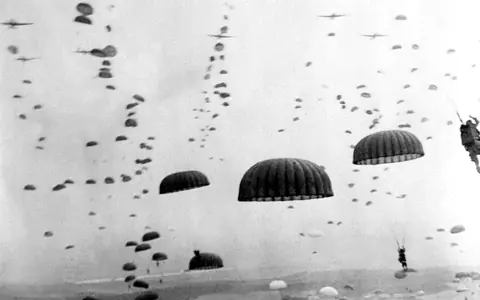
- 1944Battle of Leyte Gulf, 1944United States and Australia vs Empire of Japan
The largest naval battle in history, four huge actions off the Philippines that broke the Imperial Japanese Navy.
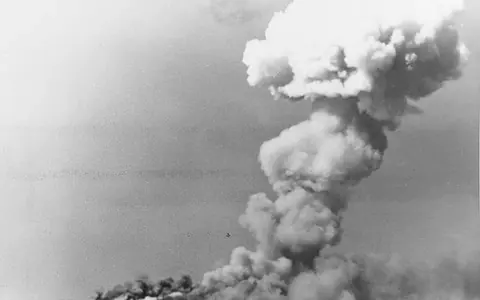
- 1945Battle of Manila, 1945United States and Philippine Commonwealth vs Empire of Japan
From 3 February to 3 March 1945 US and Filipino forces retook Manila from Iwabuchi's garrison. Intramuros was razed and about 100,000 civilians died.
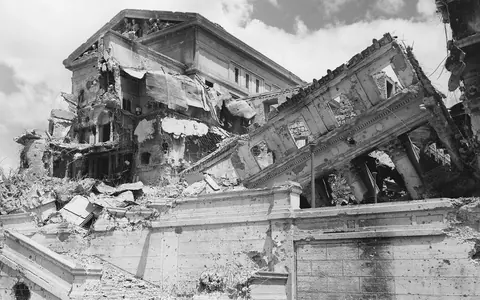
- 1945Battle of Iwo Jima, 1945United States vs Empire of Japan
How US Marines took Iwo Jima in 1945 in one of the Pacific war's bloodiest battles.
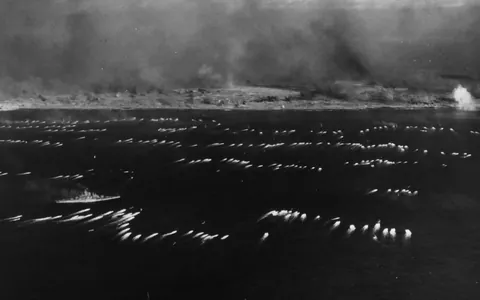
- 1945The Battle of Okinawa, 1945United States (with Allies) vs Empire of Japan
The bloodiest battle of the Pacific, and its cost shaped how the war with Japan ended.
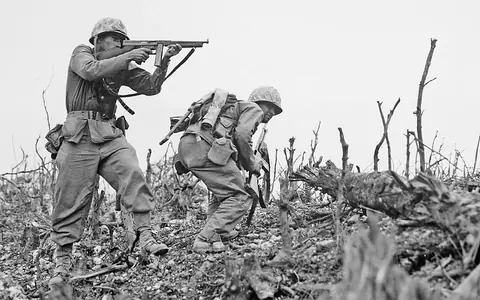
- 1945The Ruhr Pocket, 1945United States (12th Army Group) vs Germany (Army Group B)
On Easter Sunday 1945 two U.S. armies met at Lippstadt and trapped Model's Army Group B in the Ruhr. Seventeen days later some 317,000 Germans had surrendered.
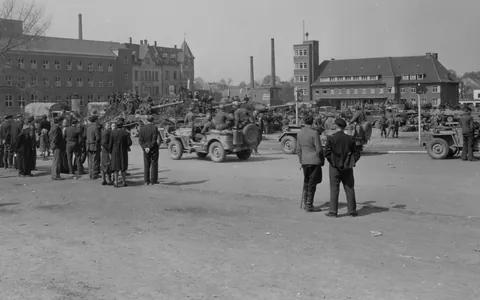
- 1945Battle of Tarakan, 1945Australia, with U.S. and Dutch forces vs Empire of Japan
On 1 May 1945 the 26th Australian Brigade landed on Tarakan to seize an airfield for the Borneo campaign. It took the island at a cost of 225 dead; the strip opened seven weeks late.
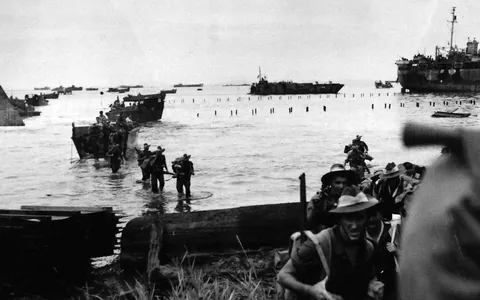
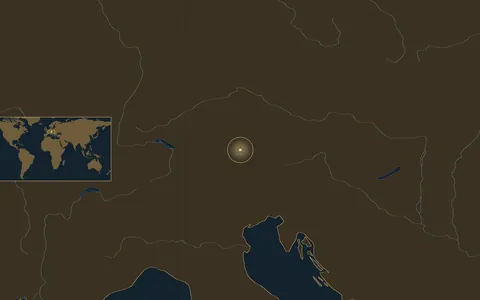
- 1945The Battle for Castle Itter, 1945U.S. Army, anti-Nazi Wehrmacht soldiers, Austrian resistance and French prisoners vs Waffen-SS
On 5 May 1945 American tankers, anti-Nazi German soldiers and French VIP prisoners held Schloss Itter in the Tyrol against the Waffen-SS until relief arrived.
Since 1945 9
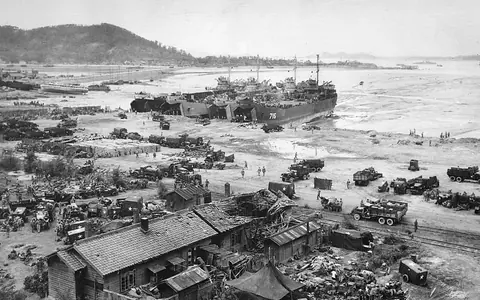
- 1950The Battle of Inchon, 1950United Nations (United States and allies) vs North Korea
A risky landing behind the lines at Inchon turned the Korean War around in a week.
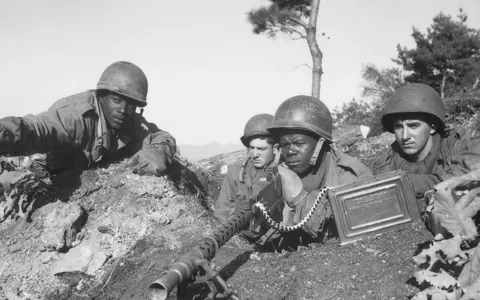
- 1950Battle of the Ch'ongch'on River, 1950United Nations Command (US Eighth Army) vs China (Chinese People's Volunteers)
On 25 November 1950 China's XIII Army Group struck the US Eighth Army on the Ch'ongch'on. Within a week the UN advance to the Yalu had become a retreat.
- 1950The Battle of Chosin Reservoir, 1950United Nations (US Marines and Army; UK Royal Marines) vs People's Republic of China
Surrounded and frozen, the Marines fought their way out from Chosin to the sea.
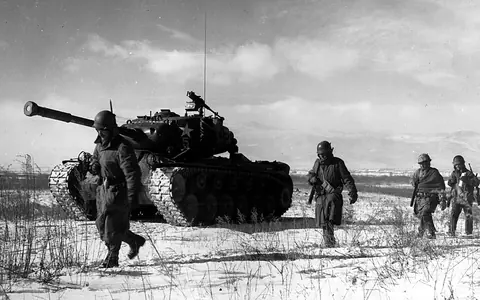
- 1965The Battle of Ia Drang, 1965United States vs North Vietnam (PAVN)
Helicopters, a surrounded landing zone, and the first big US-NVA battle of Vietnam.
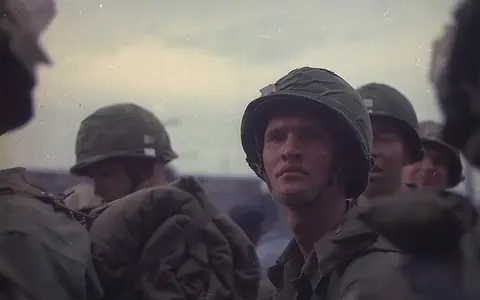
- 1968The Battle of Khe Sanh, 1968United States (Marines) vs North Vietnam (PAVN)
Seventy-seven days under siege at Khe Sanh, and the ghost of Dien Bien Phu.
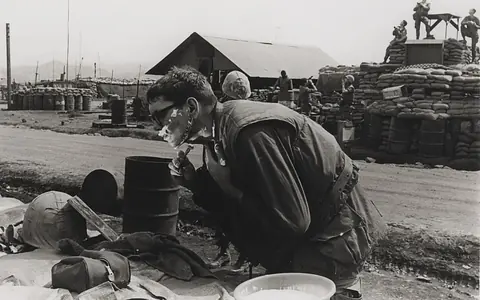
- 1968The Tet Offensive, 1968North Vietnam and the Viet Cong vs United States and South Vietnam
A military defeat for the attackers that still turned American opinion against the war.
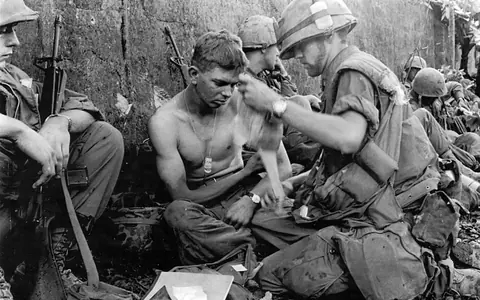
- 1969Operation Menu, 1969United States vs North Vietnam and the Viet Cong
From 18 March 1969 US B-52s secretly bombed North Vietnamese bases in neutral Cambodia under code names like Breakfast and Dessert. The campaign was hidden from Congress.
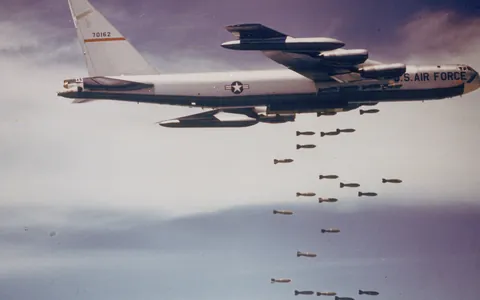
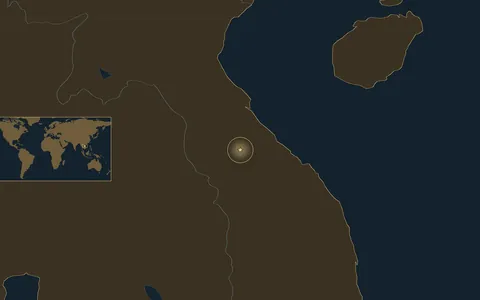
- 1971Operation Lam Son 719, 1971South Vietnam, with United States air support vs North Vietnam
On 8 February 1971 South Vietnam's army crossed into Laos to cut the Ho Chi Minh Trail. North Vietnam massed 60,000 troops, took the firebases one by one and drove the invaders out in March.
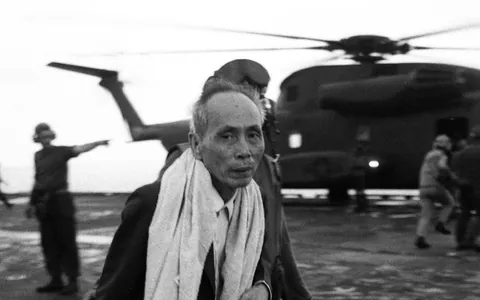
- 1975The fall of Saigon, 1975North Vietnam (People's Army of Vietnam) vs South Vietnam, with the U.S. evacuation
On 29 and 30 April 1975 helicopters lifted more than 7,000 people from Saigon to the Seventh Fleet. Hours after the last Marines left the embassy roof, South Vietnam surrendered.
Timeline
- 1754Washington's Virginians clash with the French in the Ohio country; the French and Indian War begins (Jumonville Glen).37
- 1775The Revolutionary War begins (Lexington and Concord).38
- 1777Burgoyne surrenders his army (Battle of Saratoga).39
- 1781Cornwallis surrenders to the American and French armies (Siege of Yorktown).40
- 1815Jackson defeats the British after the peace is signed (Battle of New Orleans).41
- 1836Texas wins its independence from Mexico (Battle of San Jacinto).42
- 1847US forces take Mexico City (Battle of Chapultepec).43
- 1861Confederate guns open the Civil War (Fort Sumter).44
- 1863
- 1865Lee surrenders (Appomattox Court House).46
- 1876Lakota, Cheyenne and Arapaho warriors defeat Custer (Little Bighorn).47
- 1898War with Spain over Cuba (San Juan Hill).48
- 1918The largest American offensive of World War I (Meuse-Argonne).49
- 1941Japan attacks the US fleet (Pearl Harbor).50
- 1944
- 1950
- 1968North Vietnamese and Viet Cong forces launch the Tet Offensive.53
- 1975North Vietnamese forces take Saigon (Fall of Saigon).54
Legacy and memory
The Civil War ended slavery: the 13th Amendment abolished it, and Lincoln's Gettysburg Address of November 1863 became one of the best-known speeches in American history.55
Other memories are uneasy too: for Mexico the war of 1846 meant the loss of more than half its land, for the Lakota Wounded Knee was a massacre, and in the Philippines the war after 1898 cost as many as 200,000 civilian lives. A guide that leaves them out tells only half the story.56
Notes
A number in the text points to a note; each note names the works that paragraph draws on, listed in full under Sources.
- American Battlefield Trust, “10 Facts”; American Battlefield Trust, “A Brief Overview of the American Civil War”. ↩
- Encyclopaedia Britannica, “American Revolution”; Office of the Historian, “French and Indian War/Seven Years' War, 1754-63”; American Battlefield Trust, “10 Facts”; Office of the Historian, “Ending the Vietnam War, 1969-1973”. ↩
- American Battlefield Trust, “American Revolution FAQs”; U.S. National Archives, “Treaty of Guadalupe Hidalgo (1848)”; U.S. Department of Veterans Affairs, “America's Wars”. ↩
- Encyclopaedia Britannica, “American Revolution”; Encyclopaedia Britannica, “Texas Revolution”; Texas State Library and Archives Commission, “Texas Annexation Timeline”; American Battlefield Trust, “10 Facts”; Encyclopaedia Britannica, “Secession”. ↩
- American Battlefield Trust, “Native American Involvement in the War of 1812”; National Park Service, “Little Bighorn Battlefield National Monument”; Encyclopaedia Britannica, “Mexican-American War”. ↩
- Office of the Historian, “French and Indian War/Seven Years' War, 1754-63”; Encyclopaedia Britannica, “American Revolution”. ↩
- Encyclopaedia Britannica, “American Revolution”; Office of the Historian, “French and Indian War/Seven Years' War, 1754-63”. ↩
- American Battlefield Trust, “American Revolution Timeline”; Encyclopaedia Britannica, “Key Facts of the American Revolution”; American Battlefield Trust, “American Revolution FAQs”. ↩
- Encyclopaedia Britannica, “Key Facts of the American Revolution”; American Battlefield Trust, “American Revolution FAQs”; Encyclopaedia Britannica, “United States”. ↩
- Encyclopaedia Britannica, “United States”; Office of the Historian, “French Alliance, French Assistance, and European Diplomacy during the American Revolution, 1778-1782”; American Battlefield Trust, “American Revolution FAQs”; Encyclopaedia Britannica, “American Revolution”. ↩
- Encyclopaedia Britannica, “United States”; Encyclopaedia Britannica, “American Revolution”; National Park Service, “Yorktown Battlefield”; Office of the Historian, “French Alliance, French Assistance, and European Diplomacy during the American Revolution, 1778-1782”; American Battlefield Trust, “American Revolution FAQs”. ↩
- American Battlefield Trust, “American Revolution FAQs”; Encyclopaedia Britannica, “American Revolution”. ↩
- Office of the Historian, “The War of 1812, 1812-1815”; American Battlefield Trust, “War of 1812”; American Battlefield Trust, “Native American Involvement in the War of 1812”; National Park Service, “Perry's Victory and International Peace Memorial”. ↩
- American Battlefield Trust, “War of 1812”; National Park Service, “Fort McHenry National Monument and Historic Shrine”; American Battlefield Trust, “Fort McHenry”; Office of the Historian, “The War of 1812, 1812-1815”; Encyclopaedia Britannica, “War of 1812”; American Battlefield Trust, “New Orleans”. ↩
- Encyclopaedia Britannica, “Texas Revolution”; American Battlefield Trust, “The Texas Revolution 1835-1836”; Texas State Historical Association, “Alamo, Battle of the”; American Battlefield Trust, “The Republic of Texas”; Texas State Historical Association, “San Jacinto, Battle of”; Texas State Library and Archives Commission, “Texas Annexation Timeline”. ↩
- Texas State Historical Association, “Republic of Texas”; PBS American Experience, “The Republic of Texas”; State Bar of Texas, “The Republic of Texas”; Texas State Library and Archives Commission, “Texas Annexation Timeline”. ↩
- Encyclopaedia Britannica, “Mexican-American War”; U.S. National Archives, “Treaty of Guadalupe Hidalgo (1848)”. ↩
- U.S. Department of Veterans Affairs, “America's Wars”; U.S. National Archives, “Sioux Treaty of 1868”. ↩
- National Park Service, “Little Bighorn Battlefield National Monument”; U.S. National Archives, “Sioux Treaty of 1868”; Digital Public Library of America, “The Wounded Knee Massacre”; National Park Service, “Wounded Knee Battlefield”. ↩
- American Battlefield Trust, “A Brief Overview of the American Civil War”; Encyclopaedia Britannica, “Secession”; Avalon Project, “Constitution of the Confederate States; March 11, 1861”; American Battlefield Trust, “10 Facts”. ↩
- American Battlefield Trust, “A Brief Overview of the American Civil War”; U.S. National Archives, “Emancipation Proclamation (1863)”; U.S. National Archives, “Black Soldiers in the U.S. Military During the Civil War”. ↩
- American Battlefield Trust, “10 Facts”; National Park Service, “Choices and Commitments”; American Battlefield Trust, “Gettysburg”; U.S. National Archives, “Black Soldiers in the U.S. Military During the Civil War”; American Battlefield Trust, “Civil War Facts”. ↩
- American Battlefield Trust, “A Brief Overview of the American Civil War”; American Battlefield Trust, “Civil War Facts”; American Battlefield Trust, “10 Facts”. ↩
- Office of the Historian, “The Spanish-American War, 1898”; Library of Congress, “The World of 1898”. ↩
- Office of the Historian, “The Philippine-American War, 1899-1902”; Library of Congress, “The World of 1898”. ↩
- Office of the Historian, “U.S. Entry into World War I, 1917”; U.S. Department of Veterans Affairs, “America's Wars”; American Battle Monuments Commission, “Aisne-Marne American Cemetery”; American Battle Monuments Commission, “Meuse-Argonne American Cemetery”. ↩
- U.S. Department of Veterans Affairs, “America's Wars”; American Battle Monuments Commission, “Meuse-Argonne American Cemetery”. ↩
- Office of the Historian, “Japan, China, the United States and the Road to Pearl Harbor, 1937-41”; U.S. National Archives, “Joint Address to Congress Leading to a Declaration of War Against Japan (1941)”; EBSCO Research Starters, “Battle of Bataan”; Atomic Heritage Foundation, “Bataan Death March”. ↩
- The National WWII Museum, “The Battle of Midway”; Naval History and Heritage Command, “Battle of Midway, 3-7 June 1942”; Naval History and Heritage Command, “The Solomons Campaign”; HISTORY, “U.S. forces invade Guadalcanal”; The National WWII Museum, “Battle of Iwo Jima”; U.S. National Archives, “Pictures of World War II”; The National WWII Museum, “Battle of Okinawa”; Naval History and Heritage Command, “The Battle of Leyte Gulf, 23-26 October 1944”. ↩
- U.S. Department of Veterans Affairs, “America's Wars”; The National WWII Museum, “D-Day and the Normandy Campaign”; The National WWII Museum, “Battle of the Bulge”; National Park Service, “Battle of the Bulge”. ↩
- U.S. National Archives, “Surrender of Japan (1945)”; U.S. Department of Veterans Affairs, “America's Wars”. ↩
- U.S. National Archives, “Armistice Agreement for the Restoration of the South Korean State (1953)”; U.S. Department of Veterans Affairs, “America's Wars”; Naval History and Heritage Command, “Chosin Reservoir”. ↩
- Office of the Historian, “U.S. Involvement in the Vietnam War”; Office of the Historian, “U.S. Involvement in the Vietnam War”; U.S. National Archives, “Vietnam's Tet Offensive”; Air & Space Forces Magazine, “The Shadow War in Cambodia”; Vietnam Center and Sam Johnson Vietnam Archive, “Menu (operation)”. ↩
- U.S. Department of Veterans Affairs, “America's Wars”; Office of the Historian, “Ending the Vietnam War, 1969-1973”; U.S. National Archives, “Vietnam War U.S. Military Fatal Casualty Statistics”. ↩
- Encyclopaedia Britannica, “Key Facts of the American Revolution”; American Battlefield Trust, “American Revolution FAQs”; National Park Service, “Thaddeus Kosciuszko National Memorial”; American Battlefield Trust, “New Orleans”; U.S. National Archives, “Treaty of Guadalupe Hidalgo (1848)”; U.S. Department of Veterans Affairs, “America's Wars”. ↩
- American Battlefield Trust, “A Brief Overview of the American Civil War”; American Battle Monuments Commission, “Meuse-Argonne American Cemetery”; The National WWII Museum, “D-Day and the Normandy Campaign”; Naval History and Heritage Command, “Battle of Midway, 3-7 June 1942”. ↩
- Office of the Historian, “French and Indian War/Seven Years' War, 1754-63”; Encyclopaedia Britannica, “American Revolution”. ↩
- American Battlefield Trust, “American Revolution Timeline”; Encyclopaedia Britannica, “Key Facts of the American Revolution”. ↩
- Encyclopaedia Britannica, “United States”; Office of the Historian, “French Alliance, French Assistance, and European Diplomacy during the American Revolution, 1778-1782”. ↩
- Encyclopaedia Britannica, “United States”; National Park Service, “Yorktown Battlefield”. ↩
- Encyclopaedia Britannica, “War of 1812”; American Battlefield Trust, “New Orleans”. ↩
- Texas State Library and Archives Commission, “Texas Annexation Timeline”; American Battlefield Trust, “The Republic of Texas”. ↩
- U.S. National Archives, “Treaty of Guadalupe Hidalgo (1848)”; Encyclopaedia Britannica, “Mexican-American War”. ↩
- Encyclopaedia Britannica, “Secession”; American Battlefield Trust, “Civil War Facts”. ↩
- American Battlefield Trust, “10 Facts”; National Park Service, “Choices and Commitments”. ↩
- American Battlefield Trust, “Civil War Facts”; American Battlefield Trust, “A Brief Overview of the American Civil War”. ↩
- National Park Service, “Little Bighorn Battlefield National Monument”; U.S. National Archives, “Sioux Treaty of 1868”. ↩
- Office of the Historian, “The Spanish-American War, 1898”; Library of Congress, “The World of 1898”. ↩
- American Battle Monuments Commission, “Meuse-Argonne American Cemetery”; U.S. Department of Veterans Affairs, “America's Wars”. ↩
- Office of the Historian, “Japan, China, the United States and the Road to Pearl Harbor, 1937-41”; U.S. National Archives, “Joint Address to Congress Leading to a Declaration of War Against Japan (1941)”. ↩
- The National WWII Museum, “D-Day and the Normandy Campaign”; U.S. Department of Veterans Affairs, “America's Wars”. ↩
- Naval History and Heritage Command, “Chosin Reservoir”; U.S. Department of Veterans Affairs, “America's Wars”. ↩
- Office of the Historian, “U.S. Involvement in the Vietnam War”; U.S. National Archives, “Vietnam's Tet Offensive”. ↩
- Office of the Historian, “Ending the Vietnam War, 1969-1973”; U.S. Department of Veterans Affairs, “America's Wars”. ↩
- American Battlefield Trust, “10 Facts”; U.S. National Archives, “Emancipation Proclamation (1863)”. ↩
- U.S. National Archives, “Treaty of Guadalupe Hidalgo (1848)”; Digital Public Library of America, “The Wounded Knee Massacre”; Office of the Historian, “The Philippine-American War, 1899-1902”. ↩
Sources
- American Battlefield Trust, “10 Facts: What Everyone Should Know About the Civil War”.
- American Battlefield Trust, “A Brief Overview of the American Civil War”.
- Encyclopaedia Britannica, “American Revolution”.
- Office of the Historian, U.S. Department of State, “French and Indian War/Seven Years' War, 1754-63”.
- Office of the Historian, U.S. Department of State, “Ending the Vietnam War, 1969-1973”.
- American Battlefield Trust, “American Revolution FAQs”.
- U.S. National Archives, “Treaty of Guadalupe Hidalgo (1848)”.
- U.S. Department of Veterans Affairs, “America's Wars”.
- Encyclopaedia Britannica, “Texas Revolution”.
- Texas State Library and Archives Commission, “Texas Annexation Timeline”.
- Encyclopaedia Britannica, “Secession”.
- American Battlefield Trust, “Native American Involvement in the War of 1812”.
- National Park Service, “Little Bighorn Battlefield National Monument”.
- Encyclopaedia Britannica, “Mexican-American War”.
- American Battlefield Trust, “American Revolution Timeline”.
- Encyclopaedia Britannica, “Key Facts of the American Revolution”.
- Encyclopaedia Britannica, “United States: The American Revolutionary War”.
- Office of the Historian, U.S. Department of State, “French Alliance, French Assistance, and European Diplomacy during the American Revolution, 1778-1782”.
- National Park Service, “Yorktown Battlefield”.
- Office of the Historian, U.S. Department of State, “The War of 1812, 1812-1815”.
- American Battlefield Trust, “War of 1812”.
- National Park Service, “Perry's Victory and International Peace Memorial: History and Culture”.
- National Park Service, “Fort McHenry National Monument and Historic Shrine”.
- American Battlefield Trust, “Fort McHenry”.
- Encyclopaedia Britannica, “War of 1812”.
- American Battlefield Trust, “New Orleans”.
- American Battlefield Trust, “The Texas Revolution 1835-1836”.
- Texas State Historical Association, Handbook of Texas, “Alamo, Battle of the”.
- American Battlefield Trust, “The Republic of Texas”.
- Texas State Historical Association, Handbook of Texas, “San Jacinto, Battle of”.
- Texas State Historical Association, Handbook of Texas, “Republic of Texas”.
- PBS American Experience, “The Republic of Texas”.
- State Bar of Texas, Law-Related Education, “The Republic of Texas”.
- U.S. National Archives, “Sioux Treaty of 1868”.
- Digital Public Library of America, “The Wounded Knee Massacre”.
- National Park Service, National Historic Landmarks, “Wounded Knee Battlefield: National Historic Landmark documentation”.
- Avalon Project, Yale Law School, “Constitution of the Confederate States; March 11, 1861”.
- U.S. National Archives, “Emancipation Proclamation (1863)”.
- U.S. National Archives, “Black Soldiers in the U.S. Military During the Civil War”.
- National Park Service, “Choices and Commitments: The Soldiers at Gettysburg”.
- American Battlefield Trust, “Gettysburg”.
- American Battlefield Trust, “Civil War Facts”.
- Office of the Historian, U.S. Department of State, “The Spanish-American War, 1898”.
- Library of Congress, “The World of 1898: The Spanish-American War”.
- Office of the Historian, U.S. Department of State, “The Philippine-American War, 1899-1902”.
- Office of the Historian, U.S. Department of State, “U.S. Entry into World War I, 1917”.
- American Battle Monuments Commission, “Aisne-Marne American Cemetery”.
- American Battle Monuments Commission, “Meuse-Argonne American Cemetery”.
- Office of the Historian, U.S. Department of State, “Japan, China, the United States and the Road to Pearl Harbor, 1937-41”.
- U.S. National Archives, “Joint Address to Congress Leading to a Declaration of War Against Japan (1941)”.
- EBSCO Research Starters, “Battle of Bataan”.
- Atomic Heritage Foundation, National Museum of Nuclear Science and History, “Bataan Death March”.
- The National WWII Museum, “The Battle of Midway”.
- Naval History and Heritage Command, “Battle of Midway, 3-7 June 1942”.
- Naval History and Heritage Command, “The Solomons Campaign: Guadalcanal”.
- HISTORY (A&E Television Networks), “U.S. forces invade Guadalcanal”.
- The National WWII Museum, “Battle of Iwo Jima”.
- U.S. National Archives, “Pictures of World War II”.
- The National WWII Museum, “Battle of Okinawa”.
- Naval History and Heritage Command, “The Battle of Leyte Gulf, 23-26 October 1944”.
- The National WWII Museum, “D-Day and the Normandy Campaign”.
- The National WWII Museum, “Battle of the Bulge”.
- National Park Service, “Battle of the Bulge”.
- U.S. National Archives, “Surrender of Japan (1945)”.
- U.S. National Archives, “Armistice Agreement for the Restoration of the South Korean State (1953)”.
- Naval History and Heritage Command, “Chosin Reservoir: Battle, Fighting Retreat, Evacuation”.
- Office of the Historian, U.S. Department of State, “U.S. Involvement in the Vietnam War: the Gulf of Tonkin and Escalation, 1964”.
- Office of the Historian, U.S. Department of State, “U.S. Involvement in the Vietnam War: The Tet Offensive, 1968”.
- U.S. National Archives, “Vietnam's Tet Offensive: 50 Years Later”.
- Air & Space Forces Magazine, “The Shadow War in Cambodia”.
- Vietnam Center and Sam Johnson Vietnam Archive, Texas Tech University, “Menu (operation)”.
- U.S. National Archives, “Vietnam War U.S. Military Fatal Casualty Statistics”.
- National Park Service, “Thaddeus Kosciuszko National Memorial”.






