
Women Who Changed Wars

Composite of four public domain images: Utagawa Yoshikazu, Tomoe Gozen at Awazu (Edo period); Currier & Ives, The Heroine of Monmouth (1876); William Simpson and E. Walker, a ward at Scutari (1856); Jack Delano, Pavlichenko in Washington (1942)
Wars are usually told through the men who commanded them. This collection follows women who changed a war, or the way it was fought and remembered: a queen who rose against Rome, a peasant girl who helped break a siege, a countess who raised insurgents, a nurse who turned hospital figures into reform, a sniper sent to win over America, and a regiment of women who bombed by night.
Each biography is sourced, with numbered notes, and keeps the record apart from legend. Some of these lives are documented in trial records, army files and letters. Others, like Tomoe Gozen or "Molly Pitcher", reach us through war tales and later memory, and the pages say so plainly.
The ancient world 1st century AD
Everything we know about Boudica was written by her enemies, decades after she died.
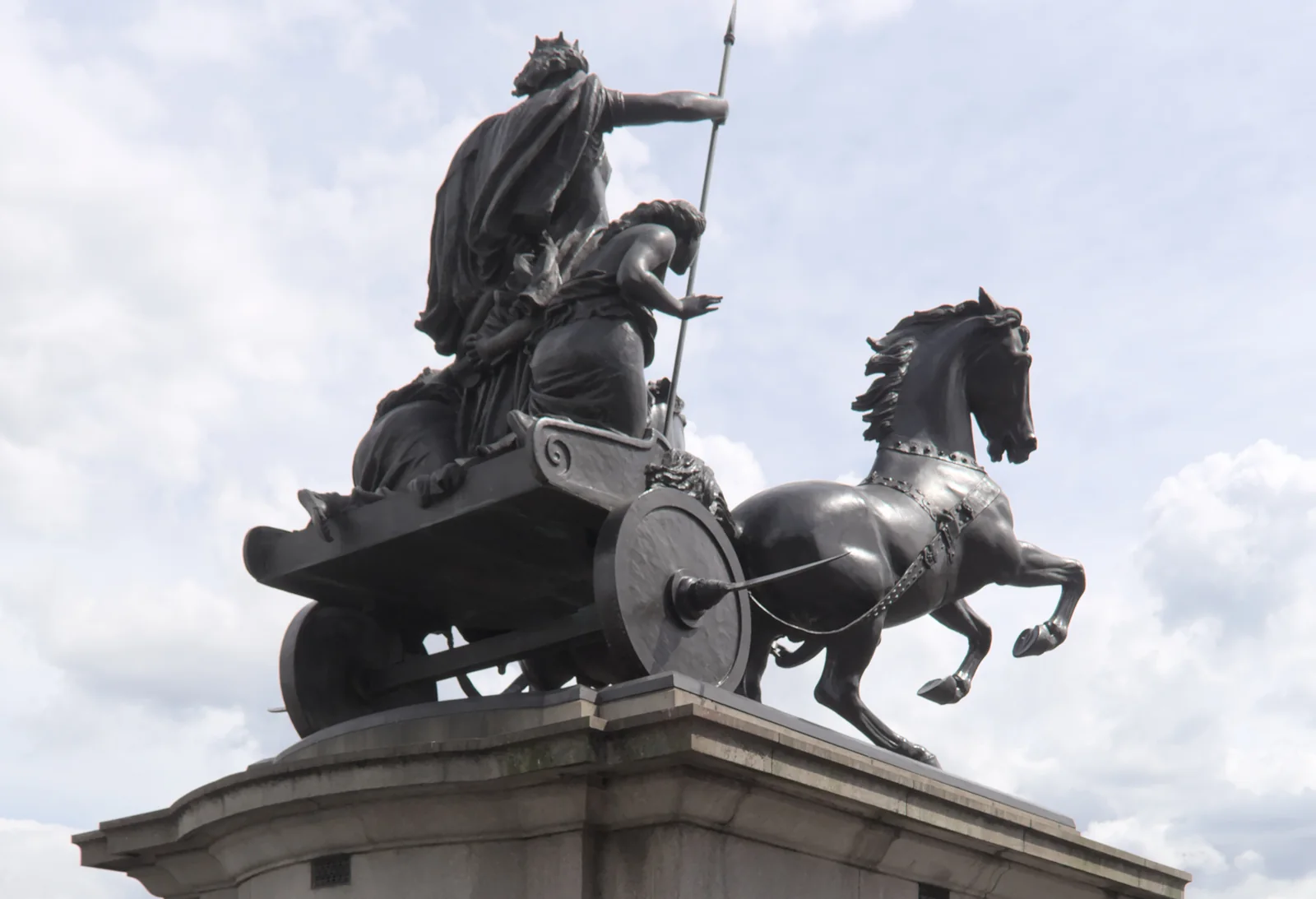
The Middle Ages 12th to 15th century
One woman known only from war tales, and one of the best documented lives of her century.
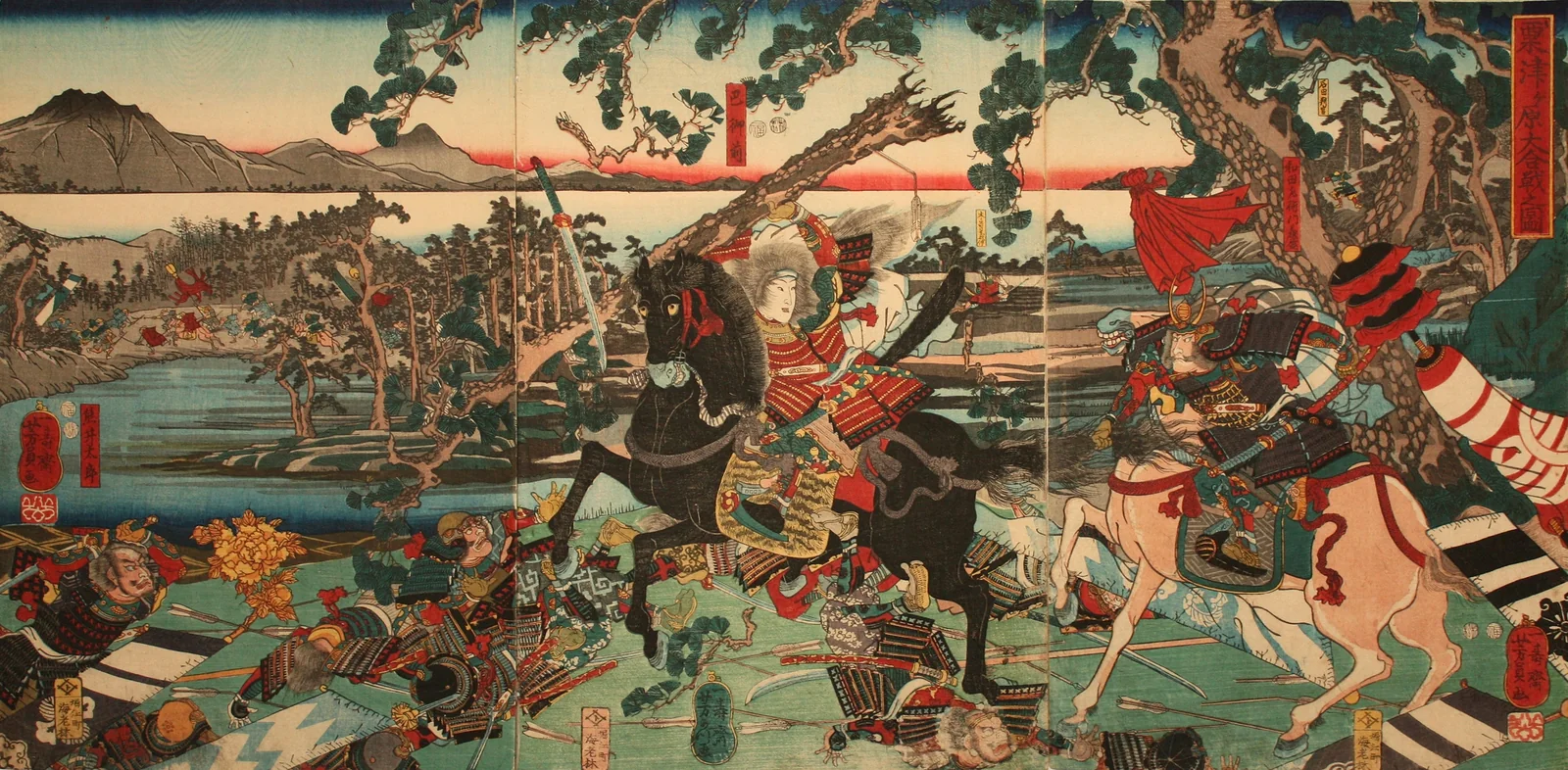
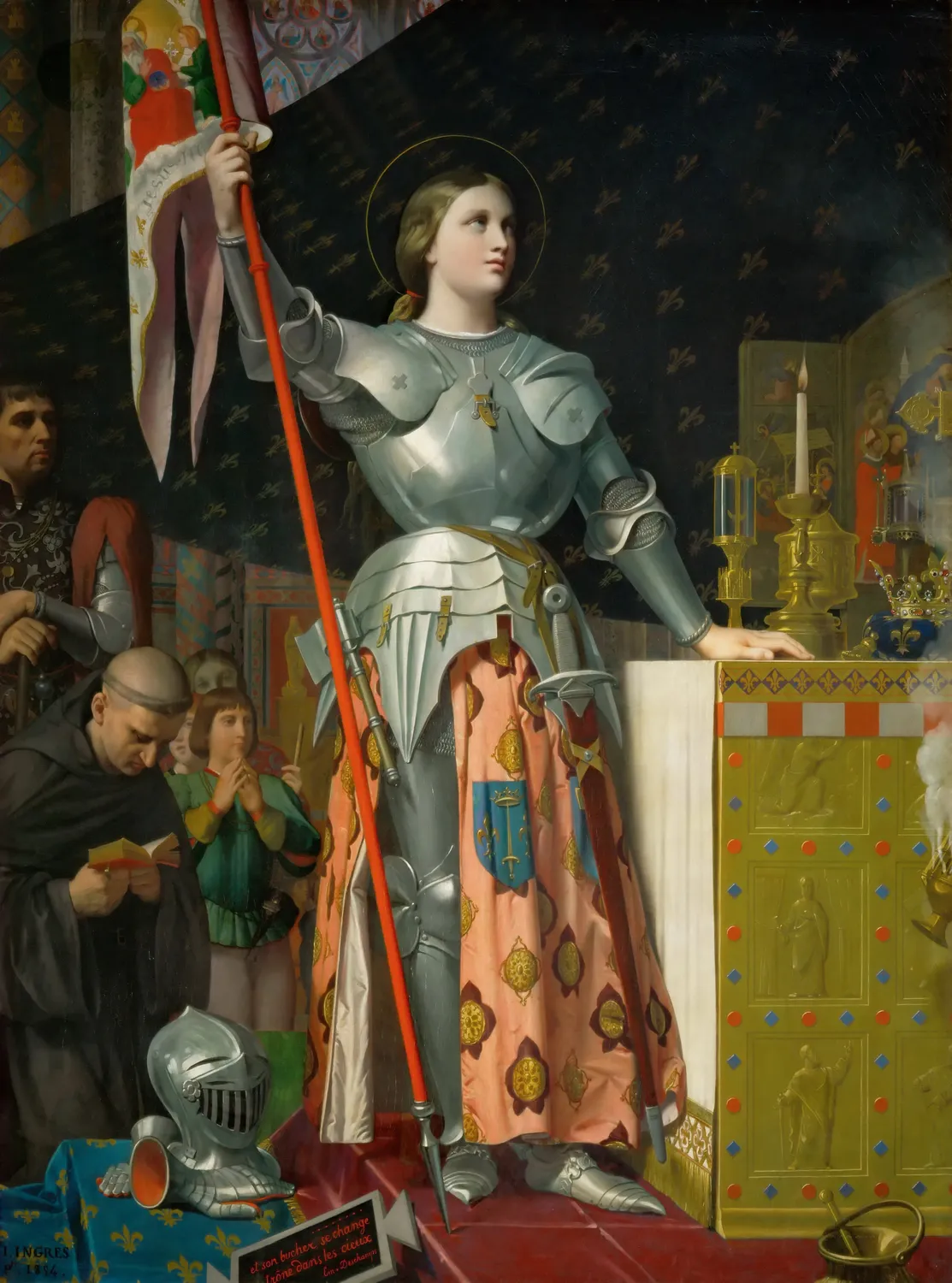
Revolutions and empires 1778 to 1856
A gun crew at Monmouth, an insurgent captain in Lithuania and a hospital at Scutari.
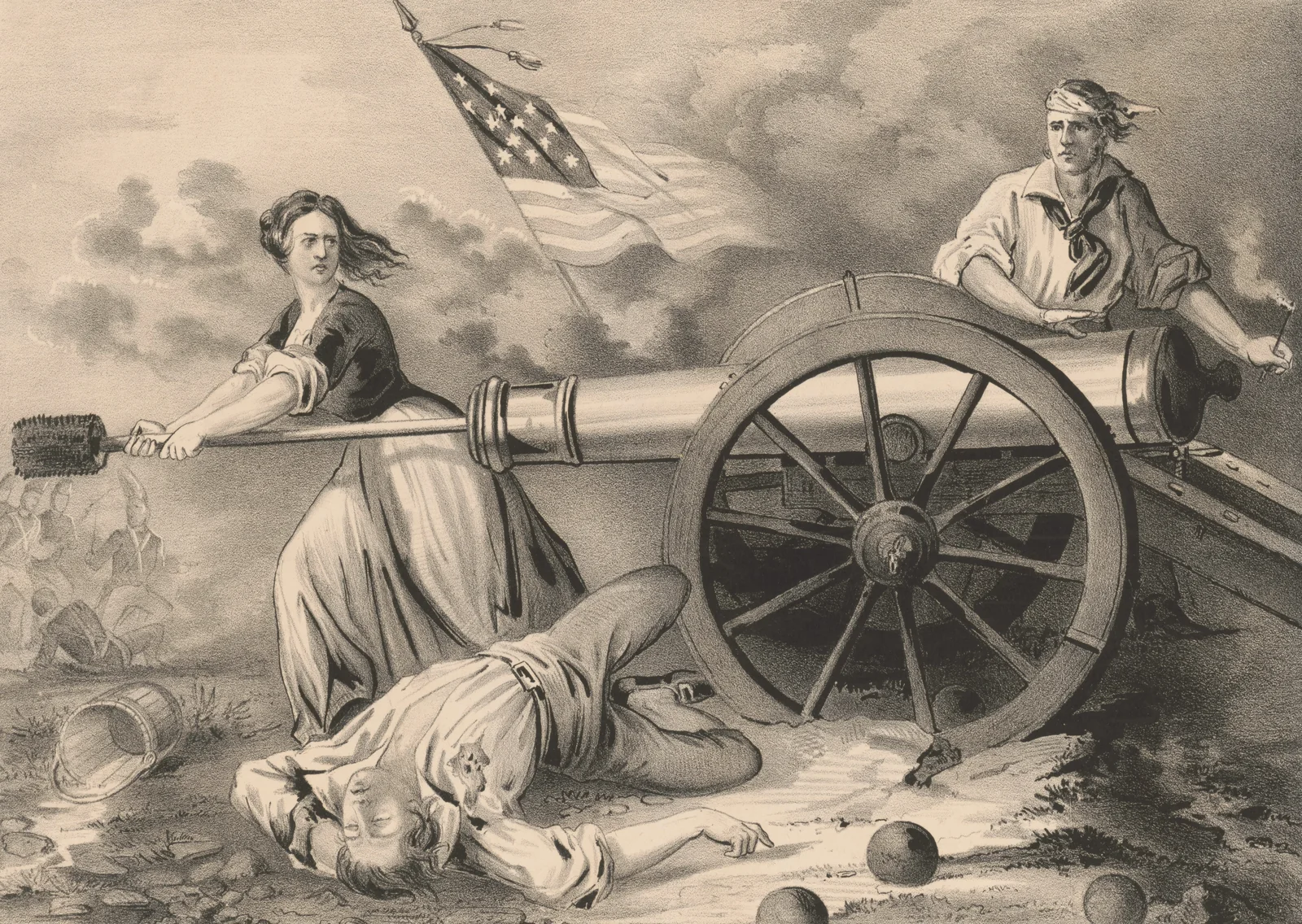 United States · 1778Molly Pitcher and the women at MonmouthAn eyewitness saw a woman serving a cannon at Monmouth but named no one. How the legend grew.Legend vs record
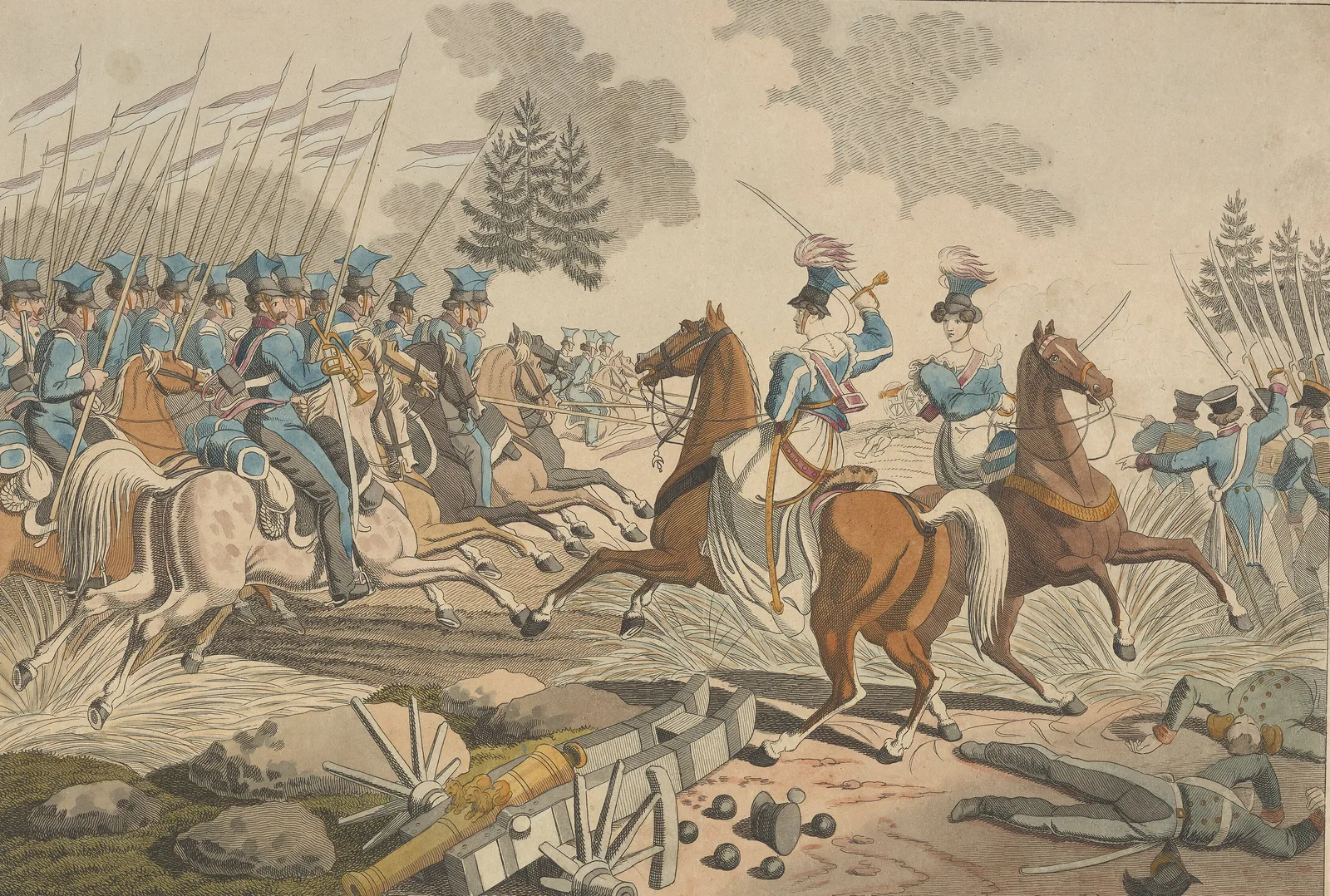 Lithuania · 1831Emilia PlaterA countess who raised insurgents in the November Uprising, was made a captain and refused to lay down her arms.
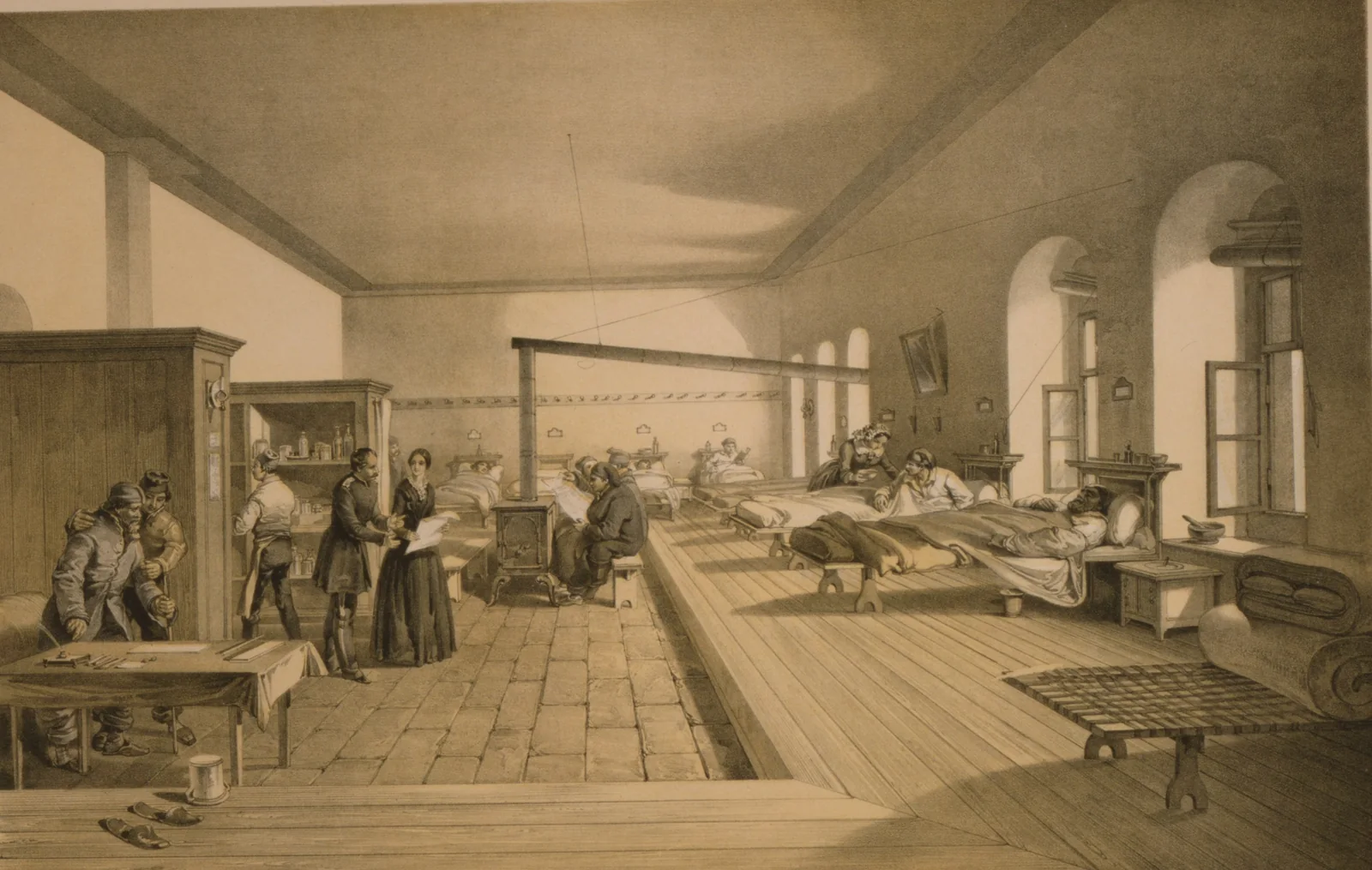 Crimean War · 1854 to 1856Florence NightingaleLed a party of 38 nurses to Scutari in 1854, then used statistics to push the army into health reform.
The Second World War 1941 to 1945
Hundreds of thousands of Soviet women served at the front. Two of the best known stories.
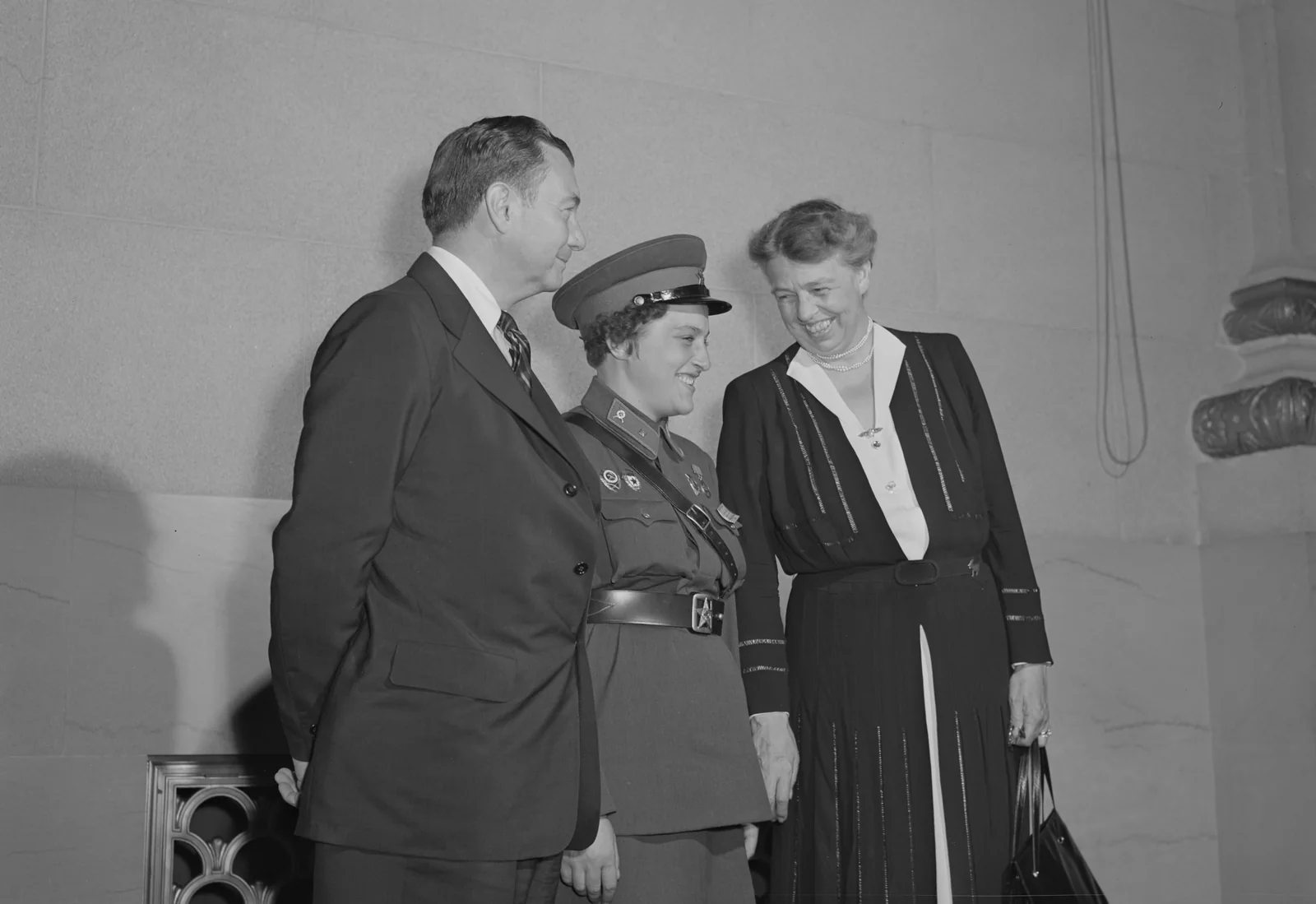
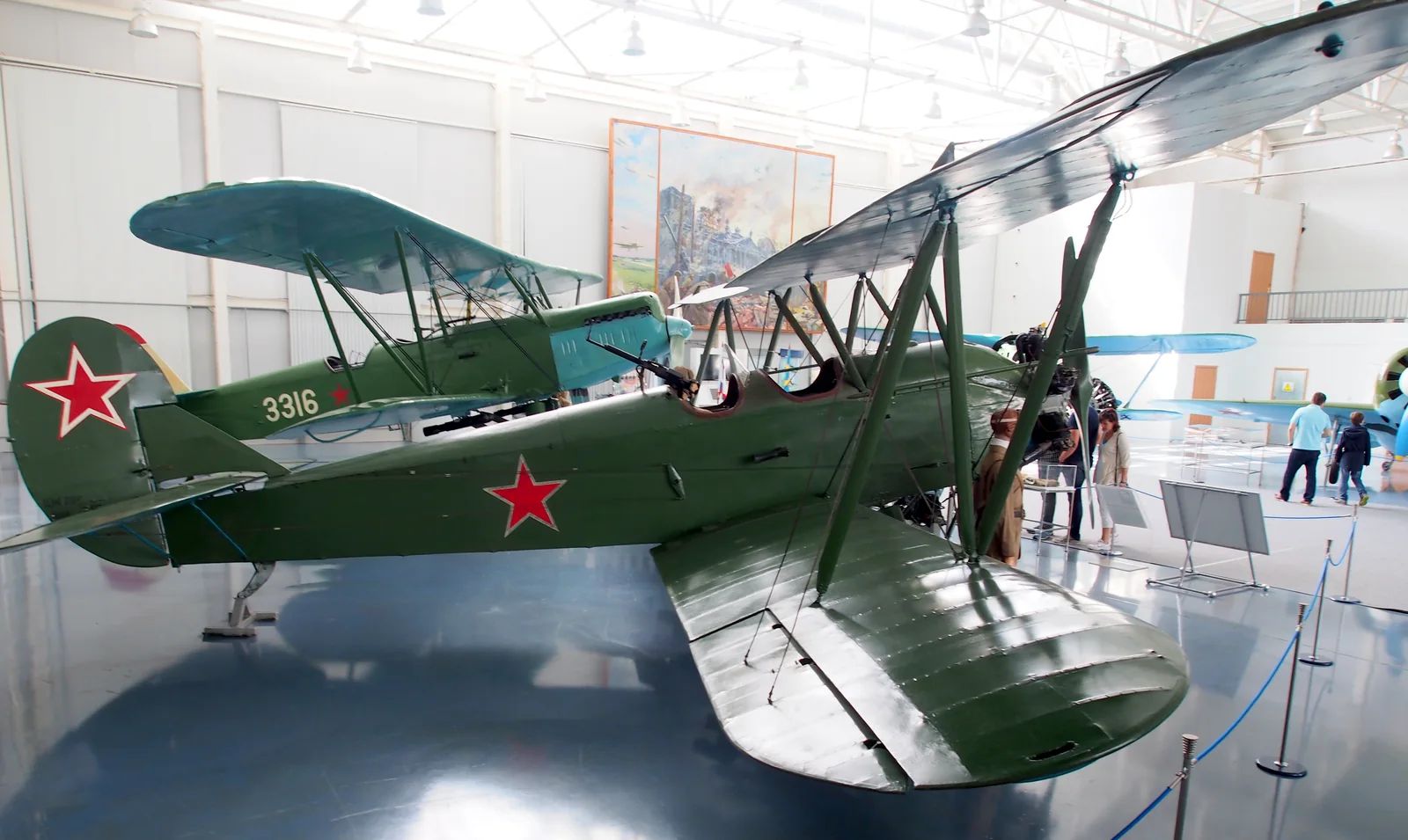
More women at war Guide
Ten short lives in one guide, including Nadezhda Durova, Lakshmibai of Jhansi, Flora Sandes and Elżbieta Zawacka.
Record and legend
Women at war attract legends, and legends travel faster than records. On every page we say where a story comes from: a chronicle written by the enemy, a war tale recited long after the events, a pension file, an official tally that cannot be checked.
Where sources disagree we give the range and name who claims what. For the wider picture, start with ten women warriors in history.
Frequently asked questions
Who are the most famous women in military history?
Boudica, Joan of Arc, Florence Nightingale, Lyudmila Pavlichenko and the Night Witches are among the best known. This collection tells each story with its sources and keeps legend apart from the record.
Was Molly Pitcher a real person?
Probably not as one person. An eyewitness, Joseph Plumb Martin, saw a woman serving a cannon at Monmouth in 1778 but did not name her, and Mary Ludwig Hays was tied to the name only after her death. Most historians see Molly Pitcher as a composite.
Was Tomoe Gozen real?
We cannot be sure. She appears in the Tale of the Heike and related war tales composed after the Genpei War, and no document from her own lifetime names her.
Did Florence Nightingale fight in a war?
No. She was a nurse. During the Crimean War she led the nursing at the British army hospital at Scutari, then spent decades pressing for army health reform.
The turning points of history
Marathon, Gaugamela, Cannae, Constantinople, Waterloo, Stalingrad: the days the world changed course.






History, from every side
Echoes of Battle brings the great battles of history to life, scene by scene on the real map. Enlist below and we will send word to your inbox the day it launches.