

Who were the greatest commanders of each era?
Our picks: Alexander the Great for antiquity, Genghis Khan for the Middle Ages, Tokugawa Ieyasu and Jan III Sobieski for the early modern era, Napoleon for his own age, Ulysses S. Grant for the industrial age, Józef Piłsudski for the First World War era and Georgy Zhukov for the Second World War. Each is a judgment on stated criteria.
Who was the greatest general of each age? Any such list is a judgment, so here are ours and the rules behind them. We ranked commanders by three criteria: what they achieved in the wars they led, the skill historians credit them with in the field, and how much later commanders learned from them. Defeats count against them, and we note the best-known ones. Order within each era is our editorial call, not a score. Each commander links to a full, sourced biography.
The game is old. Hannibal, in a story told by Livy and Plutarch, ranked Alexander first, Pyrrhus second and himself third, and Napoleon's maxims tell officers to study Alexander, Hannibal, Caesar, Gustavus Adolphus, Turenne, Eugene and Frederick.1
Antiquity, to AD 476
The ancient world gives us the names every later commander was measured against. Napoleon told officers to read the campaigns of Alexander, Hannibal and Caesar again and again. Explore the era: Antiquity.2

Defeated Darius III and conquered the Persian Empire, without losing a pitched battle.3

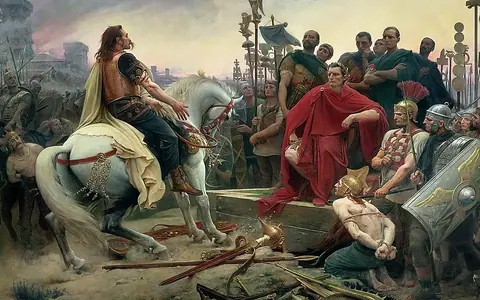
Conquered Gaul, crowned by the siege of Alesia in 52 BC, the same year he was thrown back at Gergovia.5
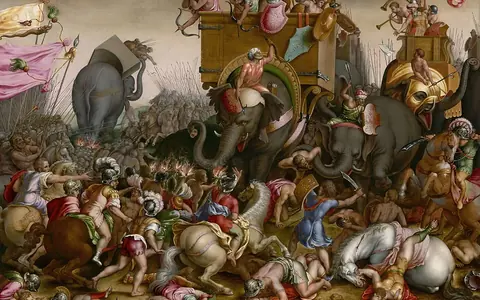
Beat Hannibal at Zama in 202 BC and ended the Second Punic War.6
The Middle Ages, 476 to 1500
The medieval list is dominated by the steppe. Mongol armies under Genghis Khan and his generals conquered more land than any power before them, while Byzantium and the Islamic world produced generals who fought on several fronts at once. Explore the era: The Middle Ages.
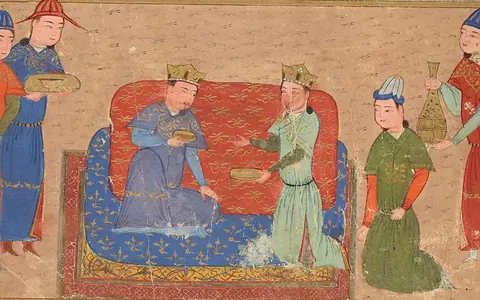
Founded the Mongol Empire, which he ruled from 1206 and which his heirs made the largest contiguous land empire in history.8
Beat a larger Persian army at Dara in 530, retook Africa from the Vandals and took Ravenna in 540; lost at Callinicum in 531.10
The early modern era, 1500 to 1789
Gunpowder changed war without ending the cavalry charge. Our list mixes the generals who mastered pike and shot with the Polish-Lithuanian hetmans whose winged hussars beat far larger armies. Explore the era: The early modern era.
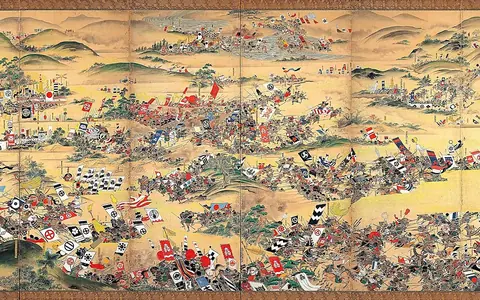
Won Sekigahara in 1600 and founded the shogunate that ruled Japan for two and a half centuries.13
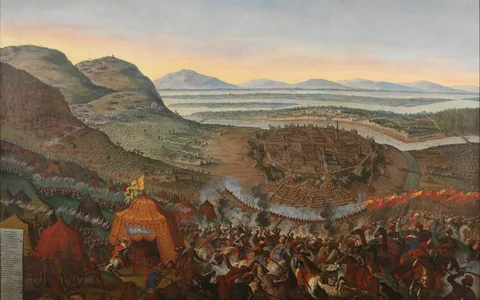
Led the relief army that broke the Ottoman siege of Vienna in 1683.14
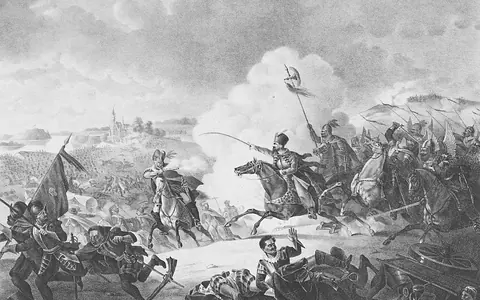
Routed a Swedish army about three times his size at Kircholm in 1605.15
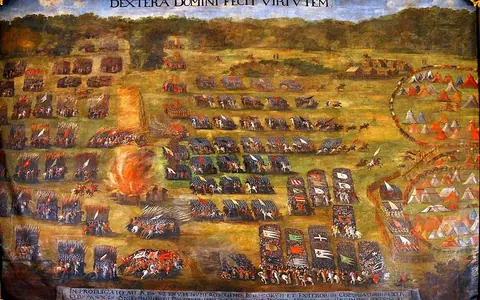
Beat a Russian and mercenary army at Klushino in 1610 and opened the road to Moscow; killed after Cecora in 1620.16
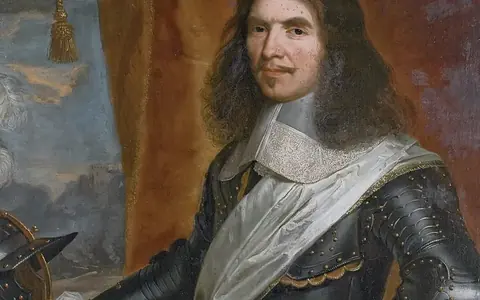
Also in contention: Gustavus Adolphus of Sweden, victor of Breitenfeld in 1631, killed at Lützen in 1632, whom Napoleon also named among the great captains.18
The Napoleonic era, 1789 to 1815
One man gives this era its name, but he did not have it all his own way: the general and the admiral who beat him belong on the list too. Explore the era: The Napoleonic era.
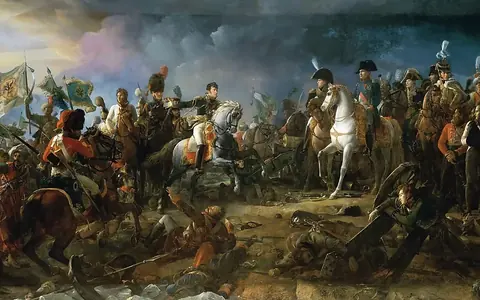
Won Austerlitz in 1805 and dominated Europe for a decade; lost at Leipzig and Waterloo.19
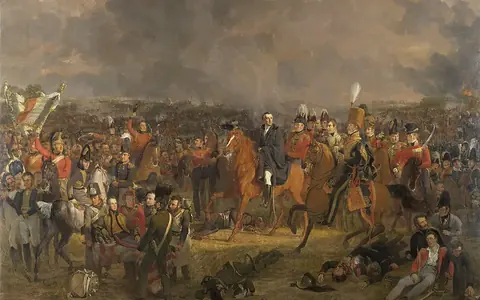
Beat Napoleon at Waterloo in 1815, together with Blücher's Prussians.20
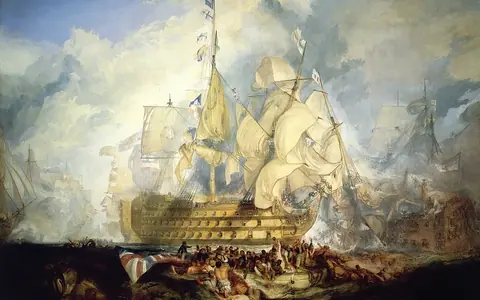
Destroyed the Franco-Spanish fleet at Trafalgar in 1805 and was killed in the battle.21
The industrial age, 1815 to 1914
Railways, rifles and the telegraph made war larger and faster. The American Civil War produced the best documented generals of the century; in Europe the Prussian staff system set the pattern. Explore the era: The industrial age.
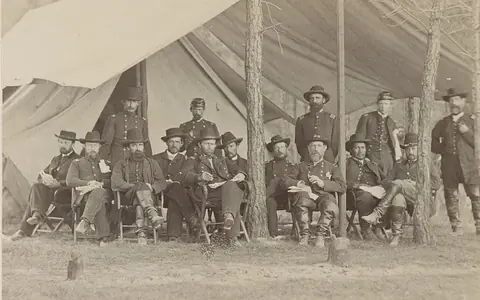
Commanded all Union armies from March 1864 and won the Civil War; later 18th president.22
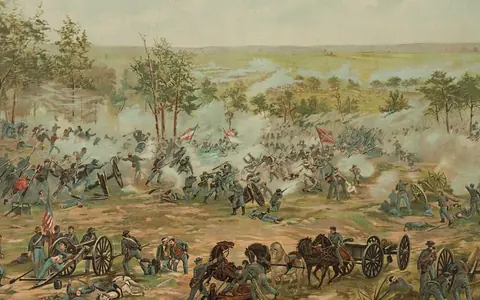
Led the Army of Northern Virginia from 1862; lost at Gettysburg in 1863 and surrendered at Appomattox in April 1865.23
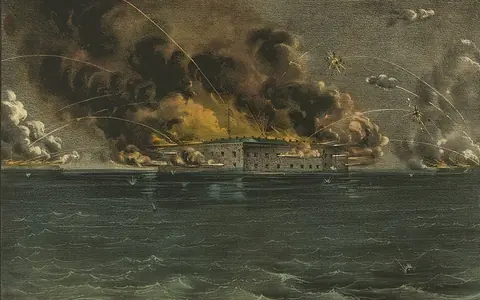
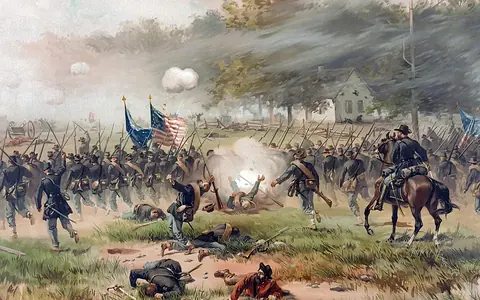
Won the Shenandoah Valley campaign of 1862; mortally wounded by his own men at Chancellorsville.25
Also in contention: Helmuth von Moltke the Elder, the Prussian chief of staff who directed the victories at Königgrätz in 1866 and Sedan in 1870.26
The First World War, 1914 to 1918, and the wars that followed
Few reputations survived the trenches. The commanders who stand out either broke the deadlock or won the wars of movement that came after it. Explore the era: The First World War.
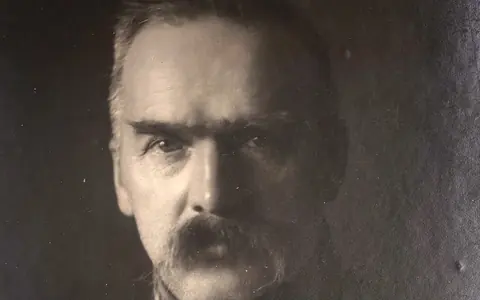
Commander-in-chief at the Battle of Warsaw in August 1920, which stopped the Red Army.27
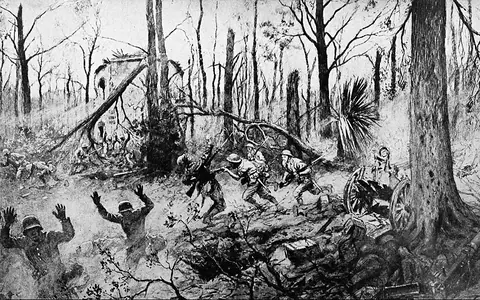
Built the American Expeditionary Forces and led them in the Meuse-Argonne offensive of 1918.28
Also in contention: Ferdinand Foch, made Allied supreme commander in 1918, and Aleksei Brusilov, whose offensive of June 1916 was one of the war's great breakthroughs.29
The Second World War, 1939 to 1945
The largest war in history needed commanders on land, at sea and at the head of coalitions. Our picks cover all three. Explore the era: The Second World War.
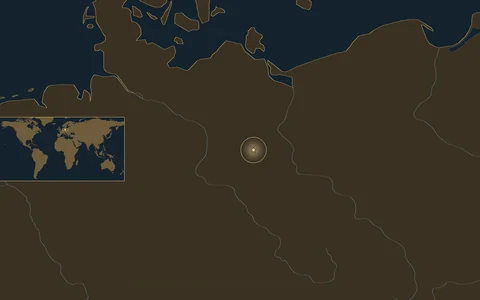
Won at Khalkhin Gol in 1939 and led the Soviet assault that took Berlin in 1945.30
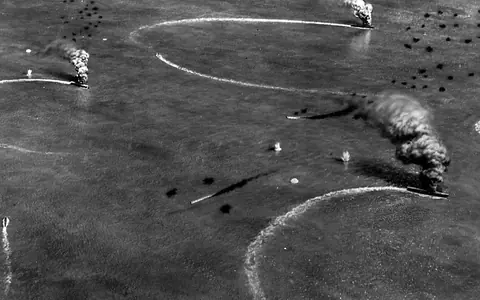
Commanded the US Pacific Fleet and signed Japan's surrender for the United States in 1945.31
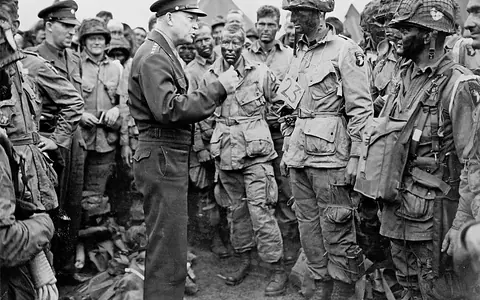
Supreme commander of the Allied invasion of Normandy on 6 June 1944.32
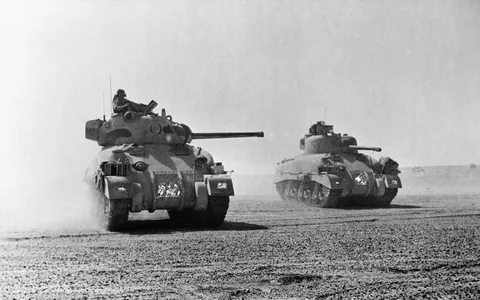
Failed to take Tobruk in 1941, took it in 1942, then was decisively beaten at El Alamein that autumn.33
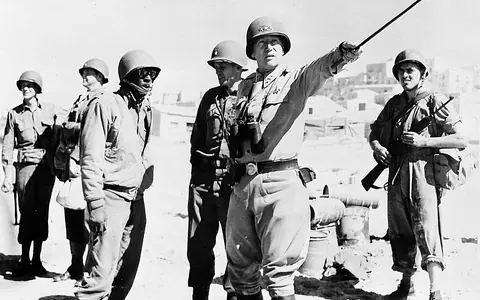
Who is the greatest commander of all time?
There is no agreed answer, and anyone who gives one is making a judgment. Alexander the Great is named most often, as he was by Hannibal in the story Livy tells, because he conquered the Persian Empire without losing a pitched battle. Napoleon, Genghis Khan and Hannibal are the usual challengers, each strongest on a different measure.
Want the arguments in detail? Read our head-to-heads: Alexander vs Caesar, Genghis Khan vs Hannibal, Sun Tzu vs Clausewitz and Winged Hussars vs Cuirassiers, or our all-time list of the greatest military commanders.





