

What were the Arab-Israeli wars and who won?
They were four major wars between Israel and neighboring Arab states, in 1948 to 1949, 1956, 1967 and 1973. Israel survived the first and ended it with more land than the UN plan gave it, won decisively in 1967 and turned back a surprise attack in 1973, which opened the way to Egyptian-Israeli peace in 1979.1
Between 1948 and 1973 Israel and its Arab neighbors fought four major wars: the war of 1948 to 1949, the Suez Crisis of 1956, the Six-Day War of 1967 and the Yom Kippur War of 1973. Each war has more than one name, because Israelis and Arabs remember them differently, and this guide gives both. Start with our articles on Operation Horev (1948), the Suez Crisis (1956), the Battle of Karameh (1968), the Battle of Latakia (1973) and our explainer on the Yom Kippur War.2
The guide follows the wars in order, sets out what each government said it was fighting for, and gives the results on every side. It ends with the Egyptian-Israeli peace treaty and a short note on the Israeli invasion of Lebanon in 1982; later events are outside its scope.
Causes of the Arab-Israeli wars
After decades of conflict between Arabs and Jews in Palestine under British rule, Britain announced in 1947 that it would leave. On 29 November 1947 the UN General Assembly adopted Resolution 181, which divided the mandate into a Jewish state and an Arab state and placed Jerusalem and its surroundings under international administration.3
Jewish leaders accepted the plan. The Palestinian Arabs and the Arab states rejected it: the State Department's historians say Palestinian Arabs saw it as favorable to the Jews and unfair to the Arabs who would remain in the Jewish state, and the Arab side argued that it violated the principles of the UN Charter.4
Each side's aims in 1947 and 1948 are summed up in similar terms by American and reference sources. The Arab side first sought to block partition and prevent a Jewish state, and the Arab armies that entered in May 1948 aimed to defeat the new state; the Jewish side sought to secure the territory the plan had given it and to win statehood.5
Each later war had its own trigger. In 1956 it was Egypt's nationalization of the Suez Canal Company; in 1967, a spiral of guerrilla raids, Israeli reprisals and Egyptian moves in Sinai; in 1973, the attempt by Egypt and Syria to recover the land they had lost in 1967 after diplomacy had stalled.6
Who fought in the Arab-Israeli wars
In the first months after the partition vote, Palestinian Arab irregulars and the Arab Liberation Army, made up of volunteers from Palestine and the neighboring Arab countries, fought the Jewish forces: the Haganah, the underground militia of the Jewish community, and two smaller groups, the Irgun and LEHI.7
From May 1948 the regular armies of Egypt, Transjordan, Iraq, Syria and Lebanon entered the former mandate. Transjordan's British-trained army fought only in the areas set aside for the Arab state and in Jerusalem.8

In 1956 Israel, Britain and France fought Egypt. In 1967 Israel fought Egypt, Syria and Jordan, after Jordan and then Iraq joined Egypt's defense pact. In 1973 Egypt and Syria attacked Israel.9
The superpowers stood behind the armies without fighting each other. In 1973 the Soviet Union resupplied Egypt and Syria by air, and from 14 October American planes carried weapons to Israel.10
The 1948 to 1949 war: Israel's War of Independence and the Nakba
Fighting broke out inside Palestine almost as soon as the UN voted, and both sides attacked civilians. On 9 April 1948 Irgun and LEHI forces killed more than a hundred Arab villagers at Deir Yassin, and news of the killings spread fear and calls for revenge; days later Arab fighters attacked a Jewish medical convoy bound for Hadassah Hospital and killed nearly eighty people.11
On 14 May 1948 David Ben-Gurion, head of the Jewish Agency, proclaimed the State of Israel. Egyptian aircraft bombed Tel Aviv, and the armies of the neighboring Arab states crossed into the former mandate.12
After hard early fighting, two UN-brokered truces gave Israel time to reorganize, and its forces took the offensive. In October Operation Yoav, and in December Operation Horev, drove the Egyptian army back across the Negev; by early 1949 Israel held the Negev up to the old frontier with Egypt, except for the Gaza Strip.13
Between February and July 1949 Israel signed separate armistice agreements with Egypt, Lebanon, Transjordan and Syria. Israel ended the war with more territory than the partition plan had given it, while Egypt kept the Gaza Strip and Jordan the West Bank. No peace treaties followed.14
The war displaced a large part of the Arab population of Palestine. A UN study puts the number of Palestinian refugees at 726,000 by the end of 1949; the EBSCO reference work gives a range of 700,000 to 900,000. In December 1948 the UN General Assembly called for the return of refugees or compensation in Resolution 194.15
Why so many left is still argued. The EBSCO account links the flight to Jewish military advances and to fear after attacks such as Deir Yassin, and the UN study says the refugees fled the war or were expelled. The two memories are captured in the war's names: in Israel it is the War of Independence, and in the Arab world the Nakba, Arabic for “catastrophe”.16
The Suez Crisis of 1956
The crisis began after the United States and Britain withdrew their offer to finance Egypt's Aswan High Dam. On 26 July 1956 President Gamal Abdel Nasser nationalized the Suez Canal Company, a British and French enterprise, saying the canal tolls would pay for the dam.17
Israel had its own grievances: Egypt barred Israeli ships from the canal, blockaded the Straits of Tiran and Israel's port of Eilat, and backed raids into Israel in 1955 and 1956. Britain and France agreed a secret plan with Israel: Israel would invade Sinai, and the two powers would then intervene as peacemakers and seize the canal.18
On 29 October 1956 Israel invaded Sinai in what it calls the Sinai Campaign. Within days Israeli forces had overrun most of the peninsula. After Anglo-French air attacks, British and French troops landed at Port Said and Port Fuad on 5 and 6 November.19
The landings went well militarily, but the United States, fearing Soviet intervention and any link with European colonialism, pressed hard on London, including on its currency. Britain and France accepted a UN ceasefire that took effect at midnight on 6 to 7 November, and a UN Emergency Force replaced their troops.20

Under American pressure Israel left Sinai and Gaza in 1957, and UN troops took up positions on the border. Egypt had lost on the battlefield, but Nasser came out stronger as a leader of the Arab world, while Israel won free passage through the Straits of Tiran. Britain's prime minister, Anthony Eden, resigned in January 1957 and was succeeded by Harold Macmillan.21
The Six-Day War of 1967
The war, also called the third Arab-Israeli war, came after years of rising tension. Palestinian guerrilla groups based in Syria, Jordan and Lebanon raided Israel, and Israel answered with reprisals, such as its attack on the West Bank village of Samu in November 1966.22
In May 1967 the Soviet Union told Egypt and Syria, wrongly, that Israel was massing troops against Syria. Nasser, under pressure from Syria to act, sent troops into Sinai, demanded the withdrawal of the UN force and on 22 May closed the Straits of Tiran to Israeli shipping. On 30 May Jordan signed a defense pact with Egypt, and Iraq soon joined.23
On the morning of 5 June Israel launched preemptive air strikes that destroyed most of Egypt's air force on the ground, and then the Syrian air force. With no air cover, the Egyptian army lost Gaza and the whole of Sinai up to the canal within days. Moshe Dayan, the new defense minister, and the chief of staff, Yitzhak Rabin, directed the campaign.24
Jordan opened fire in Jerusalem the same day, and by 7 June Israeli forces had taken East Jerusalem, with the Old City, and most of the West Bank. On 9 and 10 June Israel stormed the Golan Heights, and Syria accepted the ceasefire on 10 June.25
Israel now held Sinai, the Gaza Strip, the West Bank with East Jerusalem and the Golan Heights. Britannica speaks of hundreds of thousands of new refugees, and a UN study puts those who fled at almost half a million. On 22 November the Security Council adopted Resolution 242, which called for Israeli withdrawal from occupied territories in return for peace and recognition, a formula both sides read differently.26
The new lines lasted. Israel absorbed East Jerusalem and began to build Jewish settlements in the occupied territories, which alarmed its American ally; the Gaza Strip and the West Bank stayed under Israeli military rule, and only Sinai would later be returned.27
The War of Attrition and the Battle of Karameh, 1967 to 1970
Palestinian guerrillas, led by Fatah, kept attacking Israel from bases in Jordan. On 21 March 1968 Israeli forces crossed the Jordan to raid the guerrilla base at Karameh. Palestinian fighters and the Jordanian army, whose artillery stopped an Israeli tank column, resisted, and Israel withdrew the same day. On 24 March the UN Security Council condemned the raid in Resolution 248.28
The result is still told in different ways. The Encyclopedia of the Modern Middle East and North Africa records that the town was destroyed, that Jordanian military sources credit Jordan's troops with most of the fighting, and that after what Palestinians saw as a symbolic victory thousands of young men joined the guerrilla groups. A study of the American response in the Athens Journal of History likewise finds that the battle gave the PLO and Fatah a great boost.29
Along the Suez Canal, Egypt began a War of Attrition in March 1969: its artillery shelled Israeli positions and Israel struck back with raids and air attacks. In 1970 the Soviet Union sent missiles, aircraft and advisers and became directly involved, until both sides accepted an American ceasefire initiative and stopped fighting on 7 August 1970.30
In September 1970 King Hussein of Jordan turned on the Palestinian guerrillas in the civil war remembered as Black September, and by 1971 he had forced them out of the country; the PLO moved to Lebanon. Nasser died the same month and was succeeded by Anwar Sadat.31
The Yom Kippur War of 1973
Sadat offered a settlement if Israel returned the land taken in 1967, as Resolution 242 required; Israel rejected his terms, and American diplomacy stalled. Sadat then planned a limited war to break the deadlock and draw the United States into negotiations. His ally, Syria's president Hafez al-Assad, wanted to recover the Golan Heights.32
On 6 October 1973, Yom Kippur, the holiest day of the Jewish year and during the Muslim fast of Ramadan, Egypt and Syria attacked together. Egyptian forces crossed the Suez Canal and overran Israel's fortifications on its east bank, and Syrian forces broke into the Golan Heights. Israeli intelligence had missed the preparations. Israelis know the war as the Yom Kippur War; it is also called the October War.33
The first days went badly for Israel. A counterattack against the Egyptian bridgeheads failed, and its reserve stocks of munitions began to run out. By 9 October, though, Israeli forces had contained both fronts. Because Egypt dug in on the east bank instead of pressing on to help Syria, Israel could deal with the Syrians first and then turn south; the two allies' different aims soon strained their partnership.34
Both superpowers resupplied their allies. The Soviet Union flew arms to Egypt and Syria, and after Israeli losses President Richard Nixon approved an American airlift, which began landing in Israel on 14 October.35

Israel first pushed the Syrians back off the Golan toward Damascus. On 16 October Israeli forces, led among others by General Ariel Sharon, crossed the Suez Canal and encircled the Egyptian Third Army.36

The Security Council called for a ceasefire in Resolution 338 on 22 October, after Henry Kissinger negotiated it in Moscow, but fighting went on. When Leonid Brezhnev threatened to send Soviet troops, the United States put its forces on nuclear alert on 25 October, and the war ended on 26 October.37
At sea, on the first night of the war, Israeli and Syrian missile boats fought the Battle of Latakia, the first battle between ships armed with anti-ship missiles. Chaff decoys defeated every Syrian missile, and a study at the US Naval Postgraduate School and an analysis published by the Center for International Maritime Security both record five Syrian vessels destroyed.38
The war cost Israel, Egypt and Syria heavy casualties and great quantities of equipment. Angered by the airlift, Arab oil producers imposed an embargo on the United States, which set off an international energy crisis. Our explainer on the Yom Kippur War follows the twenty days in detail.39
Key commanders of the Arab-Israeli wars
On the Israeli side, David Ben-Gurion, head of the Jewish Agency, proclaimed the state in 1948. Moshe Dayan ran the 1967 war as defense minister, with Yitzhak Rabin as chief of staff. Golda Meir, prime minister in 1973, turned to Washington for arms, and Ariel Sharon led the canal crossing.40
On the Arab side, Gamal Abdel Nasser of Egypt nationalized the canal in 1956 and led Egypt into the 1967 war. King Hussein of Jordan joined that war and later fought the Palestinian guerrillas. Anwar Sadat and Syria's Hafez al-Assad planned the 1973 attack. Yasser Arafat's Fatah came to prominence at Karameh.41
Outside the region, Anthony Eden took Britain into Suez and Dwight Eisenhower forced the invasion to stop. In 1973 Henry Kissinger negotiated the ceasefire, and in 1978 Jimmy Carter brought Egypt and Israel together at Camp David.42
Who won the Arab-Israeli wars?
No single side won every war. The war of 1948 to 1949 secured Israel's independence and enlarged its territory, while the Palestinians were left without a state of their own and hundreds of thousands became refugees.43
In 1956 Egypt was defeated on the battlefield but won politically, and Britain and France lost most of their influence in the Middle East. In 1967 Israel won a decisive victory.44
The verdict on 1973 depends on what is measured. The State Department's historians call it an Israeli victory won at great cost; Britannica notes that Israel never rebuilt its canal fortifications; the National Security Archive says the war brought triumphs and reverses for all sides and gave Sadat the American diplomatic role he had gone to war for.45
How the Arab-Israeli wars ended: from Camp David to 1982
After 1973 Kissinger's shuttle diplomacy produced two disengagement agreements between Israel and Egypt, in January 1974 and September 1975, which pulled the armies apart and placed a UN force between them.46
In November 1977 Sadat went to Jerusalem to deal with Israel directly. At Camp David in September 1978 he and Prime Minister Menachem Begin agreed, with Carter's mediation, on two frameworks, and on 26 March 1979 they signed a peace treaty. Israel returned the whole of Sinai, and Egypt recognized Israel.47

The second framework, on Palestinian self-government in the West Bank and Gaza, produced little: Palestinian representatives refused to take part, and Jordan's King Hussein condemned the accords. Sadat was isolated in the Arab world.48
In June 1982 Israel invaded Lebanon to drive out the PLO, which had built up bases there, and reached the outskirts of Beirut. The PLO fighters left the city under international supervision, and Israel withdrew from most of Lebanon by 1985. Here this guide ends.49
Major battles of the Arab-Israeli wars
Below, in date order, are our articles on the battles of these wars.
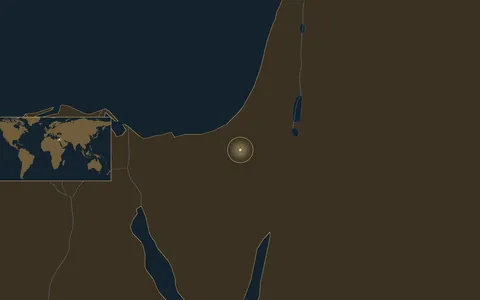
- 1948Operation Horev, 1948Israel vs Egypt
From 22 December 1948 Israeli brigades broke the Egyptian line in the Negev and drove into Sinai, until British warnings and American pressure pulled them back.
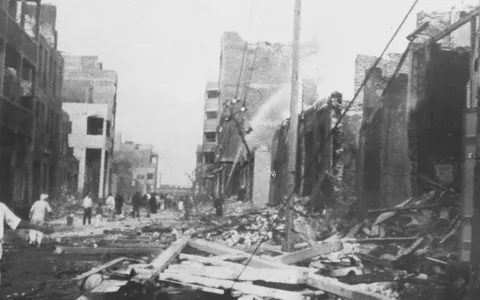
- 1956The Suez Crisis, 1956Israel, United Kingdom and France vs Egypt
On 29 October 1956 Israel invaded Sinai under a secret plan with Britain and France, who then attacked Egypt over the Suez Canal. US and UN pressure forced all three to withdraw.
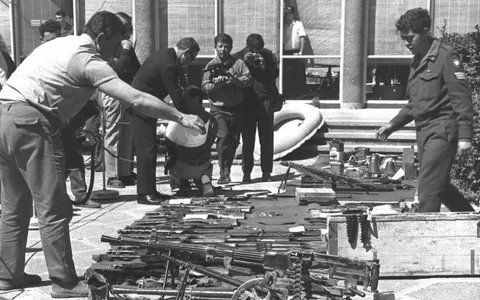
- 1968Battle of Karameh, 1968Israel vs Palestinian fedayeen and Jordan
On 21 March 1968 Israel raided the fedayeen base at Karama in Jordan. Fatah's fighters stood, Jordan's guns joined in, and a lost battle became a founding legend.
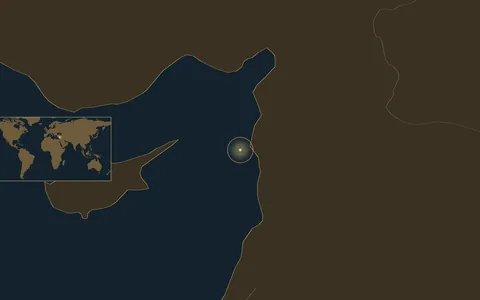
- 1973Battle of Latakia, 1973Israel vs Syria
On the first night of the Yom Kippur War Israeli missile boats sank five Syrian vessels off Latakia, in the first battle fought with anti-ship missiles on both sides.
Timeline of the Arab-Israeli wars
- 194729 November: the UN General Assembly adopts the partition plan, Resolution 181; fighting begins inside Palestine.50
- 19489 April: killings at Deir Yassin; 14 May: Israel declares independence and the Arab armies enter; December: Operation Horev in the Negev.51
- 1949February to July: armistice agreements with Egypt, Lebanon, Transjordan and Syria.52
- 1956
- 196722 May: Egypt closes the Straits of Tiran; 5 to 10 June: the Six-Day War; 22 November: Resolution 242.54
- 196821 March: Battle of Karameh in the Jordan valley.55
- 1969 to 1970The War of Attrition along the Suez Canal, ended by the ceasefire of 7 August 1970; September 1970: Black September in Jordan.56
- 19736 October: Egypt and Syria attack; night of 6 to 7 October: Battle of Latakia; 14 October: the US airlift reaches Israel; 16 October: Israeli forces cross the canal; 22 October: Resolution 338; 26 October: the fighting ends.57
- 1974 to 1975Disengagement agreements between Israel and Egypt, January 1974 and September 1975.58
- 1977 to 1979November 1977: Sadat in Jerusalem; September 1978: the Camp David Accords; 26 March 1979: the Egyptian-Israeli peace treaty.59
- 1982June: Israel invades Lebanon and reaches Beirut; the PLO leaves the city.60
Where to read next
For the battles themselves, read our articles on Operation Horev, the Suez Crisis, Karameh and Latakia, and our explainer on the Yom Kippur War. The outside powers' side of the story is told in our guides to the military history of the United States, Britain and France; for the other wars of the Cold War era, see the Korean War and the Vietnam War.
Notes
A number in the text points to a note; each note names the works that paragraph draws on, listed in full under Sources.
- Encyclopaedia Britannica, “Arab-Israeli wars”; Office of the Historian, “The Arab-Israeli War of 1948”; Richard Adler, “Israeli-Arab Wars”. ↩
- Encyclopaedia Britannica, “Arab-Israeli wars”; Richard Adler, “Israeli-Arab Wars”. ↩
- Encyclopaedia Britannica, “Arab-Israeli wars”; Office of the Historian, “The Arab-Israeli War of 1948”; Richard Adler, “Israeli-Arab Wars”. ↩
- Office of the Historian, “The Arab-Israeli War of 1948”; Richard Adler, “Israeli-Arab Wars”; United Nations, “About the Nakba”. ↩
- Office of the Historian, “The Arab-Israeli War of 1948”; Richard Adler, “Israeli-Arab Wars”. ↩
- Encyclopaedia Britannica, “Suez Crisis”; Office of the Historian, “Suez Crisis, 1956”; Encyclopaedia Britannica, “Six-Day War”; Office of the Historian, “The 1967 Arab-Israeli War”; Encyclopaedia Britannica, “Yom Kippur War”; Office of the Historian, “Arab-Israeli War 1973”. ↩
- Office of the Historian, “The Arab-Israeli War of 1948”; Richard Adler, “Israeli-Arab Wars”. ↩
- Encyclopaedia Britannica, “Arab-Israeli wars”; Office of the Historian, “The Arab-Israeli War of 1948”; Richard Adler, “Israeli-Arab Wars”. ↩
- Encyclopaedia Britannica, “Suez Crisis”; National Army Museum, “Suez Crisis”; Encyclopaedia Britannica, “Six-Day War”; Office of the Historian, “The 1967 Arab-Israeli War”; Richard Adler, “Israeli-Arab Wars”; Encyclopaedia Britannica, “Yom Kippur War”. ↩
- Office of the Historian, “The 1973 Arab-Israeli War”; Encyclopaedia Britannica, “Yom Kippur War”; William Burr, “The October War and U.S. Policy”. ↩
- Encyclopaedia Britannica, “Arab-Israeli wars”; Richard Adler, “Israeli-Arab Wars”. ↩
- Office of the Historian, “Creation of Israel, 1948”; Encyclopaedia Britannica, “Arab-Israeli wars”; Richard Adler, “Israeli-Arab Wars”. ↩
- Office of the Historian, “The Arab-Israeli War of 1948”; Encyclopaedia Britannica, “Arab-Israeli wars”; Richard Adler, “Israeli-Arab Wars”. ↩
- Encyclopaedia Britannica, “Arab-Israeli wars”; Office of the Historian, “The Arab-Israeli War of 1948”; Richard Adler, “Israeli-Arab Wars”. ↩
- United Nations, “The Origins and Evolution of the Palestine Problem, Part II”; Richard Adler, “Israeli-Arab Wars”; United Nations, “About the Nakba”. ↩
- Richard Adler, “Israeli-Arab Wars”; United Nations, “The Origins and Evolution of the Palestine Problem, Part II”; Encyclopaedia Britannica, “Arab-Israeli wars”; United Nations, “About the Nakba”. ↩
- Encyclopaedia Britannica, “Suez Crisis”; Office of the Historian, “Suez Crisis, 1956”; National Army Museum, “Suez Crisis”. ↩
- Encyclopaedia Britannica, “Arab-Israeli wars”; Encyclopaedia Britannica, “Suez Crisis”; Richard Adler, “Israeli-Arab Wars”; National Army Museum, “Suez Crisis”; Office of the Historian, “Suez Crisis, 1956”. ↩
- Encyclopaedia Britannica, “Suez Crisis”; Richard Adler, “Israeli-Arab Wars”; Encyclopaedia Britannica, “Moshe Dayan”; National Army Museum, “Suez Crisis”. ↩
- Office of the Historian, “Suez Crisis, 1956”; National Army Museum, “Suez Crisis”; Encyclopaedia Britannica, “Suez Crisis”. ↩
- Encyclopaedia Britannica, “Suez Crisis”; Richard Adler, “Israeli-Arab Wars”; Office of the Historian, “The 1967 Arab-Israeli War”; Office of the Historian, “Suez Crisis, 1956”; National Army Museum, “Suez Crisis”. ↩
- Encyclopaedia Britannica, “Six-Day War”; Office of the Historian, “The 1967 Arab-Israeli War”; Richard Adler, “Israeli-Arab Wars”. ↩
- Encyclopaedia Britannica, “Six-Day War”; Office of the Historian, “The 1967 Arab-Israeli War”; Richard Adler, “Israeli-Arab Wars”. ↩
- Encyclopaedia Britannica, “Six-Day War”; Richard Adler, “Israeli-Arab Wars”; Encyclopaedia Britannica, “Moshe Dayan”. ↩
- Encyclopaedia Britannica, “Six-Day War”; Richard Adler, “Israeli-Arab Wars”. ↩
- Office of the Historian, “The 1967 Arab-Israeli War”; Encyclopaedia Britannica, “Six-Day War”; United Nations, “The Origins and Evolution of the Palestine Problem, Part II”. ↩
- Office of the Historian, “The 1967 Arab-Israeli War”; Encyclopaedia Britannica, “Six-Day War”. ↩
- Lawrence Tal, “Karama, Battle of (1968)”; Foreign Relations of the United States, 1964 to 1968; Yousef Omar, “The United States Position towards the Battle of Al-Karameh and its Repercussions, March 21, 1968”. ↩
- Lawrence Tal, “Karama, Battle of (1968)”; Yousef Omar, “The United States Position towards the Battle of Al-Karameh and its Repercussions, March 21, 1968”. ↩
- Richard Adler, “Israeli-Arab Wars”; Office of the Historian, “The 1973 Arab-Israeli War”; Encyclopaedia Britannica, “Yom Kippur War”. ↩
- Encyclopaedia Britannica, “Jordan”; Richard Adler, “Israeli-Arab Wars”; Encyclopaedia Britannica, “Yom Kippur War”. ↩
- Encyclopaedia Britannica, “Yom Kippur War”; Office of the Historian, “The 1973 Arab-Israeli War”; William Burr, “The October War and U.S. Policy”; Encyclopaedia Britannica, “Hafez al-Assad”. ↩
- Encyclopaedia Britannica, “Yom Kippur War”; Office of the Historian, “Arab-Israeli War 1973”; William Burr, “The October War and U.S. Policy”; Richard Adler, “Israeli-Arab Wars”. ↩
- Office of the Historian, “The 1973 Arab-Israeli War”; Encyclopaedia Britannica, “Yom Kippur War”; Office of the Historian, “Arab-Israeli War 1973”; William Burr, “The October War and U.S. Policy”. ↩
- Office of the Historian, “The 1973 Arab-Israeli War”; Encyclopaedia Britannica, “Yom Kippur War”; William Burr, “The October War and U.S. Policy”. ↩
- Office of the Historian, “The 1973 Arab-Israeli War”; Encyclopaedia Britannica, “Yom Kippur War”; William Burr, “The October War and U.S. Policy”. ↩
- Office of the Historian, “The 1973 Arab-Israeli War”; William Burr, “The October War and U.S. Policy”; Encyclopaedia Britannica, “Yom Kippur War”. ↩
- John C. Schulte, An Analysis of the Historical Effectiveness of Anti-Ship Cruise Missiles in Littoral Warfare; Christian H. Heller, “The Impact of Insignificance”. ↩
- Encyclopaedia Britannica, “Yom Kippur War”; Office of the Historian, “The 1973 Arab-Israeli War”; William Burr, “The October War and U.S. Policy”. ↩
- Office of the Historian, “Creation of Israel, 1948”; Richard Adler, “Israeli-Arab Wars”; Encyclopaedia Britannica, “Moshe Dayan”; Encyclopaedia Britannica, “Yom Kippur War”; William Burr, “The October War and U.S. Policy”. ↩
- Office of the Historian, “Suez Crisis, 1956”; Encyclopaedia Britannica, “Six-Day War”; Encyclopaedia Britannica, “Jordan”; William Burr, “The October War and U.S. Policy”; Encyclopaedia Britannica, “Hafez al-Assad”; Lawrence Tal, “Karama, Battle of (1968)”; Yousef Omar, “The United States Position towards the Battle of Al-Karameh and its Repercussions, March 21, 1968”. ↩
- Office of the Historian, “Suez Crisis, 1956”; National Army Museum, “Suez Crisis”; Office of the Historian, “The 1973 Arab-Israeli War”; Office of the Historian, “Camp David Accords and the Arab-Israeli Peace Process”; Richard Adler, “Israeli-Arab Wars”. ↩
- Encyclopaedia Britannica, “Arab-Israeli wars”; Office of the Historian, “The Arab-Israeli War of 1948”; Richard Adler, “Israeli-Arab Wars”; United Nations, “The Origins and Evolution of the Palestine Problem, Part II”. ↩
- Encyclopaedia Britannica, “Suez Crisis”; Richard Adler, “Israeli-Arab Wars”; Encyclopaedia Britannica, “Six-Day War”; Office of the Historian, “The 1967 Arab-Israeli War”. ↩
- Office of the Historian, “The 1973 Arab-Israeli War”; Encyclopaedia Britannica, “Yom Kippur War”; William Burr, “The October War and U.S. Policy”. ↩
- Office of the Historian, “Arab-Israeli War 1973”; Encyclopaedia Britannica, “Yom Kippur War”. ↩
- Office of the Historian, “Camp David Accords and the Arab-Israeli Peace Process”; Richard Adler, “Israeli-Arab Wars”; Encyclopaedia Britannica, “Arab-Israeli wars”; Encyclopaedia Britannica, “Yom Kippur War”. ↩
- Office of the Historian, “Camp David Accords and the Arab-Israeli Peace Process”; Encyclopaedia Britannica, “Jordan”; Richard Adler, “Israeli-Arab Wars”. ↩
- Encyclopaedia Britannica, “Arab-Israeli wars”; Richard Adler, “Israeli-Arab Wars”. ↩
- Encyclopaedia Britannica, “Arab-Israeli wars”; Office of the Historian, “The Arab-Israeli War of 1948”. ↩
- Encyclopaedia Britannica, “Arab-Israeli wars”; Richard Adler, “Israeli-Arab Wars”; Office of the Historian, “Creation of Israel, 1948”. ↩
- Encyclopaedia Britannica, “Arab-Israeli wars”; Office of the Historian, “The Arab-Israeli War of 1948”. ↩
- Encyclopaedia Britannica, “Suez Crisis”; National Army Museum, “Suez Crisis”. ↩
- Encyclopaedia Britannica, “Six-Day War”; Office of the Historian, “The 1967 Arab-Israeli War”. ↩
- Lawrence Tal, “Karama, Battle of (1968)”; Foreign Relations of the United States, 1964 to 1968. ↩
- Richard Adler, “Israeli-Arab Wars”; Office of the Historian, “The 1973 Arab-Israeli War”; Encyclopaedia Britannica, “Jordan”. ↩
- Encyclopaedia Britannica, “Yom Kippur War”; Office of the Historian, “The 1973 Arab-Israeli War”; John C. Schulte, An Analysis of the Historical Effectiveness of Anti-Ship Cruise Missiles in Littoral Warfare. ↩
- Encyclopaedia Britannica, “Yom Kippur War”; Office of the Historian, “Arab-Israeli War 1973”. ↩
- Office of the Historian, “Camp David Accords and the Arab-Israeli Peace Process”; Richard Adler, “Israeli-Arab Wars”. ↩
- Encyclopaedia Britannica, “Arab-Israeli wars”; Richard Adler, “Israeli-Arab Wars”. ↩
Sources
- Encyclopaedia Britannica, “Arab-Israeli wars”.
- Office of the Historian, US Department of State, “The Arab-Israeli War of 1948”.
- Richard Adler, “Israeli-Arab Wars”, EBSCO Research Starters, 2023.
- United Nations, Question of Palestine, “About the Nakba”.
- Encyclopaedia Britannica, “Suez Crisis”.
- Office of the Historian, US Department of State, “Suez Crisis, 1956”.
- Encyclopaedia Britannica, “Six-Day War”.
- Office of the Historian, US Department of State, “The 1967 Arab-Israeli War”.
- Encyclopaedia Britannica, “Yom Kippur War”.
- Office of the Historian, US Department of State (archived site, 2001 to 2009), “Arab-Israeli War 1973”.
- National Army Museum, London, “Suez Crisis”.
- Office of the Historian, US Department of State, “The 1973 Arab-Israeli War”.
- William Burr (ed.), “The October War and U.S. Policy”, National Security Archive Electronic Briefing Book 98, George Washington University, 2003.
- Office of the Historian, US Department of State, “Creation of Israel, 1948”.
- United Nations, “The Origins and Evolution of the Palestine Problem, Part II: 1947 to 1977”, study prepared for the Committee on the Exercise of the Inalienable Rights of the Palestinian People.
- Encyclopaedia Britannica, “Moshe Dayan”.
- Lawrence Tal, “Karama, Battle of (1968)”, Encyclopedia of the Modern Middle East and North Africa, via Encyclopedia.com.
- Foreign Relations of the United States, 1964 to 1968, vol. XX, document 121, Harold Saunders to President Johnson, 21 March 1968.
- Yousef Omar, “The United States Position towards the Battle of Al-Karameh and its Repercussions, March 21, 1968”, Athens Journal of History 7, no. 2 (2021), pp. 163 to 184.
- Encyclopaedia Britannica, “Jordan: From 1967 to civil war”.
- Encyclopaedia Britannica, “Hafez al-Assad”.
- John C. Schulte, An Analysis of the Historical Effectiveness of Anti-Ship Cruise Missiles in Littoral Warfare, MS thesis, Naval Postgraduate School, Monterey, 1994.
- Christian H. Heller, “The Impact of Insignificance: Naval Developments from the Yom Kippur War”, Center for International Maritime Security (CIMSEC), 19 February 2019.
- Office of the Historian, US Department of State, “Camp David Accords and the Arab-Israeli Peace Process”.






