PLSubscribe

Battle of Navarino, 1827: The Last Fleet Battle Under Sail

Greek War of Independence · 20 October 1827 · Britain, France and Russia vs Ottoman Empire and Egypt · ~9 min read · Updated November 2026

Next anniversary: 20 October 2027, the 200th anniversary 20 October in history ›

Thomas Luny's painting of the Battle of Navarino: British and Ottoman ships of the line at anchor in thick smoke, a burning Turkish flagship at left, and men clinging to a wrecked boat and a floating mast in the foreground

Thomas Luny after George Philip Reinagle, The Battle of Navarino, 20 October 1827, 1828 (Royal Museums Greenwich, BHC0622), via Wikimedia Commons, public domain.

At a glance

The United Kingdom, the Kingdom of France and the Russian Empire fought the Ottoman Empire and Egypt.

Date
20 October 1827 (8 October in the Julian calendar then used in Russia and Greece)
Location
Bay of Navarino (today Pylos), behind the island of Sphacteria, southwestern Peloponnese, Greece
War
Greek War of Independence
United Kingdom, Kingdom of France and Russian EmpireVice-Admiral Sir Edward Codrington in overall command, with Rear-Admiral Henri de Rigny (French squadron) and Rear-Admiral Count Heiden (Russian squadron)
Ottoman Empire and EgyptIbrahim Pasha, commander-in-chief, away from the bay. Ottoman admirals: Tahir Pasha and the Capitan Bey. Egyptian admiral: Moharrem Bey

By the numbers

Ships and guns
United Kingdom, Kingdom of France and Russian Empire:
British, French and Russian 26 or 27 ships, ten of them ships of the line by Finlay's count (eleven by Lambert's), with about 1,270 guns1
Of these, the Russian squadron 8 ships, four of them ships of the line (Finlay, Phillips), with 452 guns by Finlay's count2
Ottoman Empire and Egypt:
Ottoman and Egyptian 65 warships by the count of the Capitan Bey's secretary, 82 in the battle line by Finlay and Phillips, 89 by Codrington's count, among them only three ships of the line, with about 2,000 to 2,240 guns3
Losses
United Kingdom, Kingdom of France and Russian Empire:
British, French and Russian 172 killed and 470 wounded (Finlay), 174 killed and 475 wounded (Lambert), 650 (Dictionary of National Biography). No ship lost4
Of these, the Russian squadron 59 killed and 139 wounded (Daly). The British ambassador's figures of 2016 also give 59 Russian dead5
Ottoman Empire and Egypt:
Ottoman and Egyptian At least 4,000 men (Lambert, Clowes), about 6,000 (Phillips, Hellenic Navy) or 7,000 (Daly). Of 82 ships, 29 were still afloat the next morning (Finlay, Phillips)6

Every count differs between the sources, which counted ships of different sizes and had no full Ottoman returns. Losses are killed and wounded.

Outcome
Allied victory. Most of the Ottoman-Egyptian fleet is sunk or burned, and no allied ship is lost

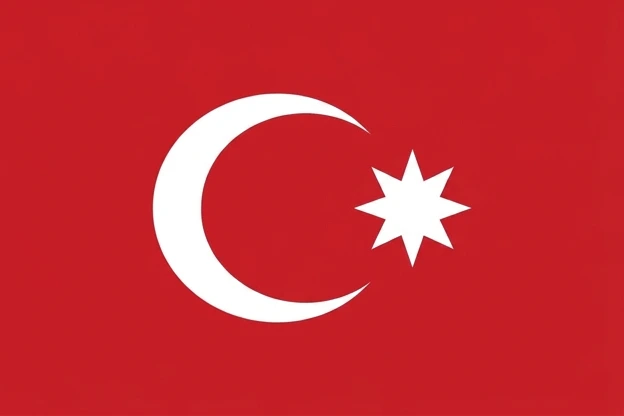
Flag: Ottoman Empire (1793-1844), reconstruction

Quick answer

What happened at the Battle of Navarino in 1827?

On 20 October 1827 a British, French and Russian fleet under Vice-Admiral Sir Edward Codrington sailed into the Bay of Navarino, in the southwestern Peloponnese, and anchored alongside the Ottoman and Egyptian fleet of Ibrahim Pasha. The allies had come to force an armistice on the Ottomans in the Greek War of Independence. A boat sent to move a Turkish fireship was fired on, the firing spread across the bay, and in about four hours most of the Ottoman and Egyptian ships were sunk, burned or wrecked, while not one allied ship was lost. It was the last fleet action fought under sail, and it opened the way to an independent Greece.7

Navarino was hardly a contest, in the words of the naval historian Andrew Lambert, and the Victorian historian George Finlay found it remarkable for nothing but hard fighting. Yet in four hours it destroyed most of Ibrahim Pasha's Ottoman and Egyptian fleet, and Lambert calls it the pivotal event of the Greek War of Independence. Its 200th anniversary falls on 20 October 2027.8

Why three powers sent their fleets

The Greeks rose against Ottoman rule in 1821. Short of a reliable army, Sultan Mahmud II asked for help from his powerful vassal Muhammad Ali, the pasha of Egypt, who sent his son Ibrahim Pasha with a fleet and an army. Ibrahim landed in the Peloponnese in 1825 and turned the slow war in the sultan's favor. In April 1826 the Ottomans and Egyptians took Missolonghi after a siege of a year.9

On 6 July 1827 Britain, France and Russia signed the Treaty of London. It called on both sides to stop fighting and negotiate, and the three governments agreed to impose an armistice if need be. Each had its own reasons. The Foundation of the Hellenic World notes that Britain wanted a friendly Greek state as a check on Russia, and that France did not want to be left behind in the region, while Lambert stresses British worries about trade and the piracy the war had unleashed in the Aegean.10

The Greeks accepted the armistice. The Ottomans refused it. The British commander in the Mediterranean, Vice-Admiral Sir Edward Codrington, was a veteran of Trafalgar, where he had commanded the Orion. The French squadron of Rear-Admiral Henri de Rigny joined him off Navarino on 21 or 22 September, and the Russian squadron of Rear-Admiral Count Heiden on 13 October.11

A truce that did not hold

By September 1827 the Egyptian fleet sent from Alexandria had joined the Ottoman ships in the Bay of Navarino. On 25 September Codrington and de Rigny met Ibrahim, who said he could decide nothing without orders from Constantinople. Until those orders came he gave his word, by mouth only, that his fleet would stay in the bay.12

The Greeks, who had accepted the armistice, kept fighting. At the end of September Captain Frank Hastings took the Greek steam warship Karteria into the Bay of Salona, on the Gulf of Corinth, and destroyed a Turkish squadron there with heated shot and shells. Ibrahim held himself freed from his promise and sent ships north toward Patras. Codrington met them at the beginning of October and forced them back to Navarino.13

Ibrahim then took his revenge on land. His troops burned olive groves and fig trees in Messenia, and British officers could watch the smoke from their ships. With winter coming, a blockade of the coast would soon be impossible to keep up. The three admirals sent Ibrahim an ultimatum, but his officers answered that he was away in the interior and could not be reached.14

The horseshoe in the bay

The Bay of Navarino is about three miles long and two wide. The island of Sphacteria, where Athenians and Spartans fought in the Peloponnesian War (see Sparta vs Athens), shelters it from the west, and the only entrance for ships, at the southwestern end, is about three-quarters of a mile wide by Finlay's and Phillips's measure, or half a mile by Clowes's.15

The Ottoman and Egyptian ships were moored in a horseshoe facing the entrance, with its ends covered by the fortress of Navarino and the batteries on Sphacteria. They lay in three lines, so that the ships behind could fire through the gaps of the first line, with fireships posted at each end. Clowes writes that the arrangement was suggested by French officers serving with the Egyptians, and the Dictionary of National Biography also reports that a French sympathizer was said to have directed the mooring.16

No two sources count the fleet the same way. Clowes gives 65 warships by the count of the Capitan Bey's secretary and 89 by Codrington's, Finlay and Phillips put 82 in the battle line, and Lambert counts three battleships, nineteen frigates and some forty smaller warships, besides transports. All agree that it had only three ships of the line. The allies brought 26 or 27 ships with about 1,270 guns. They had fewer guns than the Ottomans, perhaps 2,000 or more, but many more heavy ships.17

On 18 October the admirals decided to sail into the bay and anchor among the Ottoman ships. Codrington gave each ship its station and closed his orders with Nelson's words that no captain can do very wrong who places his ship alongside that of an enemy.18

20 October: into the bay

Early afternoon. At about half past one by Finlay's and Phillips's accounts, or about two by the British ambassador's in 2016, Codrington led the allied fleet into the bay in his flagship, the Asia. On the hills around the bay, some 20,000 of Ibrahim's soldiers watched. A boat came out with a message that Ibrahim had not given the allies permission to enter and that they should leave. Codrington refused. Clowes gives his answer as: "I am come not to receive orders, but to give them." The British ambassador quoted it at Pylos in 2016 as "I have come to give orders and not receive them."19

The shore batteries held their fire while the leading British and French ships dropped anchor alongside the Ottoman line. The Russian squadron, slowed when the breeze dropped, took an hour or more to come in. Phillips writes that it still reached its stations before the fighting began, but Clowes that the firing had gone on for twenty to thirty minutes before the first Russian ship anchored, and Lambert that the French and then the Russian ships came in under fire from the shore batteries.20

Then the frigate Dartmouth sent a boat to ask that a Turkish fireship be moved away from the allied ships. The Turks answered with musket fire and killed an officer and several seamen. The Dartmouth and the French flagship returned fire, in Clowes's account an Egyptian ship then fired a round shot at the French flagship, and the action spread across the bay. By the British ambassador's account in 2016, it was general by about half past two.21

Four hours at anchor

There was no room in the bay for maneuver. The ships fought at anchor and at close range, and Phillips calls it a mere question of hard pounding, won by discipline and gunnery. Finlay found the allied fire steady and the Ottoman and Egyptian fire badly aimed but kept up with great perseverance, and Clowes credits the Turks with the utmost bravery.22

The Asia lay between the flagships of the Capitan Bey and of Moharrem Bey, the Egyptian admiral. After about two hours both flagships cut their cables and drifted away as wrecks. Finlay writes that the Russian squadron then decided the day by engaging the ships of Tahir Pasha on the other wing of the Ottoman line. The Russian flagship Azov, commanded by Mikhail Lazarev, distinguished herself and was awarded the flag of St George, the first Russian ship so honored according to the Central Naval Museum in St Petersburg.23

As each Ottoman ship was disabled, her crew set her on fire and abandoned her. The burning ships blew up one after another, and the allied crews spent the whole night saving their own ships from the wrecks drifting in the dark. When day came, Finlay and Phillips write, only 29 of the 82 Ottoman ships in the battle line were still afloat.24

Counting the cost

The battle lasted about four hours, and Royal Museums Greenwich, Lambert and the Hellenic Navy all describe it as the last fleet battle fought under sail. The allies did not lose a single ship. Their losses were 172 killed and 470 wounded in Finlay's count, 174 killed and 475 wounded in Lambert's, a total of 650 in the Dictionary of National Biography and no more than 540 in Phillips, while the Hellenic Navy gives a range of 200 to 654 men, depending on the source. In 2016 the British ambassador at Pylos named 75 British, 40 French and 59 Russian dead, and Daly's figures for the Russian squadron are 59 killed and 139 wounded.25

Ottoman and Egyptian losses were never accurately known. Lambert writes of at least 4,000 men and Clowes of probably 4,000, Phillips of about 6,000 dead, the Hellenic Navy of about 6,000 men lost, and Daly of 7,000 sailors. Codrington's general order after the battle claimed that only one frigate and fifteen smaller vessels were left fit for sea, but Clowes shows that he overstated the destruction: when the British Pelican looked into the bay on 17 November, she found 29 vessels there.26

Among the allied wounded was the admiral's son, Henry Codrington, the signal midshipman of the Asia, who was severely hurt. He lived to become an admiral of the fleet.27

An untoward event

Royal Museums Greenwich writes that the victory made Codrington a popular hero, but not with the British government, which felt he had gone beyond his instructions, and Tory newspapers and a large body of opinion in England condemned him. The ministers feared that destroying the Ottoman fleet would only make Russia stronger. In the King's Speech at the opening of Parliament in 1828 the battle was called an "untoward event", and Codrington was recalled from the Mediterranean in 1828. He was nonetheless made a Knight Grand Cross of the Bath.28

Ibrahim refused to leave the Peloponnese. The damaged British and Russian ships went to Malta to refit and the French to Toulon. Ibrahim used his surviving ships to send his sick and wounded to Alexandria, and with them Greek captives, some 2,000 in Finlay's account and several thousand in Phillips's, for the slave markets of Egypt. Codrington was blamed for letting them sail.29

From Navarino to a Greek state

Russia declared war on the Ottoman Empire in April 1828. In August, Codrington signed a convention with Muhammad Ali at Alexandria for the evacuation of the Peloponnese, and on 30 August a French army of 14,000 men under General Maison landed at Petalidi, in the Gulf of Coron. Ibrahim sailed away with the last of his troops early in October.30

In September 1829, beaten by Russia, the Ottoman Empire accepted the decisions of the three powers on Greece. A protocol signed in London on 3 February 1830 made Greece an independent state, and the Treaty of London of May 1832 completed the settlement. For the Ottoman side of the story see the greatest battles of the Ottoman Empire, where Navarino ranks eighth, and for the great sea fights of other eras, the greatest naval battles in history.31


Frequently asked questions

When and where was the Battle of Navarino?

It was fought on 20 October 1827 in the Bay of Navarino, today Pylos, on the southwestern coast of the Peloponnese in Greece. In the Julian calendar then used in Russia and Greece the date was 8 October.32

Who fought at Navarino?

A combined British, French and Russian fleet under Vice-Admiral Sir Edward Codrington, with Rear-Admirals de Rigny and Heiden, fought the Ottoman and Egyptian fleet of Ibrahim Pasha.33

Who won the Battle of Navarino?

The allies won. In about four hours most of the Ottoman and Egyptian fleet was sunk, burned or wrecked, and no allied ship was lost.34

Why did the battle start if the allies came to enforce an armistice?

The allied ships anchored close alongside the Ottoman line. When the frigate Dartmouth sent a boat to have a Turkish fireship moved, the Turks fired on it and killed an officer and several seamen, and the firing spread across the bay.35

Why is Navarino called the last battle under sail?

Royal Museums Greenwich, Andrew Lambert and the Hellenic Navy all describe it as the last fleet action fought only by sailing ships. Steam was already arriving: the Greek steam warship Karteria had fought at Salona weeks before.36

What did the Battle of Navarino change?

It destroyed most of the Ottoman and Egyptian fleet in Greek waters and broke the diplomatic deadlock over Greece. Russia went to war with the Ottomans in 1828, the Egyptians left the Peloponnese that autumn, and a London protocol of 1830 recognized Greece as an independent state.37

Notes

A number in the text points to a note. Each note names the works that paragraph draws on, listed in full under Sources.

  1. George Finlay, “History of the Greek Revolution, vol. 2”. W. Alison Phillips, “The War of Greek Independence, 1821 to 1833”. William Laird Clowes, “The Royal Navy”. Andrew Lambert, “Navarino”. ↩
  2. George Finlay, “History of the Greek Revolution, vol. 2”. W. Alison Phillips, “The War of Greek Independence, 1821 to 1833”. John Kittmer, “Commemoration of the Battle of Navarino”. ↩
  3. William Laird Clowes, “The Royal Navy”. George Finlay, “History of the Greek Revolution, vol. 2”. W. Alison Phillips, “The War of Greek Independence, 1821 to 1833”. John Knox Laughton, “Codrington, Sir Edward (1770-1851)” and “Codrington, Sir Henry John (1808-1877)”. ↩
  4. George Finlay, “History of the Greek Revolution, vol. 2”. Andrew Lambert, “Navarino”. John Knox Laughton, “Codrington, Sir Edward (1770-1851)” and “Codrington, Sir Henry John (1808-1877)”. Royal Museums Greenwich, “The Battle of Navarino, 20 October 1827”. ↩
  5. John C. K. Daly, “Navarino, Battle of”. John Kittmer, “Commemoration of the Battle of Navarino”. ↩
  6. Andrew Lambert, “Navarino”. William Laird Clowes, “The Royal Navy”. W. Alison Phillips, “The War of Greek Independence, 1821 to 1833”. Hellenic Navy, “Naval Battle of Navarino”. John C. K. Daly, “Navarino, Battle of”. George Finlay, “History of the Greek Revolution, vol. 2”. ↩
  7. Andrew Lambert, “Navarino”. Royal Museums Greenwich, “The Battle of Navarino, 20 October 1827”. John C. K. Daly, “Navarino, Battle of”. George Finlay, “History of the Greek Revolution, vol. 2”. ↩
  8. Andrew Lambert, “Navarino”. George Finlay, “History of the Greek Revolution, vol. 2”. Royal Museums Greenwich, “The Battle of Navarino, 20 October 1827”. ↩
  9. Andrew Lambert, “Navarino”. W. Alison Phillips, “The War of Greek Independence, 1821 to 1833”. George Finlay, “History of the Greek Revolution, vol. 2”. ↩
  10. George Finlay, “History of the Greek Revolution, vol. 2”. William Laird Clowes, “The Royal Navy”. Foundation of the Hellenic World, “[1821-1833]: the Treaty of London and the naval battle of Navarino”. Andrew Lambert, “Navarino”. ↩
  11. Foundation of the Hellenic World, “[1821-1833]: the Treaty of London and the naval battle of Navarino”. Royal Museums Greenwich, “The Battle of Navarino, 20 October 1827”. The 1805 Club, “Edward Codrington”. John Knox Laughton, “Codrington, Sir Edward (1770-1851)” and “Codrington, Sir Henry John (1808-1877)”. Andrew Lambert, “Navarino”. William Laird Clowes, “The Royal Navy”. W. Alison Phillips, “The War of Greek Independence, 1821 to 1833”. ↩
  12. W. Alison Phillips, “The War of Greek Independence, 1821 to 1833”. William Laird Clowes, “The Royal Navy”. John Knox Laughton, “Codrington, Sir Edward (1770-1851)” and “Codrington, Sir Henry John (1808-1877)”. ↩
  13. George Finlay, “History of the Greek Revolution, vol. 2”. W. Alison Phillips, “The War of Greek Independence, 1821 to 1833”. William Laird Clowes, “The Royal Navy”. Royal Museums Greenwich, “The Battle of Navarino, 20 October 1827”. ↩
  14. George Finlay, “History of the Greek Revolution, vol. 2”. W. Alison Phillips, “The War of Greek Independence, 1821 to 1833”. William Laird Clowes, “The Royal Navy”. John C. K. Daly, “Navarino, Battle of”. ↩
  15. George Finlay, “History of the Greek Revolution, vol. 2”. W. Alison Phillips, “The War of Greek Independence, 1821 to 1833”. William Laird Clowes, “The Royal Navy”. Andrew Lambert, “Navarino”. ↩
  16. George Finlay, “History of the Greek Revolution, vol. 2”. W. Alison Phillips, “The War of Greek Independence, 1821 to 1833”. William Laird Clowes, “The Royal Navy”. John Knox Laughton, “Codrington, Sir Edward (1770-1851)” and “Codrington, Sir Henry John (1808-1877)”. ↩
  17. William Laird Clowes, “The Royal Navy”. George Finlay, “History of the Greek Revolution, vol. 2”. W. Alison Phillips, “The War of Greek Independence, 1821 to 1833”. Andrew Lambert, “Navarino”. ↩
  18. W. Alison Phillips, “The War of Greek Independence, 1821 to 1833”. William Laird Clowes, “The Royal Navy”. ↩
  19. George Finlay, “History of the Greek Revolution, vol. 2”. W. Alison Phillips, “The War of Greek Independence, 1821 to 1833”. John Kittmer, “Commemoration of the Battle of Navarino”. Royal Museums Greenwich, “The Battle of Navarino, 20 October 1827”. William Laird Clowes, “The Royal Navy”. ↩
  20. George Finlay, “History of the Greek Revolution, vol. 2”. W. Alison Phillips, “The War of Greek Independence, 1821 to 1833”. William Laird Clowes, “The Royal Navy”. Andrew Lambert, “Navarino”. ↩
  21. William Laird Clowes, “The Royal Navy”. Andrew Lambert, “Navarino”. W. Alison Phillips, “The War of Greek Independence, 1821 to 1833”. John Kittmer, “Commemoration of the Battle of Navarino”. ↩
  22. W. Alison Phillips, “The War of Greek Independence, 1821 to 1833”. George Finlay, “History of the Greek Revolution, vol. 2”. William Laird Clowes, “The Royal Navy”. ↩
  23. George Finlay, “History of the Greek Revolution, vol. 2”. W. Alison Phillips, “The War of Greek Independence, 1821 to 1833”. William Laird Clowes, “The Royal Navy”. John C. K. Daly, “Navarino, Battle of”. Central Naval Museum, “Znamennyi fond” [Flags and banners collection]. ↩
  24. William Laird Clowes, “The Royal Navy”. George Finlay, “History of the Greek Revolution, vol. 2”. W. Alison Phillips, “The War of Greek Independence, 1821 to 1833”. ↩
  25. Royal Museums Greenwich, “The Battle of Navarino, 20 October 1827”. Andrew Lambert, “Navarino”. Hellenic Navy, “Naval Battle of Navarino”. George Finlay, “History of the Greek Revolution, vol. 2”. John Knox Laughton, “Codrington, Sir Edward (1770-1851)” and “Codrington, Sir Henry John (1808-1877)”. W. Alison Phillips, “The War of Greek Independence, 1821 to 1833”. John Kittmer, “Commemoration of the Battle of Navarino”. John C. K. Daly, “Navarino, Battle of”. ↩
  26. Andrew Lambert, “Navarino”. William Laird Clowes, “The Royal Navy”. W. Alison Phillips, “The War of Greek Independence, 1821 to 1833”. Hellenic Navy, “Naval Battle of Navarino”. John C. K. Daly, “Navarino, Battle of”. John Knox Laughton, “Codrington, Sir Edward (1770-1851)” and “Codrington, Sir Henry John (1808-1877)”. ↩
  27. AIM25, “Codrington, Sir Henry John (1808-1877)”. John Knox Laughton, “Codrington, Sir Edward (1770-1851)” and “Codrington, Sir Henry John (1808-1877)”. John Kittmer, “Commemoration of the Battle of Navarino”. ↩
  28. Royal Museums Greenwich, “The Battle of Navarino, 20 October 1827”. W. Alison Phillips, “The War of Greek Independence, 1821 to 1833”. William Laird Clowes, “The Royal Navy”. John C. K. Daly, “Navarino, Battle of”. George Finlay, “History of the Greek Revolution, vol. 2”. Royal Museums Greenwich, “Documents relating to the recall of Vice-Admiral Sir Edward Codrington from the Mediterranean command in June 1828”. John Knox Laughton, “Codrington, Sir Edward (1770-1851)” and “Codrington, Sir Henry John (1808-1877)”. ↩
  29. George Finlay, “History of the Greek Revolution, vol. 2”. W. Alison Phillips, “The War of Greek Independence, 1821 to 1833”. ↩
  30. Andrew Lambert, “Navarino”. Foundation of the Hellenic World, “[1821-1833]: the Treaty of London and the naval battle of Navarino”. George Finlay, “History of the Greek Revolution, vol. 2”. W. Alison Phillips, “The War of Greek Independence, 1821 to 1833”. ↩
  31. Foundation of the Hellenic World, “[1821-1833]: the Treaty of London and the naval battle of Navarino”. Foundation of the Hellenic World, “[1821-1833]: the London protocols of 1828 to 1830”. George Finlay, “History of the Greek Revolution, vol. 2”. W. Alison Phillips, “The War of Greek Independence, 1821 to 1833”. Andrew Lambert, “Navarino”. ↩
  32. Royal Museums Greenwich, “The Battle of Navarino, 20 October 1827”. Foundation of the Hellenic World, “[1821-1833]: the Treaty of London and the naval battle of Navarino”. Central Naval Museum, “Znamennyi fond” [Flags and banners collection]. ↩
  33. Royal Museums Greenwich, “The Battle of Navarino, 20 October 1827”. Andrew Lambert, “Navarino”. John C. K. Daly, “Navarino, Battle of”. ↩
  34. Royal Museums Greenwich, “The Battle of Navarino, 20 October 1827”. Andrew Lambert, “Navarino”. ↩
  35. Andrew Lambert, “Navarino”. William Laird Clowes, “The Royal Navy”. W. Alison Phillips, “The War of Greek Independence, 1821 to 1833”. ↩
  36. Royal Museums Greenwich, “The Battle of Navarino, 20 October 1827”. Andrew Lambert, “Navarino”. Hellenic Navy, “Naval Battle of Navarino”. George Finlay, “History of the Greek Revolution, vol. 2”. W. Alison Phillips, “The War of Greek Independence, 1821 to 1833”. ↩
  37. Andrew Lambert, “Navarino”. Foundation of the Hellenic World, “[1821-1833]: the Treaty of London and the naval battle of Navarino”. Foundation of the Hellenic World, “[1821-1833]: the London protocols of 1828 to 1830”. George Finlay, “History of the Greek Revolution, vol. 2”. W. Alison Phillips, “The War of Greek Independence, 1821 to 1833”. ↩

Sources

Battle honors of your homeland

The turning points of history

Marathon, Gaugamela, Cannae, Constantinople, Waterloo, Stalingrad: the days the world changed course.

Based on your country, which we do not store · why? ·

Sail with Codrington into the horseshoe at Navarino

Echoes of Battle brings the great battles of history to life, scene by scene on the real map. Subscribe below for new battle stories, and we will send word to your inbox the day it launches.



