

How did Poland regain independence in 1918?
At the end of World War I the three empires that had partitioned Poland collapsed. On 11 November 1918, the day of the armistice, the Regency Council in Warsaw handed command of the Polish army to Józef Piłsudski, and on 14 November all its authority. The new state then fought for its borders until 1921.1
Poland disappeared from the map in 1795 and came back 123 years later, in the last weeks of World War I. Poles remember the moment by one date, 11 November 1918, but independence came in stages: a dependent kingdom set up by Germany and Austria-Hungary in 1916, Polish authorities that took over as the empires fell apart in the autumn of 1918, and the return of Józef Piłsudski to Warsaw on 10 November. The borders were settled by fighting and diplomacy over the next three years, from the defense of Lwów in 1918 to the Battle of Warsaw in 1920 and the Treaty of Riga in 1921.2
This guide follows the whole story: why Poland had vanished, how World War I changed the odds, what happened in November 1918, who the “fathers of independence” were, and how each border was won or lost, with the view of the other side wherever the land was disputed. The war against Soviet Russia has its own guide, the Polish-Soviet War, and our ranking of the battles that won Polish independence looks at the fighting battle by battle.
Why Poland disappeared and how World War I brought it back
In 1772, 1793 and 1795 Russia, Prussia and Austria divided the Polish-Lithuanian Commonwealth among themselves (Austria took no part in the second partition), and after 1795 the state ceased to exist. For more than a century Poles lived in three different empires. In the Russian part the authorities pursued Russification and kept Polish out of public life, in the Prussian part a harsh Germanization policy was in force, while Austrian Galicia enjoyed wide autonomy.3
The war of 1914 set the three partitioning powers against each other: Germany and Austria-Hungary on one side, Russia on the other. Poles lived in all three empires, so they were mobilized into all three armies and fought against each other. At Christmas 1914 Poles in Russian and Austro-Hungarian uniforms sang carols or shared Christmas Eve across the lines. The historian Piotr Szlanta puts the number of Poles mobilized into the three armies at roughly 3.5 million and calls the war, from the Polish perspective, a Polish civil war.4
The Legions and the Polish formations
On 6 August 1914 the First Cadre Company, formed by Piłsudski from the riflemen's associations, marched out of Kraków into Russian Poland to start an anti-Russian uprising. The population met it coolly and the uprising never came. Galician politicians then set up the Supreme National Committee, under whose patronage the Polish Legions were formed within the Austro-Hungarian army in August 1914. They grew to three brigades, and their heaviest battle was Kostiuchnówka in Volhynia in July 1916. Their strength is given as over 25,000 men in the Museum of Polish History's timeline and as about 30,000 by mid-1916 by Szlanta.5
Poles also fought on the other side. After the February Revolution of 1917 Polish corps were formed in Russia. In France a Polish army was created by a decree of President Raymond Poincaré on 4 June 1917, recruited from Polish emigrants in France, the United States and Brazil and from Polish prisoners of war. Its men wore blue uniforms, hence the name “Blue Army”. From October 1918 it was commanded by General Józef Haller, and by 1919 it numbered about 70,000 soldiers.6
The Act of 5 November 1916 and the Regency Council
On 5 November 1916 the German and Austrian emperors proclaimed a Kingdom of Poland in the Russian lands they had occupied in 1915. It was a dependent state, part of a German plan for a belt of client states between Germany and Russia, and the occupiers hoped it would bring them Polish recruits. Still, it made the Polish question an international issue again. A Provisional Council of State followed in January 1917, with Piłsudski in charge of its military commission, and in September 1917 a three-man Regency Council: Archbishop Aleksander Kakowski, Prince Zdzisław Lubomirski and Józef Ostrowski.7
The Regency Council had a poor reputation for its deference to the occupiers. The historian Andrzej Garlicki, quoted by the Museum of Polish History, judged that criticism fair, but argued that taking over one area of government after another from the occupiers was an excellent school for the officials of the future Polish state.8
In July 1917 Piłsudski broke with the Central Powers. He and most of the legionnaires from the Kingdom refused to swear an oath of brotherhood in arms with the German and Austro-Hungarian armies (the “oath crisis”). The men were interned at Szczypiorno and the officers at Beniaminów, and Piłsudski was arrested and held in the fortress of Magdeburg, which made him a symbol of the struggle for independence. Haller's 2nd Brigade took the oath, but in February 1918 it broke through the front at Rarańcza in protest against the Treaty of Brest-Litovsk, which promised the Chełm region to Ukraine.9
Wilson's 13th point and the Polish National Committee
The Russian revolution of 1917 freed the Western Allies to take up the Polish cause. Roman Dmowski's Polish National Committee, founded in Lausanne on 15 August 1917 and soon based in Paris, was recognized by the Allies as the representation of the Poles and organized the Blue Army. On 8 January 1918 President Woodrow Wilson made Poland the 13th of his Fourteen Points: “An independent Polish state should be erected which should include the territories inhabited by indisputably Polish populations, which should be assured a free and secure access to the sea”. The pianist Ignacy Jan Paderewski, who had campaigned for Poland in the United States, is credited with a share in that point.10
November 1918: how Poland regained independence
On 7 October 1918, as Germany's defeat became clear, the Regency Council proclaimed an independent Polish state embracing all Polish lands, with access to the sea, and appealed to the peace principles of the American president. The gesture was symbolic, because the Germans still controlled Warsaw.11
In the following weeks Polish authorities took over wherever the old empires gave way. From 19 October a National Council governed in Cieszyn. On 28 October Polish deputies in Kraków formed the Polish Liquidation Commission under the peasant leader Wincenty Witos, which took power in western Galicia two days later. In the night of 6 to 7 November a Provisional People's Government of the Polish Republic was set up in Lublin under the socialist Ignacy Daszyński.12
On 10 November 1918 Piłsudski, released from Magdeburg, arrived in Warsaw by a special train from Berlin. Polish soldiers and members of the Polish Military Organization were already disarming the German garrison, and on the day he arrived Piłsudski came to terms with the German soldiers' council on the troops' departure.13
On 11 November, the day Germany signed the armistice at Compiègne, the Regency Council, citing the threat of external and internal danger, handed military authority and the supreme command of the Polish forces to Piłsudski. On 14 November it dissolved itself and placed its duties and responsibility in his hands, to be passed on to a national government. The Lublin government stood down and the Kraków commission accepted the new order.14
Piłsudski first asked Daszyński to form a cabinet, but the right, above all the National Democrats, objected, and on 18 November the socialist Jędrzej Moraczewski formed the first government. A decree of 22 November 1918 made Piłsudski Provisional Chief of State until a legislative Sejm met. That Sejm was elected in January 1919 and on 20 February 1919 entrusted him with continuing as Chief of State. On 16 January 1919 Paderewski became prime minister.15
Why it worked in 1918
Szlanta concludes that in 1914 no Pole could have imagined so favorable an outcome: all three partitioning powers lost the war, broke up or collapsed, while the victors made national self-determination a principle of the postwar order. The Museum of Polish History makes the same point: four years earlier Poles could only dream that all three empires would be powerless at the end of the war.16
The Poles were also ready to use the moment. In the words of the historian Tomasz Schramm, quoted by the Museum of Polish History, the left regarded Piłsudski as one of its own and the right, however reluctantly, as a safety valve against revolution. The new army was built quickly from the Regency Council's Polish Armed Forces, the Polish Military Organization, former legionnaires, the Polish corps from Russia and volunteers, and the Blue Army joined it in the spring of 1919.17
Why 11 November?
The date is a symbol rather than the day of a single act of independence. It joined two events: the armistice that ended the war on the Western Front and the Regency Council's transfer of military power to Piłsudski. The 1937 law that made it a holiday calls it the anniversary of the Polish nation regaining its independent statehood and a day linked for all time with the great name of Józef Piłsudski.18
Independence was a process, and its other steps can be dated just as precisely: 7 October (the Regency Council's proclamation), 7 November (the Lublin government), 14 November (when Piłsudski took over all state power) and 22 November (the decree on the supreme authority). Not everyone in 1918 liked the procedure: critics said Piłsudski should not succeed an institution created by the occupiers. Large parts of the country were also still outside Polish control. The armistice left the Prussian partition in Germany, so Greater Poland and Pomerania became Polish only through the uprising of December 1918 and the Treaty of Versailles, and Szlanta argues that from the Polish perspective the war ended only with the Treaty of Riga in March 1921.19
Who were the fathers of Polish independence?
The Institute of National Remembrance's exhibition “Fathers of Independence” names six leaders who came from different partitions, parties and backgrounds and often disagreed, but worked toward the same goal: Piłsudski, Dmowski, Paderewski, Witos, Korfanty and Daszyński. We add General Józef Haller, the commander of the Blue Army.20
- Józef Piłsudski: leader of the riflemen's associations and commander of the 1st Brigade of the Legions, prisoner of Magdeburg, from November 1918 head of state and commander in chief in the wars of 1919 and 1920.21
- Roman Dmowski: leader of the National Democrats, head of the Polish National Committee in Paris, a Polish delegate to the Paris Peace Conference and a signatory of the Treaty of Versailles.22
- Ignacy Jan Paderewski: world-famous pianist who campaigned for Poland in the United States, whose arrival in Poznań in December 1918 preceded the Greater Poland Uprising, and who became prime minister in January 1919.23
- Wincenty Witos: leader of the peasant movement in Galicia, who headed the Polish Liquidation Commission in Kraków in the autumn of 1918.24
- Wojciech Korfanty: Silesian politician, Polish plebiscite commissioner in Upper Silesia and leader of the Third Silesian Uprising of 1921.25
- Ignacy Daszyński: socialist leader from Galicia and head of the Lublin government of 7 November 1918, who stepped aside when the right rejected him as prime minister.26
- Józef Haller: commander of the 2nd Brigade of the Legions, then of the Blue Army, which he brought to Poland in 1919.27

The wars for Poland's borders, 1918 to 1921
Independence did not end the fighting. The new state fought in Eastern Galicia against the Ukrainians (November 1918 to July 1919), in Greater Poland against the Germans (December 1918 to February 1919), in Upper Silesia (three uprisings, 1919 to 1921), for Wilno (October 1920) and against Soviet Russia (until March 1921). A short war with Czechoslovakia over Cieszyn Silesia came in January 1919. The last of the borders were recognized by the Allied powers only in March 1923.28
Lwów and the Polish-Ukrainian War
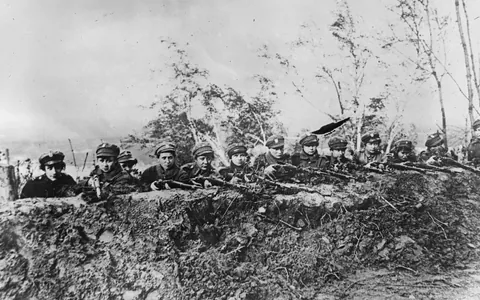
On 1 November 1918 Ukrainian soldiers of the Austrian garrison took over Lwów (now Lviv, Ukraine) for the Ukrainian state proclaimed in October by the Ukrainian National Rada, which took the name Western Ukrainian People's Republic on 13 November. The city's Poles, its largest group, resisted, with schoolboys and students (the “Lwów Eaglets”) among the defenders. A Polish relief force reached the city around 20 November, and on 22 November the Ukrainian troops withdrew. An anti-Jewish pogrom followed in the city (on 22 and 23 November according to the Jewish Rescue Committee in Lwów, from 21 to 23 November according to the American mission of Henry Morgenthau). Counts of the Jewish dead differ: about 50 according to a Polish commission of inquiry, 64 according to the Morgenthau mission, 73 according to the Jewish Rescue Committee and at least 150 according to delegates of the Polish foreign ministry.29
The war for Eastern Galicia went on until the summer of 1919. In February and March 1919 the Ukrainian Galician Army besieged Lwów again. In May a Polish offensive drove the Ukrainians east. It used Haller's army, although, the Internet Encyclopedia of Ukraine notes, Paderewski had assured the Allies that the army would not be sent to Eastern Galicia. A Ukrainian counteroffensive in June ran out of strength, the Paris Peace Conference authorized Poland on 25 June to occupy Eastern Galicia up to the Zbruch River, and in mid-July the Ukrainian army crossed the Zbruch.30

The two sides remember the war differently. The Internet Encyclopedia of Ukraine describes Eastern Galicia as a predominantly Ukrainian territory that the Poles regarded as part of the historic Polish realm, and the war as the result of Poland's rejection of a Ukrainian state there. The Polish account published by the Institute of National Remembrance stresses that Lwów was a leading center of Polish culture, and records war crimes by the Ukrainian army against prisoners and civilians. The Allies recognized Polish sovereignty over Eastern Galicia only on 15 March 1923.31
The Greater Poland Uprising
The armistice of 11 November left Germany's eastern border unchanged, so the Prussian partition was still German. On 27 December 1918, soon after Paderewski arrived in Poznań, fighting broke out in the city, and within days the insurgents held Poznań and many towns of the province; in the first days of January 1919 they also took the Ławica airfield. The armistice extended at Trier on 16 February 1919, at Marshal Foch's demand, ordered the Germans to stop all offensive action against the Poles in the Posen region and fixed a demarcation line. The German historian Jens Boysen sees the Allies' approval of the Polish gains as an arbitrary, interest-based use of the right of self-determination.32
Cieszyn and Czechoslovakia
Both new states wanted Cieszyn Silesia and its coal. Czechoslovakia argued that the duchy had belonged to the lands of the Bohemian Crown since the 14th century and needed its railway, which ČT24 describes as the only effective link between the Czech lands and Slovakia; Poland pointed to the Polish majority of the population. On 5 November 1918 the local Polish and Czech councils agreed a provisional division. On 23 January 1919 Czechoslovak troops attacked and pushed the outnumbered Poles back to the Vistula, and the fighting stopped after the battle of Skoczów (28 to 30 January).33
The Czech account blames Poland for holding elections in the disputed area against the provisional agreement; the Polish account calls the attack aggression and records the killing of prisoners and civilians. The Allies stopped the fighting, and the final decision of 28 July 1920, taken while Poland was fighting the Red Army, left the coal basin and a large Polish minority in Czechoslovakia. The quarrel soured relations between the two states for the rest of the interwar years.34
Wilno and Lithuania
Wilno (now Vilnius, Lithuania) changed hands several times. Polish forces took it from the Red Army in April 1919, and on 22 April Piłsudski issued an appeal to the inhabitants of the former Grand Duchy of Lithuania, an expression of his federation plans. In July 1920, at the Spa conference, Prime Minister Władysław Grabski, seeking Allied help against the Red Army, agreed that Wilno should go to Lithuania. The advancing Red Army took the city on 14 July and, under an agreement with Lithuania, left it to the Lithuanians in late August. After the Polish victories over the Red Army, talks at Suwałki produced an agreement on 7 October 1920 that set a demarcation line leaving Wilno on the Lithuanian side but did not settle the question of the city.35
The next day General Lucjan Żeligowski staged a supposed mutiny of his troops, in fact ordered by Piłsudski, and on 9 October 1920 took Wilno. He set up “Central Lithuania”, whose parliament, elected in January 1922 under a Lithuanian boycott, voted to join Poland, and Poland incorporated it in the spring of 1922. The Lithuanian national encyclopedia calls it an occupation that broke the Suwałki agreement; the Polish account stresses that Lithuania had abandoned neutrality in 1920 and that, by official figures, Poles made up about 70 percent of the population. The Lithuanian government did not accept the loss of the city, which it continued to regard as its capital.36
Upper Silesia and the plebiscite
The Treaty of Versailles left Upper Silesia to a plebiscite. Polish insurgents rose in August 1919 and again in August 1920; Polish accounts count the second rising as a victory, while Boysen writes that German forces repelled both. In the vote of 20 March 1921, 59.4 percent chose Germany and 40.3 percent Poland.37
On the night of 2 to 3 May 1921 the Third Silesian Uprising broke out under Korfanty. The heaviest fighting was for the Annaberg (Góra Świętej Anny), stormed by German Freikorps on 23 May, and Boysen writes that the fighting ended only with Allied intervention. In October 1921 the Allies divided the region, giving Poland the smaller but industrial eastern part, a loss that the German Historical Museum says caused outrage across German politics. A German-Polish convention signed in Geneva on 15 May 1922 put the division into effect.38

The Polish-Soviet War
The largest of the border wars began with clashes over Wilno and Belarus in early 1919. On 25 April 1920 Polish forces, allied with Symon Petliura's Ukrainian People's Republic, opened the Kyiv offensive and entered Kyiv on 7 May, but Soviet counteroffensives drove them back to the Vistula. In mid-August 1920 the Poles won the Battle of Warsaw with a counterattack from the Wieprz River, and in September the Battle of the Niemen. A ceasefire was signed on 12 October 1920 and the Treaty of Riga followed on 18 March 1921. The full story is told in our guide to the Polish-Soviet War.39
Major battles of the wars for Polish independence
Our articles on the battles of 1914 to 1921, from the defense of Lwów and the Greater Poland Uprising to Warsaw, Zadwórze, Komarów and the Niemen, are listed below in date order.
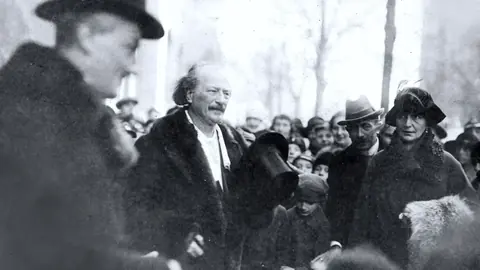
- 1918The Greater Poland Uprising, 1918 to 1919: Poznań risesGreater Poland insurgents vs German Empire
On 27 December 1918 Poznań rose against German rule; seven weeks later the Armistice of Trier froze the front and Versailles gave Greater Poland to Poland.
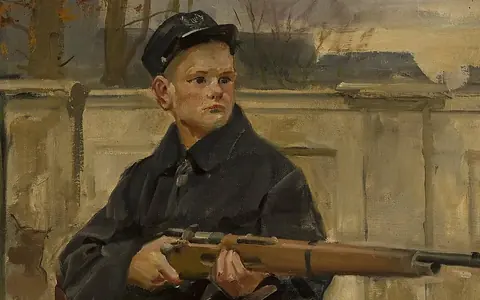
- 1918The Defence of Lwów, 1918Poland vs West Ukrainian People's Republic
Schoolboys and students held the city for three weeks.
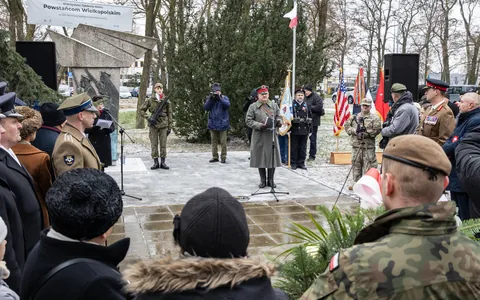
- 1919Battle of Ławica, 1919Greater Poland insurgents vs German Empire
On 6 January 1919 Greater Poland insurgents cut the power, fired four shells and took the German air station at Poznań in about twenty minutes. The prize was the start of Poland's air force.
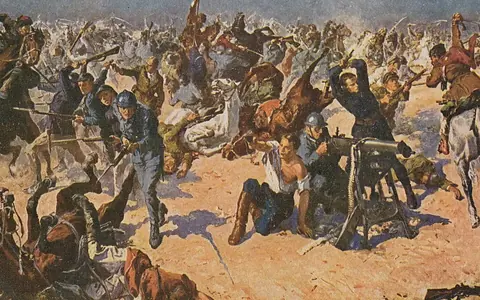
- 1920The Battle of Zadwórze, 1920Poland vs Soviet Russia
Young Lwów volunteers stood in the path of Budyonny's cavalry.
- 1920Battle of Warsaw, 1920Poland vs Soviet Russia
How Poland shattered the advancing Red Army at the gates of Warsaw in 1920, the Miracle on the Vistula.
- 1920
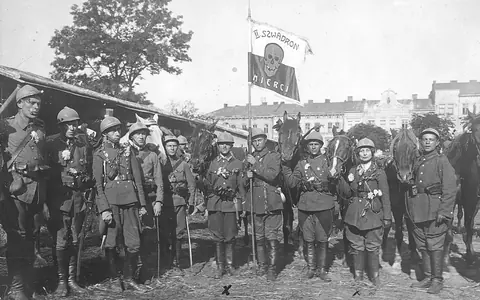
- 1920Battle of the Niemen, 1920Second Polish Republic vs Soviet Russia
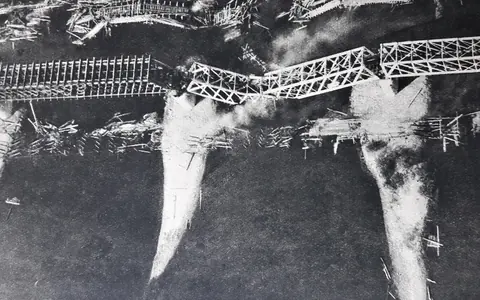
In September 1920 Piłsudski's armies broke Tukhachevsky's new front on the Niemen at Grodno and Lida, taking tens of thousands of prisoners and ending the war.
Treaties and the final borders of Poland
The Treaty of Versailles (28 June 1919): in Article 87 Germany recognized “the complete independence of Poland” and gave up most of the provinces of Posen and West Prussia, which gave Poland access to the sea. Danzig (Gdańsk) became a Free City under the protection of the League of Nations, and plebiscites were to decide Upper Silesia and the southern parts of East and West Prussia. There the vote of July 1920 went overwhelmingly to Germany. On the same day Poland signed a treaty guaranteeing the rights of its national minorities.40
The Treaty of Riga (18 March 1921) between Poland, Soviet Russia and Soviet Ukraine ended the Polish-Soviet War. It drew a border close to the Polish-Russian frontier after the second partition of 1793 and promised the return of the art collections, archives and libraries taken to Russia since 1772. Poland agreed to stop supporting anti-Soviet formations, which meant the internment of Petliura's troops and the end of Piłsudski's federation plans. The Internet Encyclopedia of Ukraine notes that the delegations of the Ukrainian People's Republic were not admitted to the talks and that Ukraine had in effect already been divided. The Riga border lasted until the Soviet invasion of September 1939.41

Upper Silesia was divided in October 1921, and the Geneva convention of 15 May 1922 put the division into effect. Wilno and Central Lithuania were incorporated into Poland in the spring of 1922. On 15 March 1923 the Conference of Ambassadors of the Allied powers recognized Poland's eastern border, including Eastern Galicia and the Wilno region; for Eastern Galicia the decision recorded Poland's acknowledgment that ethnographic conditions there required autonomy. Only then, the Museum of Polish History notes, was the shaping of the Second Republic's borders complete.42
Polish Independence Day: why it is on 11 November
11 November became a state holiday only by the law of 23 April 1937, which made it a solemn Independence Day and a day off work. Before World War II it was therefore celebrated as a state holiday only in 1937 and 1938.43
The communist authorities abolished it. A law of 22 July 1945 made 22 July, the anniversary of the PKWN manifesto, the National Day of the Rebirth of Poland, and in the same act repealed the 1937 law. Under communist rule 11 November was marked by the opposition, and, as the Museum of Polish History's portal notes, its organizers and participants were often repressed.44
During the Round Table talks the Sejm restored the holiday by a law of 15 February 1989 as the National Independence Day, to commemorate the anniversary of the Polish nation regaining its independent statehood and the struggles of generations of Poles for freedom and independence. It is a public holiday and a day off work.45
Today the main state ceremony takes place on Piłsudski Square in Warsaw, where the president attends a solemn changing of the guard and wreaths are laid at the Tomb of the Unknown Soldier. Across the country the day is marked by Masses and marches.46
Timeline of Polish independence, 1914 to 1923
- 1795Third partition: Russia, Prussia and Austria divide what is left of the Commonwealth, which disappears from the map.47
- 19146 August: the First Cadre Company marches from Kraków into Russian Poland; later in August the Polish Legions are formed.48
- 19165 November: Germany and Austria-Hungary proclaim a Kingdom of Poland in occupied Russian Poland.49
- 19174 June: a French decree creates the Polish army in France, the future Blue Army.50
- 1917July: the oath crisis; Piłsudski is arrested and imprisoned in Magdeburg.51
- 191715 August: the Polish National Committee is founded; it works from Paris under Dmowski.52
- 19188 January: Wilson's 13th point calls for an independent Polish state with access to the sea.53
- 19187 October: the Regency Council proclaims an independent Polish state.54
- 19181 November: fighting for Lwów begins between Poles and Ukrainians.55
- 19187 November: Daszyński's Provisional People's Government is set up in Lublin.56
- 191810 November: Piłsudski returns to Warsaw from Magdeburg.57
- 191811 November: armistice in the West; the Regency Council hands Piłsudski the supreme command.58
- 191814 November: the Regency Council dissolves and transfers its authority to Piłsudski.59
- 191822 November: Lwów is in Polish hands.60
- 191827 December: the Greater Poland Uprising breaks out in Poznań.61
- 191923 to 30 January: war with Czechoslovakia over Cieszyn Silesia.62
- 191916 February: the armistice of Trier halts German offensive action against the Greater Poland insurgents.63
- 191928 June: the Treaty of Versailles is signed.64
- 1919July: the Ukrainian Galician Army withdraws beyond the Zbruch River.65
- 19207 May: Polish and Ukrainian troops enter Kyiv.66
- 192028 July: the Allied decision divides Cieszyn Silesia between Poland and Czechoslovakia.67
- 1920Mid-August: the Battle of Warsaw stops the Red Army.68
- 19209 October: Żeligowski's troops take Wilno.69
- 192118 March: the Treaty of Riga ends the Polish-Soviet War.70
- 192120 March: the Upper Silesian plebiscite; on 2 to 3 May the Third Silesian Uprising begins.71
- 1922Spring: Central Lithuania is incorporated into Poland; on 15 May the Geneva convention on Upper Silesia is signed.72
- 192315 March: the Conference of Ambassadors recognizes Poland's eastern border.73
- 193723 April: a law makes 11 November Independence Day.74
- 194522 July: a new law replaces the holiday with 22 July.75
- 198915 February: the Sejm restores the National Independence Day.76
Where to read next
For the fighting, read the battles that won Polish independence, the defense of Lwów, the capture of Ławica, the Battle of Warsaw, Zadwórze, Komarów and the Niemen. For the people, see our biographies of Józef Piłsudski, Józef Haller and Tadeusz Rozwadowski. The wider background is in the Eastern Front of World War I and the military history of Poland.
Notes
A number in the text points to a note; each note names the works that paragraph draws on, listed in full under Sources.
- Regency Council, address handing the supreme command of the Polish army to Józef Piłsudski; Institute of National Remembrance, “Let’s celebrate Poland regaining its independence together!”; Michał Leśniewski, “Piłsudski, Józef”; Piotr Szlanta, “Poland”. ↩
- Zintegrowana Platforma Edukacyjna, “Upadek Rzeczypospolitej Obojga Narodów”; Muzeum Józefa Piłsudskiego w Sulejówku, “Józef Piłsudski (1867-1935)”; Institute of National Remembrance, “Let’s celebrate Poland regaining its independence together!”. ↩
- Zintegrowana Platforma Edukacyjna, “Upadek Rzeczypospolitej Obojga Narodów”; Piotr Szlanta, “Poland”. ↩
- Dzieje.pl, interview with Prof. Andrzej Chwalba on Poles fighting each other in the partitioning armies in World War I; Piotr Szlanta, “Poland”. ↩
- Muzeum Józefa Piłsudskiego w Sulejówku, “Józef Piłsudski (1867-1935)”; Dzieje.pl, “Kalendarium Legionów Polskich”; Piotr Szlanta, “Poland”. ↩
- Muzeum Józefa Piłsudskiego w Sulejówku, “Józef Piłsudski (1867-1935)”; Dzieje.pl, “100 lat temu została utworzona Armia Hallera”; Ministry of National Defence, “Pamięć o Błękitnej Armii”; Jan Snopko, “Haller, Józef”. ↩
- Piotr Szlanta, “Poland”; Muzeum Józefa Piłsudskiego w Sulejówku, “Józef Piłsudski (1867-1935)”; Dzieje.pl, “Kalendarium Legionów Polskich”; Regency Council, address handing the supreme command of the Polish army to Józef Piłsudski. ↩
- Dzieje.pl, “107 lat temu Józef Piłsudski przejął władzę z rąk Rady Regencyjnej”. ↩
- Dzieje.pl, “Kalendarium Legionów Polskich”; Michał Leśniewski, “Piłsudski, Józef”; Muzeum Józefa Piłsudskiego w Sulejówku, “Józef Piłsudski (1867-1935)”; Jan Snopko, “Haller, Józef”. ↩
- Michał Leśniewski, “Dmowski, Roman”; Woodrow Wilson, “President Woodrow Wilson’s Fourteen Points”; Andrzej Chojnowski, “Paderewski, Ignacy Jan”; Zofia Fenrych and Mateusz Lipko, “Ojcowie Niepodległości / Fathers of Independence”. ↩
- Regency Council of the Kingdom of Poland, “Orędzie Rady Regencyjnej do Narodu Polskiego”; Piotr Szlanta, “Poland”. ↩
- Dzieje.pl, “107 lat temu Józef Piłsudski przejął władzę z rąk Rady Regencyjnej”; Andrzej Chojnowski, “Daszyński, Ignacy”; Internet Encyclopedia of Ukraine, “November Uprising in Lviv, 1918”; Piotr Szlanta, “Poland”. ↩
- Dzieje.pl, “107 lat temu Józef Piłsudski przejął władzę z rąk Rady Regencyjnej”; Institute of National Remembrance, “Let’s celebrate Poland regaining its independence together!”; Krzysztof Kozicki, “Listopad 1918”; Michał Leśniewski, “Piłsudski, Józef”. ↩
- Regency Council, address handing the supreme command of the Polish army to Józef Piłsudski; Institute of National Remembrance, “Let’s celebrate Poland regaining its independence together!”; Michał Leśniewski, “Piłsudski, Józef”; Dzieje.pl, “107 lat temu Józef Piłsudski przejął władzę z rąk Rady Regencyjnej”. ↩
- Regency Council, address handing the supreme command of the Polish army to Józef Piłsudski; Andrzej Chojnowski, “Daszyński, Ignacy”; Dzieje.pl, “100 lat temu powołano pierwszy rząd II RP”; Michał Leśniewski, “Piłsudski, Józef”; “Dekret Naczelnika Państwa o najwyższej władzy reprezentacyjnej Republiki Polskiej”; “Uchwała Sejmu z dnia 20 lutego 1919 r. o powierzeniu Józefowi Piłsudskiemu dalszego sprawowania urzędu Naczelnika Państwa”; Muzeum Józefa Piłsudskiego w Sulejówku, “Józef Piłsudski (1867-1935)”; Andrzej Chojnowski, “Paderewski, Ignacy Jan”. ↩
- Piotr Szlanta, “Poland”; Dzieje.pl, “107 lat temu Józef Piłsudski przejął władzę z rąk Rady Regencyjnej”. ↩
- Dzieje.pl, “107 lat temu Józef Piłsudski przejął władzę z rąk Rady Regencyjnej”; Muzeum Józefa Piłsudskiego w Sulejówku, “Józef Piłsudski (1867-1935)”; Jan Snopko, “Haller, Józef”; Internet Encyclopedia of Ukraine, “Ukrainian-Polish War in Galicia, 1918-19”. ↩
- “Ustawa z dnia 23 kwietnia 1937 r. o Święcie Niepodległości”; Bartosz Dziewanowski-Stefańczyk, “Centenary (Poland)”; Dzieje.pl, “107 lat temu Józef Piłsudski przejął władzę z rąk Rady Regencyjnej”. ↩
- Regency Council of the Kingdom of Poland, “Orędzie Rady Regencyjnej do Narodu Polskiego”; “Dekret Naczelnika Państwa o najwyższej władzy reprezentacyjnej Republiki Polskiej”; Dzieje.pl, “107 lat temu Józef Piłsudski przejął władzę z rąk Rady Regencyjnej”; Jens Boysen, “Polish-German Border Conflict”; Piotr Szlanta, “Poland”. ↩
- Zofia Fenrych and Mateusz Lipko, “Ojcowie Niepodległości / Fathers of Independence”; Jan Snopko, “Haller, Józef”. ↩
- Muzeum Józefa Piłsudskiego w Sulejówku, “Józef Piłsudski (1867-1935)”; Michał Leśniewski, “Piłsudski, Józef”. ↩
- Michał Leśniewski, “Dmowski, Roman”; Zofia Fenrych and Mateusz Lipko, “Ojcowie Niepodległości / Fathers of Independence”. ↩
- Andrzej Chojnowski, “Paderewski, Ignacy Jan”; Dzieje.pl, “100 lat temu wybuchło Powstanie Wielkopolskie”; Zofia Fenrych and Mateusz Lipko, “Ojcowie Niepodległości / Fathers of Independence”. ↩
- Zofia Fenrych and Mateusz Lipko, “Ojcowie Niepodległości / Fathers of Independence”; Dzieje.pl, “107 lat temu Józef Piłsudski przejął władzę z rąk Rady Regencyjnej”. ↩
- Zofia Fenrych and Mateusz Lipko, “Ojcowie Niepodległości / Fathers of Independence”; Dzieje.pl, “III Powstanie Śląskie”; Dzieje.pl, “W sobotę setna rocznica plebiscytu na Górnym Śląsku”. ↩
- Andrzej Chojnowski, “Daszyński, Ignacy”; Zofia Fenrych and Mateusz Lipko, “Ojcowie Niepodległości / Fathers of Independence”; Regency Council, address handing the supreme command of the Polish army to Józef Piłsudski. ↩
- Jan Snopko, “Haller, Józef”; Dzieje.pl, “100 lat temu została utworzona Armia Hallera”. ↩
- Piotr Szlanta, “Poland”; Internet Encyclopedia of Ukraine, “November Uprising in Lviv, 1918”; ČT24, “Češi proti Polákům. Před sto lety začala sedmidenní válka o Těšínsko”; Sebastian Pilarski, “Polsko-czechosłowacki konflikt w 1919 r.”; “Oświadczenie rządowe z dnia 20 kwietnia 1923 r. w przedmiocie uznania granic wschodnich Rzeczypospolitej”. ↩
- Internet Encyclopedia of Ukraine, “November Uprising in Lviv, 1918”; Internet Encyclopedia of Ukraine, “Western Ukrainian National Republic”; Mykola Lytvyn, “Lystopadova natsionalno-demokratychna revoliutsiia 1918”; Artur Brożyniak, “Wojna polsko-ukraińska 1918-1919”; Dzieje.pl, “95. rocznica pogromu we Lwowie”; Report of the Mission of the United States to Poland, document 767; Wacław Wierzbieniec, “The Consequences of the Lviv Pogrom on November 22-23, 1918, in Light of the Findings and Actions of the Jewish Rescue Committee”. ↩
- Internet Encyclopedia of Ukraine, “Ukrainian-Polish War in Galicia, 1918-19”; Internet Encyclopedia of Ukraine, “Western Ukrainian National Republic”; Artur Brożyniak, “Wojna polsko-ukraińska 1918-1919”; Jan Snopko, “Haller, Józef”. ↩
- Internet Encyclopedia of Ukraine, “Ukrainian-Polish War in Galicia, 1918-19”; Internet Encyclopedia of Ukraine, “Western Ukrainian National Republic”; Artur Brożyniak, “Wojna polsko-ukraińska 1918-1919”; “Oświadczenie rządowe z dnia 20 kwietnia 1923 r. w przedmiocie uznania granic wschodnich Rzeczypospolitej”; Dzieje.pl, “100 lat temu zakończył się proces kształtowania granic II Rzeczypospolitej”. ↩
- Jens Boysen, “Polish-German Border Conflict”; Dzieje.pl, “100 lat temu wybuchło Powstanie Wielkopolskie”; Paweł Głuszek, “Zdobycie lotniska w Ławicy przez Powstańców Wielkopolskich”; Piotr Grzelczak, “Rozejm w Trewirze. Wielkie zwycięstwo sprawy polskiej”; Dzieje.pl, “95 lat temu podpisano w Trewirze układ kończący powstanie wielkopolskie”. ↩
- ČT24, “Češi proti Polákům. Před sto lety začala sedmidenní válka o Těšínsko”; Sebastian Pilarski, “Polsko-czechosłowacki konflikt w 1919 r.”. ↩
- ČT24, “Češi proti Polákům. Před sto lety začala sedmidenní válka o Těšínsko”; Sebastian Pilarski, “Polsko-czechosłowacki konflikt w 1919 r.”. ↩
- Dzieje.pl, “100 lat temu został przeprowadzony tzw. bunt Żeligowskiego”; Paweł Libera, “The Polish-Soviet War of 1920”; Muzeum Józefa Piłsudskiego w Sulejówku, “Józef Piłsudski (1867-1935)”; Jarosław Centek, “Polish-Soviet War 1920-1921”; Visuotinė lietuvių enciklopedija, “Vilniaus klausimas”; Visuotinė lietuvių enciklopedija, “Suvalkų sutartis”. ↩
- Visuotinė lietuvių enciklopedija, “Suvalkų sutartis”; Visuotinė lietuvių enciklopedija, “Vidurinė Lietuva”; Dzieje.pl, “100 lat temu został przeprowadzony tzw. bunt Żeligowskiego”; Dzieje.pl, “100 lat temu zakończył się proces kształtowania granic II Rzeczypospolitej”. ↩
- “Treaty of Peace with Germany (Treaty of Versailles)”; Dzieje.pl, “W sobotę setna rocznica plebiscytu na Górnym Śląsku”; Zofia Fenrych and Mateusz Lipko, “Ojcowie Niepodległości / Fathers of Independence”; Jens Boysen, “Polish-German Border Conflict”; Deutsches Historisches Museum, “Oberschlesien”. ↩
- Dzieje.pl, “III Powstanie Śląskie”; Deutsches Historisches Museum, “Oberschlesien”; Jens Boysen, “Polish-German Border Conflict”; “Konwencja niemiecko-polska dotycząca Górnego Śląska, podpisana w Genewie dnia 15 maja 1922 roku”. ↩
- Paweł Libera, “The Polish-Soviet War of 1920”; Jarosław Centek, “Polish-Soviet War 1920-1921”; Muzeum Józefa Piłsudskiego w Sulejówku, “Józef Piłsudski (1867-1935)”; Bohdan Budurowicz and Andrzej Chojnowski, “Riga, Peace Treaty of”. ↩
- “Treaty of Peace with Germany (Treaty of Versailles)”; Jens Boysen, “Polish-German Border Conflict”; Deutsches Historisches Museum, “Der Versailler Vertrag”; “Traktat między Głównemi Mocarstwami sprzymierzonemi i stowarzyszonemi a Polską, podpisany w Wersalu dnia 28 czerwca 1919 r.”; Piotr Szlanta, “Poland”. ↩
- “Traktat pokoju między Polską a Rosją i Ukrainą podpisany w Rydze dnia 18 marca 1921 roku”; Bohdan Budurowicz and Andrzej Chojnowski, “Riga, Peace Treaty of”; Paweł Libera, “The Polish-Soviet War of 1920”; European Network Remembrance and Solidarity, “Signing of the Treaty of Riga”; Muzeum Józefa Piłsudskiego w Sulejówku, “Józef Piłsudski (1867-1935)”. ↩
- Deutsches Historisches Museum, “Oberschlesien”; “Konwencja niemiecko-polska dotycząca Górnego Śląska, podpisana w Genewie dnia 15 maja 1922 roku”; Visuotinė lietuvių enciklopedija, “Vidurinė Lietuva”; Dzieje.pl, “100 lat temu zakończył się proces kształtowania granic II Rzeczypospolitej”; “Oświadczenie rządowe z dnia 20 kwietnia 1923 r. w przedmiocie uznania granic wschodnich Rzeczypospolitej”; Artur Brożyniak, “Wojna polsko-ukraińska 1918-1919”. ↩
- “Ustawa z dnia 23 kwietnia 1937 r. o Święcie Niepodległości”; Dzieje.pl, “30 lat temu Sejm przyjął ustawę o ustanowieniu 11 listopada Narodowym Świętem Niepodległości”. ↩
- “Ustawa z dnia 22 lipca 1945 r. o ustanowieniu Narodowego Święta Odrodzenia Polski”; Dzieje.pl, “30 lat temu Sejm przyjął ustawę o ustanowieniu 11 listopada Narodowym Świętem Niepodległości”; Bartosz Dziewanowski-Stefańczyk, “Centenary (Poland)”. ↩
- “Ustawa z dnia 15 lutego 1989 r. o ustanowieniu Narodowego Święta Niepodległości”; Dzieje.pl, “30 lat temu Sejm przyjął ustawę o ustanowieniu 11 listopada Narodowym Świętem Niepodległości”; Bartosz Dziewanowski-Stefańczyk, “Centenary (Poland)”. ↩
- Dzieje.pl, on the President’s Independence Day program; TVN24, “Uroczystości przed Grobem Nieznanego Żołnierza. Przemówienie prezydenta”; Bartosz Dziewanowski-Stefańczyk, “Centenary (Poland)”. ↩
- Zintegrowana Platforma Edukacyjna, “Upadek Rzeczypospolitej Obojga Narodów”; Piotr Szlanta, “Poland”. ↩
- Muzeum Józefa Piłsudskiego w Sulejówku, “Józef Piłsudski (1867-1935)”; Dzieje.pl, “Kalendarium Legionów Polskich”. ↩
- Piotr Szlanta, “Poland”; Muzeum Józefa Piłsudskiego w Sulejówku, “Józef Piłsudski (1867-1935)”. ↩
- Dzieje.pl, “100 lat temu została utworzona Armia Hallera”; Jan Snopko, “Haller, Józef”. ↩
- Dzieje.pl, “Kalendarium Legionów Polskich”; Michał Leśniewski, “Piłsudski, Józef”. ↩
- Michał Leśniewski, “Dmowski, Roman”; Dzieje.pl, “100 lat temu została utworzona Armia Hallera”. ↩
- Woodrow Wilson, “President Woodrow Wilson’s Fourteen Points”; Andrzej Chojnowski, “Paderewski, Ignacy Jan”. ↩
- Regency Council of the Kingdom of Poland, “Orędzie Rady Regencyjnej do Narodu Polskiego”; Piotr Szlanta, “Poland”. ↩
- Internet Encyclopedia of Ukraine, “November Uprising in Lviv, 1918”; Artur Brożyniak, “Wojna polsko-ukraińska 1918-1919”. ↩
- Dzieje.pl, “107 lat temu Józef Piłsudski przejął władzę z rąk Rady Regencyjnej”; Andrzej Chojnowski, “Daszyński, Ignacy”. ↩
- Michał Leśniewski, “Piłsudski, Józef”; Institute of National Remembrance, “Let’s celebrate Poland regaining its independence together!”. ↩
- Regency Council, address handing the supreme command of the Polish army to Józef Piłsudski; Michał Leśniewski, “Piłsudski, Józef”. ↩
- Regency Council, address handing the supreme command of the Polish army to Józef Piłsudski; Institute of National Remembrance, “Let’s celebrate Poland regaining its independence together!”. ↩
- Internet Encyclopedia of Ukraine, “November Uprising in Lviv, 1918”; Artur Brożyniak, “Wojna polsko-ukraińska 1918-1919”. ↩
- Dzieje.pl, “100 lat temu wybuchło Powstanie Wielkopolskie”; Jens Boysen, “Polish-German Border Conflict”. ↩
- ČT24, “Češi proti Polákům. Před sto lety začala sedmidenní válka o Těšínsko”; Sebastian Pilarski, “Polsko-czechosłowacki konflikt w 1919 r.”. ↩
- Piotr Grzelczak, “Rozejm w Trewirze. Wielkie zwycięstwo sprawy polskiej”; Dzieje.pl, “95 lat temu podpisano w Trewirze układ kończący powstanie wielkopolskie”. ↩
- “Treaty of Peace with Germany (Treaty of Versailles)”; Deutsches Historisches Museum, “Der Versailler Vertrag”. ↩
- Internet Encyclopedia of Ukraine, “Ukrainian-Polish War in Galicia, 1918-19”; Artur Brożyniak, “Wojna polsko-ukraińska 1918-1919”. ↩
- Paweł Libera, “The Polish-Soviet War of 1920”; Michał Leśniewski, “Piłsudski, Józef”. ↩
- ČT24, “Češi proti Polákům. Před sto lety začala sedmidenní válka o Těšínsko”; Sebastian Pilarski, “Polsko-czechosłowacki konflikt w 1919 r.”. ↩
- Paweł Libera, “The Polish-Soviet War of 1920”; Jarosław Centek, “Polish-Soviet War 1920-1921”. ↩
- Dzieje.pl, “100 lat temu został przeprowadzony tzw. bunt Żeligowskiego”; Visuotinė lietuvių enciklopedija, “Suvalkų sutartis”. ↩
- “Traktat pokoju między Polską a Rosją i Ukrainą podpisany w Rydze dnia 18 marca 1921 roku”; Bohdan Budurowicz and Andrzej Chojnowski, “Riga, Peace Treaty of”. ↩
- Dzieje.pl, “W sobotę setna rocznica plebiscytu na Górnym Śląsku”; Deutsches Historisches Museum, “Oberschlesien”. ↩
- Visuotinė lietuvių enciklopedija, “Vidurinė Lietuva”; Dzieje.pl, “100 lat temu zakończył się proces kształtowania granic II Rzeczypospolitej”; “Konwencja niemiecko-polska dotycząca Górnego Śląska, podpisana w Genewie dnia 15 maja 1922 roku”. ↩
- “Oświadczenie rządowe z dnia 20 kwietnia 1923 r. w przedmiocie uznania granic wschodnich Rzeczypospolitej”; Dzieje.pl, “100 lat temu zakończył się proces kształtowania granic II Rzeczypospolitej”. ↩
- “Ustawa z dnia 23 kwietnia 1937 r. o Święcie Niepodległości”; Dzieje.pl, “30 lat temu Sejm przyjął ustawę o ustanowieniu 11 listopada Narodowym Świętem Niepodległości”. ↩
- “Ustawa z dnia 22 lipca 1945 r. o ustanowieniu Narodowego Święta Odrodzenia Polski”; Dzieje.pl, “30 lat temu Sejm przyjął ustawę o ustanowieniu 11 listopada Narodowym Świętem Niepodległości”. ↩
- “Ustawa z dnia 15 lutego 1989 r. o ustanowieniu Narodowego Święta Niepodległości”; Dzieje.pl, “30 lat temu Sejm przyjął ustawę o ustanowieniu 11 listopada Narodowym Świętem Niepodległości”. ↩
Sources
- Regency Council, address handing the supreme command of the Polish army to Józef Piłsudski, 11 November 1918, and its address of 14 November 1918 dissolving itself, with Piłsudski’s decree of 14 November 1918 asking Ignacy Daszyński to form a government, Dziennik Praw Państwa Polskiego 1918, no. 17, items 38, 39 and 40 (Sejm legal acts database).
- Institute of National Remembrance (IPN), “Let’s celebrate Poland regaining its independence together!”, 2018.
- Michał Leśniewski, “Piłsudski, Józef”, 1914-1918-online. International Encyclopedia of the First World War (Freie Universität Berlin) (archived copy).
- Piotr Szlanta (University of Warsaw), “Poland”, 1914-1918-online. International Encyclopedia of the First World War (Freie Universität Berlin), 2014 (archived copy).
- Zintegrowana Platforma Edukacyjna (Polish Ministry of Education), “Upadek Rzeczypospolitej Obojga Narodów”.
- Muzeum Józefa Piłsudskiego w Sulejówku, “Józef Piłsudski (1867-1935)”.
- Dzieje.pl (Muzeum Historii Polski and PAP), interview with Prof. Andrzej Chwalba on Poles fighting each other in the partitioning armies in World War I.
- Dzieje.pl (Muzeum Historii Polski and PAP), “Kalendarium Legionów Polskich”.
- Dzieje.pl (Muzeum Historii Polski and PAP), “100 lat temu została utworzona Armia Hallera”, 2017.
- Ministry of National Defence (Poland), “Pamięć o Błękitnej Armii”, 2017.
- Jan Snopko, “Haller, Józef”, 1914-1918-online. International Encyclopedia of the First World War (Freie Universität Berlin) (archived copy).
- Dzieje.pl (Muzeum Historii Polski and PAP), “107 lat temu Józef Piłsudski przejął władzę z rąk Rady Regencyjnej”.
- Michał Leśniewski, “Dmowski, Roman”, 1914-1918-online. International Encyclopedia of the First World War (Freie Universität Berlin) (archived copy).
- Woodrow Wilson, “President Woodrow Wilson’s Fourteen Points”, 8 January 1918, The Avalon Project (Yale Law School).
- Andrzej Chojnowski, “Paderewski, Ignacy Jan”, 1914-1918-online. International Encyclopedia of the First World War (Freie Universität Berlin) (archived copy).
- Zofia Fenrych and Mateusz Lipko, Institute of National Remembrance (IPN), Szczecin branch, “Ojcowie Niepodległości / Fathers of Independence”, exhibition catalog (Polish and English), 2018.
- Regency Council of the Kingdom of Poland, “Orędzie Rady Regencyjnej do Narodu Polskiego”, 7 October 1918, Dziennik Praw Królestwa Polskiego 1918, no. 12, item 23 (Sejm legal acts database).
- Andrzej Chojnowski, “Daszyński, Ignacy”, 1914-1918-online. International Encyclopedia of the First World War (Freie Universität Berlin), 2014 (archived copy).
- Internet Encyclopedia of Ukraine (Canadian Institute of Ukrainian Studies), “November Uprising in Lviv, 1918”.
- Krzysztof Kozicki (Central Military Archives), “Listopad 1918: raporty i relacje z akcji rozbrajania Niemców”, Niepodległość i Pamięć 15, no. 2 (28), 2008, pp. 205 to 218 (in Polish).
- Dzieje.pl (Muzeum Historii Polski and PAP), “100 lat temu powołano pierwszy rząd II RP”, 2018.
- “Dekret Naczelnika Państwa o najwyższej władzy reprezentacyjnej Republiki Polskiej”, 22 November 1918, Dziennik Praw Państwa Polskiego 1918, no. 17, item 41 (Sejm legal acts database).
- “Uchwała Sejmu z dnia 20 lutego 1919 r. o powierzeniu Józefowi Piłsudskiemu dalszego sprawowania urzędu Naczelnika Państwa”, Dziennik Praw Państwa Polskiego 1919, no. 19, item 226 (Sejm legal acts database).
- Internet Encyclopedia of Ukraine (Canadian Institute of Ukrainian Studies), “Ukrainian-Polish War in Galicia, 1918-19”.
- “Ustawa z dnia 23 kwietnia 1937 r. o Święcie Niepodległości”, Dziennik Ustaw 1937, no. 33, item 255 (Sejm legal acts database).
- Bartosz Dziewanowski-Stefańczyk, “Centenary (Poland)”, 1914-1918-online. International Encyclopedia of the First World War (Freie Universität Berlin) (archived copy).
- Jens Boysen, “Polish-German Border Conflict”, 1914-1918-online. International Encyclopedia of the First World War (Freie Universität Berlin), 2014 (archived copy).
- Dzieje.pl (Muzeum Historii Polski and PAP), “100 lat temu wybuchło Powstanie Wielkopolskie”, 2018.
- Dzieje.pl (Muzeum Historii Polski and PAP), “III Powstanie Śląskie”.
- Dzieje.pl (Muzeum Historii Polski and PAP), “W sobotę setna rocznica plebiscytu na Górnym Śląsku”, 2021.
- ČT24 (Česká televize), “Češi proti Polákům. Před sto lety začala sedmidenní válka o Těšínsko”, 23 January 2019.
- Sebastian Pilarski, Przystanek Historia (IPN), “Polsko-czechosłowacki konflikt w 1919 r.”, 2020.
- “Oświadczenie rządowe z dnia 20 kwietnia 1923 r. w przedmiocie uznania granic wschodnich Rzeczypospolitej”, with the text of the Conference of Ambassadors’ decision of 15 March 1923, Dziennik Ustaw 1923, no. 49, item 333 (Sejm legal acts database).
- Internet Encyclopedia of Ukraine (Canadian Institute of Ukrainian Studies), “Western Ukrainian National Republic”.
- Mykola Lytvyn, “Lystopadova natsionalno-demokratychna revoliutsiia 1918” (The November National Democratic Revolution of 1918), Entsyklopediia Suchasnoi Ukrainy (Encyclopedia of Modern Ukraine), Institute of Encyclopedic Research, National Academy of Sciences of Ukraine, 2016 (in Ukrainian).
- Artur Brożyniak, Przystanek Historia (IPN), “Wojna polsko-ukraińska 1918-1919”.
- Dzieje.pl (Muzeum Historii Polski and PAP), “95. rocznica pogromu we Lwowie”, 2013.
- Report of the Mission of the United States to Poland (Henry Morgenthau), document 767, 3 October 1919, Foreign Relations of the United States, 1919, vol. II, Office of the Historian.
- Wacław Wierzbieniec, “The Consequences of the Lviv Pogrom on November 22-23, 1918, in Light of the Findings and Actions of the Jewish Rescue Committee”, Scripta Judaica Cracoviensia 18 (2020), pp. 33 to 48, doi:10.4467/20843925SJ.20.003.13871.
- Dzieje.pl (Muzeum Historii Polski and PAP), “100 lat temu zakończył się proces kształtowania granic II Rzeczypospolitej”, 2023.
- Paweł Głuszek, Institute of National Remembrance (IPN), “Zdobycie lotniska w Ławicy przez Powstańców Wielkopolskich”.
- Piotr Grzelczak, Institute of National Remembrance (IPN), “Rozejm w Trewirze. Wielkie zwycięstwo sprawy polskiej”.
- Dzieje.pl (Muzeum Historii Polski and PAP), “95 lat temu podpisano w Trewirze układ kończący powstanie wielkopolskie”, 2014.
- Dzieje.pl (Muzeum Historii Polski and PAP), “100 lat temu został przeprowadzony tzw. bunt Żeligowskiego”, 2020.
- Paweł Libera, Institute of National Remembrance (IPN), “The Polish-Soviet War of 1920”, 2020.
- Jarosław Centek, “Polish-Soviet War 1920-1921”, 1914-1918-online. International Encyclopedia of the First World War (Freie Universität Berlin), 2014 (archived copy).
- Visuotinė lietuvių enciklopedija (Lithuanian national encyclopedia), “Vilniaus klausimas” (The Vilnius question).
- Visuotinė lietuvių enciklopedija (Lithuanian national encyclopedia), “Suvalkų sutartis”.
- Visuotinė lietuvių enciklopedija (Lithuanian national encyclopedia), “Vidurinė Lietuva”.
- “Treaty of Peace with Germany (Treaty of Versailles)”, 28 June 1919, Part III, Articles 87, 88 and 102, The Avalon Project (Yale Law School).
- Deutsches Historisches Museum, LeMO, “Oberschlesien”.
- “Konwencja niemiecko-polska dotycząca Górnego Śląska, podpisana w Genewie dnia 15 maja 1922 roku”, Dziennik Ustaw 1922, no. 44, item 371 (Sejm legal acts database).
- Bohdan Budurowicz and Andrzej Chojnowski, “Riga, Peace Treaty of”, Internet Encyclopedia of Ukraine (Canadian Institute of Ukrainian Studies).
- Deutsches Historisches Museum, LeMO, “Der Versailler Vertrag”.
- “Traktat między Głównemi Mocarstwami sprzymierzonemi i stowarzyszonemi a Polską, podpisany w Wersalu dnia 28 czerwca 1919 r.” (the minorities treaty), Dziennik Ustaw 1920, no. 110, item 728 (Sejm legal acts database).
- “Traktat pokoju między Polską a Rosją i Ukrainą podpisany w Rydze dnia 18 marca 1921 roku”, Articles 2, 5 and 11, Dziennik Ustaw 1921, no. 49, item 300 (Sejm legal acts database).
- European Network Remembrance and Solidarity, “Signing of the Treaty of Riga”.
- Dzieje.pl (Muzeum Historii Polski and PAP), “30 lat temu Sejm przyjął ustawę o ustanowieniu 11 listopada Narodowym Świętem Niepodległości”, 2019.
- “Ustawa z dnia 22 lipca 1945 r. o ustanowieniu Narodowego Święta Odrodzenia Polski”, Dziennik Ustaw 1945, no. 32, item 194 (Sejm legal acts database).
- “Ustawa z dnia 15 lutego 1989 r. o ustanowieniu Narodowego Święta Niepodległości”, Dziennik Ustaw 1989, no. 6, item 34 (Sejm legal acts database).
- Dzieje.pl (Muzeum Historii Polski and PAP), on the President’s Independence Day program (Mass, changing of the guard at the Tomb of the Unknown Soldier), 2016.
- TVN24, “Uroczystości przed Grobem Nieznanego Żołnierza. Przemówienie prezydenta”, 11 November 2018.






