

What was the Western Front in World War I and who won?
The Western Front was the World War I battle line in Belgium and France, from August 1914 to 11 November 1918. After the Battle of the Marne it froze into trenches; Verdun, the Somme and Passchendaele cost hundreds of thousands of casualties each. The Allies won with the Hundred Days Offensive and the Armistice.1
The Imperial War Museums call the Western Front the decisive battlefield of World War I, and the National Army Museum agrees that the Allied breakthrough there in 1918 decided the war. For four years it was a line of trenches across Belgium and France where millions of men fought for a few miles of ground. This guide follows the front from the German invasion of 1914 to the Armistice; for a ranking of the war's battles on every front, see our greatest battles of World War I, and for the war's last weeks, how World War I ended.2
Causes of the war on the Western Front
Germany entered the war in 1914 between France and Russia, two allies it could not hope to outlast in a long war. Its answer was the Schlieffen Plan, drawn up by Field Marshal Alfred von Schlieffen and changed by his successor Helmuth von Moltke: throw almost the whole army against France first, swing it through neutral Belgium and Luxembourg around the French border forts, encircle Paris, then turn east against Russia. The Imperial War Museums note the plan's great risk: attacking Belgium threatened to bring Britain into the war.3
On 4 August 1914 German forces began their advance into Belgium, and Britain entered the war the next day. Belgian resistance at the forts of Liège held the Germans up until super-heavy siege guns arrived, and the Belgian army fell back on the fortress of Antwerp. When Antwerp's forts began to fall in early October, King Albert ordered his field army out on 6 October, and it escaped largely intact to a new line on the Yser River, the left end of what would become the Allied front.4
France had its own plan. Its commander in chief, Joseph Joffre, attacked across the German border into Lorraine in August, believing in the power of the offensive; those attacks were defeated within days with terrible losses, a story told in our article on the Battle of Lorraine. Behind the opening campaign lay a deeper problem that both sides discovered in 1914: rifles, machine guns and quick-firing artillery made open ground deadly for any attacker.5
Who fought on the Western Front
On one side stood the German Empire, the main power of the Central Powers in the west. On the other stood France, the British Empire, Belgium and, from 1917, the United States. The British Empire's armies included men from Canada, Australia, New Zealand, South Africa, India, Newfoundland and the Caribbean, who fought on the Somme and at Passchendaele beside British units.6
The Dominions' corps became some of the most effective formations on the front. All four Canadian divisions attacked together for the first time at Vimy Ridge in April 1917, and in August 1918 the Australian and Canadian corps spearheaded the Allied attack at Amiens alongside the French First Army and the British Fourth Army.7
1914: the Marne, the race to the sea and Ypres
Through August the German right wing pushed the French and the British Expeditionary Force back toward Paris. Then, at the First Battle of the Marne, Joffre struck the exposed German flank: the French Sixth Army attacked on 5 September, the British and the French Fifth Army moved into a gap that had opened between the German First and Second Armies, and by 13 September the Germans had pulled back to the Aisne. The German plan for a short war had failed.8
On the Aisne the Germans dug the first trenches of the war. Each side then tried to outflank the other to the north in the mobile fighting of autumn 1914 known as the Race to the Sea, and it ended in Flanders. After the First Battle of Ypres, from 20 October to 22 November 1914, static trench warfare set in, and the Allies held a salient around Ypres that would be fought over for the rest of the war.9
By the end of the year trenches ran from the Channel coast to the Swiss border. The sources measure this front differently: the National Army Museum gives a trench system of over 600 km (370 miles), the National WWI Museum and Memorial roughly 475 miles of trench systems, and the Imperial War Museums say the networks stretched over 250 miles (402 km) through France and Belgium.10

1915 to 1917: trench stalemate, Verdun, the Somme and Passchendaele
In 1915 the British and French made a series of unsuccessful attacks on the German lines, among them the First Battle of Champagne and the Second Battle of Artois. The Germans made their only Western Front offensive of the year at Ypres: on 22 April 1915 they released more than 160 tonnes of chlorine gas from cylinders against French and Algerian troops, and broke the Allied line; two days later a second gas attack hit the 1st Canadian Division, which held and prevented a German breakthrough. It was the first significant gas attack of the war.11
On 21 February 1916 the German Fifth Army attacked at Verdun. The German Chief of General Staff, Erich von Falkenhayn, planned to wear down the French army at a place it could not give up, and Fort Douaumont fell within five days. Philippe Pétain organized a defense in depth and kept supplies flowing along the Voie Sacrée, the single road into the city, and by December the French had retaken the lost forts. The Mémorial de Verdun counts 163,000 French and 143,000 German dead and missing, and 712,000 casualties in all.12
To relieve Verdun, the British took the main role in the Allied offensive on the Somme. After a seven-day bombardment, the infantry went over the top on 1 July 1916 and met intact German machine guns: the British Army suffered more than 57,000 casualties that day, 19,240 of them killed, the bloodiest day in its history. On 15 September, at Flers-Courcelette, the British used tanks for the first time. When the offensive ended in mid-November, the Allies had advanced about seven miles.13

In early 1917 the Germans withdrew to the fortified Hindenburg Line and turned to a defensive strategy in the west. The new French commander, Robert Nivelle, promised a breakthrough on the Aisne, supported by British attacks around Arras. On 9 April 1917 the Canadian Corps stormed Vimy Ridge, where earlier French attacks had failed with over 100,000 casualties, and held it by 12 April at a cost of 10,602 Canadian casualties, 3,598 of them killed. But the French offensive on the Chemin des Dames ended in heavy losses and mutinies, and Pétain replaced Nivelle.14

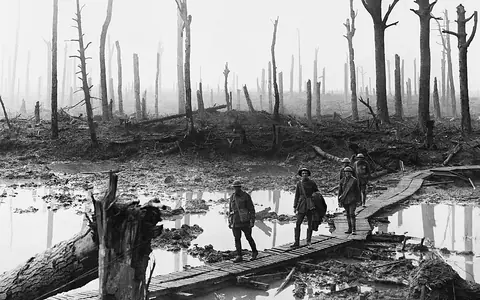
Douglas Haig's British offensive in Flanders, the Third Battle of Ypres, began on 31 July 1917 and is remembered by the name of its last objective, Passchendaele. Rain turned the shelled ground into waist-deep mud. Herbert Plumer's limited bite-and-hold attacks succeeded in a drier September, but Haig pressed on into October, and the Canadians finally took Passchendaele ridge on 10 November. The Allies had advanced about five miles.15
The United States on the Western Front: Belleau Wood and the Meuse-Argonne
The United States stayed neutral until Germany resumed unrestricted submarine warfare on 1 February 1917. On 2 April President Woodrow Wilson asked Congress for a declaration of war against Germany; the Senate voted for it on 4 April and the House two days later. The American Expeditionary Forces under General John J. Pershing grew fast: by late summer 1918 more than a million American soldiers were in France.16
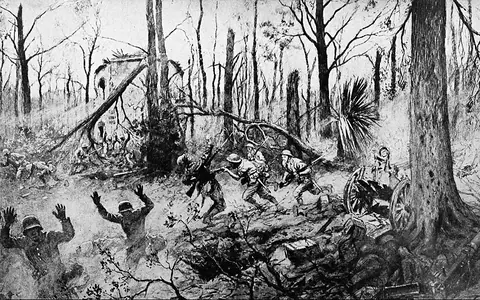
Their first great test came in June 1918, when a German offensive had reached the Marne again and was advancing toward Paris. The US 2nd Division, including the 4th Marine Brigade, attacked at Belleau Wood on 6 June and, after weeks of close fighting, cleared the wood by 26 June. The French renamed it the Wood of the Marine Brigade. The American Battle Monuments Commission counts 8,100 casualties in the 2nd Division that June, and the Marine Corps History Division 9,063 Marine casualties, 1,062 of them killed.17
The Meuse-Argonne offensive, from 26 September to the Armistice, was the largest American campaign of the war. More than 1.2 million American soldiers fought through the wooded hills between the Meuse and the Argonne Forest toward the railway junction at Sedan, and 26,277 of them were killed in six weeks. The US National Archives calls it the costliest battle in American military history in terms of casualties. Critics later blamed Pershing for pushing inexperienced troops against strong defenses, while the historian Edward Lengel points to the army's lack of training and the nation's late entry. Our biography of Alvin York tells the story of one of its soldiers.18

1918: the German spring offensives and the Hundred Days
Russia was knocked out of the war by the revolution of November 1917, and Germany moved forces from the Russian front to the west to win before American troops arrived in strength. Its first offensive, launched on 21 March 1918, used brief bombardments and stormtroopers infiltrating the Allied lines, and it broke the British Fifth Army. At a crisis conference at Doullens on 26 March the Allies gave Ferdinand Foch the coordination of their armies, powers that grew until he became Allied commander in chief. Mobile warfare returned to the Western Front.19
The German offensives came close to breaking the Allied front, but each one stalled. The last, in the Second Battle of the Marne from 15 July, was met by a French-led counterattack on 18 July, and the initiative passed to the Allies. Foch now struck blow after blow at different parts of the front, giving the exhausted German army no rest.20
At 4:20 am on 8 August 1918 the Australian and Canadian corps led the attack at Amiens, with the French First and British Fourth Armies, and overran the German front line within hours. Erich Ludendorff called it the black day of the German army. The Hundred Days Offensive that followed combined infantry, artillery, tanks and aircraft more effectively than before, and between 29 September and early October the Allies broke through the Hindenburg Line near the St Quentin Canal. The Armistice came into effect at 11 am on 11 November 1918.21
The Americans played their part in Foch's plan. They attacked the St Mihiel salient from 12 to 15 September, the first American-led attack of the war, and then moved to the Meuse-Argonne. Of about two million American troops in France by the end, 1.4 million saw combat, according to King's College London.22
How many soldiers died on the Western Front?
No single agreed total exists for the Western Front, and the sources used here count battle by battle. At Verdun the Imperial War Museums give 377,000 French and 330,000 German losses, close to the Mémorial de Verdun's 379,000 French and 333,000 German casualties. On the Somme the National Army Museum puts British Empire casualties at 420,000, French at 200,000 and German at no fewer than 450,000 killed and wounded.23
At Passchendaele the Imperial War Museums give more than 250,000 Allied and about 200,000 German casualties, while the National Army Museum gives 300,000 British and around 260,000 German. In the Meuse-Argonne alone 26,277 Americans were killed.24
Key commanders of the Western Front
- Joseph Joffre (France): commander in chief in 1914, who launched the counterattack on the Marne.
- Erich von Falkenhayn (Germany): Chief of the General Staff, who planned the attack at Verdun.
- Philippe Pétain (France): defender of Verdun in 1916 and commander in chief after the failed Nivelle offensive of 1917.
- Douglas Haig (Britain): commander of the British forces on the Somme and at Passchendaele; the Imperial War Museums note that modern historians challenge the old idea of brave soldiers led by incompetent generals.
- Arthur Currie (Canada): planned the Vimy attack with Julian Byng and commanded the Canadian Corps at Passchendaele.
- John J. Pershing (United States): commander of the American Expeditionary Forces and of the Meuse-Argonne offensive.
- Erich Ludendorff (Germany): directed the 1918 offensives and called 8 August the black day of the German army.
- Ferdinand Foch (France): given the coordination of the Allied armies in March 1918; his series of blows won the Hundred Days.
Who won the Western Front, and why did Germany lose?
The Allies won. The Hundred Days pushed the German army back toward the battlefields of 1914, and Germany accepted an armistice that amounted to surrender. In 1918 the German army could no longer replace its losses, while the Allies were reinforced by American troops; Verdun and the Somme had already caused a German manpower crisis, and Passchendaele cost men Germany could not replace.26
Historians weigh the causes differently. The Imperial War Museums stress Allied control of the air, coordinated all-arms attacks and falling German morale; King's College London stresses Foch's unified command and Haig's support for it; the Australian War Memorial points to the shift from trench warfare to mobile, combined operations at Amiens. The Somme and Passchendaele are still debated as symbols of futility, but the National Army Museum notes that the tactics learned there laid some of the foundations of 1918.27
Major battles of the Western Front
Our articles on the battles of the Western Front, from the Battle of Lorraine and the siege of Antwerp in 1914 to the Meuse-Argonne in 1918, are listed below in date order.
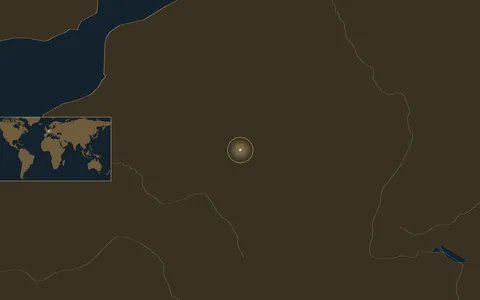
- 1914First Battle of Champagne, 1914 to 1915France vs German Empire
On 20 December 1914 Joffre's Fourth Army attacked the German trenches in Champagne. Three months and tens of thousands of casualties later, it had gained three kilometers.
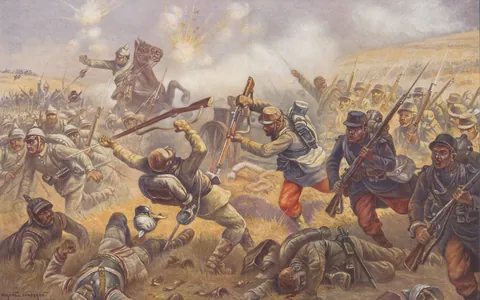
- 1914Battle of Lorraine, 1914French Republic vs German Empire
On 14 August 1914 two French armies invaded German Lorraine under Plan XVII; within a week they were thrown back at Sarrebourg and Morhange.
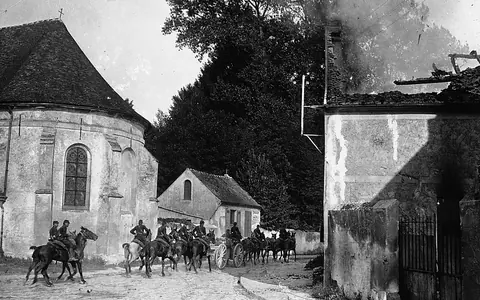
- 1914The First Marne, 1914France and Britain vs German Empire
The counterattack that saved Paris and turned the war into trenches.
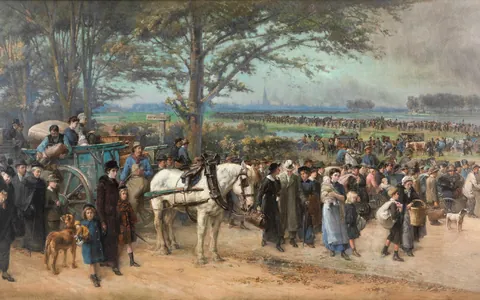
- 1914Siege of Antwerp, 1914Belgium and Britain vs Germany
In autumn 1914 German siege guns smashed the forts of Antwerp; the city burned and surrendered on 10 October, but King Albert's army escaped to fight on at the Yser.
- 1914
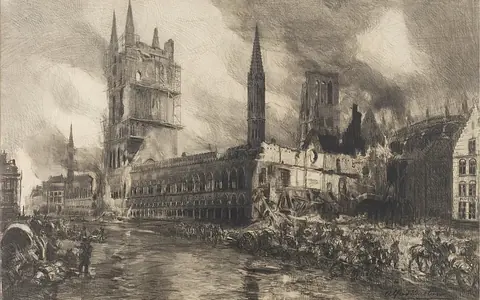
- 1915Second Battle of Artois, 1915France (Tenth Army), with the British First Army vs German Empire (Sixth Army)
On 9 May 1915 Pétain's corps and the Moroccan Division broke through north of Arras and reached the crest of Vimy Ridge within hours. By nightfall they had lost it.
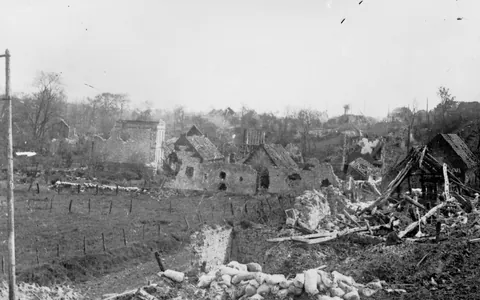
- 1916The Battle of Verdun, 1916France vs German Empire
Ten months of grinding slaughter around a French fortress, the longest battle of World War I.
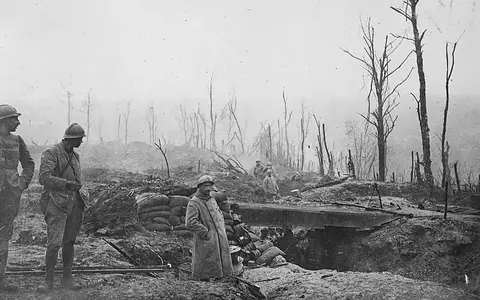
- 1916The Somme, 1916Britain and France vs German Empire
A million casualties and the symbol of industrial war.
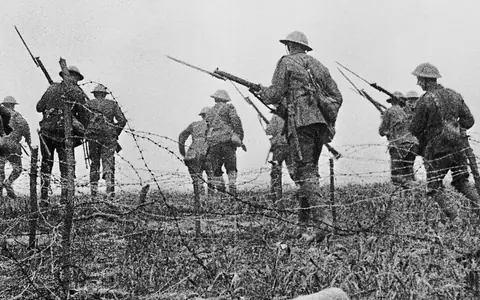
- 1917Battle of Arras, 1917British Empire vs German Empire
On Easter Monday 1917 British and Empire troops came out of the tunnels under Arras and broke the German line. Then Monchy-le-Preux and Bullecourt turned the offensive into a costly stalemate.
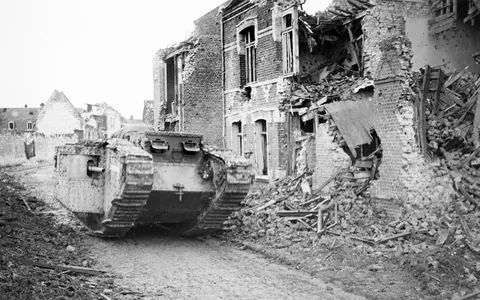
- 1917Battle of Vimy Ridge, 1917Canada (British Empire) vs German Empire (Sixth Army, Group Vimy)
- 1917The Battle of Passchendaele, 1917British Empire and allies vs German Empire
Flanders, 1917. A bold plan to break out toward the Belgian coast collapsed into mud, drowning, and attrition. This is the Third Battle of Ypres, remembered as Passchendaele.
- 1918Battle of Belleau Wood, 1918United States (with French support) vs German Empire
The US Marines' brutal three-week fight that helped stop the German drive on Paris.
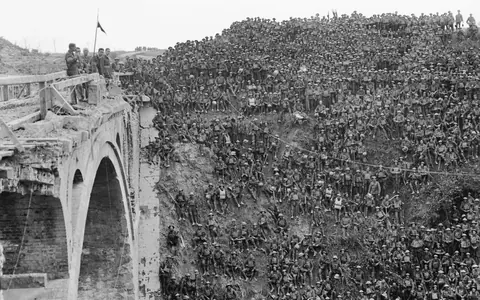
- 1918The Hundred Days Offensive, 1918Allied Powers (Britain and the Empire, France, United States, Belgium) vs German Empire
From Amiens on 8 August to the armistice of 11 November 1918, British Empire, French, American and Belgian armies broke the German army in the west.
- 1918The Meuse-Argonne Offensive, 1918United States (with France) vs German Empire
More than a million Americans, 47 days, and the end of the war.
Timeline of the Western Front
- 4 August 1914Germany invades Belgium; Britain enters the war the next day.28
- 5 to 12 September 1914
- 20 October to 22 November 1914The First Battle of Ypres; trench warfare sets in.30
- 22 April 1915The first large chlorine gas attack, at Ypres.31
- 21 February 1916
- 1 July 1916The Battle of the Somme begins; tanks follow on 15 September.33
- 6 April 1917The United States declares war on Germany.34
- 9 to 12 April 1917The Canadian Corps takes Vimy Ridge.35
- 31 July to 10 November 1917The Third Battle of Ypres (Passchendaele).36
- 21 March 1918The first German spring offensive; Foch takes coordination of the Allied armies on 26 March.37
- 6 to 26 June 1918The US 2nd Division fights at Belleau Wood.38
- 8 August 1918The Battle of Amiens opens the Hundred Days.39
- 26 September 1918The Meuse-Argonne offensive begins.40
- 11 November 1918The Armistice ends the fighting at 11 am.41
Where to read next
The Western Front was the decisive front of World War I. For a ranking across all fronts see the greatest battles of World War I, and test yourself with the World War I battles quiz. A generation later the same ground was fought over again: read our hubs on the Western Front of World War II, the Eastern Front, the North African campaign, the Mediterranean theater and the Pacific War.
The war against Russia and Romania has its own guide: the Eastern Front of World War I, from Tannenberg and Gorlice-Tarnów to the Brusilov Offensive and the Treaty of Brest-Litovsk.
Notes
A number in the text points to a note; each note names the works that paragraph draws on, listed in full under Sources.
- Imperial War Museums, “The Western Front in the First World War”; National Army Museum, “First World War”; Imperial War Museums, “The Hundred Days Offensive”. ↩
- Imperial War Museums, “The Western Front in the First World War”; National Army Museum, “First World War”. ↩
- Imperial War Museums, “Schlieffen Plan”; Imperial War Museums, “The Western Front in the First World War”. ↩
- Imperial War Museums, “Schlieffen Plan”; HistoryOfWar.org, “Third Battle of Antwerp, 1 to 10 October 1914”; The Great War 1914 to 1918, “Siege of Antwerp, 1914”. ↩
- Imperial War Museums, “Schlieffen Plan”; National WWI Museum and Memorial, “Trench Warfare”. ↩
- National Army Museum, “First World War”; National Army Museum, “Battle of Passchendaele”; Imperial War Museums, “Battle of the Somme”. ↩
- Canadian War Museum, “The Battle of Vimy Ridge, April 9 to 12, 1917”; Veterans Affairs Canada, “Battle of Vimy Ridge”; Australian War Memorial, “The Battle of Amiens”; Imperial War Museums, “The Hundred Days Offensive”. ↩
- Imperial War Museums, “Schlieffen Plan”; National Army Museum, “Cavalry on the Western Front”. ↩
- Imperial War Museums, “Schlieffen Plan”; National Army Museum, “Cavalry on the Western Front”; Imperial War Museums, “Second Battle of Ypres”. ↩
- National Army Museum, “First World War”; National WWI Museum and Memorial, “Trench Warfare”; Imperial War Museums, “Second Battle of Ypres”. ↩
- National Army Museum, “First World War”; Imperial War Museums, “The Western Front in the First World War”; Imperial War Museums, “Second Battle of Ypres”; Veterans Affairs Canada, “2nd Battle of Ypres”; The Canadian Encyclopedia, “Canada and the Second Battle of Ypres”. ↩
- Imperial War Museums, “Battle of Verdun”; Mémorial de Verdun, “Le bilan des batailles de Verdun et de la Somme”. ↩
- Imperial War Museums, “Battle of the Somme”; National Army Museum, “Battle of the Somme”; Imperial War Museums, “How Britain Invented the Tank During World War 1”; National Army Museum, “Attack of the tanks”. ↩
- Imperial War Museums, “Battle of Arras”; National Army Museum, “Battle of Passchendaele”; Canadian War Museum, “The Battle of Vimy Ridge, April 9 to 12, 1917”; The Canadian Encyclopedia, “Battle of Vimy Ridge”; Veterans Affairs Canada, “Battle of Vimy Ridge”. ↩
- Imperial War Museums, “Third Battle of Ypres”; National Army Museum, “Battle of Passchendaele”. ↩
- Office of the Historian, “U.S. Entry into World War I, 1917”; US National Archives, “Joint Address to Congress Leading to a Declaration of War Against Germany (1917)”; Imperial War Museums, “The Hundred Days Offensive”; US National Archives, “It is Now or Never”. ↩
- American Battle Monuments Commission, “History of Belleau Wood”; US Marine Corps History Division, “U.S. Marines in Action”. ↩
- US National Archives, “It is Now or Never”; Edward G. Lengel, “America's Bloodiest Battle”. ↩
- King's College London, “How the allies won the war in 1918”; Imperial War Museums, “The Western Front in the First World War”; Imperial War Museums, “The Hundred Days Offensive”; National Army Museum, “Cavalry on the Western Front”. ↩
- Imperial War Museums, “The Hundred Days Offensive”; King's College London, “How the allies won the war in 1918”. ↩
- Australian War Memorial, “The Battle of Amiens”; Imperial War Museums, “The Hundred Days Offensive”; Australian War Memorial, “The One Hundred Days”; US National Archives, “It is Now or Never”. ↩
- Imperial War Museums, “The Hundred Days Offensive”; King's College London, “How the allies won the war in 1918”. ↩
- Imperial War Museums, “Battle of Verdun”; Mémorial de Verdun, “Le bilan des batailles de Verdun et de la Somme”; National Army Museum, “Battle of the Somme”; Imperial War Museums, “Battle of the Somme”. ↩
- Imperial War Museums, “Third Battle of Ypres”; National Army Museum, “Battle of Passchendaele”; US National Archives, “It is Now or Never”; Edward G. Lengel, “America's Bloodiest Battle”. ↩
- Imperial War Museums, “Schlieffen Plan”; Imperial War Museums, “Battle of Verdun”; Imperial War Museums, “Battle of Arras”; Imperial War Museums, “The Western Front in the First World War”; National Army Museum, “Battle of the Somme”; Veterans Affairs Canada, “Battle of Vimy Ridge”; National Army Museum, “Battle of Passchendaele”; US National Archives, “It is Now or Never”; Australian War Memorial, “The Battle of Amiens”; King's College London, “How the allies won the war in 1918”. ↩
- Imperial War Museums, “The Hundred Days Offensive”; Imperial War Museums, “The Western Front in the First World War”; Imperial War Museums, “Battle of Verdun”; Imperial War Museums, “Third Battle of Ypres”. ↩
- Imperial War Museums, “The Hundred Days Offensive”; King's College London, “How the allies won the war in 1918”; Australian War Memorial, “The Battle of Amiens”; National Army Museum, “Battle of the Somme”. ↩
- Imperial War Museums, “Schlieffen Plan”; HistoryOfWar.org, “Third Battle of Antwerp, 1 to 10 October 1914”. ↩
- National Army Museum, “Cavalry on the Western Front”; Imperial War Museums, “Schlieffen Plan”. ↩
- National Army Museum, “Cavalry on the Western Front”; Imperial War Museums, “Second Battle of Ypres”. ↩
- Imperial War Museums, “Second Battle of Ypres”; Veterans Affairs Canada, “2nd Battle of Ypres”. ↩
- Imperial War Museums, “Battle of Verdun”; Mémorial de Verdun, “Le bilan des batailles de Verdun et de la Somme”. ↩
- Imperial War Museums, “Battle of the Somme”; National Army Museum, “Battle of the Somme”. ↩
- Office of the Historian, “U.S. Entry into World War I, 1917”; US National Archives, “Joint Address to Congress Leading to a Declaration of War Against Germany (1917)”. ↩
- Canadian War Museum, “The Battle of Vimy Ridge, April 9 to 12, 1917”; Veterans Affairs Canada, “Battle of Vimy Ridge”. ↩
- Imperial War Museums, “Third Battle of Ypres”; National Army Museum, “Battle of Passchendaele”. ↩
- King's College London, “How the allies won the war in 1918”; Imperial War Museums, “The Hundred Days Offensive”. ↩
- American Battle Monuments Commission, “History of Belleau Wood”; US Marine Corps History Division, “U.S. Marines in Action”. ↩
- Australian War Memorial, “The Battle of Amiens”; Imperial War Museums, “The Hundred Days Offensive”. ↩
- US National Archives, “It is Now or Never”; Edward G. Lengel, “America's Bloodiest Battle”. ↩
- Imperial War Museums, “The Hundred Days Offensive”; US National Archives, “It is Now or Never”. ↩
Sources
- Imperial War Museums, “The Western Front in the First World War”.
- National Army Museum, “First World War”.
- Imperial War Museums, “The Hundred Days Offensive”.
- Imperial War Museums, “Schlieffen Plan”.
- HistoryOfWar.org, “Third Battle of Antwerp, 1 to 10 October 1914”.
- The Great War 1914 to 1918 (greatwar.co.uk), “Siege of Antwerp, 1914”.
- National WWI Museum and Memorial, “Trench Warfare”.
- National Army Museum, “Battle of Passchendaele”.
- Imperial War Museums, “Battle of the Somme”.
- Canadian War Museum, “The Battle of Vimy Ridge, April 9 to 12, 1917”.
- Veterans Affairs Canada, “Battle of Vimy Ridge”.
- Australian War Memorial, “The Battle of Amiens: 8 August 1918”.
- National Army Museum, “Cavalry on the Western Front”.
- Imperial War Museums, “Second Battle of Ypres”.
- Veterans Affairs Canada, “2nd Battle of Ypres”.
- The Canadian Encyclopedia, “Canada and the Second Battle of Ypres”.
- Imperial War Museums, “Battle of Verdun”.
- Mémorial de Verdun, “Le bilan des batailles de Verdun et de la Somme”.
- National Army Museum, “Battle of the Somme”.
- Imperial War Museums, “How Britain Invented the Tank During World War 1”.
- National Army Museum, “Attack of the tanks”.
- Imperial War Museums, “Battle of Arras”.
- The Canadian Encyclopedia, “Battle of Vimy Ridge”.
- Imperial War Museums, “Third Battle of Ypres: the Battle of Passchendaele”.
- Office of the Historian, US Department of State, “U.S. Entry into World War I, 1917”.
- US National Archives, “Joint Address to Congress Leading to a Declaration of War Against Germany (1917)”.
- US National Archives, Pieces of History, “It is Now or Never: Final Victory in the Great War”.
- American Battle Monuments Commission, “History of Belleau Wood”.
- US Marine Corps History Division, published by the Doughboy Foundation, “U.S. Marines in Action”.
- Edward G. Lengel, American Heritage, “America's Bloodiest Battle”.
- King's College London, “How the allies won the war in 1918: strategic alignment or complete u-turn?”.
- Australian War Memorial, “The One Hundred Days: guide to selected private records, 1918”.






